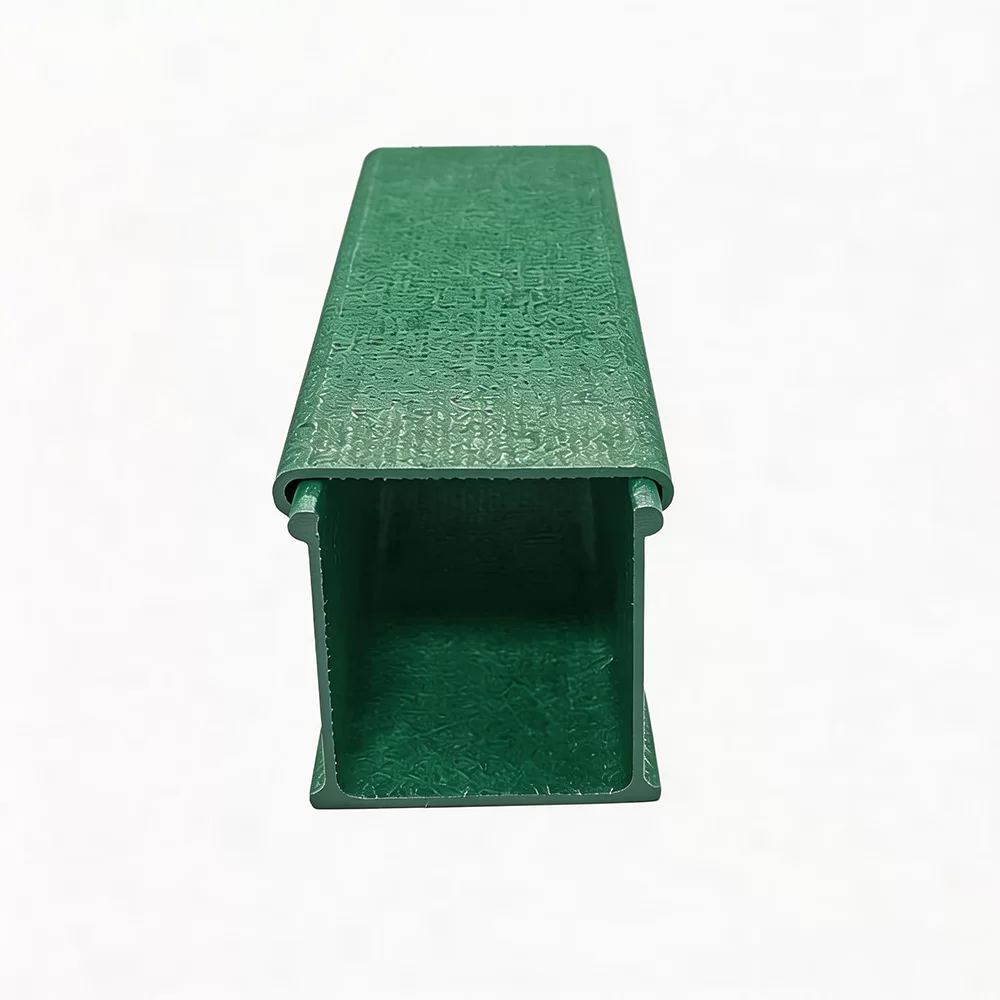
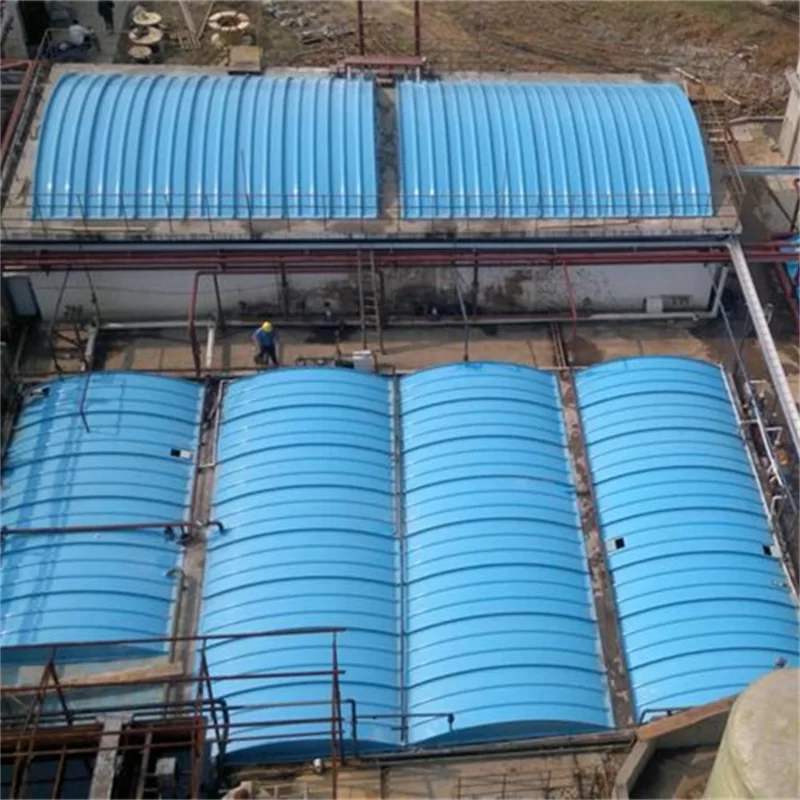
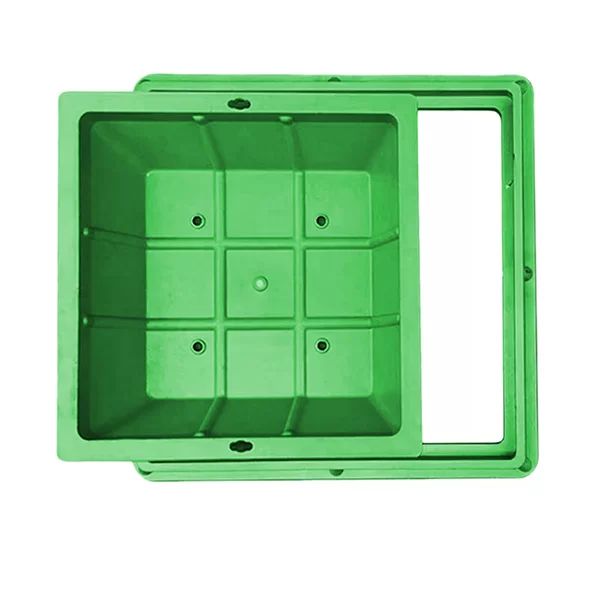
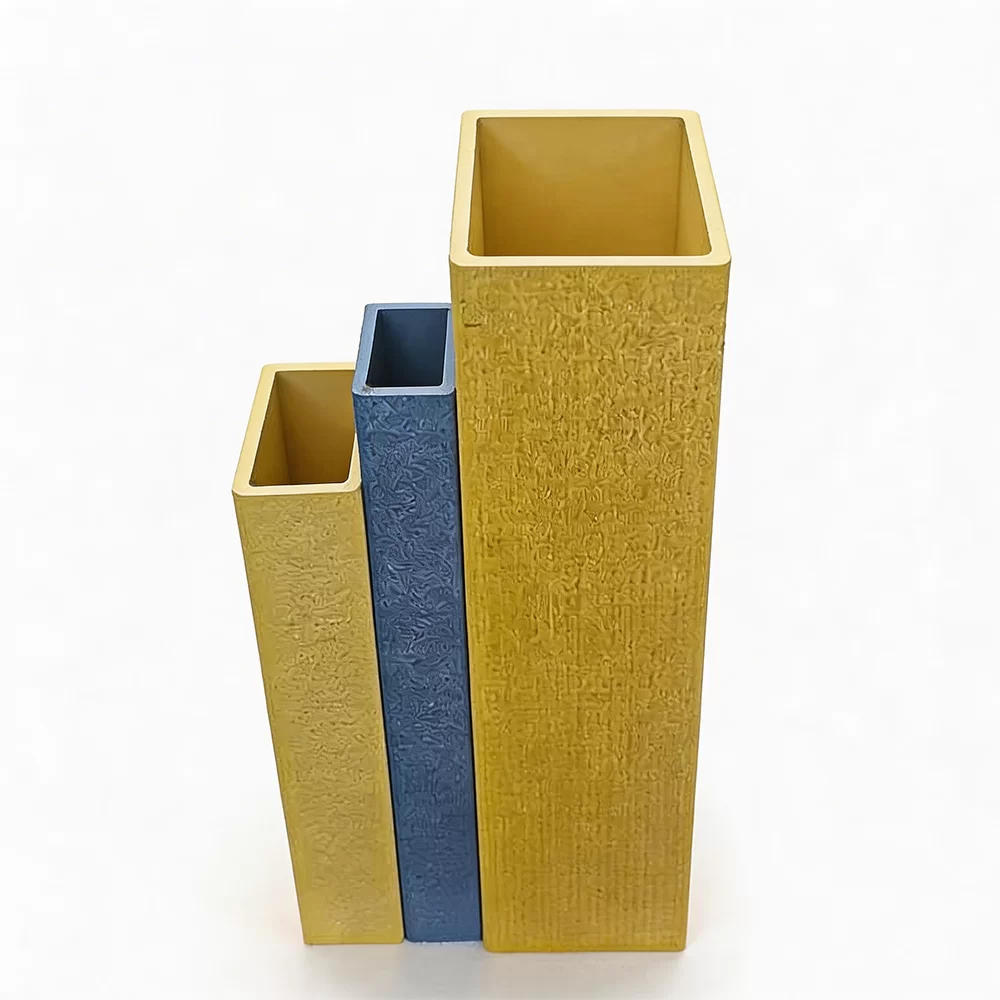
Equatorial Guinea Fiberglass Solutions fiberglass septic tank

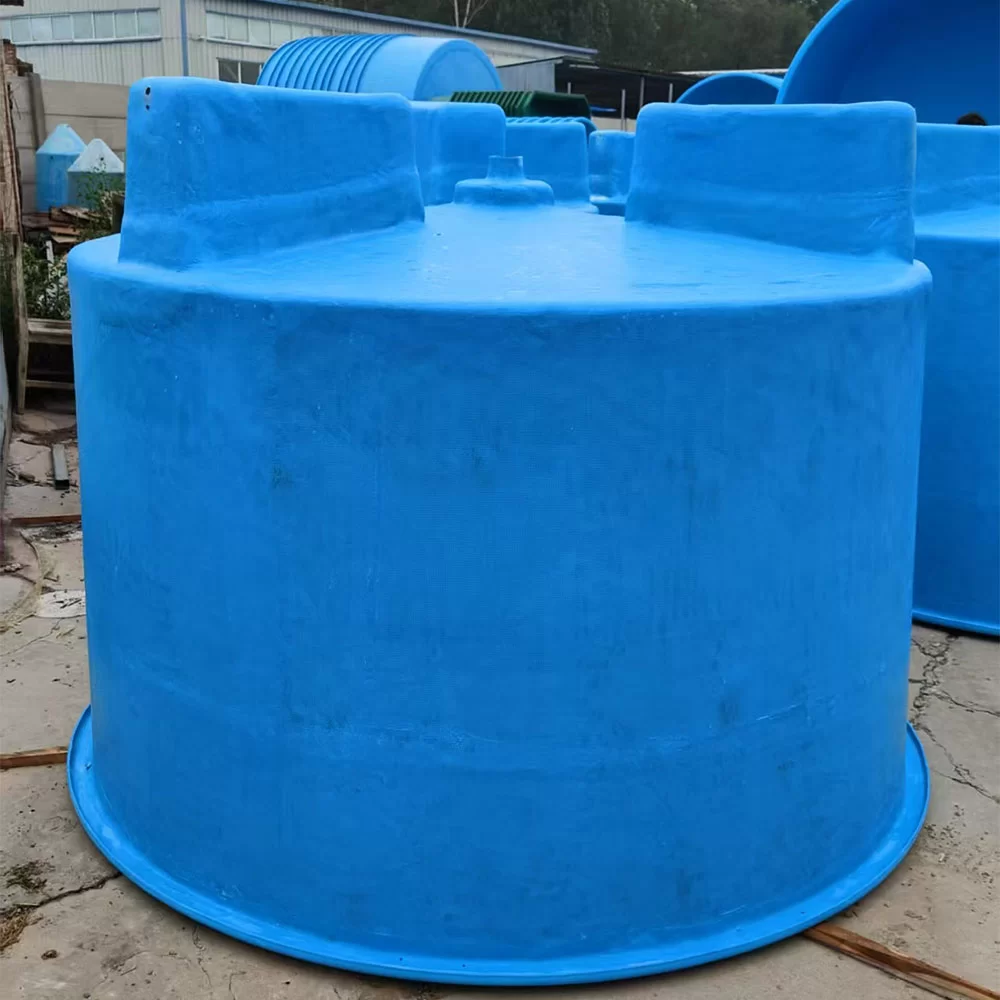
Equatorial Guinea Fiberglass Solutions: fiberglass septic tank

Providing durable and cost-effective fiberglass reinforced plastic (FRP) products for infrastructure and industrial applications in Equatorial Guinea.

Equatorial Guinea Fiberglass Solutions

Offering a comprehensive range of fiberglass products tailored to meet the unique demands of Equatorial Guinea’s growing infrastructure and industrial sectors.

Current Market Landscape in Equatorial Guinea

Analyzing the opportunities and challenges for fiberglass products in Equatorial Guinea’s developing economy.

Equatorial Guinea, with its focus on infrastructure development and oil & gas industries, presents a growing market for durable and corrosion-resistant materials. The country’s humid, tropical climate demands products that can withstand harsh environmental conditions. fiberglass products are increasingly being adopted as a superior alternative to traditional materials like steel and concrete due to their lightweight nature and longevity.

However, the market is still relatively nascent. Import reliance and logistical challenges impact material costs. Local awareness of the benefits of fiberglass rebar and other FRP solutions is also evolving, creating a need for education and demonstration projects. Establishing reliable supply chains and fostering local expertise are key to unlocking the full potential of this sector.

Infrastructure projects, particularly in sanitation, water management, and coastal protection, are driving demand. The need for robust and long-lasting solutions in these areas is high, positioning fiberglass septic tank as a particularly valuable product.
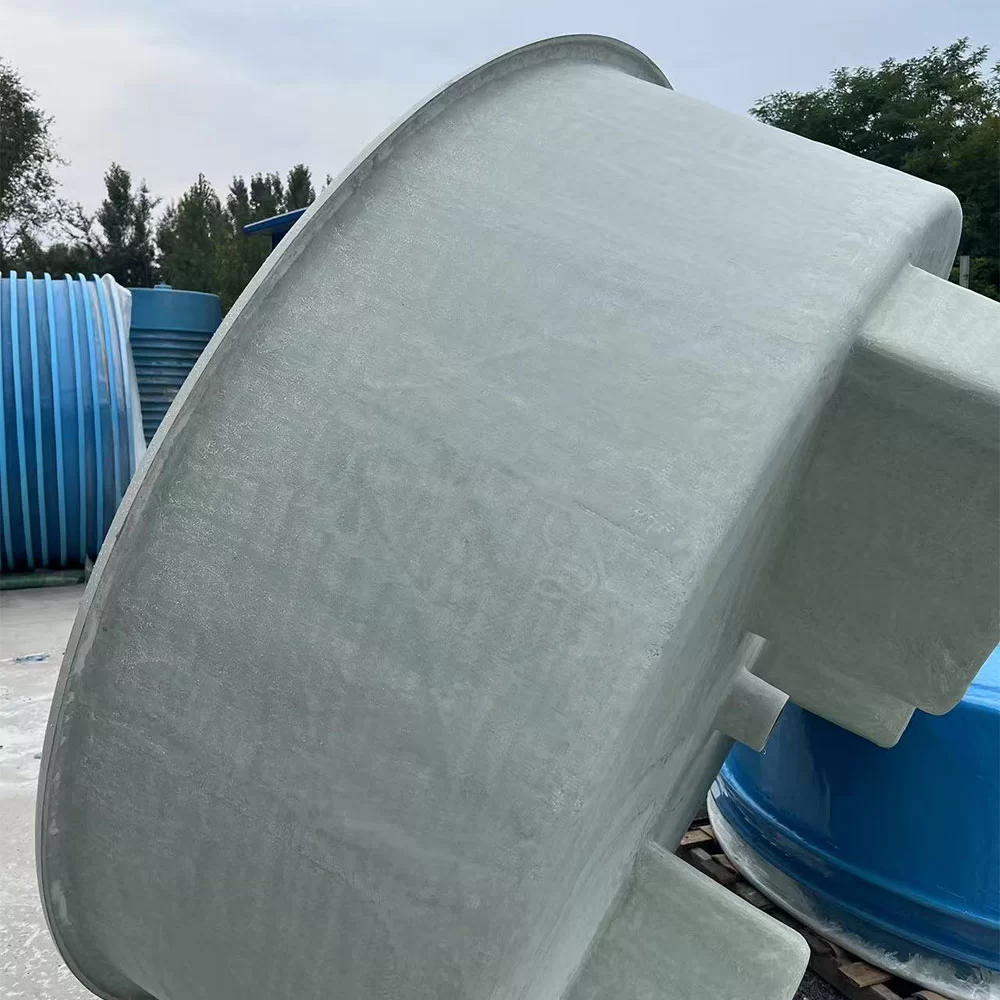
Evolution of Fiberglass Technology in the Region

Tracing the development and adoption of fiberglass reinforced plastics in Equatorial Guinea and surrounding African markets.

Market Development History

The initial introduction of fiberglass products in Equatorial Guinea during the 1980s was limited, primarily focused on basic applications like boat building. Early materials were often imported and lacked consistent quality. Limited awareness and a preference for traditional construction methods hindered wider adoption.

The 2000s saw a gradual increase in demand driven by oil & gas infrastructure projects. The need for corrosion-resistant piping and structural components began to drive imports of specialized carbon fiber reinforcement materials. However, logistical constraints remained a significant hurdle.

From 2010 onwards, increased infrastructure investment and greater awareness of lifecycle costs have spurred a more significant shift towards FRP solutions. Focus on sustainability and durability has begun to favor fiberglass products in applications like sewage systems and coastal defenses.

Future Development Trends

Advanced Resin Systems

The development of more sophisticated resin systems, offering enhanced strength, chemical resistance, and UV protection, will be crucial. Expect to see bio-based resins gaining traction as sustainability concerns grow.

Automation and Manufacturing Efficiency

Improved manufacturing processes, including automated filament winding and pultrusion, will lower production costs and increase product consistency, making fiberglass guardrail mesh more competitive.

Smart FRP Composites

Integrating sensors into FRP structures will enable real-time monitoring of stress, strain, and corrosion, enhancing structural health monitoring and predictive maintenance.

Industry Trends and Future Outlook

Examining the key trends shaping the fiberglass industry in Equatorial Guinea and the potential for growth.

Growing Infrastructure Demand
Equatorial Guinea's continued investment in infrastructure, particularly in water management and sanitation, will drive demand for durable FRP solutions.
Corrosion Resistance Focus
The country's coastal environment necessitates corrosion-resistant materials, positioning fiberglass as a preferred choice over traditional options.
Sustainability and Lifecycle Costs
Increasing emphasis on sustainable construction practices and long-term lifecycle cost savings will favor fiberglass products.
Local Capacity Building
Investments in local manufacturing and training will be essential for sustained growth in the fiberglass sector.

Industry Outlook

The fiberglass industry in Equatorial Guinea is poised for significant growth over the next 3-5 years, driven by continued infrastructure development and an increasing recognition of the material's benefits. Overcoming logistical challenges and building local capacity will be key to realizing this potential.

We anticipate increased demand for specialized FRP products, particularly in areas such as water treatment, sanitation, and coastal protection. Collaboration between local businesses and international suppliers will be essential for success.

Local Application Scenarios

Exploring practical applications of fiberglass products tailored to the specific needs of Equatorial Guinea.

1. Coastal Erosion Protection

Equatorial Guinea's extensive coastline is vulnerable to erosion. fiberglass guardrail mesh and FRP seawalls can provide a durable and cost-effective solution for protecting coastal infrastructure and communities.

2. Rural Water Storage Tanks

Providing access to clean water is a critical challenge in many rural areas. Lightweight and corrosion-resistant fiberglass products tanks offer a reliable and long-lasting solution for water storage.

3. Oil & Gas Pipeline Rehabilitation

The oil & gas industry requires robust corrosion protection for pipelines. Fiberglass reinforcement wraps can extend the lifespan of existing pipelines and reduce the risk of leaks.

4. Sanitation Systems - Septic Tanks

Improving sanitation infrastructure is a priority. Durable and leak-proof fiberglass septic tank offer a sustainable and hygienic solution for wastewater management.

5. Reinforced Concrete Structures

Utilizing fiber glass rebar within concrete structures offers superior corrosion resistance in the humid Equatorial Guinea environment.

Brand Story

The global development history of Hebei Zhongtian Composite Group Co., Ltd.

Commitment to Quality and Durability

For over 20 years, Hebei Zhongtian Composite Group has been dedicated to manufacturing high-performance fiberglass products, serving a global clientele with unwavering commitment to quality.

Innovation in FRP Technology

We continuously invest in research and development, pioneering innovative FRP solutions to address the evolving needs of diverse industries.

Sustainable Manufacturing Practices

We are committed to environmentally responsible manufacturing processes, minimizing our carbon footprint and promoting sustainable solutions.

Global Reach and Local Support

We serve customers worldwide, providing expert technical support and tailored solutions to meet their specific requirements.

Empowering Infrastructure Development

Our mission is to empower infrastructure development with durable, sustainable, and cost-effective fiberglass solutions.

Complete Product Portfolio for the Region

A wide range of fiberglass products designed to meet the diverse needs of Equatorial Guinea’s industries.

Local Frequently Asked Questions

Addressing common questions about fiberglass products and their applications in Equatorial Guinea.

What are the advantages of using fiberglass rebar compared to traditional steel rebar in Equatorial Guinea’s coastal environment?

Fiberglass rebar is non-corrosive, making it ideal for coastal applications where steel rebar is prone to rust and degradation. It’s also lighter, easier to handle, and has a longer lifespan, reducing lifecycle costs.

How durable are fiberglass septic tanks, and what is their expected lifespan in Equatorial Guinea’s climate?

Fiberglass septic tanks are highly durable and resistant to corrosion, even in harsh climates. They typically have a lifespan of 50 years or more with proper installation and maintenance.

What types of carbon fiber reinforcement products are available for strengthening existing concrete structures?

We offer a range of carbon fiber fabrics, laminates, and prepreg systems for strengthening concrete structures. These products can increase load capacity, improve seismic resistance, and extend structural lifespan.

Are fiberglass guardrail mesh systems suitable for high-traffic roadways in Equatorial Guinea?

Yes, our fiberglass guardrail mesh systems are designed to meet stringent safety standards and are suitable for high-traffic roadways. They offer excellent impact resistance and corrosion protection.

What is the typical lead time for ordering and delivering customized fiberglass products to Equatorial Guinea?

Lead times vary depending on the complexity of the order and current production schedules. We typically require 4-6 weeks for customized fiberglass products, including shipping to Equatorial Guinea.

Do you provide installation support or training for fiberglass products in Equatorial Guinea?

We offer comprehensive technical support and can provide on-site installation training for larger projects. Our team can assist with design, fabrication, and installation to ensure optimal performance.

Get in Touch

We are here to provide expert advice and tailored fiberglass solutions for your projects in Equatorial Guinea.

Contact Us Now

If you are interested in our products, you can choose to leave your information here, and we will be in touch with you shortly.