
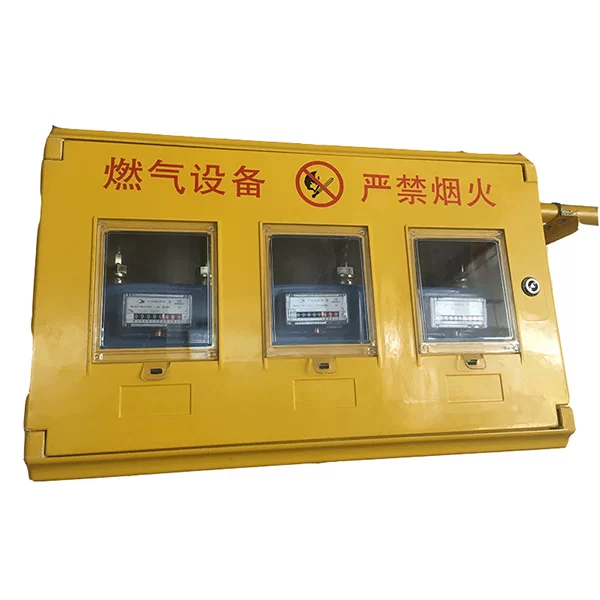
Fiberglass Guardrail Mesh Solutions for Kazakhstan Infrastructure

Fiberglass Guardrail Mesh Solutions for Kazakhstan Infrastructure

Enhancing Safety and Durability with Advanced Composite Materials in Central Asia.

Fiberglass Guardrail Mesh Solutions for Kazakhstan Infrastructure

Providing robust and long-lasting safety solutions for road infrastructure projects throughout Kazakhstan, leveraging the strength and corrosion resistance of fiberglass.

Current Market Landscape for Fiberglass Products in Kazakhstan

Analyzing the demand and challenges for fiberglass materials in the Kazakhstani construction and infrastructure sectors.

Kazakhstan's rapidly developing infrastructure, particularly its expanding road network, creates a significant demand for durable and cost-effective safety barriers. The country’s harsh climate, characterized by extreme temperatures and significant seasonal variations, necessitates materials resistant to corrosion and weathering. fiberglass products offer a compelling alternative to traditional steel solutions in these conditions.

Currently, the market is witnessing a growing awareness of the benefits of composite materials, including their lightweight nature, high strength-to-weight ratio, and reduced maintenance requirements. However, adoption is also influenced by factors like initial cost considerations and the availability of skilled labor for installation. fiberglass septic tank adoption remains niche, but growing.

The geographic vastness of Kazakhstan presents logistical challenges for material distribution. Efficient supply chain management is crucial for delivering fiber glass rebar and other fiberglass products to remote construction sites. The government's focus on improving infrastructure quality is expected to drive further market growth.
Evolution of Fiberglass Reinforced Polymer (FRP) Technology in Kazakhstan

Tracing the development of FRP materials and their increasing adoption in Kazakhstani infrastructure projects.

Market Development History

The introduction of fiberglass products in Kazakhstan began in the late 1990s, primarily focused on niche applications like water tanks and pipelines. Early adoption was limited by higher costs compared to traditional materials and a lack of awareness regarding their long-term benefits.

The 2000s saw a gradual increase in the use of carbon fiber reinforcement in specialized applications, such as repairing concrete structures. However, large-scale adoption was still hampered by the absence of local manufacturing capabilities.

Since 2010, there has been a significant shift with the emergence of domestic manufacturers and a growing understanding of the life-cycle cost advantages of FRP materials. The government's infrastructure development plans have further boosted demand for durable and sustainable construction materials.

Future Development Trends

Enhanced Resin Systems

Future developments will focus on advanced resin systems offering improved mechanical properties, UV resistance, and fire retardancy. Nanotechnology will play a role in enhancing material performance and reducing weight.

Automated Manufacturing Processes

Adoption of automated manufacturing processes like pultrusion and filament winding will improve production efficiency and reduce costs, making fiberglass products more competitive.

Sustainable Composites

Increased emphasis on sustainable materials and recycling technologies will drive the development of bio-based resins and innovative end-of-life solutions for fiberglass composites.

Industry Trends and Future Prospects for Fiberglass Composites in Kazakhstan

Exploring the key trends shaping the fiberglass industry in Kazakhstan and anticipating future growth opportunities.

Growing Infrastructure Investments
Kazakhstan's continued investment in roads, railways, and utilities will drive demand for durable and corrosion-resistant materials like fiberglass composites.
Increasing Adoption of FRP
A growing understanding of the lifecycle cost benefits of FRP materials is leading to wider acceptance across various industries.
Demand for Lightweight Solutions
The need for lightweight materials in construction and transportation is driving demand for fiberglass composites.
Focus on Corrosion Resistance
The harsh Kazakhstani climate necessitates materials resistant to corrosion, making fiberglass an ideal choice.

Industry Outlook

The fiberglass composite market in Kazakhstan is expected to experience significant growth in the next 3-5 years, driven by infrastructure investments, increasing awareness of material benefits, and advancements in manufacturing technologies.

Key areas of opportunity include road and bridge construction, water and wastewater management, and the energy sector. Government policies promoting sustainable construction practices will also play a crucial role in driving market expansion.

Localized Application Scenarios for Fiberglass Products in Kazakhstan

Exploring specific applications of fiberglass composites tailored to the needs of the Kazakhstani market.

1. Road Infrastructure Guardrails

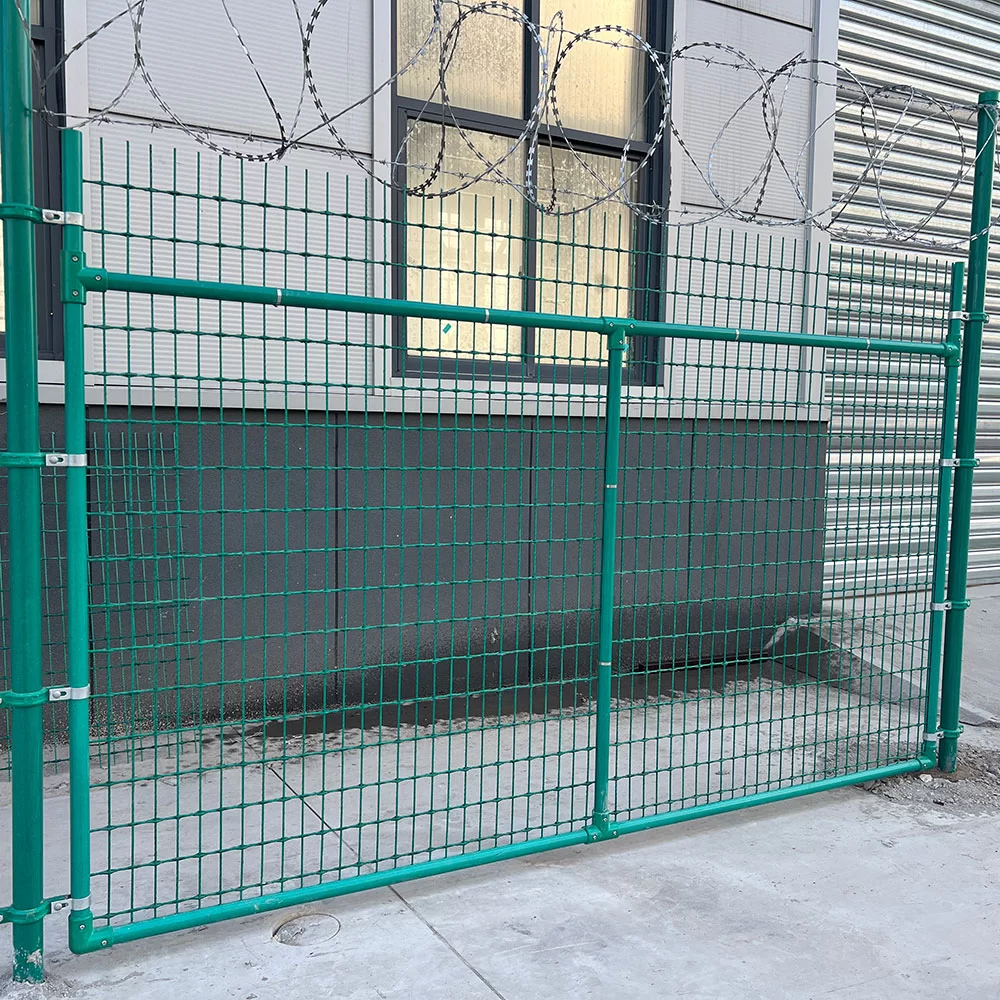
Fiberglass guardrails offer superior corrosion resistance and impact absorption compared to traditional steel barriers, making them ideal for highways and rural roads throughout Kazakhstan, especially considering the heavy winter road maintenance requirements.

2. Septic Tanks for Rural Communities

Lightweight and durable fiberglass septic tank systems provide a cost-effective and environmentally friendly sanitation solution for rural areas with limited access to centralized sewage systems.

3. Reinforcement for Concrete Structures

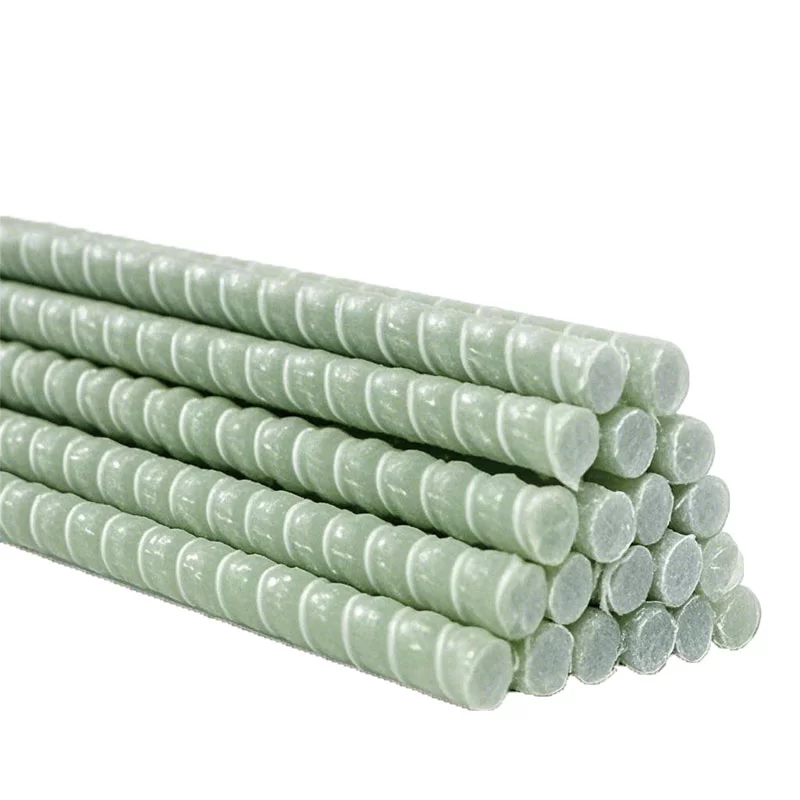
fiber glass rebar is increasingly used to reinforce concrete structures in harsh environments, minimizing corrosion and extending the lifespan of bridges, tunnels, and other critical infrastructure.

4. Water Pipelines and Storage Tanks

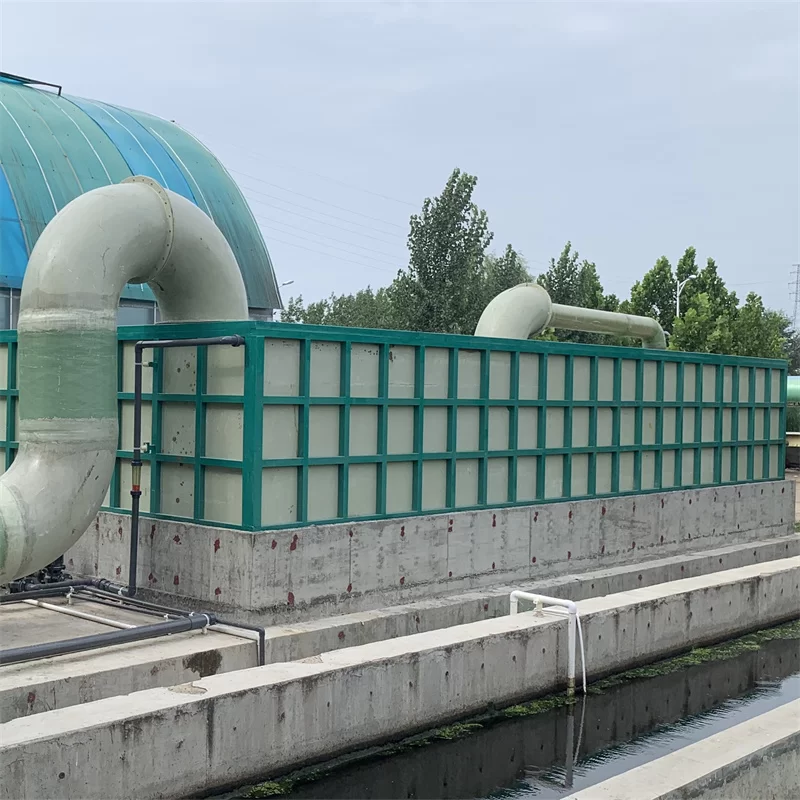
Fiberglass pipes and tanks offer excellent resistance to chemical corrosion and are well-suited for transporting and storing water and wastewater in Kazakhstan’s diverse climates.

Brand Story

Hebei Zhongtian Composite Material Group Co., Ltd. Global Development Journey

Establishing a Foundation of Quality

Founded in 2003, Hebei Zhongtian Composite Material Group Co., Ltd. began with a commitment to providing high-quality fiberglass products tailored to the demanding needs of the construction and infrastructure industries.

Innovation in Composite Materials

Over the years, we have invested heavily in research and development, pioneering new techniques and materials to enhance the performance and durability of our products.

Expanding Global Reach

Recognizing the global demand for advanced composite materials, we have expanded our operations to serve customers in Asia, Europe, and the Americas.

Commitment to Sustainability

We are dedicated to sustainable manufacturing practices and the development of environmentally friendly composite materials.

Partnering for Success

We strive to build long-term partnerships with our customers, providing tailored solutions and exceptional technical support.

Complete Product Portfolio for the Local Market

A comprehensive range of fiberglass products designed to meet the specific needs of Kazakhstani customers.

Local Frequently Asked Questions

Addressing common queries from customers in Kazakhstan regarding fiberglass composite materials.

What are the key advantages of using fiberglass rebar compared to steel rebar in Kazakhstan's climate?

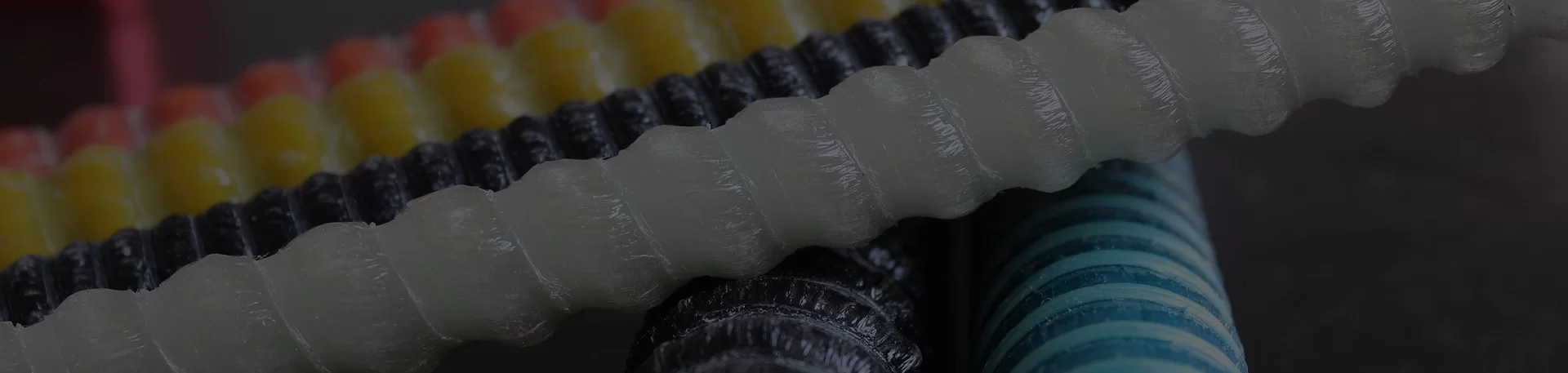
Fiberglass rebar offers superior corrosion resistance, making it ideal for Kazakhstan’s harsh winters and saline soil conditions. It also has a higher tensile strength and is lighter than steel, simplifying installation and reducing transportation costs.

How does the lifespan of a fiberglass septic tank compare to a concrete septic tank in the Kazakhstani environment?

Fiberglass septic tanks are significantly more durable and have a longer lifespan than concrete tanks due to their resistance to corrosion and cracking. They are also lighter and easier to install, reducing labor costs.

What maintenance requirements are associated with fiberglass guardrail systems?

Fiberglass guardrails require minimal maintenance compared to steel guardrails. They do not require painting or corrosion protection, and they are resistant to damage from road salt and other environmental factors.

Are fiberglass composite materials suitable for use in high-temperature environments found in some parts of Kazakhstan?

While fiberglass composites generally perform well at moderate temperatures, specialized resin systems can be used to enhance their heat resistance for applications in high-temperature environments.

What is the cost-effectiveness of using carbon fiber reinforcement compared to traditional steel reinforcement in bridge construction projects?

Although the initial cost of carbon fiber reinforcement may be higher, its superior strength-to-weight ratio, corrosion resistance, and extended lifespan can result in significant long-term cost savings in bridge construction projects.

How do fiberglass products contribute to sustainable construction practices in Kazakhstan?

Fiberglass composites are lightweight, durable, and require less energy to produce compared to traditional materials like steel. They also have a longer lifespan, reducing the need for frequent replacements and minimizing waste.

Get in Touch for Your Kazakhstan Project

We are committed to providing high-quality fiberglass solutions tailored to the unique needs of projects in Kazakhstan. Contact us today to learn more.

Contact Us Now

If you are interested in our products, you can choose to leave your information here, and we will be in touch with you shortly.