Fiberglass Products Solutions for Greece

Fiberglass Products Solutions for Greece

Providing high-performance fiberglass solutions to meet the demands of the Greek market.

Fiberglass Products Solutions for Greece

Delivering innovative and durable fiberglass products for various applications in Greece.

Current State of Fiberglass Manufacturing in Greece

Analyzing the market conditions and challenges in the Greek fiberglass industry.

The Greek fiberglass industry, while relatively small compared to larger European nations, is experiencing steady growth driven by infrastructure projects, marine applications, and increasing demand for corrosion-resistant materials. Greece's extensive coastline and numerous islands create a significant need for fiberglass products in boat building, port infrastructure, and coastal defense.

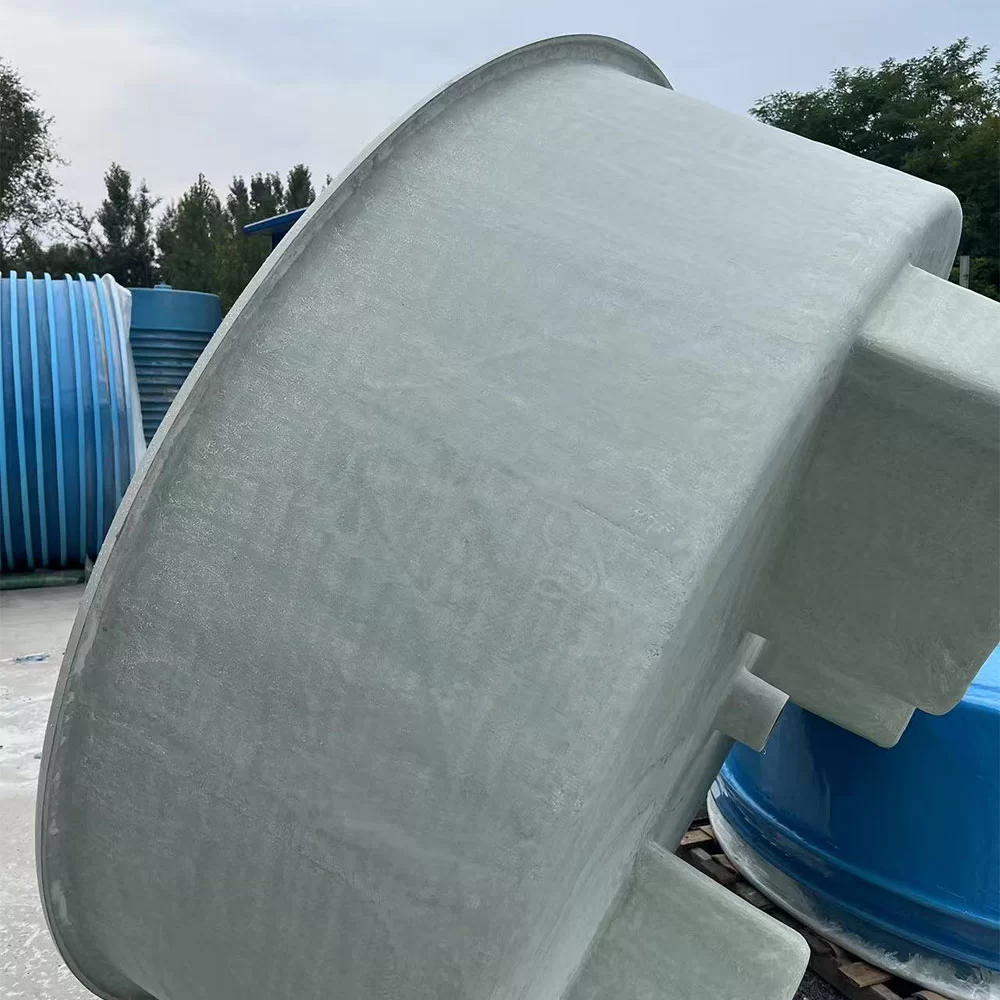
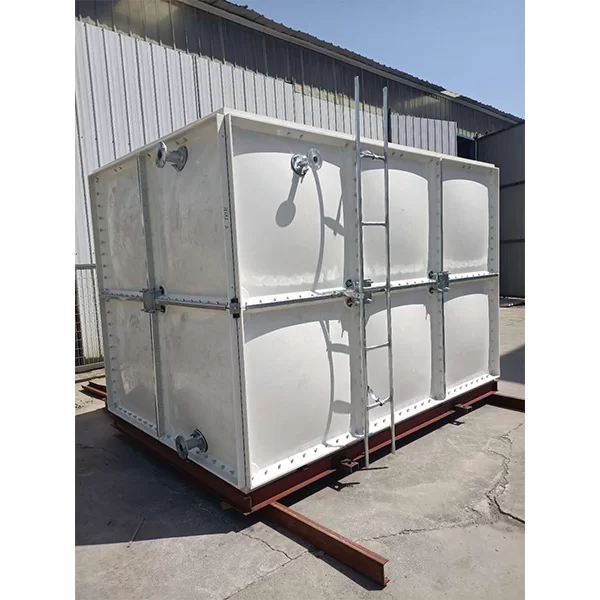
However, the industry faces challenges such as reliance on imported raw materials, competition from lower-cost manufacturers in Asia, and the need for skilled labor. The economic conditions in Greece have also impacted investment in new technologies and expansion. The adoption of fiberglass septic tank is also growing due to environmental regulations.

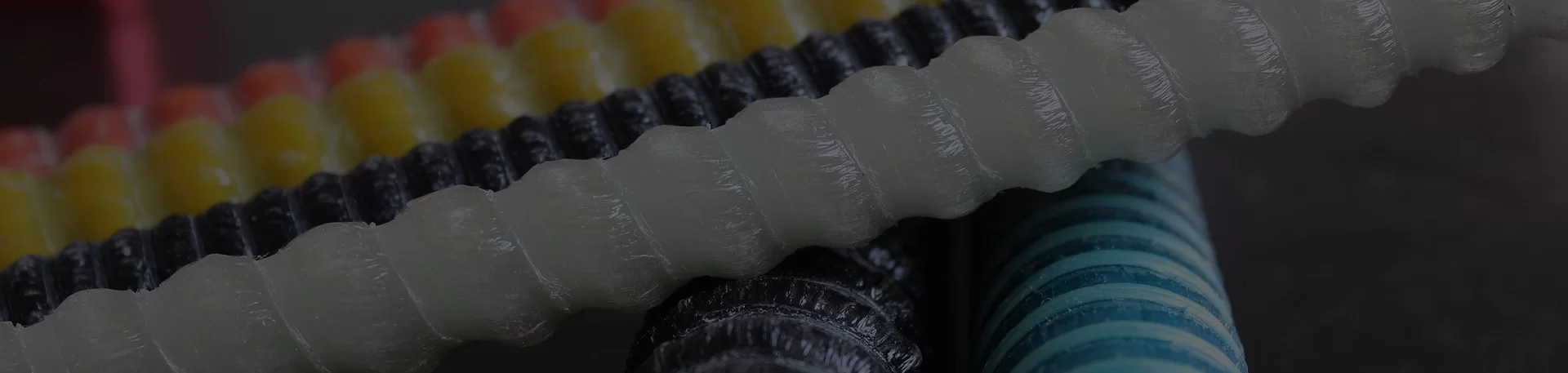
Despite these hurdles, the growing awareness of the benefits of fiberglass – its lightweight, strength, durability, and resistance to corrosion – is fueling demand. Local manufacturers are increasingly focusing on specialized applications and value-added services to differentiate themselves in the market. The demand for fiber glass rebar is driven by the need for corrosion-resistant reinforcement in concrete structures.
Historical Development and Technological Advancements

Tracing the evolution of fiberglass technology in Greece.

Market Development History

The introduction of fiberglass to Greece began in the 1960s, primarily for boat building due to the country’s strong maritime tradition. Early applications were limited by the high cost of materials and the lack of specialized manufacturing expertise.

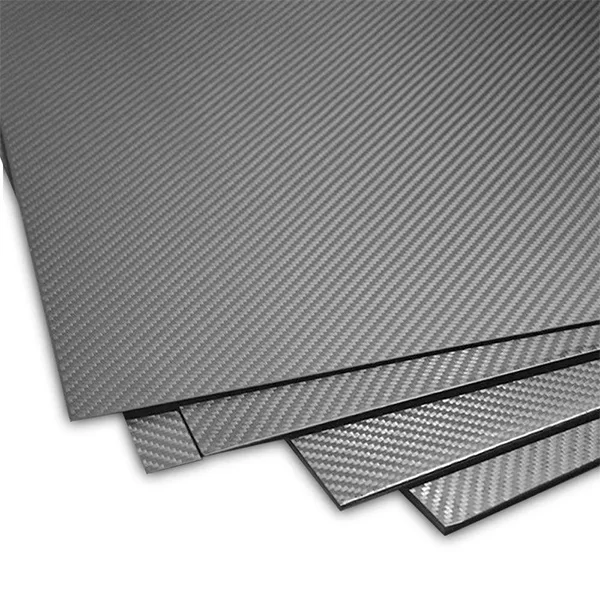
During the 1980s and 1990s, the use of fiberglass expanded to include construction, automotive, and industrial applications. The development of new resin systems and manufacturing techniques led to improved product performance and reduced costs. Carbon fiber reinforcement began to gain traction in high-performance applications.

In the 21st century, advancements in automated manufacturing, composite materials science, and environmental sustainability have further propelled the growth of the industry. The focus has shifted towards developing more environmentally friendly products and processes.

Future Development Trends

Advanced Resin Systems

The development of bio-based resins and high-performance epoxy systems will enhance the sustainability and durability of fiberglass products. These advancements will cater to the growing demand for eco-friendly materials in Greece.

Automation and Robotics

Increased automation and the use of robotics in fiberglass manufacturing will improve efficiency, reduce labor costs, and enhance product quality.

Smart Composites

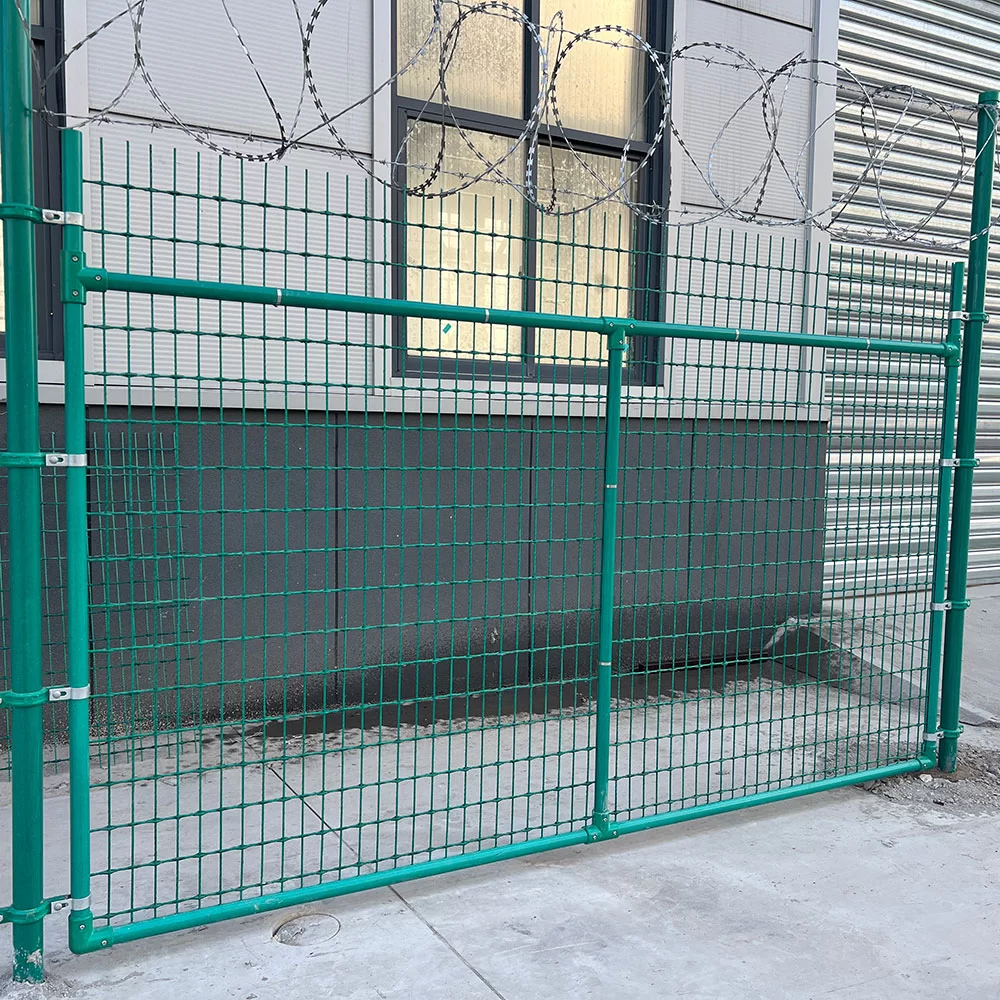
The integration of sensors and other smart technologies into fiberglass products will create new opportunities for monitoring, diagnostics, and predictive maintenance in applications such as infrastructure and marine vessels. Fiberglass guardrail mesh is expected to see increased adoption in road safety projects.

Industry Trends and Future Outlook for Fiberglass in Greece

Exploring the future of fiberglass manufacturing in the Greek market.

Sustainable Materials Adoption
Increased demand for bio-based resins and recycled fiberglass materials to reduce environmental impact.
Infrastructure Modernization
Government investments in infrastructure projects, particularly in transportation and water management, will drive demand for durable fiberglass components.
Marine Industry Growth
Continued expansion of the Greek yachting and shipbuilding industries will fuel demand for lightweight and corrosion-resistant fiberglass materials.
Increased Use in Construction
Growing adoption of fiberglass rebar and structural profiles in construction projects due to their corrosion resistance and lightweight properties.

Industry Outlook

The Greek fiberglass industry is poised for continued growth over the next 3-5 years, driven by infrastructure development, marine industry expansion, and a growing demand for sustainable materials.

Manufacturers that invest in advanced technologies, develop innovative products, and prioritize sustainability will be best positioned to succeed in this evolving market.

Local Application Scenarios in Greece

Exploring practical applications of fiberglass products in the Greek environment.

1. Marine Vessel Construction

Greece’s extensive coastline and thriving tourism industry drive a significant demand for fiberglass boats, yachts, and ferries. Fiberglass provides lightweight, durable, and corrosion-resistant hulls, decks, and superstructures.

2. Wastewater Treatment Plants

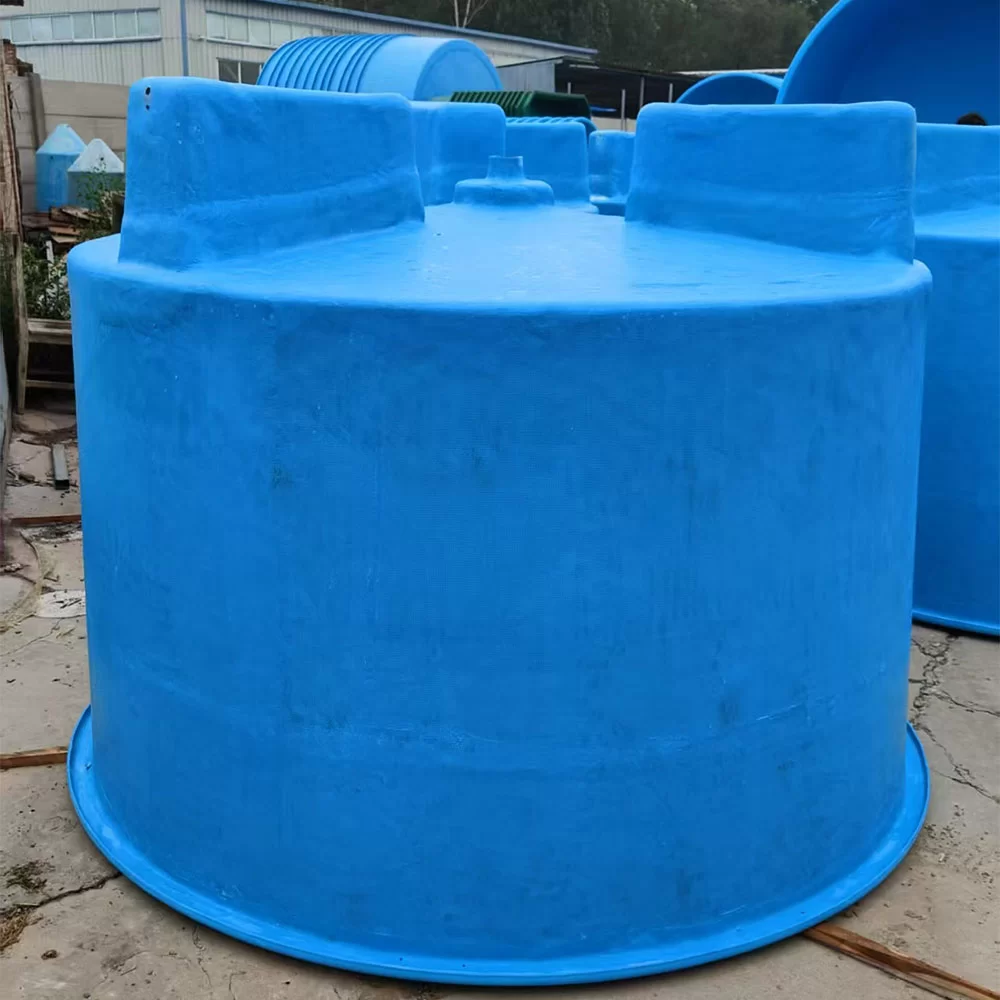
Due to the challenging geological conditions and limited space, fiberglass septic tank are increasingly used in Greece for efficient and environmentally friendly wastewater treatment in both urban and rural areas.

3. Coastal Protection Structures

Fiberglass composites are used to construct seawalls, breakwaters, and other coastal protection structures to mitigate erosion and protect infrastructure from storms. Their corrosion resistance is critical in the saltwater environment.

4. Reinforcement of Concrete Structures

Fiber glass rebar is used to reinforce concrete structures in corrosive environments, such as bridges, tunnels, and marine piers, extending their lifespan and reducing maintenance costs.

5. Road and Highway Guardrails

Fiberglass guardrail mesh is increasingly utilized in road construction to improve safety standards due to its superior energy absorption capabilities and resistance to corrosion.

Brand Story

Hebei Zhongtian Composite Material Group Co., Ltd.'s global development journey

Innovation in Composite Materials

Established in 2005, Hebei Zhongtian Composite Material Group Co., Ltd. began with a vision to provide high-quality fiberglass solutions.

Expansion into Global Markets

By 2010, the company expanded its reach beyond China, serving clients in Southeast Asia and the Middle East.

Focus on Research and Development

In 2015, Zhongtian significantly increased investment in R&D, resulting in innovative products tailored to specific customer needs.

Commitment to Sustainability

By 2020, the company integrated sustainable practices into its manufacturing processes and product development.

Serving the European Market

Today, we are dedicated to providing durable, cost-effective, and environmentally responsible fiberglass solutions to customers throughout Europe, including Greece.

Complete Product Portfolio for the Local Region

Explore our range of fiberglass products tailored for the Greek market.

Frequently Asked Questions – Greece

Answers to common questions about fiberglass products in Greece.

What are the key benefits of using fiberglass septic tanks compared to traditional concrete tanks in Greece?

Fiberglass septic tanks are lighter, more durable, and resistant to corrosion from saltwater and harsh soil conditions common in Greece. They also require less maintenance and have a longer lifespan.

How does fiberglass reinforcement contribute to the longevity of concrete structures in coastal areas of Greece?

Fiberglass rebar is non-corrosive, unlike traditional steel rebar, making it ideal for concrete structures exposed to saltwater and humidity. It prevents cracking and extends the structural lifespan.

What are the advantages of using fiberglass guardrail mesh on Greek highways?

Fiberglass guardrail mesh is lightweight, strong, and doesn't rust, providing superior impact resistance and safety for motorists. It also requires less maintenance than traditional metal barriers.

Is carbon fiber reinforcement a cost-effective solution for strengthening existing concrete structures in Greece?

While initially more expensive, carbon fiber reinforcement offers significant long-term cost savings due to its superior strength-to-weight ratio and extended structural lifespan. It’s particularly effective in seismic regions.

What types of fiberglass products are commonly used in boat building in Greece?

Fiberglass is extensively used for boat hulls, decks, cabins, and interior components. It offers a lightweight, durable, and corrosion-resistant alternative to traditional materials like wood and steel.

What are the environmental benefits of using fiberglass products in construction projects across Greece?

Fiberglass products reduce the need for frequent repairs and replacements, minimizing waste. The use of sustainable resins and recycled fiberglass further reduces the environmental impact.

Contact Us Today

Get in touch with our experts to discuss your fiberglass needs in Greece.

Contact Us Now

If you are interested in our products, you can choose to leave your information here, and we will be in touch with you shortly.