Fiberglass Products Solutions for Singapore’s Infrastructure

Fiberglass Products Solutions for Singapore's Infrastructure

Delivering high-performance fiberglass reinforced plastic (FRP) solutions for diverse applications across Singapore.

Fiberglass Products Solutions for Singapore's Infrastructure

Providing cutting-edge fiberglass reinforced plastic (FRP) products designed to meet the unique demands of Singapore’s infrastructure and industrial sectors.

Current Landscape of Fiberglass Products in Singapore

Analyzing the market dynamics and specific needs within Singapore's construction and industrial sectors.

Singapore, a densely populated island nation, faces unique challenges in infrastructure development and maintenance. The demand for durable, corrosion-resistant materials is high, driven by the humid tropical climate and limited land space. fiberglass products are increasingly favored over traditional materials like steel and concrete in applications requiring longevity and minimal maintenance.

The construction industry in Singapore is characterized by strict regulations and a focus on sustainable building practices. Fiberglass septic tank systems, for instance, are gaining traction due to their lightweight nature, ease of installation, and environmental benefits. The government's push for smart infrastructure and digitalization further drives innovation in FRP materials.

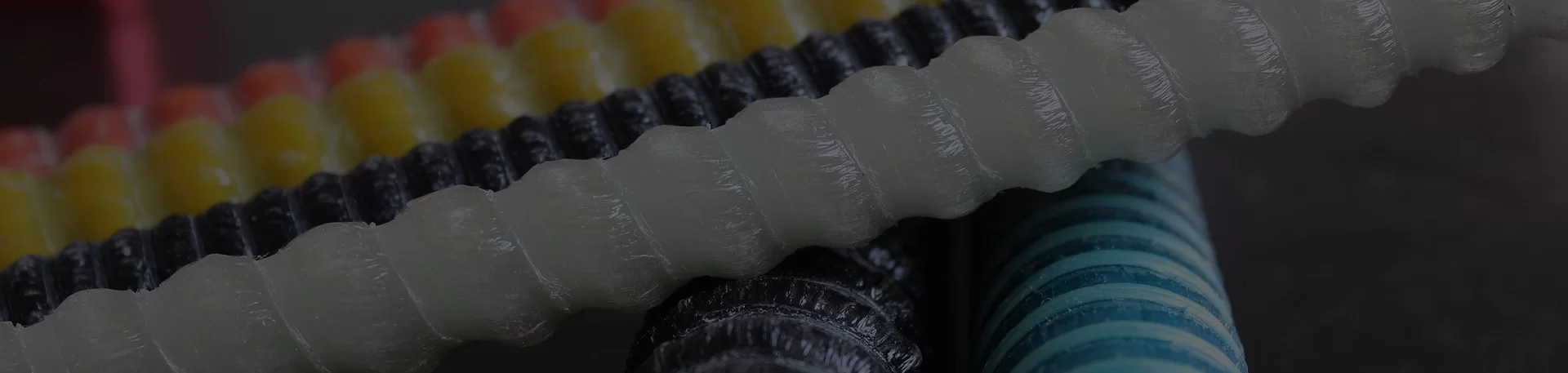
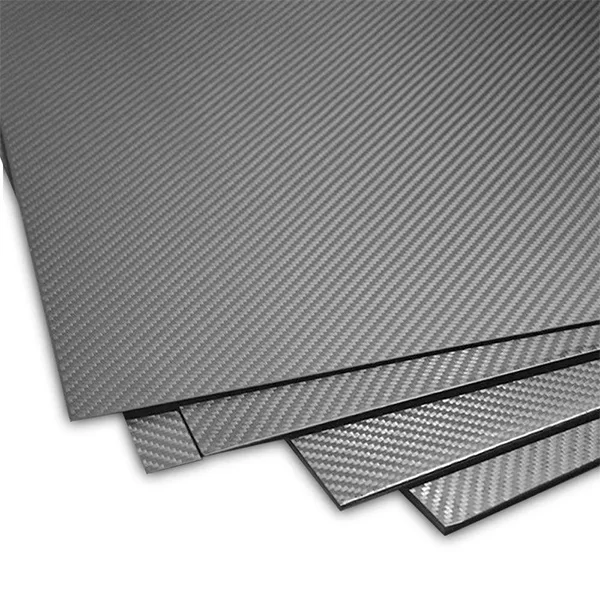
Competition within the fiberglass products market in Singapore is moderate, with both local manufacturers and imports vying for market share. Key players differentiate themselves through product quality, customization capabilities, and adherence to international standards. The need for specialized fiber glass rebar and carbon fiber reinforcement solutions presents opportunities for niche players.
Evolution of Fiberglass Products and Development Trajectory

Tracing the technological advancements and market trends shaping the fiberglass industry in Singapore.

Market Development History

The adoption of fiberglass in Singapore began in the 1970s with basic applications in boat building and automotive components. Early materials were primarily polyester-based, offering limited strength and durability. The 1980s saw the introduction of improved resin systems and manufacturing processes, expanding the use of fiberglass in construction and infrastructure.

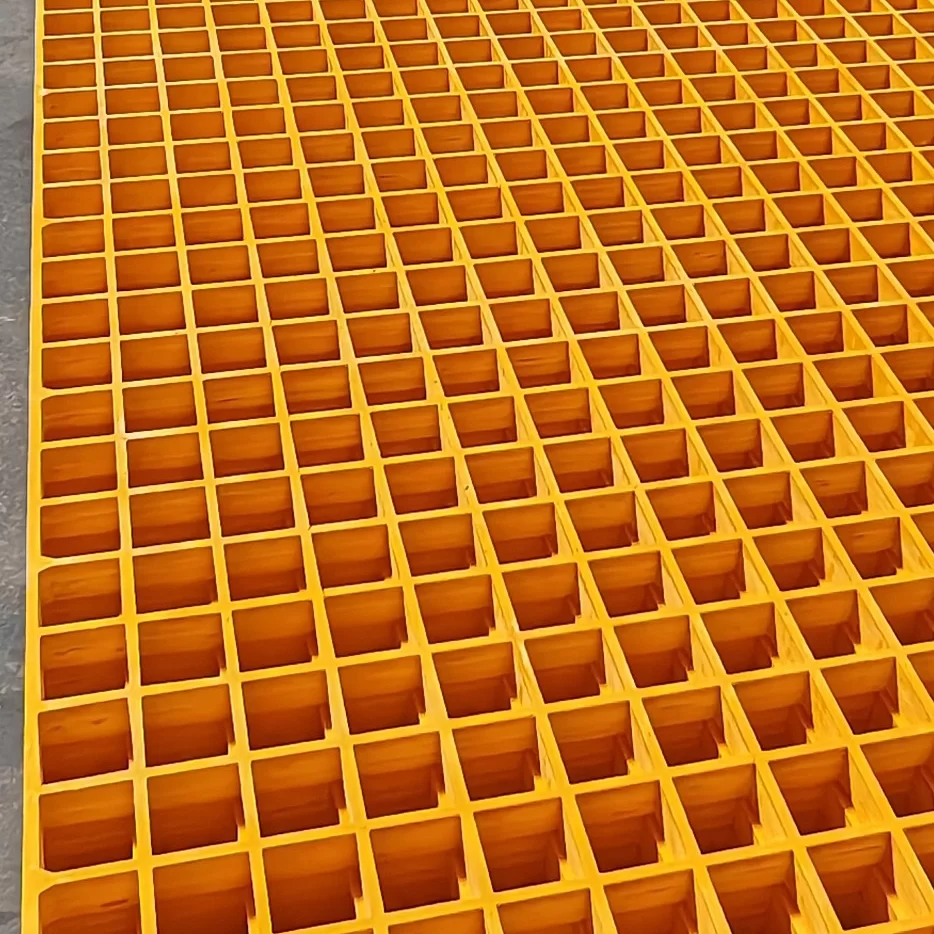
The 1990s marked a turning point with the widespread adoption of vinyl ester resins, providing enhanced corrosion resistance and mechanical properties. This coincided with Singapore’s rapid infrastructure development and a growing need for long-lasting materials. The early 2000s witnessed the emergence of fiberglass guardrail mesh and specialized FRP composites for demanding applications.

Since 2010, the focus has shifted towards advanced materials like carbon fiber reinforced polymers (CFRP) and hybrid composites, offering superior strength-to-weight ratios and design flexibility. Digitalization of manufacturing processes, including automated fiber placement and resin transfer molding, has further enhanced the capabilities of the fiberglass industry.

Future Development Trends

Lightweight and High-Strength Composites

The demand for lightweight and high-strength materials will continue to rise, driven by the need for sustainable construction and efficient transportation solutions. Google Trends data shows increasing search interest in "carbon fiber composites" and "advanced FRP materials" in the region.

Smart FRP Materials with Integrated Sensors

Integrating sensors into FRP structures will enable real-time monitoring of structural health and performance, enhancing safety and reducing maintenance costs. Search queries related to "structural health monitoring" and "smart infrastructure" are on the rise.

Eco-Friendly and Bio-Based Resins

The growing emphasis on sustainability will drive the development and adoption of eco-friendly resins derived from renewable resources. Consumers and businesses are increasingly seeking environmentally responsible materials.

Industry Trends and Future Outlook for Fiberglass Products

Exploring the emerging technologies and growth opportunities within Singapore’s fiberglass products sector.

Increased Demand for Corrosion-Resistant Solutions
Singapore's coastal environment and high humidity create a constant need for corrosion-resistant materials. Fiberglass products offer a superior alternative to traditional materials like steel in marine applications and wastewater treatment facilities.
Growth in Infrastructure Projects
Ongoing infrastructure projects, including the expansion of the MRT network and the development of new waterfront areas, will drive demand for FRP materials in applications such as bridges, tunnels, and retaining walls.
Increased Adoption of Prefabricated Components
The construction industry is increasingly adopting prefabricated components to improve efficiency and reduce labor costs. Fiberglass products are well-suited for prefabrication due to their lightweight nature and ease of handling.
Sustainability and Circular Economy Initiatives
Singapore's commitment to sustainability and circular economy principles will drive demand for recyclable and eco-friendly fiberglass products. Research into bio-based resins and end-of-life recycling solutions will be crucial.

Industry Outlook

The fiberglass products market in Singapore is poised for continued growth, driven by the factors mentioned above. The key to success will be innovation, customization, and a commitment to sustainability. Companies that can offer high-performance, eco-friendly solutions tailored to the specific needs of the Singaporean market will be well-positioned to thrive.

The long-term outlook remains positive, with opportunities emerging in areas such as smart infrastructure, renewable energy, and advanced manufacturing. Collaboration between industry players, research institutions, and government agencies will be essential to unlock the full potential of fiberglass products in Singapore.

Local Application Scenarios for Fiberglass Products

Illustrating the practical applications of FRP materials in Singapore’s unique environment.

1. Coastal Protection Structures

Singapore's extensive coastline is vulnerable to erosion and rising sea levels. Fiberglass reinforced polymer (FRP) seawalls and breakwaters provide a durable and corrosion-resistant alternative to traditional concrete structures, reducing maintenance costs and protecting valuable land.

2. Wastewater Treatment Facilities

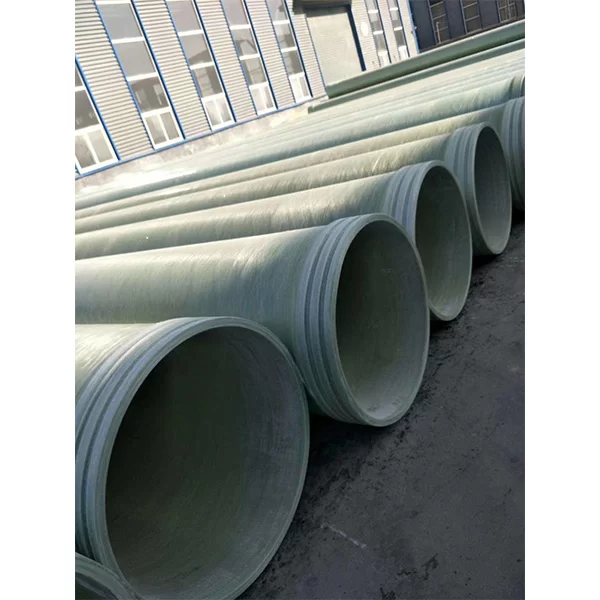
Singapore’s advanced wastewater treatment infrastructure relies on corrosion-resistant materials to ensure efficient and reliable operation. Fiberglass septic tanks and FRP piping systems offer superior resistance to the harsh chemicals used in wastewater treatment processes.

3. MRT Rail Infrastructure

The Singapore Mass Rapid Transit (MRT) system benefits from the use of fiberglass guardrail mesh and FRP components in station platforms and tunnels. These materials offer enhanced safety, reduced weight, and improved durability compared to traditional materials.

4. Chemical Storage Tanks

Singapore's petrochemical industry requires safe and reliable storage solutions for hazardous chemicals. FRP tanks provide excellent corrosion resistance and containment capabilities, minimizing the risk of leaks and environmental damage.

5. Building Facade Elements

Lightweight and durable fiberglass composite panels are increasingly used in building facades to enhance aesthetics and reduce structural load. This enables innovative architectural designs and improved energy efficiency.

Brand Story

Hebei Zhongtian Composite Material Group Co., Ltd.’s global development journey.

Foundation and Early Growth (1998-2008)

Founded in 1998, Hebei Zhongtian Composite Material Group began as a specialized manufacturer of fiberglass products for the domestic market. We quickly established a reputation for quality and innovation, focusing on serving the growing construction and infrastructure sectors.

Expansion and Technological Advancement (2008-2015)

This period saw significant investment in research and development, leading to the introduction of advanced FRP materials and manufacturing processes. We expanded our product portfolio and began exporting to Southeast Asia, including Singapore.

Global Reach and Sustainability Focus (2015-2020)

We established strategic partnerships with international distributors and expanded our presence in key global markets. A strong commitment to sustainability led to the development of eco-friendly FRP solutions and recycling initiatives.

Innovation and Customization (2020-Present)

We continue to invest in cutting-edge technology and customization capabilities, enabling us to meet the evolving needs of our customers. Our focus is on delivering high-performance, sustainable solutions for challenging applications.

Our Mission

To engineer and deliver innovative fiberglass reinforced plastic solutions that enhance infrastructure durability, promote sustainability, and empower our clients to build a better future.

Complete Product Portfolio for the Region

Explore our comprehensive range of fiberglass products designed for Singapore's diverse industries.

Frequently Asked Questions about Fiberglass Products in Singapore

Addressing common queries related to FRP materials and applications in the Singaporean context.

What are the key advantages of using fiberglass rebar over traditional steel rebar in Singapore’s marine environments?

Fiberglass rebar offers superior corrosion resistance compared to steel, making it ideal for marine applications. It’s also non-conductive, lightweight, and has a longer lifespan in harsh environments like Singapore’s coastal regions.

Are fiberglass septic tanks compliant with Singapore’s environmental regulations?

Yes, our fiberglass septic tanks are designed and manufactured to meet or exceed Singapore’s stringent environmental standards for wastewater treatment and effluent discharge. They’re leak-proof and provide reliable performance.

What is the typical lifespan of a fiberglass guardrail mesh system in a high-traffic area in Singapore?

A properly installed fiberglass guardrail mesh system can have a lifespan of 20 years or more, even in high-traffic areas. Its durability and resistance to corrosion significantly reduce maintenance and replacement costs.

How does carbon fiber reinforcement compare to fiberglass in terms of strength-to-weight ratio for structural applications?

Carbon fiber reinforcement offers a significantly higher strength-to-weight ratio than fiberglass. This makes it ideal for applications where weight reduction is critical, such as aerospace and high-performance infrastructure.

What is the fire resistance rating of your fiberglass products?

Our fiberglass products are formulated to meet specific fire resistance requirements based on the application. We can provide documentation outlining the fire performance characteristics of each product.

What are the sustainable benefits of using fiberglass products compared to traditional materials like concrete or steel?

Fiberglass products are lightweight, reducing transportation costs and carbon emissions. They require less energy to manufacture and have a longer lifespan, reducing the need for frequent replacements. Furthermore, we are developing eco-friendly resins and recycling programs to minimize environmental impact.

Get in Touch with Our Experts

We are committed to providing tailored fiberglass solutions for your projects in Singapore. Contact us today to discuss your specific requirements.

Contact Us Now

If you are interested in our products, you can choose to leave your information here, and we will be in touch with you shortly.