
Fiberglass Septic Tank Solutions for Afghanistan

Fiberglass Septic Tank Solutions for Afghanistan

Providing durable and cost-effective fiberglass solutions for infrastructure and construction projects in Afghanistan.

Fiberglass Septic Tank Solutions for Afghanistan

Offering a comprehensive range of fiberglass products designed to meet the unique challenges of the Afghan market.

Current State of Fiberglass Products in Afghanistan

Understanding the challenges and opportunities for fiberglass products in the Afghan landscape.

Afghanistan’s infrastructure is undergoing a period of rebuilding and development, presenting significant opportunities for durable and cost-effective materials like fiberglass. The demand for fiberglass products is increasing, driven by reconstruction efforts and the need for robust solutions in challenging environments. However, logistical challenges, limited local manufacturing capacity, and economic constraints pose considerable hurdles.

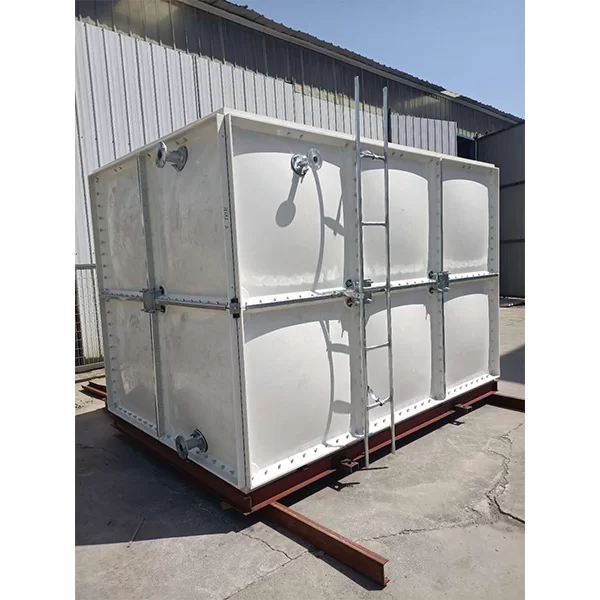
The country’s arid climate and frequent natural disasters necessitate materials that are resistant to corrosion, weathering, and seismic activity. Fiberglass septic tank, fiber glass rebar, and other composite materials offer a superior alternative to traditional materials like concrete and steel in many applications. Importation costs remain high, influencing project budgets.

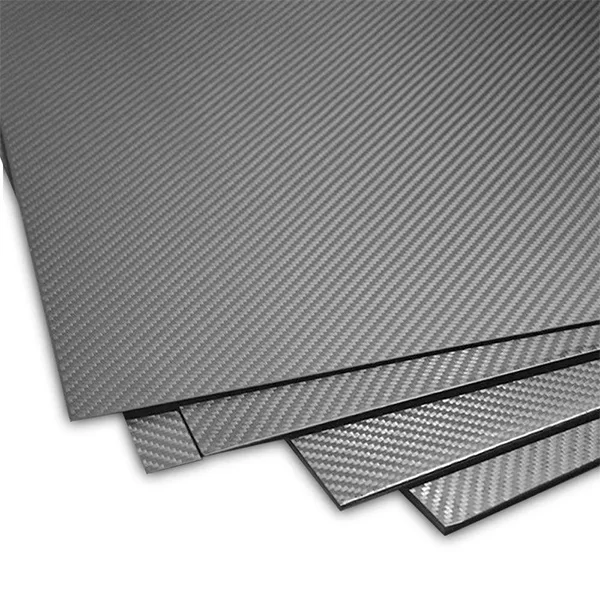
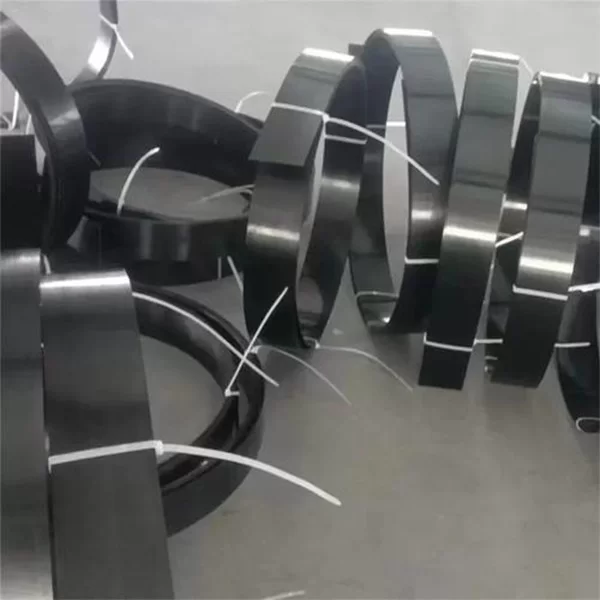
Currently, much of the fiberglass demand is met through imports. There is a growing interest in establishing local manufacturing facilities to reduce reliance on foreign suppliers and create employment opportunities. The adoption of carbon fiber reinforcement is still nascent but gaining traction in specialized applications requiring high strength-to-weight ratios.
Historical Development and Evolution of Fiberglass in Afghanistan

Tracing the journey of fiberglass technology from its early introduction to current advancements in the Afghan market.

Market Development History

The initial introduction of fiberglass products into Afghanistan was largely limited to basic applications in the 1980s, primarily for water tanks and simple roofing materials. This was driven by a need for alternatives to scarce and expensive traditional materials. The quality and availability were inconsistent.

The post-2001 reconstruction phase saw a significant increase in demand for fiberglass products, particularly for sanitation systems, including fiberglass septic tank. International aid organizations and NGOs played a crucial role in introducing more advanced composite technologies.

In the last decade, there has been growing awareness of the benefits of fiber glass rebar and fiberglass guardrail mesh in infrastructure projects. The focus has shifted towards durable, low-maintenance solutions. The adoption rate is increasing, albeit slowly.

Future Development Trends

Increased Localization of Production

We anticipate a significant push towards localizing fiberglass production within Afghanistan over the next 3-5 years. This will reduce import costs, create jobs, and foster a more sustainable supply chain.

Growing Adoption of Advanced Composites

The use of carbon fiber reinforcement is expected to expand beyond niche applications as costs decrease and awareness of its benefits increases. This is fueled by increasing infrastructure development.

Focus on Sustainable and Eco-Friendly Solutions

There’s a rising trend towards utilizing fiberglass in environmentally friendly applications, such as water purification systems and sustainable building materials, aligning with global sustainability goals.

Industry Trends and Future Outlook for Fiberglass in Afghanistan

Exploring the evolving landscape and future possibilities for fiberglass composites in the Afghan market.

Increased Demand for Sanitation Solutions
The need for improved sanitation infrastructure will drive demand for fiberglass septic tank and related products.
Infrastructure Rehabilitation
Ongoing reconstruction efforts will fuel demand for durable building materials, including fiberglass guardrail mesh and reinforcement products.
Advancements in Material Science
Ongoing research and development will lead to the introduction of more advanced fiberglass composites with enhanced properties.
Growing Awareness of Cost-Effectiveness
Increased understanding of the long-term cost benefits of fiberglass over traditional materials will drive adoption.

Industry Outlook

The Afghan fiberglass market is poised for significant growth in the coming years, driven by reconstruction efforts and increasing demand for durable, cost-effective materials. The key to success will be establishing local manufacturing capabilities and adapting products to the specific needs of the Afghan market.

Government policies supporting infrastructure development and sustainable building practices will further accelerate growth. Collaboration between international organizations, local businesses, and government agencies is crucial to unlock the full potential of fiberglass in Afghanistan.

Localized Applications of Fiberglass in Afghanistan

Exploring specific use cases tailored to the Afghan context.

1. Water Storage Tanks for Rural Communities

Many rural communities in Afghanistan lack access to reliable water sources. Durable, corrosion-resistant fiberglass products can be used to construct water storage tanks that provide a safe and clean water supply.

2. Reinforcement for Earthquake-Resistant Buildings

Afghanistan is prone to earthquakes. Utilizing fiber glass rebar as reinforcement in concrete structures can significantly enhance their seismic resilience, minimizing damage and saving lives.

3. Septic Systems for Improved Sanitation

Improving sanitation is a critical need. Fiberglass septic tank offer a cost-effective and environmentally friendly solution for wastewater treatment in areas lacking centralized sewage systems.

4. Guardrails for Road Safety

Rebuilding and expanding the road network requires robust safety measures. Fiberglass guardrail mesh provide excellent impact resistance and corrosion protection, enhancing road safety.

5. Irrigation Channels and Pipes

Efficient water management is crucial for agriculture in Afghanistan. Fiberglass pipes and channels offer a lightweight, durable, and corrosion-resistant solution for irrigation systems, reducing water loss and improving crop yields.

Brand Story

Hebei Zhongtian Composite Material Group Co., Ltd.'s global development history

Foundation and Commitment to Quality

Established in 2005, Hebei Zhongtian Composite Material Group Co., Ltd. began with a singular vision: to provide high-quality fiberglass solutions that withstand the most demanding environments.

Expansion into International Markets

By 2010, we expanded our reach beyond China, establishing partnerships in Southeast Asia and the Middle East, focusing on providing reliable solutions for infrastructure projects.

Innovation in Composite Technology

In 2015, we invested heavily in research and development, leading to breakthroughs in carbon fiber reinforcement and advanced composite materials.

Commitment to Sustainable Practices

We adopted environmentally friendly manufacturing processes in 2018, reducing our carbon footprint and promoting sustainable solutions in the construction industry.

Expanding into New Regions: Afghanistan

Today, we are dedicated to supporting Afghanistan’s rebuilding efforts by providing durable, reliable, and cost-effective fiberglass solutions.

Complete Product Portfolio for the Local Region

A comprehensive range of fiberglass products tailored to meet the specific needs of the Afghan market.

Frequently Asked Questions - Afghanistan

Addressing common questions regarding fiberglass products and their applications in Afghanistan.

What are the key benefits of using fiberglass septic tanks compared to concrete ones in the Afghan climate?

Fiberglass septic tanks are significantly lighter than concrete tanks, making them easier to transport and install in remote areas. They are also corrosion-resistant, crucial in Afghan soil conditions, and less prone to cracking due to temperature fluctuations.

How does fiberglass rebar perform in earthquake-prone regions like Afghanistan?

Fiberglass rebar offers superior tensile strength and flexibility compared to steel rebar, making it more resistant to cracking and failure during seismic events. Its lightweight nature also reduces the overall load on structures.

What is the lifespan of fiberglass guardrail mesh in harsh Afghan weather conditions?

Fiberglass guardrail mesh is designed to withstand extreme temperatures, UV exposure, and corrosion. It typically has a lifespan of 20-30 years with minimal maintenance, significantly longer than traditional metal guardrails.

Is carbon fiber reinforcement a viable option for infrastructure projects in Afghanistan, considering the cost?

While initially more expensive than traditional materials, carbon fiber reinforcement offers significant long-term cost savings due to its exceptional strength, durability, and reduced maintenance requirements.

How does the weight of fiberglass products compare to traditional materials like concrete and steel?

Fiberglass products are significantly lighter than concrete and steel, often weighing 60-70% less. This reduces transportation costs and simplifies installation, especially in challenging terrain.

What maintenance is required for fiberglass structures installed in Afghanistan?

Fiberglass structures require minimal maintenance. Regular visual inspections are recommended to check for any damage. Generally, fiberglass is resistant to corrosion and weathering, reducing long-term maintenance costs.

Get in Touch for Your Fiberglass Needs in Afghanistan

We are committed to providing reliable and cost-effective fiberglass solutions to support infrastructure development in Afghanistan.

Contact Us Now

If you are interested in our products, you can choose to leave your information here, and we will be in touch with you shortly.