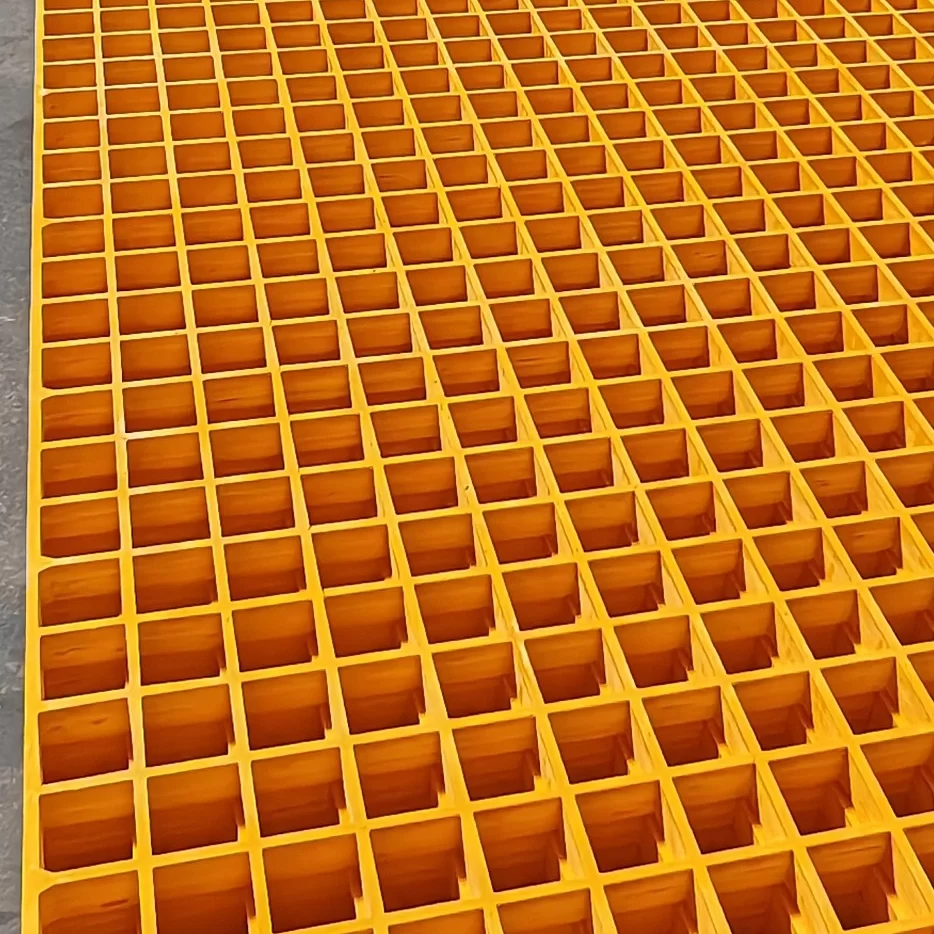
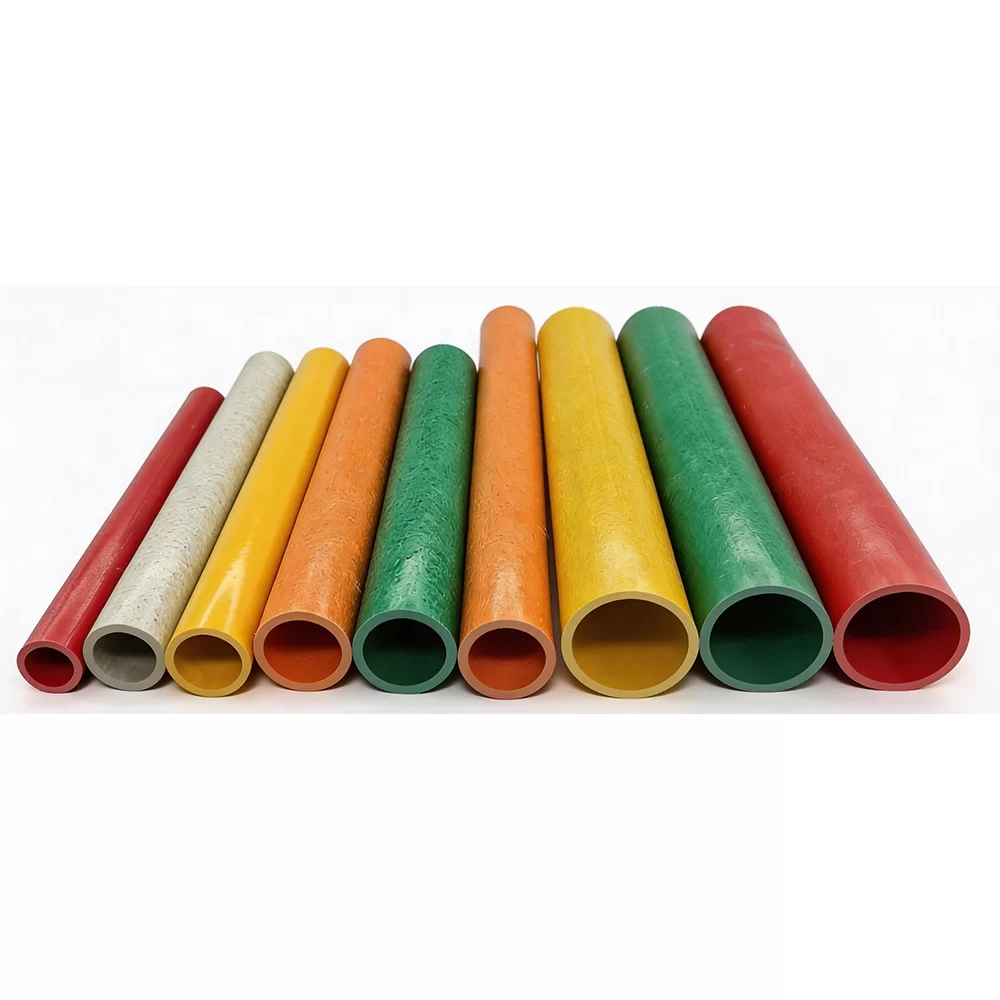
Our comprehensive range of FRP and GFRP products ensures structural longevity and operational efficiency in the most corrosive environments.
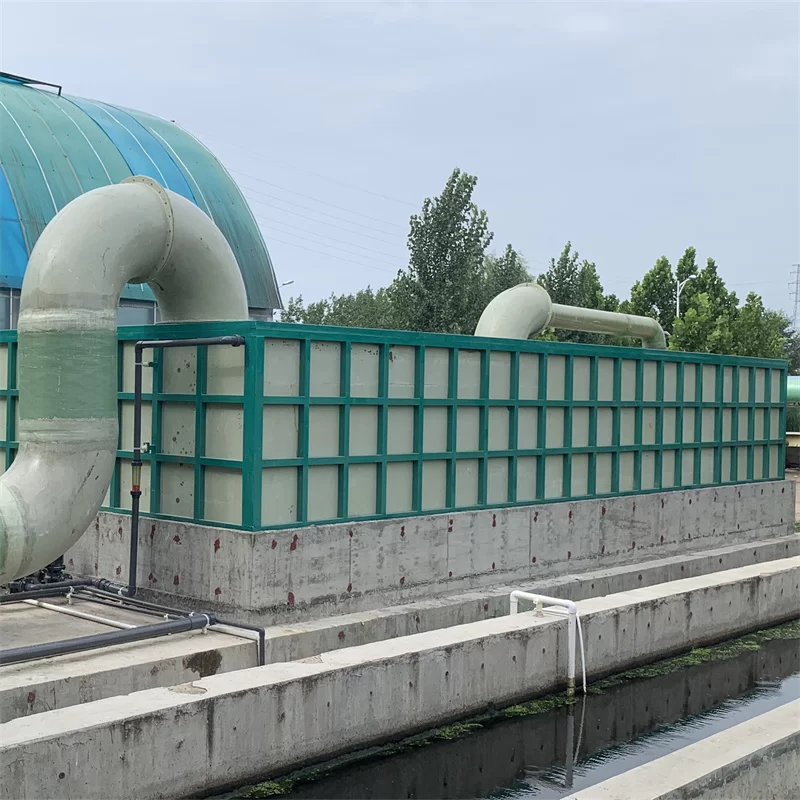


Addressing Corrosion and Structural Integrity in Tropical and Coastal Zones
Angola's unique geography, characterized by extensive coastlines and varied tropical humidity, presents severe corrosion challenges for traditional steel and concrete infrastructure. In industrial hubs and coastal cities, the high salinity and moisture accelerate the degradation of reinforced structures. This has led to an increasing demand for fiber glass rebar, which provides an inert alternative to steel, eliminating the risk of rust-induced spalling in critical civil engineering projects.
Beyond structural reinforcement, municipal waste management in expanding urban areas remains a priority. The installation of a fiberglass septic tank is becoming a preferred choice for residential and commercial developments due to the material's leak-proof nature and resistance to chemical erosion from wastewater. Compared to concrete tanks, composite alternatives offer faster installation times and significantly lower maintenance costs over a 20-year lifecycle.
As Angola continues to modernize its industrial zones and transport networks, there is a strategic shift toward lightweight yet high-strength materials. The adoption of composite solutions for safety barriers and industrial piping allows for reduced logistical overheads and increased durability. By integrating advanced polymer technologies, local projects can achieve higher safety standards and longer service intervals, effectively reducing the total cost of ownership for national infrastructure.
From Basic Reinforcement to High-Tech Carbon Fiber Applications
Focus on simple molded fiberglass shapes for basic industrial containers and non-structural components.
Introduction of automated pultrusion for GFRP rebar and filament winding for pressure vessels and pipes.
Integration of carbon fiber reinforcement for extreme load-bearing and aerospace-grade precision.
Driving Efficiency Through Material Innovation and Precision Engineering
Replacing traditional steel with GFRP in coastal bridges and piers to eliminate rust and extend service life by decades.
Utilizing carbon fiber composites to reduce dead load in high-rise reinforcements while increasing seismic resistance.
Advancing microcomputer-controlled winding and extrusion to ensure zero-defect consistency in pressure piping.
Combining GFRP tanks and piping into single-module pumping stations for rapid urban sanitation deployment.
The transition toward composite-centric engineering represents a fundamental change in how infrastructure is planned. By moving away from materials that require constant painting or chemical treatment, operators can shift budgets from reactive maintenance to proactive expansion.
In regions like Angola, where logistics can be challenging, the ease of transporting lightweight composite sections significantly reduces the carbon footprint and cost of project mobilization compared to heavy prefabricated concrete.
Real-World Applications of FRP and Carbon Fiber Composites
Using GFRP rebar in quay walls and jetties to withstand saltwater spray, preventing internal oxidation and extending the life of maritime terminals in Luanda and Lobito.
Deploying integrated fiberglass septic tank systems in new residential complexes to ensure leak-proof waste containment and groundwater protection.
Installing fiberglass guardrail mesh and FRP fences along national highways to provide high-visibility, weather-resistant safety boundaries.
Implementing filament-wound FRP storage tanks for the oil and gas sector to securely store corrosive chemicals without the risk of leaks or metallic contamination.
Applying carbon fiber reinforcement wraps to aging concrete bridge pillars, increasing load capacity and seismic resilience without adding significant bulk.
The Global Development Journey of Hebei Zhongtian Composite Materials Group Co., Ltd.
Hebei Zhongtian Composite Materials Group Co., Ltd. was established as a dedicated enterprise integrating design, production, and sales of fiberglass materials.
Equipped the facility with FW-4000 microcomputer controlled winding machines and BWFRP power pipe weaving equipment to scale production.
Successfully expanded into international markets, delivering large-scale GFRP and FRP solutions for environmental and municipal projects worldwide.
Achieved ISO9001:2000 quality system certification, environmental management certification, and occupational health and safety certification.
Expanded expertise into carbon fiber plates, protective covers, and high-strength CFGJ corrosion-resistant FRP sleeves.
Recognized as a leading large-scale production enterprise in Zaoqiang County, continuing contributions to global environmental protection.
From structural GFRP rebar to specialized carbon fiber reinforcement, explore our precision-engineered composite solutions.
Expert Guidance on Selection, Installation, and Material Performance
Partner with Hebei Zhongtian Composite Materials Group Co., Ltd. to implement high-durability, corrosion-resistant solutions tailored for Angola's industrial and municipal needs.
Request Technical Consultation