Composite Infrastructure Solutions for Belarus Industrial Growth

Composite Infrastructure Solutions for Belarus Industrial Growth

Integrating high-performance fiberglass products to solve corrosion and structural challenges in Belarus's diverse climatic and industrial zones.

Get Technical Specs

Advanced Composite Engineering Series

Industrial-grade fiberglass and carbon fiber reinforcements designed for extreme durability and chemical resistance.

Addressing Structural Longevity in Belarus's Industrial Landscape

How composite materials are replacing traditional steel and concrete in high-corrosion environments.

The industrial sector in Belarus, characterized by heavy machinery manufacturing and chemical processing, frequently faces the challenge of rapid material degradation. In regions with significant moisture and temperature fluctuations, traditional steel reinforcements often suffer from oxidation. This is where fiber glass rebar provides a critical advantage, offering an inert alternative that eliminates rust and significantly extends the lifecycle of civil engineering projects in local industrial parks.

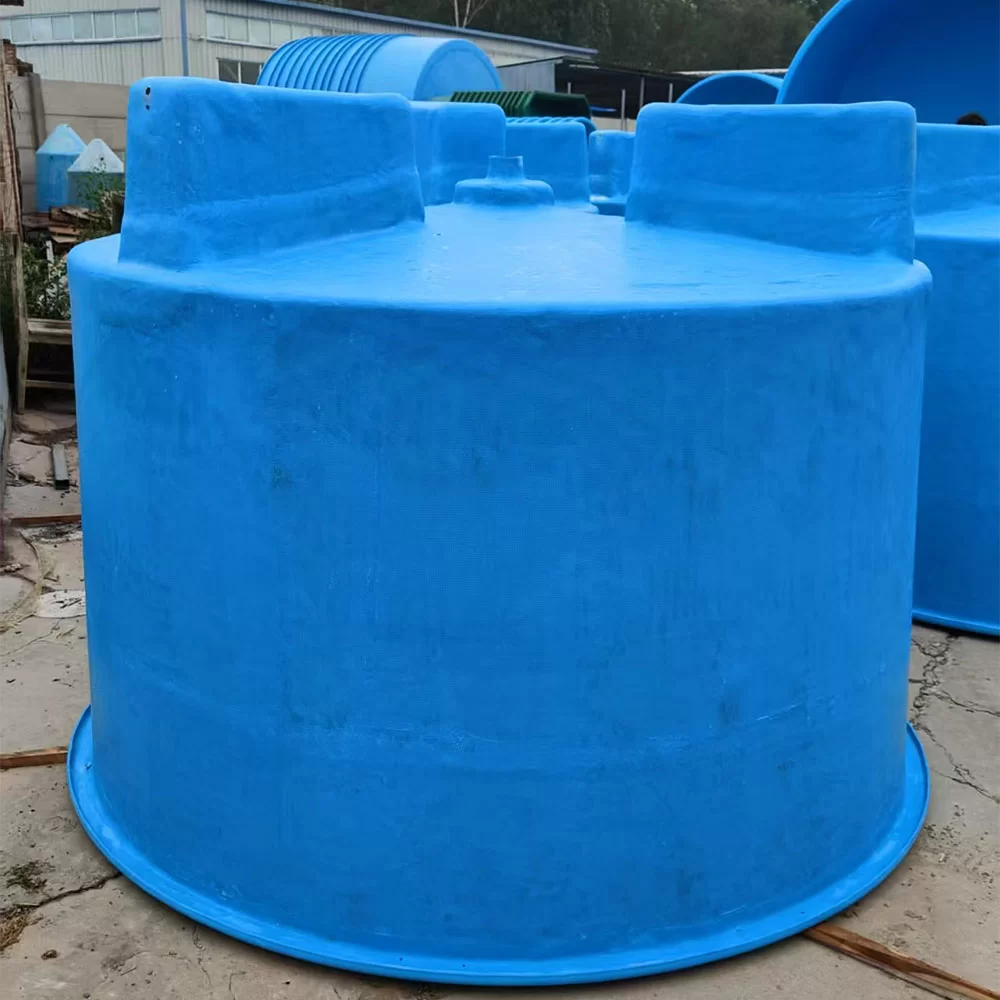
From a procurement perspective, there is a growing shift toward integrated waste management systems. The adoption of the fiberglass septic tank has become essential for rural and suburban infrastructure, as these units resist ground-acid corrosion and offer easier installation compared to heavy concrete alternatives. This transition reflects a broader regional trend toward utilizing lightweight, high-strength materials to reduce long-term maintenance costs.

Furthermore, the modernization of Belarus's transportation and safety infrastructure requires materials that can withstand mechanical stress without adding excessive weight. The implementation of fiberglass guardrail mesh is increasingly considered for specialized zoning and safety barriers, blending structural integrity with corrosion resistance. As local enterprises prioritize sustainability and operational efficiency, the integration of advanced composites is becoming a strategic necessity rather than an optional upgrade.

Evolution of Composite Application in Eastern Europe

Tracing the shift from basic fiberglass use to high-precision carbon reinforcements.

Technology Progress

2000-2010

Initial Adoption. Introduction of basic FRP gratings and simple molded fiberglass shapes for industrial flooring and chemical storage in regional factories.

2011-2018

Structural Expansion. Widespread use of filament-wound pipes and pultruded profiles for municipal water and sewage projects across various Belarusian provinces.

2019-Present

Advanced Reinforcement. Integration of carbon fiber reinforcement for precision structural strengthening and high-load industrial applications.

Market Shifts

  • Hybrid Material Systems

    Combining carbon and glass fibers to optimize the strength-to-weight ratio for specialized heavy-duty equipment.

  • Eco-Efficient Production

    Moving toward low-emission molding processes and recyclable composite resins to meet European environmental standards.

  • Modular Infrastructure

    Increasing demand for pre-fabricated FRP modules that allow for rapid deployment in remote infrastructure projects.

Future Outlook for Composite Manufacturing in Belarus

Strategic directions for enhancing industrial durability and operational efficiency.

Material Intelligence
Development of smart composites with embedded sensors for real-time structural health monitoring in bridges.
Corrosion Zero
Complete replacement of steel in wastewater treatment plants to eliminate oxidation and reduce maintenance.
Logistics Optimization
Utilizing lightweight FRP profiles to lower transportation costs and accelerate site assembly.
Circular Composites
Implementing advanced thermoplastic resins that allow for reprocessing and recycling at end-of-life.

From an industry evolution perspective, the next five years will likely see a transition toward precision-engineered composites tailored for specific chemical environments. We expect a rise in the use of high-strength GFRP in the energy sector, particularly for wind turbine components and offshore-style supports for inland industrial facilities, driven by the need for materials that can withstand Belarus's harsh winter freeze-thaw cycles.

Moreover, the regional supply chain is evolving toward a service-oriented model. Future success for composite providers will depend on their ability to offer full-lifecycle support, including design, onsite installation, and structural auditing. Local enterprises will increasingly seek partners who can integrate composite solutions into existing BIM (Building Information Modeling) workflows to ensure seamless architectural integration.

Practical Applications Across Belarusian Industries

Solving real-world engineering problems with specialized FRP solutions.

01
Chemical Plant Piping

In local industrial zones, FRP filament-wound pipes replace steel to handle aggressive acids, preventing leaks and ensuring worker safety in high-risk production lines.

02
Municipal Wastewater Management

Utilizing integrated sewage pumping stations and FRP deodorization tanks in urban centers to improve environmental quality and reduce soil contamination.

03
Agricultural Irrigation Systems

Deploying corrosion-resistant composite pipes in regional farming areas to ensure stable water delivery without the clogging or rust associated with metal piping.

04
Infrastructure Bridge Repair

Applying high-strength GFRP rebar for the rehabilitation of aging concrete bridges, providing a lightweight reinforcement that is immune to road salt corrosion.

05
Food Processing Facilities

Installing FRP gratings and cable trays in beverage and food plants to maintain sterile environments and resist frequent caustic cleaning agents.

Hebei Zhongtian Composite Materials Group Co., Ltd.

A legacy of precision manufacturing and industrial innovation in composites.

2008
Company Foundation

Established as a large-scale production enterprise integrating design, production, sales, and installation in Zaoqiang County, a hub for fiberglass innovation.

2010-2015
Technical Expansion

Implemented advanced machinery including FW-4000 microcomputer controlled winding machines and BWFRP power pipe weaving equipment to scale production.

2016
Certification Milestone

Successfully achieved ISO9001:2000 quality system certification, along with environmental and occupational health and safety management certifications.

Present
Global Project Delivery

Supplying high-performance GFRP and carbon fiber solutions for international large-scale environmental and municipal improvement projects.

Industrial Composite Technical FAQ

Professional answers to common procurement and engineering questions.

How does fiber glass rebar perform in Belarus's extreme winter temperature cycles?

Unlike steel, which can become brittle or corrode rapidly due to road salt during winter, GFRP rebar maintains structural stability and is completely immune to chemical oxidation, making it ideal for Belarusian frost-thaw environments.

What are the main advantages of a fiberglass septic tank over concrete for rural installations?

Fiberglass tanks are significantly lighter, reducing transportation and excavation costs. They offer superior leak prevention and are resistant to acidic soil conditions commonly found in various Belarus regions.

In which scenarios is carbon fiber reinforcement preferred over standard fiberglass?

Carbon fiber is selected for projects requiring maximum stiffness and ultra-high tensile strength with minimum thickness, such as precision structural strengthening of industrial beams or aerospace-grade components.

Can fiberglass guardrail mesh be integrated into existing safety protocols?

Yes, it is designed for high-impact resistance and longevity. It is particularly effective in chemical plants where traditional metal guards would degrade, providing a maintenance-free safety barrier.

What quality certifications ensure the reliability of these composite products?

Our products are manufactured under a system that passed ISO9001:2000 quality certification, ensuring consistent material properties and adherence to international engineering standards.

How should FRP pipes be handled during transport to remote Belarus sites?

Due to their lightweight nature, FRP pipes are easier to transport than concrete. However, they should be secured against abrasion and supported longitudinally to prevent deformation during long-haul transit.

Upgrade Your Industrial Infrastructure

Partner with a certified composite expert for durable, corrosion-free solutions tailored for the unique industrial requirements of Belarus.

Contact Experts

If you are interested in our products, you can choose to leave your information here, and we will be in touch with you shortly.