Brazil presents a dynamic market for fiberglass products, driven by its extensive infrastructure projects, growing construction sector, and agricultural demands. However, the industry faces challenges such as import competition, fluctuating raw material costs, and logistical complexities due to the country’s vast size. The tropical climate, with high humidity and intense UV radiation, also necessitates high-performance materials that can withstand degradation.
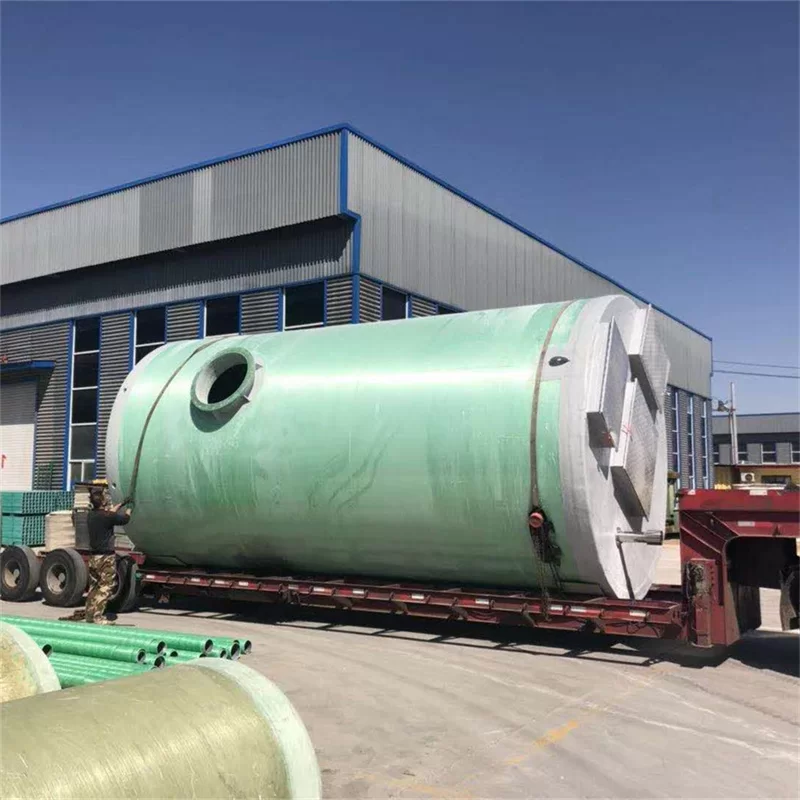
The demand for corrosion-resistant materials is particularly strong in coastal regions and industrial areas where exposure to saltwater and harsh chemicals is prevalent. Furthermore, increasing environmental awareness is fueling demand for sustainable materials like fiberglass septic tank systems, offering eco-friendly alternatives to traditional concrete solutions. Economic instability and currency fluctuations can also significantly impact project feasibility and material sourcing.
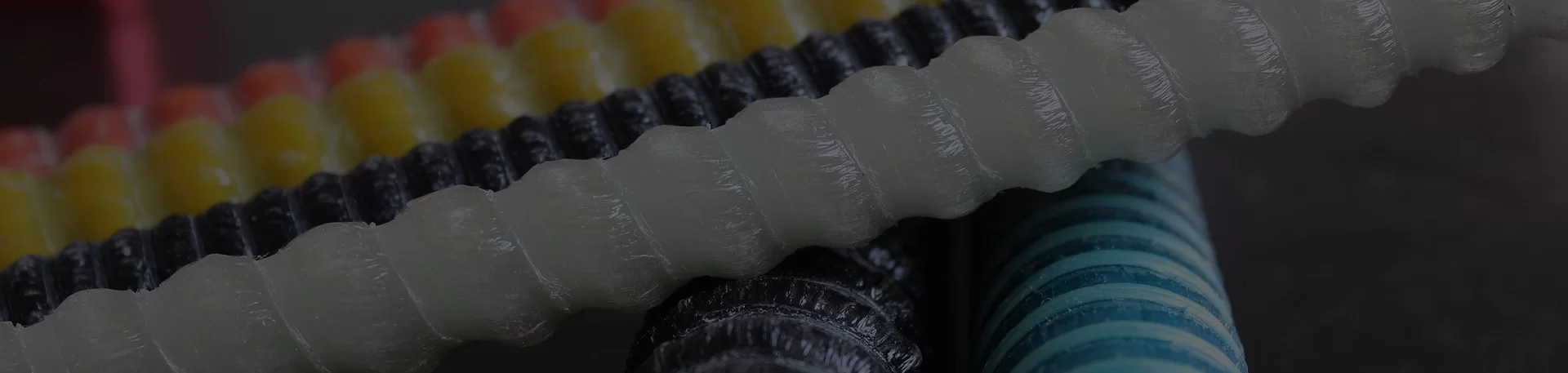
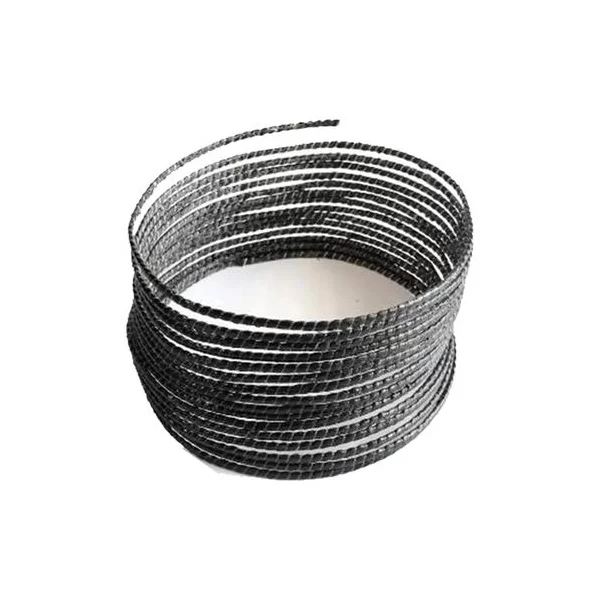
Brazilian regulations regarding material standards and environmental protection are becoming stricter, demanding manufacturers to adhere to international quality certifications and implement responsible manufacturing practices. This presents an opportunity for companies offering high-quality, certified fiber glass rebar and other fiberglass components to gain a competitive advantage. The agricultural sector's reliance on irrigation and water management systems also drives demand for durable and lightweight fiberglass solutions.