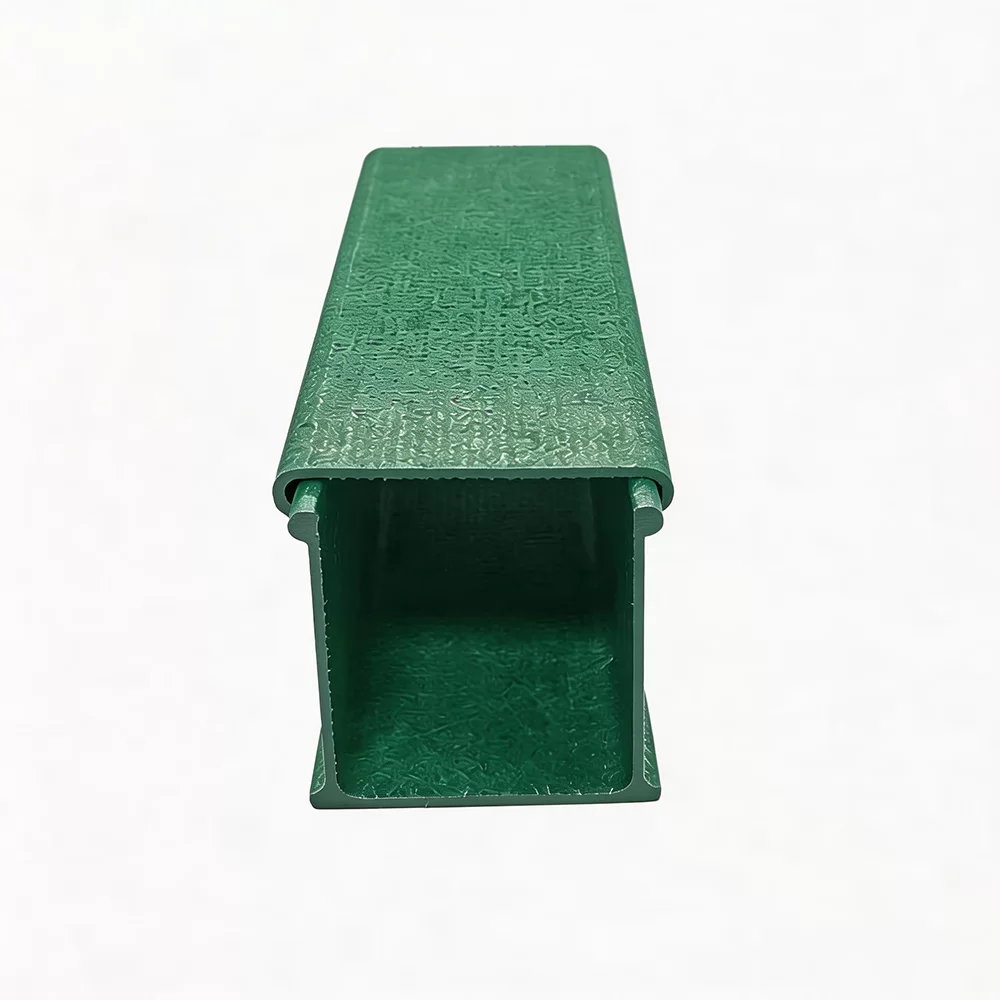
HighPerformance Fiberglass Products for Cambodias Infrastructure

High-Performance Fiberglass Products for Cambodia's Infrastructure

Sustainable composite solutions including fiberglass septic tanks and GFRP rebar designed to withstand Cambodia's tropical climate and soil conditions.

Composite Material Demand in Cambodia

Analyzing the transition from conventional building materials to FRP composites in Southeast Asia.

The Cambodian construction sector is increasingly facing challenges related to material longevity, particularly in coastal areas and flood-prone provinces. The high humidity and saline soil accelerate the corrosion of traditional steel reinforcement, leading to structural degradation in residential and municipal projects.

Local procurement patterns show a growing shift toward materials that require lower maintenance. Engineers are now prioritizing fiber glass rebar for foundation work and wastewater systems to ensure a longer lifecycle without the need for frequent anti-corrosion treatments.

A critical pain point for Cambodian developers is the instability of sewage infrastructure. The frequent saturation of soil makes conventional concrete tanks prone to cracking and leaking, creating an urgent need for lightweight, leak-proof, and chemical-resistant fiberglass septic tank installations.
Evolution of Fiberglass Applications

The trajectory of composite adoption from simple molding to complex structural reinforcement.

Technological Milestones

2008 — FOUNDATION & INTEGRATION
Hebei Zhongtian Composite Materials Group Co., Ltd. was established, integrating design, production, and installation with a focus on large-scale FRP manufacturing.

2016 — QUALITY SYSTEM STANDARDIZATION
Achieved ISO9001:2000 quality system certification and environmental management certification, enabling the company to meet rigorous international project standards.

PRESENT — GLOBAL INFRASTRUCTURE DELIVERY
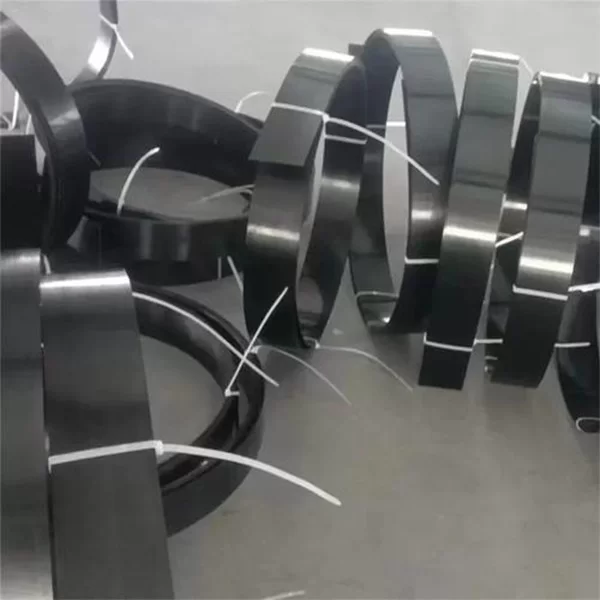
Deployment of high-strength carbon fiber reinforcement and GFRP solutions for municipal environmental improvement and water diversion projects worldwide.

Future Trends

1. Smart-Grid Composite Integration

Integration of conductive sensors within FRP cable trays and profiles to monitor structural health in real-time for urban infrastructure.

2. Eco-Friendly Resin Systems

Shift toward bio-based resins to reduce the carbon footprint of pultruded profiles while maintaining high chemical resistance.

3. High-Modulus Carbon Hybrids

The rise of hybrid GFRP-CFRP materials to provide the extreme strength of carbon fiber with the cost-efficiency of glass fiber.

FRP Industry Forward-Look

Strategic directions for composite materials in the modern industrial landscape.

⚡
Precision Pultrusion
Advanced extrusion and molding equipment for tighter tolerances in structural profiles.
🤖
Automated Winding
Use of microcomputer controlled winding machines for high-pressure filament-wound pipes.
💳
Lifecycle ROI
Moving from initial purchase price to total cost of ownership through zero-corrosion.
🌱
Environmental Stewardship
Supporting municipal sewage and water diversion projects with non-leaching materials.

Regional Outlook for Cambodia

Over the next 3-5 years, Cambodia's infrastructure development will likely see a surge in GFRP adoption for wastewater treatment plants and coastal bridge reinforcements. The combination of rapid urbanization and a challenging tropical climate makes the transition to non-metallic mineral products a strategic necessity.

While the initial shift requires technical training for local contractors, the reduction in long-term maintenance costs and the increase in structural reliability provide a compelling business case for using advanced composites from established manufacturers.

Practical Application Scenarios

Real-world deployment of FRP solutions across various Cambodian sectors.

01

Municipal Wastewater Management

In urban centers like Phnom Penh, the installation of a fiberglass septic tank prevents soil contamination and withstands fluctuating water tables better than concrete.

02

Industrial Chemical Storage

Factories requiring corrosive liquid storage utilize FRP filament-wound storage tanks and process piping to prevent leaks and ensure worker safety in industrial zones.

03

Coastal Infrastructure Defense

Using fiberglass guardrail mesh and GFRP rebar in seaside piers to eliminate salt-spray corrosion that typically destroys steel reinforcement.

04

Agricultural Water Systems

Implementation of FRP fish ponds and ventilation ducts for aquaculture farms, providing a hygienic, non-corrosive environment for high-yield fish farming.

05

Urban Cable Management

Deployment of FRP cable trays in new commercial developments to provide electrical insulation and fire retardancy while resisting humidity.

Our Manufacturing Legacy

A commitment to composite excellence through integrated design and large-scale production.

2008 — ENTERPRISE FOUNDATION

Hebei Zhongtian Composite Materials Group Co., Ltd. was founded as a large-scale production enterprise integrating design, production, sales, and installation.

FACILITY EXPANSION

Established strategic operations in the Economic Development Zone of Zaoqiang County, optimizing logistics via the Daguang Expressway and Beijing Kowloon Railway.

TECHNOLOGY UPGRADE

Implementation of FW-4000 microcomputer controlled winding machines and BWFRP power pipe weaving equipment for precision manufacturing.

2016 — ISO CERTIFICATION

Successfully passed ISO9001:2000 quality system certification, environmental management certification, and occupational health and safety management certification.

INFRASTRUCTURE IMPACT

Contributed significantly to the South to North Water Diversion Project and various municipal environmental improvement initiatives globally.

Cambodia FRP Implementation FAQ

Technical and commercial answers for engineers and procurement officers.

How does the cost of GFRP rebar compare to traditional steel in Cambodia?

While the initial material cost can differ, GFRP rebar provides a lower total lifecycle cost by eliminating the need for expensive epoxy coatings and preventing corrosion-induced structural repairs in humid Cambodian environments.

What are the installation requirements for a fiberglass septic tank?

Installation involves excavating a level pit and properly bedding the tank with sand or gravel to ensure uniform support. Because FRP is lightweight, it requires fewer heavy lifting resources during deployment compared to concrete.

Does carbon fiber reinforcement require specialized maintenance?

No, carbon fiber reinforcement is inherently corrosion-resistant and does not require painting or coating. Maintenance is primarily focused on inspecting the bonding interface during routine structural audits.

Which FRP product is best for coastal guardrails in Cambodia?

Fiberglass guardrail mesh is the ideal choice due to its high strength-to-weight ratio and complete immunity to saltwater corrosion, making it superior to galvanized steel in coastal regions.

What is the load-bearing capacity of pultruded FRP profiles?

Capacity depends on the fiber volume fraction and profile geometry. Our pultrusion equipment ensures consistent density, allowing these profiles to replace structural steel in many non-load-bearing and semi-structural applications.

Are these composite products compliant with international environmental standards?

Yes, our manufacturing processes are backed by environmental management system certification, ensuring that the production of our FRP products adheres to strict pollution control and safety standards.

Request Technical Consultation for Cambodia Projects

Connect with our engineering team to obtain detailed quotations, application assessments, and technical guidance for your infrastructure needs in Asia - Cambodia.

Contact Our Experts

If you are interested in our products, you can choose to leave your information here, and we will be in touch with you shortly.