From corrosion-resistant storage to reinforced structural elements, our composites solve the challenges of high-humidity and remote deployment.


Overcoming the limitations of traditional steel and concrete in regional construction.
In the Central African Republic, infrastructure projects often struggle with rapid material degradation due to high tropical humidity and acidic soil conditions. Traditional steel reinforcement is prone to oxidation, leading to structural failures in bridges and municipal buildings. This creates a critical demand for fiber glass rebar, which provides an inert alternative that does not rust, significantly extending the lifespan of concrete structures.
Furthermore, the logistics of transporting heavy materials to remote interior regions make lightweight, high-strength composites a strategic choice. The shift toward prefabricated fiberglass products reduces on-site labor requirements and minimizes transport costs, allowing for faster deployment of essential services like water management and sanitation.
For procurement managers in CAR, this means moving away from high-maintenance materials toward "install-and-forget" solutions. By integrating composites, projects can reduce long-term maintenance budgets and ensure that critical infrastructure remains operational despite harsh environmental stressors.
How material science is transforming regional construction standards.
Initial use of simple fiberglass gratings and pipes for chemical resistance in small-scale industrial sites.
Integration of GFRP rebar in civil engineering to combat soil alkalinity and moisture penetration.
Deployment of complex systems like integrated fiberglass septic tank units for sustainable sanitation.
Increased preference for non-metallic reinforcements to avoid the "concrete cancer" caused by rusting steel in humid climates.
Shift toward prefabricated composite tanks and pipes to accelerate the rollout of potable water systems in rural areas.
Adoption of carbon fiber reinforcement for the rehabilitation of aging colonial-era bridges and supports.
Anticipating the evolution of material needs in the CAR region.
Reducing the carbon footprint of construction through longer-lasting materials that require fewer replacements.
Increasing use of lightweight composite profiles to simplify transport across difficult terrains.
Combining GFRP and carbon fiber for specialized high-load structural supports in industrial zones.
Standardization of composite kits for immediate deployment in emergency infrastructure repair.
The future of construction in the Central African Republic will likely move toward a hybrid material approach. As urban centers expand, the integration of fiberglass guardrail mesh and other protective composites will become essential for safety and longevity in public works.
Decision-makers should prioritize suppliers capable of providing integrated technical support, ensuring that composite materials are installed according to engineering standards to maximize their theoretical lifespan.
Real-world problem solving using composite technology.
In areas with poor soil drainage, traditional concrete tanks leak and crack. Implementing a fiberglass septic tank provides a leak-proof, corrosion-resistant solution that prevents groundwater contamination.
Existing bridges suffering from rebar corrosion can be strengthened using carbon fiber reinforcement wraps, extending service life without the need for complete demolition.
For structures built in swampy or high-water-table regions, using GFRP rebar instead of steel ensures the foundation remains intact despite constant moisture exposure.
Mining and manufacturing sites requiring durable partitioning can use fiberglass guardrail mesh to create non-conductive, weather-resistant safety barriers.
City councils can replace aging metal water tanks with filament-wound FRP tanks to eliminate rust-related water contamination and reduce maintenance costs.
A history of engineering excellence and technical innovation.
Hebei Zhongtian Composite Materials Group Co., Ltd. was founded as a large-scale production enterprise integrating design, production, sales, and installation.
The company expanded its production capabilities with microcomputer controlled winding machines and extrusion equipment, focusing on GFRP rebar and FRP piping systems.
Successfully passed ISO9001:2000 quality system certification, environmental management system certification, and occupational health and safety management system certification.
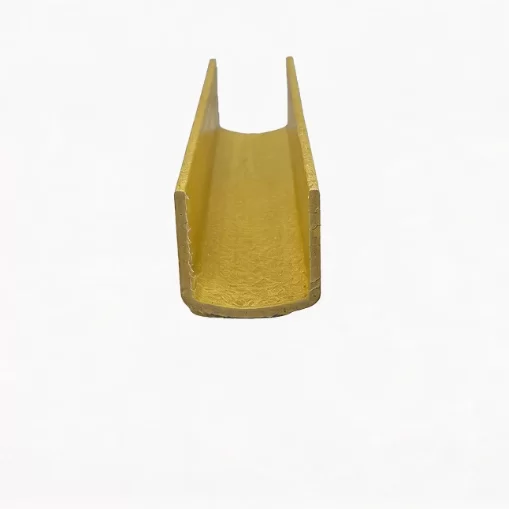
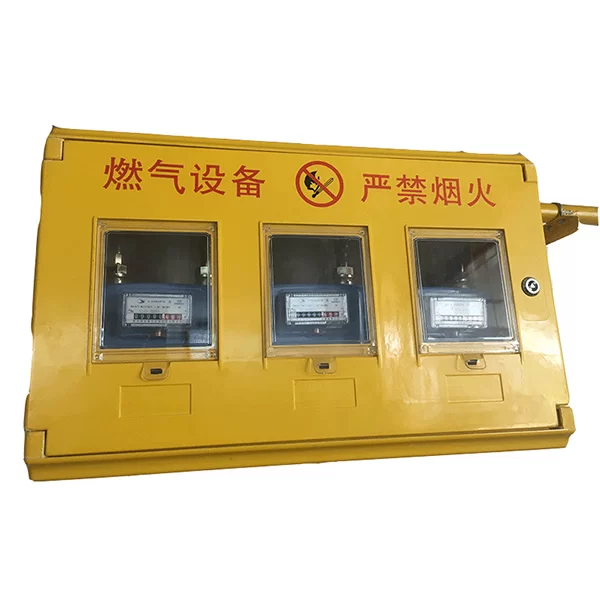
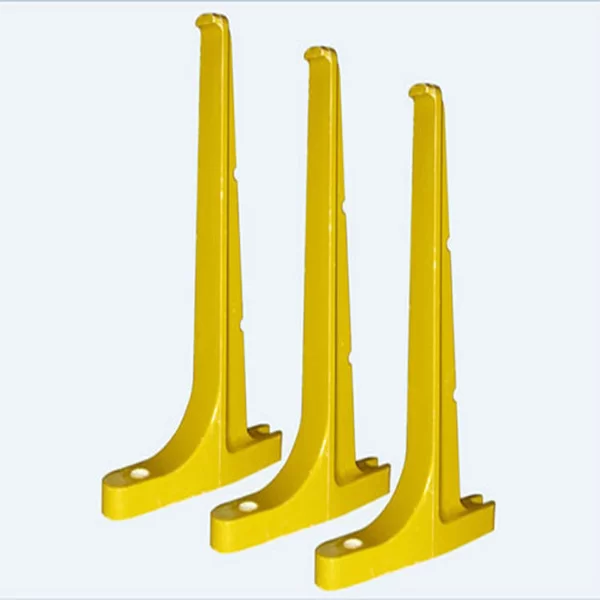
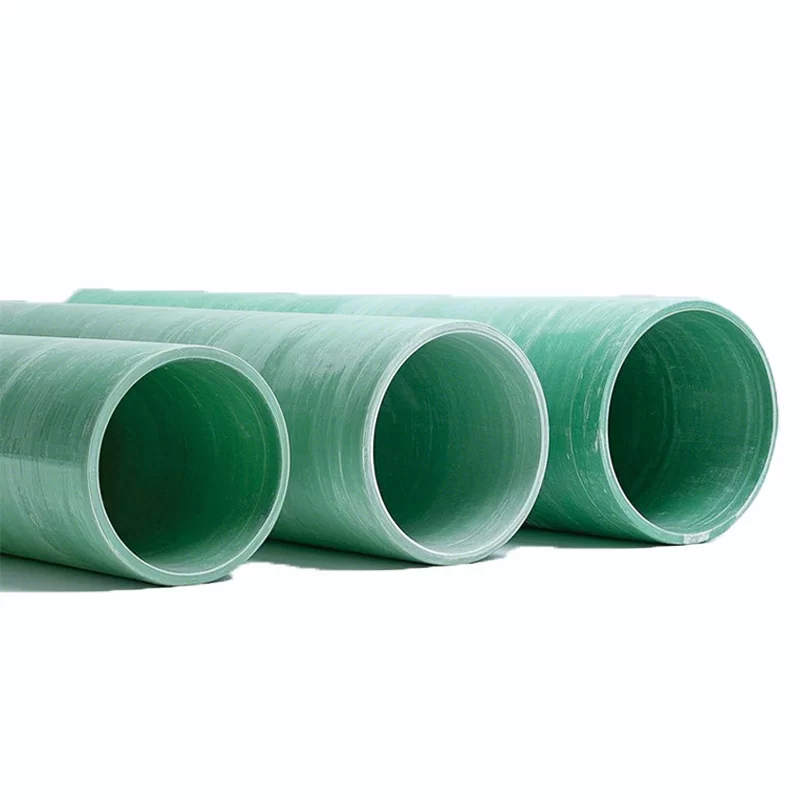
Specialized FRP components designed for extreme industrial and municipal applications.
Technical and commercial guidance for CAR buyers.
Discuss your specific project requirements in Africa - Central African Republic with our technical team to find the most durable composite solution for your industry.
Discuss Your Requirements