Fiberglass Septic Tank Solutions for Europe Russia

Fiberglass Septic Tank Solutions for Europe - Russia

Delivering durable and cost-effective fiberglass solutions for infrastructure and industrial applications.

Fiberglass Septic Tank Solutions for Europe - Russia

Offering a comprehensive range of fiberglass products tailored to meet the demands of the European and Russian markets.

Current State of Fiberglass Products in Europe - Russia

Analyzing the market conditions and demands for fiberglass reinforced plastic (FRP) products.

The fiberglass products market in Europe and Russia is currently experiencing steady growth, driven by increasing demand from the construction, automotive, and chemical industries. Russia, in particular, is seeing investment in infrastructure projects requiring durable and corrosion-resistant materials. Demand for fiberglass products is consistently high.

Europe's focus on sustainability and lightweight materials is pushing innovation in fiberglass septic tank technology. Stringent environmental regulations are also fostering the adoption of FRP solutions that minimize environmental impact. The cold climate in much of Russia necessitates robust materials, making fiberglass a popular choice.

Economic fluctuations and geopolitical factors can influence market stability. Local manufacturers are facing competition from imported products, especially from Asia. However, the quality and performance benefits of domestically produced fiber glass rebar are increasingly recognized by consumers.
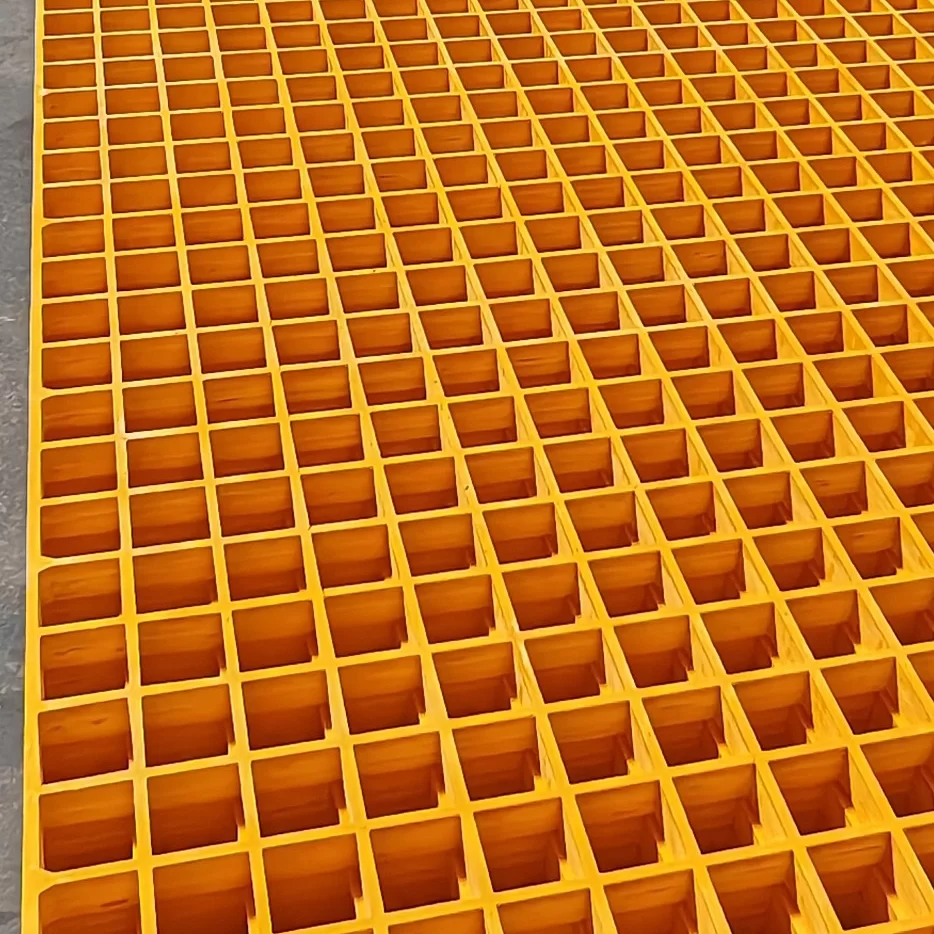
Evolution of Fiberglass Reinforced Plastics in Europe - Russia

Tracing the development of FRP technologies from traditional methods to modern innovations.

Market Development History

The early adoption of fiberglass in the 1950s focused on basic applications like boat hulls. In the 1970s and 80s, advancements in resin technology led to improved strength and durability, expanding its use to construction and automotive industries. Carbon fiber reinforcement was then a premium option.

The 1990s saw the rise of pultrusion and resin transfer molding (RTM) processes, enabling the production of complex shapes with high precision. Russia, during its post-Soviet reconstruction, began to adopt these technologies for infrastructure repairs. Fiberglass guardrail mesh began to gain popularity for safety applications.

The 21st century has witnessed a surge in demand for high-performance composites, driven by the need for lightweight, corrosion-resistant, and sustainable materials. The development of bio-based resins and recycled fiberglass is gaining momentum in Europe.

Future Development Trends

Advanced Resin Systems

The development of novel resin systems with enhanced mechanical properties, temperature resistance, and chemical compatibility will be a key trend. Expect increased use of epoxy vinyl ester and advanced polyester resins.

Automation & Manufacturing Processes

Increased automation in manufacturing processes, including robotic fiber placement and automated pultrusion, will improve efficiency and reduce production costs.

Sustainable Composites

Growing demand for eco-friendly materials will drive the development of bio-based resins, recycled fiberglass, and biodegradable composites.

Industry Trends & Future Outlook for Fiberglass in Europe - Russia

Exploring emerging trends and forecasting the future of the FRP market.

Increasing Infrastructure Investments
Ongoing infrastructure projects in Russia and modernization efforts in Europe will drive demand for durable FRP materials in bridges, tunnels, and pipelines.
Demand for Lightweight Materials
The automotive and aerospace industries are increasingly adopting fiberglass composites to reduce weight and improve fuel efficiency.
Growth in Renewable Energy
Fiberglass composites are crucial components in wind turbine blades and other renewable energy infrastructure.
Focus on Corrosion Resistance
Fiberglass’s inherent resistance to corrosion makes it ideal for harsh environments, such as chemical processing plants and marine applications.

Industry Outlook

The European and Russian fiberglass market is projected to grow at a CAGR of 4-6% over the next five years. Factors driving this growth include increasing demand from end-use industries, technological advancements, and government initiatives promoting sustainable infrastructure.

The Russian market, while subject to economic volatility, presents significant opportunities for FRP manufacturers, particularly in infrastructure and transportation. European markets will continue to prioritize innovation and sustainability, leading to the development of advanced composite materials.

Localized Application Scenarios in Europe - Russia

Exploring specific applications of fiberglass products tailored to the unique needs of the region.

1. Arctic Pipeline Protection

Fiberglass reinforced polymers (FRP) are used extensively to protect pipelines in Siberia and northern Russia from extreme cold and corrosion. Their high strength-to-weight ratio and insulation properties make them ideal for these harsh environments.

2. Baltic Sea Marine Infrastructure

Fiberglass composites are used in the construction of docks, jetties, and other marine structures in the Baltic Sea, providing resistance to saltwater corrosion and ice damage.

3. European Agricultural Wastewater Treatment

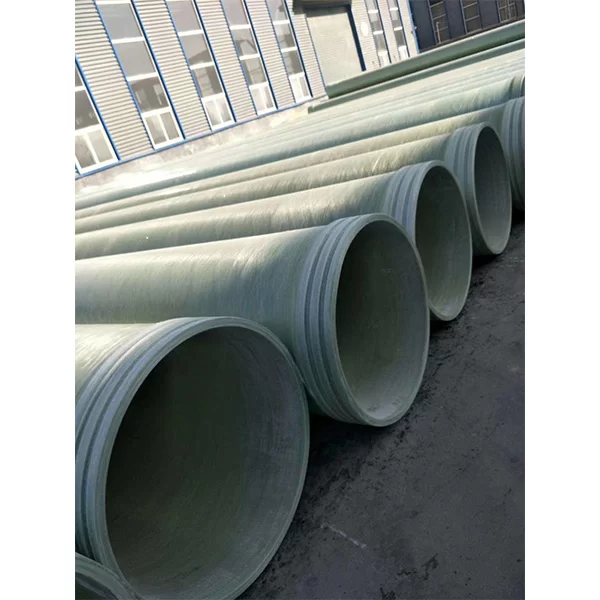
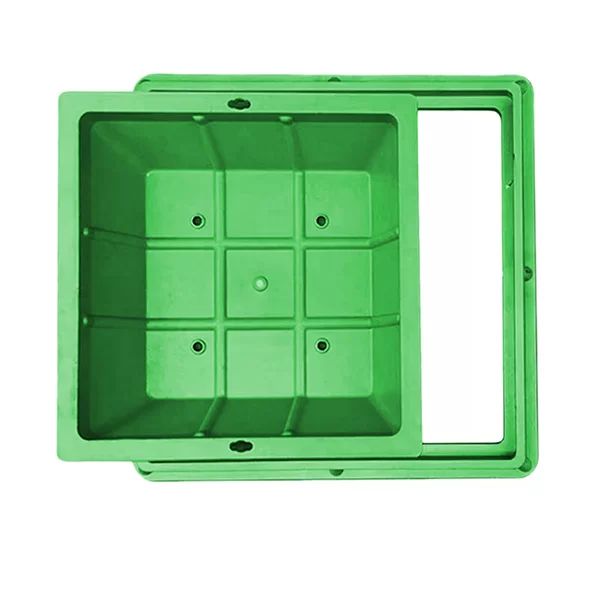
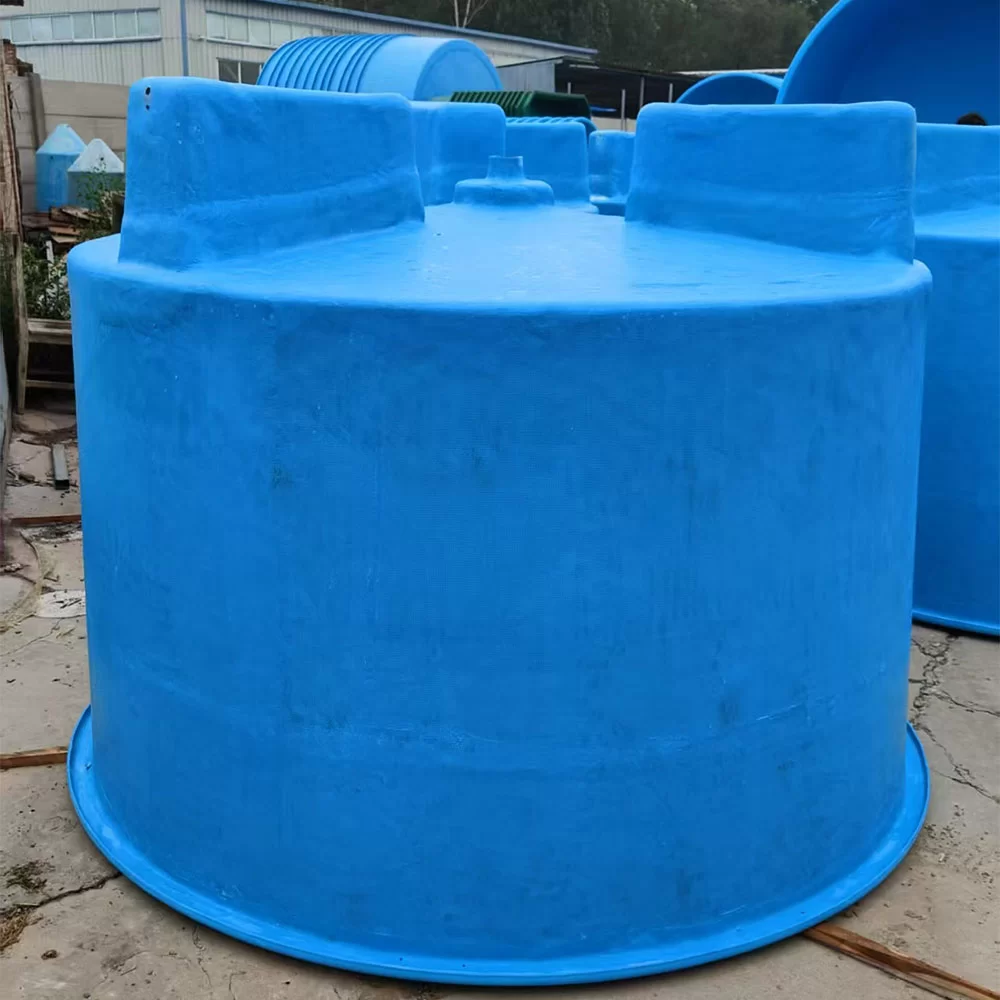
Fiberglass septic tank systems are becoming increasingly popular in rural areas of Europe due to their durability, low maintenance, and environmental benefits.

4. Railway Infrastructure in Russia

Fiberglass fiberglass guardrail mesh and rebar are used in railway construction and repair projects throughout Russia, providing increased safety and longevity compared to traditional materials.

Brand Story

Hebei Zhongtian Composite Material Group Co., Ltd.’s global development journey

Pioneering Composite Solutions

Founded in 2005, Hebei Zhongtian Composite Material Group Co., Ltd. began with a vision to revolutionize infrastructure with durable, sustainable, and cost-effective composite materials.

Commitment to Innovation

We continuously invest in research and development, collaborating with leading universities and research institutions to push the boundaries of composite technology.

Expanding Global Reach

Over the past decade, we’ve expanded our reach to serve clients across Europe, Russia, and beyond, building a reputation for quality and reliability.

Sustainability Focus

We are committed to environmentally responsible manufacturing practices, including the use of recycled materials and the development of bio-based composites.

Customer-Centric Approach

Our dedicated team provides customized solutions and technical support to meet the unique needs of each client, ensuring long-term success.

Comprehensive Product Portfolio for the Region

Offering a diverse range of fiberglass products to meet the evolving demands of the European and Russian markets.

Frequently Asked Questions – Localized for Europe - Russia

Addressing common inquiries about our products and services in the region.

What is the lifespan of a fiberglass septic tank in a cold climate like Siberia?

Fiberglass septic tanks installed in Siberian climates can have a lifespan of 50+ years due to their resistance to freezing, thawing, and corrosion. Proper installation and maintenance are crucial for maximizing longevity.

How does fiberglass rebar perform compared to steel rebar in coastal environments in the Baltic Sea?

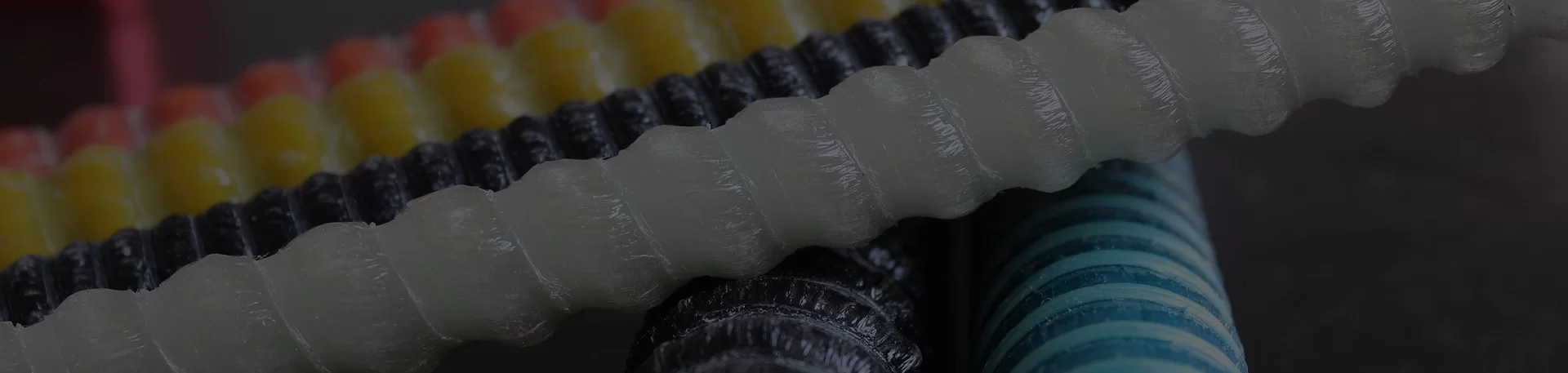
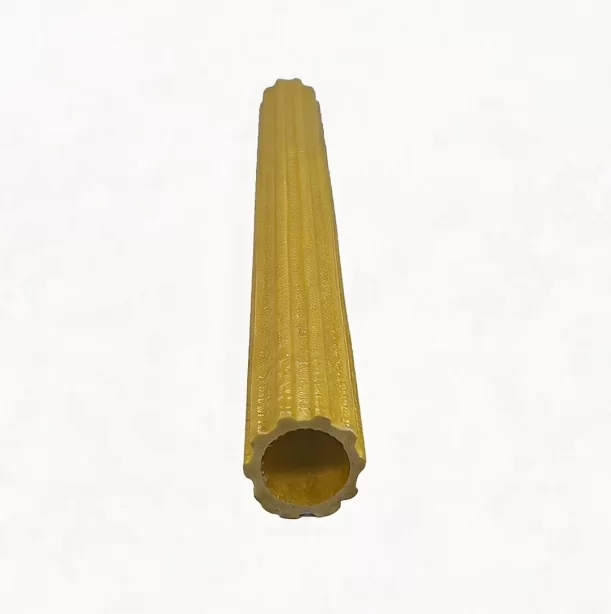
Fiberglass rebar is significantly more resistant to corrosion from saltwater compared to steel rebar, making it an ideal choice for coastal construction projects in the Baltic Sea. This results in reduced maintenance costs and extended structural lifespan.

What are the environmental benefits of using fiberglass composites in construction projects?

Fiberglass composites are lightweight, reducing transportation costs and carbon emissions. They also require less maintenance, minimizing the need for replacement and reducing waste. Additionally, many fiberglass products can be manufactured using recycled materials.

Can fiberglass guardrail mesh withstand extreme temperature fluctuations?

Yes, fiberglass guardrail mesh is designed to withstand a wide range of temperatures without significant degradation. Its high tensile strength and flexibility ensure it maintains its structural integrity even in extreme weather conditions.

What is the typical lead time for custom fiberglass product orders in Europe?

Lead times for custom fiberglass product orders typically range from 4-8 weeks, depending on the complexity of the design and the volume of the order. We provide detailed delivery schedules upon order confirmation.

How does carbon fiber reinforcement enhance the performance of fiberglass composites?

Adding carbon fiber reinforcement to fiberglass composites significantly increases their strength, stiffness, and fatigue resistance, making them suitable for demanding applications.

Get in Touch – Your Fiberglass Solutions Partner in Europe - Russia

We are dedicated to providing high-quality fiberglass products and exceptional service to clients across Europe and Russia.

Contact Us Now

If you are interested in our products, you can choose to leave your information here, and we will be in touch with you shortly.