Fiberglass Septic Tank Solutions for Indonesia

Fiberglass Septic Tank Solutions for Indonesia

Delivering Durable and Cost-Effective Composite Solutions Across the Indonesian Archipelago.

Fiberglass Septic Tank Solutions for Indonesia

Providing innovative fiberglass septic tank solutions tailored for the unique environmental and infrastructural needs of Indonesia.

Current State of Fiberglass Products in Indonesia

Analyzing the market dynamics and challenges facing the fiberglass industry in Indonesia.

Indonesia, as an archipelago nation, faces unique infrastructure challenges related to sanitation and waste management. Traditional septic systems often struggle with corrosion and limited lifespan in the humid tropical climate. The demand for durable, lightweight, and corrosion-resistant materials like fiberglass products is steadily increasing.

The construction sector in Indonesia is experiencing significant growth, fueled by infrastructure development projects and increasing urbanization. This growth is driving demand for fiberglass septic tank solutions due to their ease of installation, reduced transportation costs, and environmental benefits. Local regulations surrounding wastewater treatment are also becoming more stringent, further boosting the need for advanced solutions.

However, the market also faces challenges, including price sensitivity, competition from traditional materials, and the need for skilled labor to handle composite materials effectively. The availability of raw materials and supply chain logistics also play a crucial role in the industry's growth.
Evolution of Fiberglass Technology in Indonesia

Tracing the advancements in fiberglass reinforced plastics and their application in the Indonesian market.

Market Development History

The introduction of fiberglass products in Indonesia dates back to the 1980s, initially focused on boat building and automotive parts. Early adoption was limited due to high costs and a lack of local manufacturing capabilities. The 1990s saw a gradual increase in the use of fiberglass in construction, particularly for roofing and water tanks.

The 2000s marked a turning point with the establishment of more local manufacturing facilities and the introduction of advanced resin systems. This led to a significant reduction in costs and an expansion of applications into areas like fiber glass rebar, pipes, and septic tanks.

The last decade (2010s-present) has witnessed a surge in demand for high-performance composites driven by the need for sustainable infrastructure solutions. The growing awareness of environmental concerns and the push for innovative materials are accelerating the adoption of carbon fiber reinforcement in specialized applications.

Future Development Trends

Enhanced Resin Technology

Future innovations will center on advanced resin formulations that offer improved strength, chemical resistance, and UV protection. Bio-based resins and recycled fiberglass will gain prominence, aligning with sustainability goals.

Automated Manufacturing Processes

Automation technologies like robotic fiber placement and pultrusion will enhance production efficiency, reduce labor costs, and improve product quality.

Smart Composites Integration

Integrating sensors and data analytics into fiberglass guardrail mesh and other composite structures will enable real-time monitoring of structural health and performance.

Industry Trends and Future Outlook for Fiberglass in Indonesia

A forward-looking assessment of the opportunities and challenges facing the Indonesian fiberglass industry.

Growing Demand for Sustainable Solutions
Indonesia’s commitment to environmental sustainability will drive demand for eco-friendly composite materials and manufacturing processes.
Infrastructure Development Boost
Continued investment in infrastructure projects, particularly in transportation, water management, and sanitation, will fuel growth in the fiberglass sector.
Technological Advancements
The adoption of advanced manufacturing techniques and materials, such as nanotechnology and 3D printing, will enhance the performance and versatility of fiberglass composites.
Increased Local Production Capacity
A growing number of local manufacturers will reduce reliance on imports and improve supply chain resilience.

Industry Outlook

The Indonesian fiberglass industry is poised for continued growth in the coming years, driven by strong demand from various sectors. The market is expected to expand at a compound annual growth rate (CAGR) of 8-10% between 2024 and 2029.

However, challenges remain, including the need for skilled labor, access to affordable raw materials, and overcoming competition from established players in other Asian countries. Companies that invest in innovation, sustainability, and local partnerships will be best positioned to succeed.

Local Application Scenarios for Fiberglass Products in Indonesia

Exploring practical applications of fiberglass composites in addressing specific Indonesian needs.

1. Coastal Protection Structures

Indonesia’s extensive coastline is vulnerable to erosion and rising sea levels. Fiberglass reinforced polymer (FRP) seawalls and breakwaters offer a durable, lightweight, and corrosion-resistant alternative to traditional concrete structures.

2. Rural Sanitation Solutions

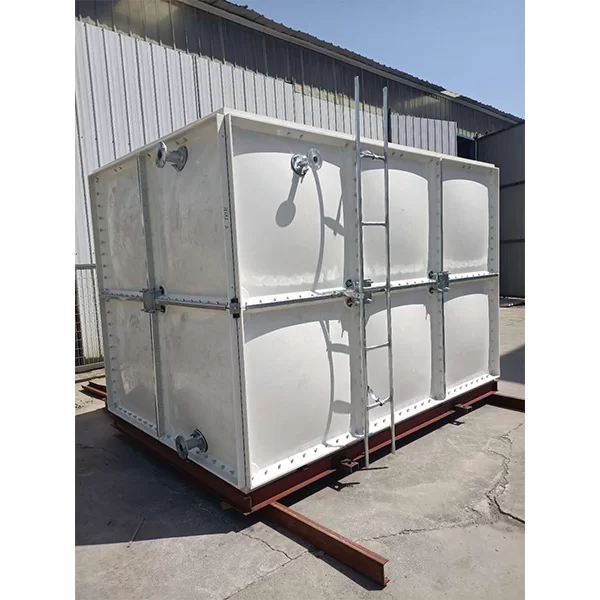
Providing access to safe sanitation in rural areas is a significant challenge. Fiberglass septic tanks are ideal for these applications due to their ease of transportation, installation, and resistance to harsh environmental conditions.

3. Irrigation Canal Linings

Leakage from unlined irrigation canals is a major source of water wastage in Indonesia’s agricultural sector. Fiberglass linings can significantly reduce water loss and improve irrigation efficiency.

4. Fishing Boat Construction

The Indonesian fishing industry relies heavily on small and medium-sized vessels. Fiberglass hulls offer improved strength, fuel efficiency, and reduced maintenance compared to traditional wooden boats.

5. Bridge Decking Reinforcement

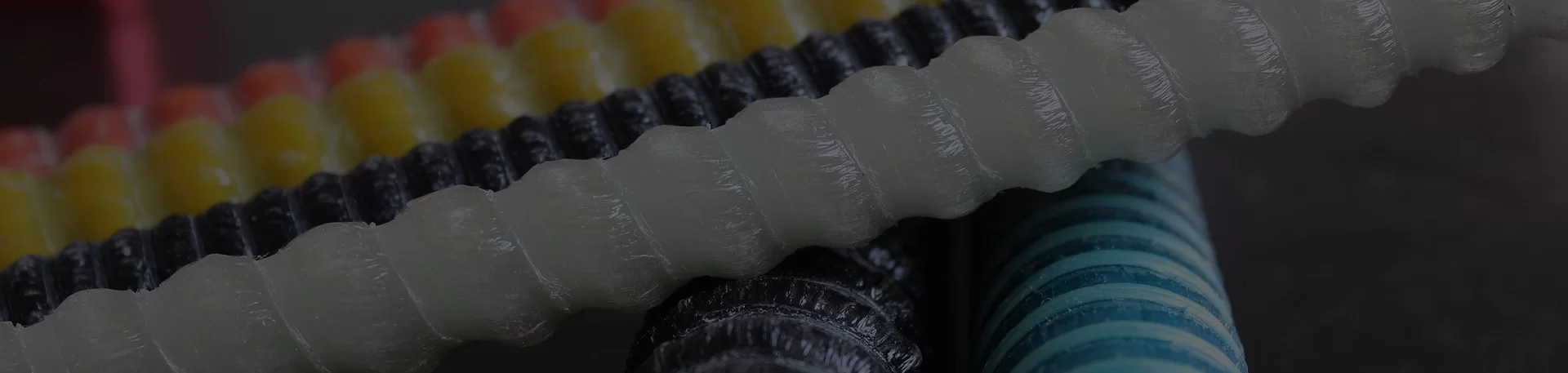
Indonesia's bridge infrastructure requires constant upkeep. Utilizing fiber glass rebar in bridge deck construction provides exceptional corrosion resistance, extending the lifespan of the structures and reducing maintenance costs.

Brand Story

The global development journey of Hebei Zhongtian Composite Group Co., Ltd.

Foundation and Early Growth

Established in 2003, Hebei Zhongtian Composite Group Co., Ltd. began as a small-scale manufacturer of fiberglass profiles, focusing on serving the domestic Chinese market.

Technological Innovation

In 2010, the company invested heavily in research and development, partnering with leading universities to develop advanced composite materials and manufacturing processes.

International Expansion

2015 marked the beginning of Zhongtian’s international expansion, with a focus on Southeast Asia, including Indonesia, offering tailored composite solutions.

Sustainability Initiatives

In 2020, Zhongtian committed to sustainable manufacturing practices, introducing eco-friendly resins and recycling programs.

Global Leadership

Today, Zhongtian is a leading global provider of fiberglass reinforced polymer solutions, dedicated to innovation, quality, and customer satisfaction.

Complete Product Portfolio for the Indonesian Market

A wide range of fiberglass composite products designed to meet the specific needs of Indonesian businesses and communities.

Frequently Asked Questions about Fiberglass Solutions in Indonesia

Addressing common inquiries regarding the application and benefits of fiberglass composite materials.

What are the key benefits of using fiberglass septic tanks compared to traditional concrete tanks in Indonesia’s tropical climate?

Fiberglass septic tanks are significantly lighter, making them easier to transport and install, especially in remote areas. They are also highly resistant to corrosion from saltwater and humidity, common challenges in Indonesia. They do not require sealing and are less prone to cracking.

How does fiberglass reinforcement compare to steel reinforcement in concrete structures, particularly in coastal applications?

Fiberglass rebar is non-corrosive, unlike steel, which is susceptible to rust in saltwater environments. This makes it ideal for coastal structures like piers, seawalls, and bridges. It also offers a higher strength-to-weight ratio and improves the durability of concrete.

What is the lifespan of fiberglass products used in Indonesian infrastructure projects?

The lifespan of fiberglass products can exceed 50 years, depending on the application and environmental conditions. Regular inspections and proper maintenance will further extend their service life, reducing long-term costs.

Are fiberglass composites environmentally friendly?

Fiberglass composites are increasingly being produced using sustainable materials and processes. Their durability reduces the need for frequent replacements, minimizing waste. Many manufacturers are also exploring recycled fiberglass options.

What level of technical expertise is required to install fiberglass products correctly?

While fiberglass products are generally easier to install than traditional materials, proper training and adherence to manufacturer’s guidelines are essential. We provide comprehensive installation guides and support to ensure successful implementation.

What is the cost comparison between fiberglass and traditional materials (concrete, steel) for similar infrastructure applications in Indonesia?

The initial cost of fiberglass can sometimes be higher, but lifecycle cost analysis often reveals significant savings due to reduced maintenance, longer lifespan, and lower transportation costs. The overall cost-effectiveness depends on the specific application and project requirements.

Get in Touch with Us

We are dedicated to providing innovative fiberglass composite solutions tailored to the unique challenges of Indonesia.

Contact Us Now

If you are interested in our products, you can choose to leave your information here, and we will be in touch with you shortly.