

Israel's geography, characterized by an extensive coastline and high soil salinity in various regions, presents severe challenges for traditional steel-reinforced concrete. The aggressive chloride ions often lead to rapid oxidation and structural degradation. Consequently, there is an increasing demand for fiber glass rebar as a corrosion-resistant alternative that ensures the longevity of bridges, piers, and coastal fortifications without the need for expensive epoxy coatings.
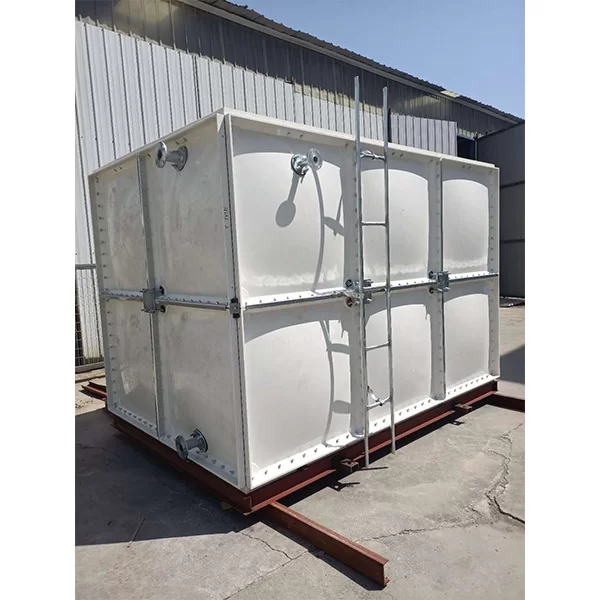
In the agricultural sector, especially within the Negev desert and central plains, water management is critical. The deployment of a fiberglass septic tank provides a leak-proof, chemical-resistant solution for wastewater treatment in remote areas where soil stability varies. These composite systems eliminate the risk of seepage and corrosion common in concrete tanks, ensuring that groundwater remains uncontaminated in water-scarce environments.
From an industrial perspective, the move toward carbon fiber reinforcement is becoming essential for upgrading aging infrastructure. By applying high-strength composite wraps, local engineers can enhance the load-bearing capacity of existing structures with minimal downtime. This technical evolution aligns with the regional trend of sustainable urban densification and the requirement for rapid, non-invasive structural retrofitting.