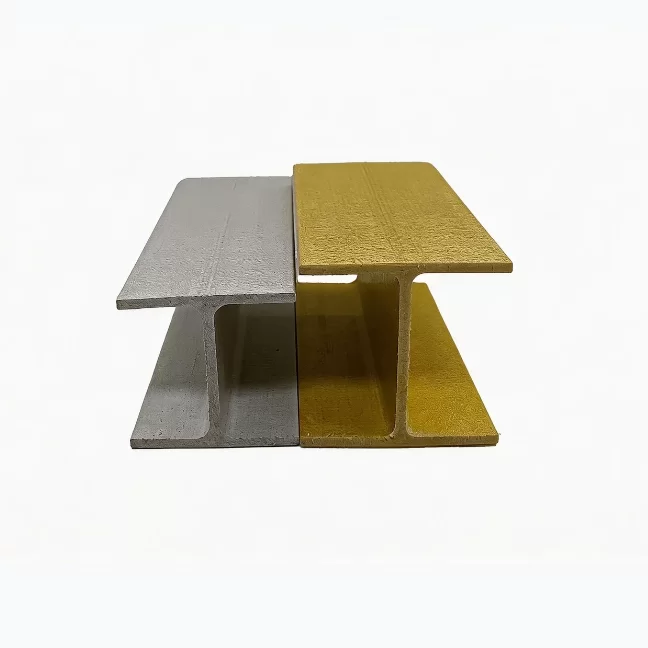
Precision-engineered fiber glass rebar and corrosion-resistant structural components for heavy-duty industrial applications.


Addressing the specific challenges of coastal corrosion and seismic reinforcement in Japanese industrial zones.
In Asia - Japan, the demand for non-metallic mineral products is driven by a critical need for materials that can withstand high salinity in coastal regions and maintain structural integrity during seismic events. Traditional steel reinforcement often fails due to chloride-induced corrosion, making fiber glass rebar a strategic alternative for bridges, seawalls, and marine infrastructure.
Procurement decisions in the Japanese market prioritize long-term life-cycle costs over initial investment. The shift toward GFRP (Glass Fiber Reinforced Polymer) is accelerated by the need to reduce maintenance frequencies in public works and municipal environmental improvements.
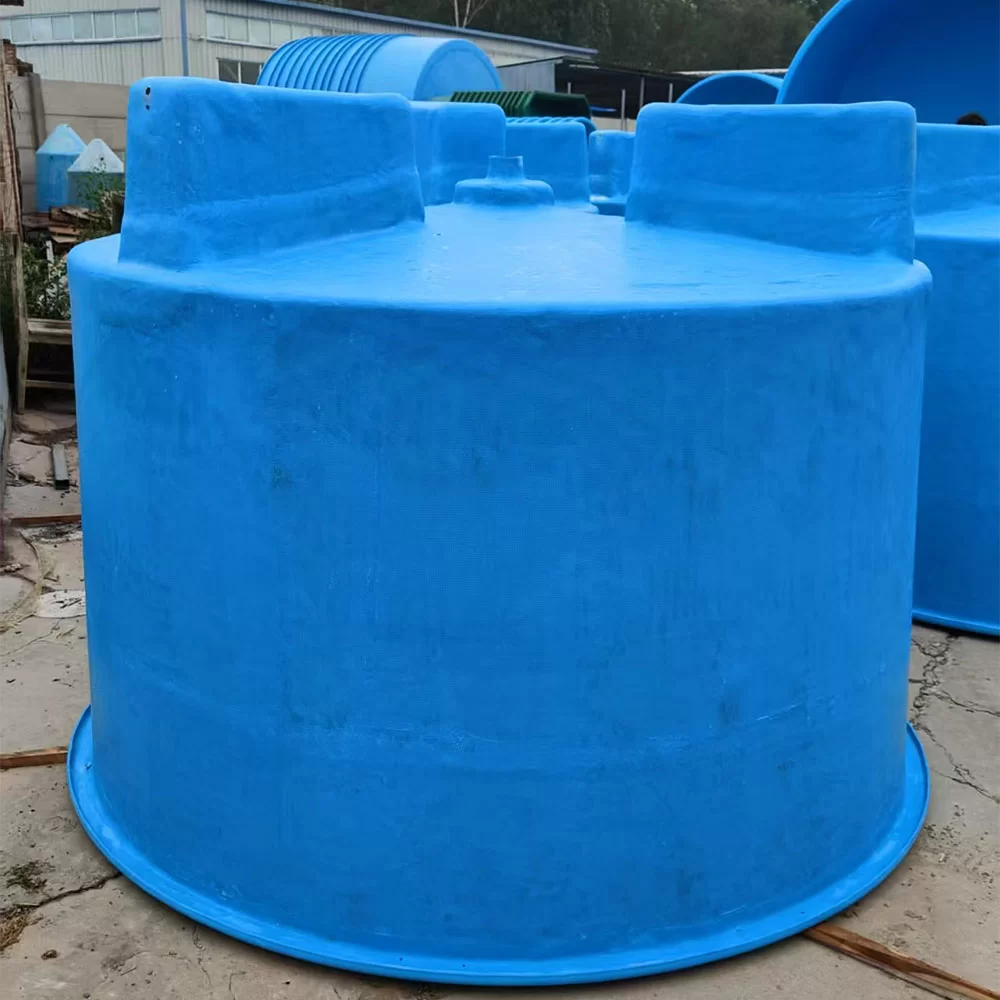
For wastewater management, the implementation of fiberglass septic tank systems offers superior chemical resistance compared to concrete, preventing groundwater contamination in densely populated urban areas.
Furthermore, the integration of carbon fiber reinforcement is becoming essential for the retrofitting of aging industrial plants, providing high-modulus strength without adding significant dead weight to existing structures.
From basic molding to microcomputer-controlled precision winding.
Focus on basic FRP shapes and simple tank construction for chemical storage.
Development of constant cross-section profiles and standardized GFRP rebar.
Introduction of microcomputer controlled winding for high-pressure pipes and tanks.
Combining glass and carbon fibers for optimized strength-to-weight ratios.
Integration of environmental sensors and sustainable resins for green construction.
Increased adoption of carbon fiber reinforcement paired with GFRP to meet stringent Japanese seismic codes.
Transition toward recyclable thermoset resins to align with Asia - Japan's strict waste management policies.
Shift toward pre-fabricated integrated sewage pumping stations for rapid urban deployment.
Balancing durability, cost, and installation efficiency for complex projects.
Eliminating oxidation risks in coastal salt-spray environments using inert composite resins.
Reducing structural dead loads while maintaining high tensile strength for seismic safety.
Utilizing FW-4000 microcomputer controlled winding for exact wall thickness and pressure ratings.
Implementing non-toxic resins and closed-loop production for municipal environmental improvement.
The procurement cycle for fiberglass products in Asia - Japan typically involves rigorous validation of technical certifications. Engineers focus on the interfacial bond strength between FRP and concrete, ensuring that the thermal expansion coefficients are aligned with local climatic fluctuations.
From a commercial perspective, the transition to FRP is driven by the reduction of long-term O&M (Operations and Maintenance) costs. By replacing steel with GFRP in hazardous environments, companies can extend the service life of assets by decades.
Real-world deployment of composite materials across diverse sectors.
Using fiber glass rebar for pier and quay wall construction in Japanese ports to eliminate salt-induced corrosion.
Deployment of fiberglass septic tank systems and integrated pumping stations for space-constrained urban districts.
Installing FRP filament-wound pipes and deodorization tanks in chemical plants to handle aggressive acids and bases safely.
Implementing fiberglass guardrail mesh for road safety in high-humidity mountain corridors to prevent rust-related failure.
Applying carbon fiber reinforcement plates and protective covers to strengthen existing concrete columns against lateral earthquake forces in seismic zones.
A legacy of integration in design, production, and global installation.
Founded as a large-scale production enterprise in Zaoqiang County, integrating design, production, sales, and installation.
Implementation of FW-4000 microcomputer controlled winding and BWFRP power pipe weaving equipment for high-precision output.
Successfully passed ISO9001:2000 quality system, environmental management, and occupational health and safety management certifications.
Contributions to the South to North Water Diversion Project and various municipal environmental improvement initiatives worldwide.
From FRP gratings and SMC molding series to CFGJ high-strength corrosion-resistant sleeves.
Expert answers to facilitate your procurement and technical decision-making.
Partner with Hebei Zhongtian Composite Materials Group Co., Ltd. for advanced non-metallic mineral solutions that ensure longevity and safety in demanding environments.
Contact Our Engineering Team