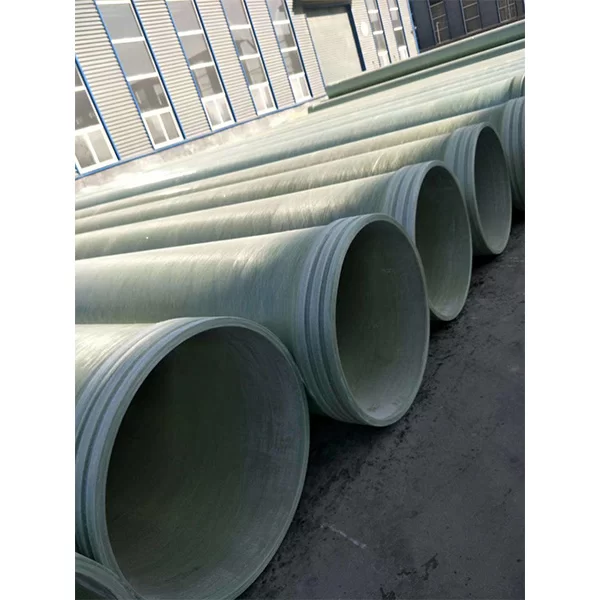
Advanced Fiberglass Products for Infrastructure in Africa Kenya

Advanced Fiberglass Products for Infrastructure in Africa - Kenya

Enhancing regional durability with high-performance composite solutions, from corrosion-resistant rebar to sustainable waste management systems.

High-Strength Composite Solutions for Kenyan Industry

Providing municipal and industrial sectors in Kenya with engineered fiberglass products that eliminate corrosion and reduce lifecycle maintenance costs.

Analyzing the Demand for FRP Materials in Kenya

Addressing the specific environmental and structural challenges of the East African construction landscape.

The Kenyan industrial sector is experiencing a shift toward materials that can withstand varied climatic conditions, particularly in coastal regions where saline air accelerates the degradation of traditional steel. There is a growing requirement for non-conductive and non-corrosive materials in utility installations and civil engineering projects to ensure long-term structural integrity.

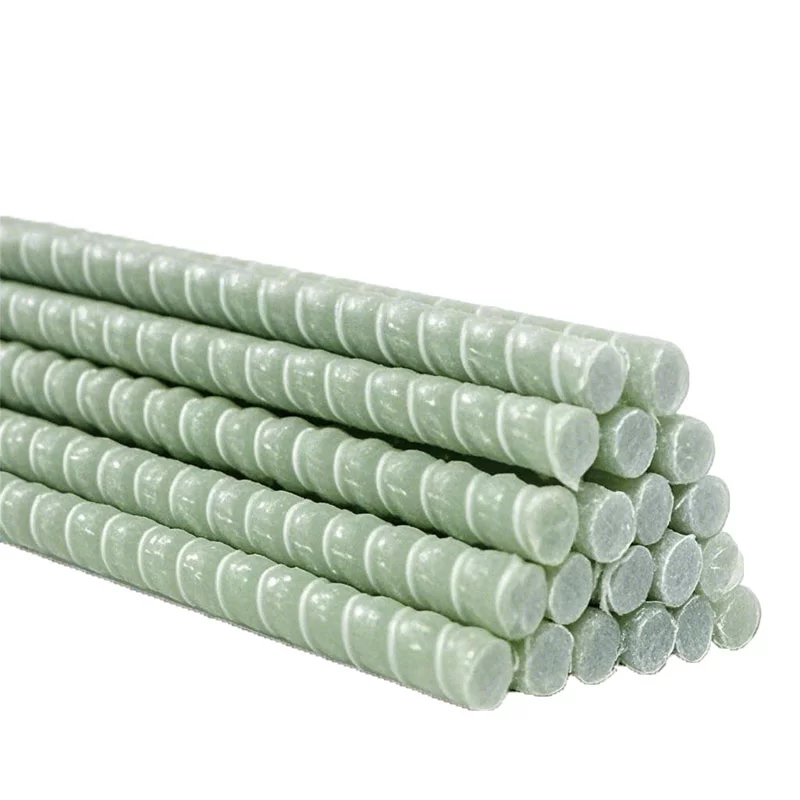
Procurement patterns in the region emphasize a balance between initial investment and operational longevity. With the expansion of urban infrastructure in Nairobi and Mombasa, the adoption of fiber glass rebar is becoming a strategic choice for projects aiming to reduce the frequency of costly repairs associated with rust and oxidation.

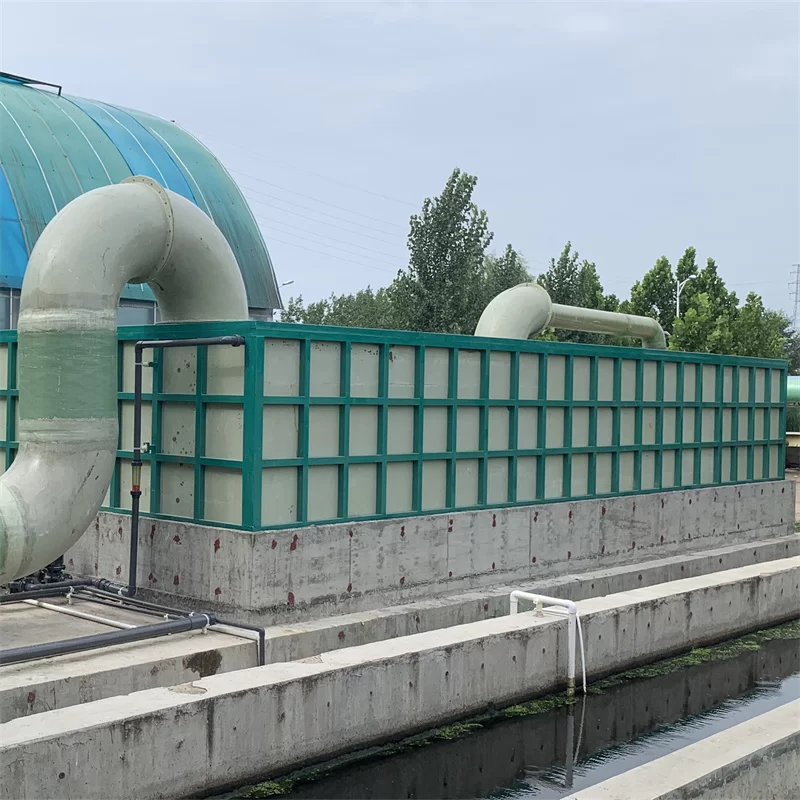
A primary pain point for local developers is the availability of specialized waste management infrastructure. The need for reliable, leak-proof sanitation solutions has increased the demand for the fiberglass septic tank, which offers superior chemical resistance and ease of installation compared to traditional concrete alternatives.
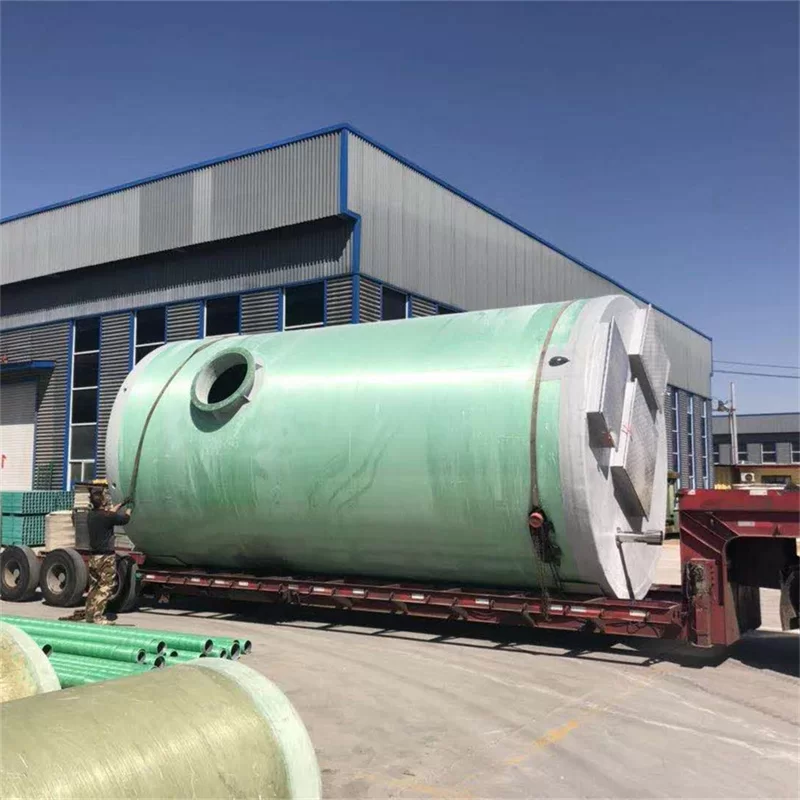
Evolution of Composite Application in Africa

Tracing the transition from traditional materials to advanced polymer-reinforced composites.

Developmental Milestones

Early Adoption — Basic FRP Implementation
Initial use was limited to simple molds and basic gratings, where the primary value was weight reduction rather than complex structural reinforcement.

Mid-Stage Expansion — Infrastructure Integration
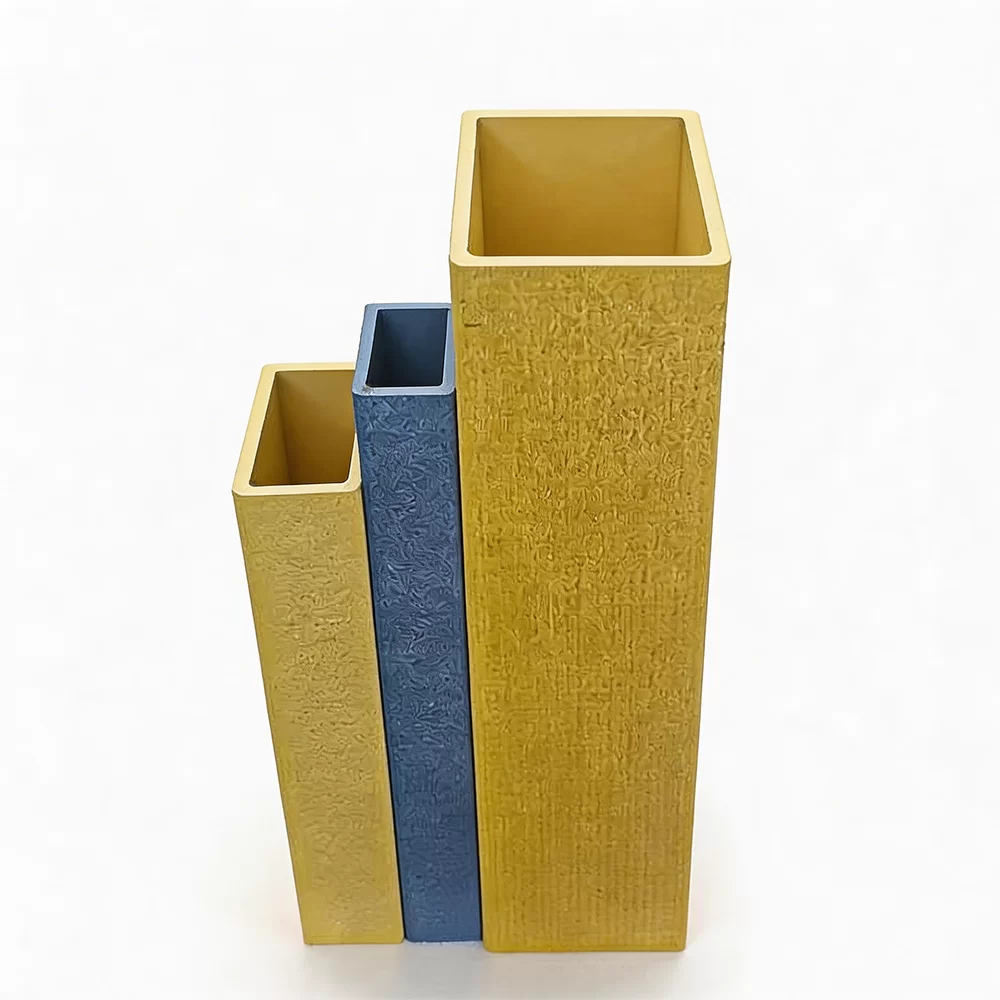
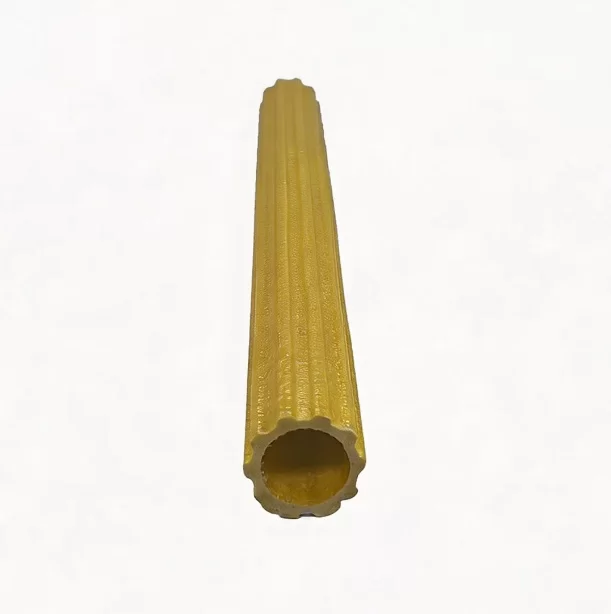
The introduction of pultruded profiles and GFRP rebar began to replace steel in corrosive environments, marking a shift toward performance-based material selection.

Current Era — Integrated Composite Systems
Modern applications now involve complex systems, including carbon fiber reinforcement and integrated sewage pumping stations, focusing on total lifecycle ROI.

Future Technical Directions

1. Hybrid Material Synergy

Combining GFRP with carbon fiber elements to optimize the strength-to-weight ratio for heavy-load industrial flooring and structural beams.

2. Modular Sanitation Systems

A shift toward prefabricated, integrated FRP tanks that reduce on-site construction time and eliminate the risk of groundwater contamination.

3. Smart Infrastructure Monitoring

Integrating sensing technologies within fiberglass guardrail mesh to monitor structural health in high-traffic transport corridors.

Global Composite Trends & Regional Outlook

Strategic shifts in the manufacturing of non-metallic mineral products.

⚡
Pultrusion Efficiency
Advanced extrusion and molding equipment increasing the precision of GFRP profiles.
🤖
Automated Winding
Use of microcomputer controlled winding for high-pressure FRP filament-wound pipes.
💳
Lifecycle Costing
Moving from lowest-bid procurement to Total Cost of Ownership (TCO) models.
🌱
Environmental Stewardship
Implementing ISO14001 standards to reduce the ecological footprint of composite production.

Composite Industry Outlook 2025-2030

Over the next few years, the demand in Kenya is expected to grow within the municipal environmental improvement sector. The integration of FRP deodorization tanks and integrated sewage pumping stations will be critical as urban centers expand and environmental regulations become more stringent.

Challenges remain in the form of logistics and the need for technical training for local installation teams. However, the long-term value of corrosion-free materials makes FRP a superior alternative to traditional minerals, positioning manufacturers with ISO9001 certification as trusted partners for large-scale projects.

Practical Application Scenarios in Kenya

How composite materials solve real-world engineering problems across different sectors.

01

Coastal Infrastructure Protection

In Mombasa's high-salinity environment, engineers utilize GFRP rebar in marine concrete structures. This eliminates the risk of internal steel corrosion, preventing concrete spalling and extending the lifespan of piers and sea walls.

02

Industrial Chemical Storage

Manufacturing plants requiring the storage of aggressive chemicals deploy FRP filament-wound storage tanks. These provide a leak-proof, corrosion-resistant barrier that ensures safety and compliance with environmental standards.

03

Urban Sanitation Upgrades

Municipalities install fiberglass septic tank systems in residential zones. The lightweight nature of these tanks allows for faster deployment in densely populated areas with limited machinery access.

04

Agricultural Water Management

For large-scale aquaculture or irrigation, FRP fish ponds and process piping are used. These materials prevent algae buildup and resist UV degradation under the intense Kenyan sun.

05

Transport Corridor Safety

Along major highways, fiberglass guardrail mesh is applied to provide high-visibility, weather-resistant safety barriers that do not require the frequent painting associated with steel.

Hebei Zhongtian Composite Materials Group

A legacy of engineering excellence in the fiberglass and composite materials industry since 2008.

2008 — Company Foundation

Established as a large-scale production enterprise integrating design, production, sales, and installation in Zaoqiang County, a hub of the fiberglass industry.

Technology Integration — Advanced Equipment

Deployment of FW-4000 microcomputer controlled winding machines and BWFRP power pipe weaving machines to enhance production precision.

Project Expansion — Infrastructure Contribution

Successfully contributed to the South to North Water Diversion Project and various municipal environmental improvement initiatives.

2016 — Quality Certification

Passed ISO9001:2000 quality system certification, environmental management system certification, and occupational health and safety management certification.

Global Reach — International Cooperation

Established stable cooperative relationships with multiple international enterprises, exporting GFRP rebar and FRP profiles worldwide.

Comprehensive FRP Portfolio for Kenya

From structural reinforcement to environmental protection, our full range of composite materials meets diverse industrial needs.

Kenya Composite Materials FAQ

Technical and commercial answers for buyers in the Kenyan market.

How does the cost of FRP rebar compare to traditional steel in Kenya?

While the initial material cost of GFRP can differ from steel, the total lifecycle cost is typically lower. This is because FRP eliminates the need for expensive anti-corrosion coatings and significantly reduces long-term maintenance expenditures in saline or humid environments.

What are the installation requirements for a fiberglass septic tank?

Installation is generally faster than concrete tanks due to their lightweight nature. It requires a leveled base and proper backfilling with sand or gravel to ensure stability. Because they are prefabricated, on-site curing time is eliminated, allowing for immediate use.

How is the durability of FRP piping maintained in industrial settings?

FRP piping is inherently low-maintenance due to its resistance to chemicals and corrosion. Routine inspections of joints and supports are sufficient. For extreme conditions, sand-lined pipes can be used to provide additional abrasion resistance for slurry transport.

When should I choose carbon fiber reinforcement over standard fiberglass?

Carbon fiber reinforcement should be selected when the project requires maximum tensile strength and stiffness with minimum weight. It is ideal for high-stress structural retrofitting or precision industrial components where fiberglass may not meet the modulus requirements.

What technical standards do your GFRP products adhere to?

Our production processes are governed by ISO9001:2000 quality system certifications. We ensure that all pultruded profiles and winding pipes meet stringent international performance indicators for load-bearing capacity and chemical stability.

Are fiberglass products environmentally sustainable for use in Kenya?

Yes, they contribute to sustainability by reducing the consumption of steel and concrete, which have higher carbon footprints. Additionally, FRP sewage tanks prevent groundwater contamination more effectively than cracked concrete, protecting local water resources.

Consult Our Composite Specialists

Looking for technical guidance or a customized quotation for your project in Africa - Kenya? Contact us for a professional solution assessment.

Request Technical Quote

If you are interested in our products, you can choose to leave your information here, and we will be in touch with you shortly.