Fiberglass Septic Tank Solutions for Mongolia

Fiberglass Septic Tank Solutions for Mongolia

Providing durable and reliable fiberglass products for infrastructure and construction in Asia.

Fiberglass Septic Tank Solutions for Mongolia

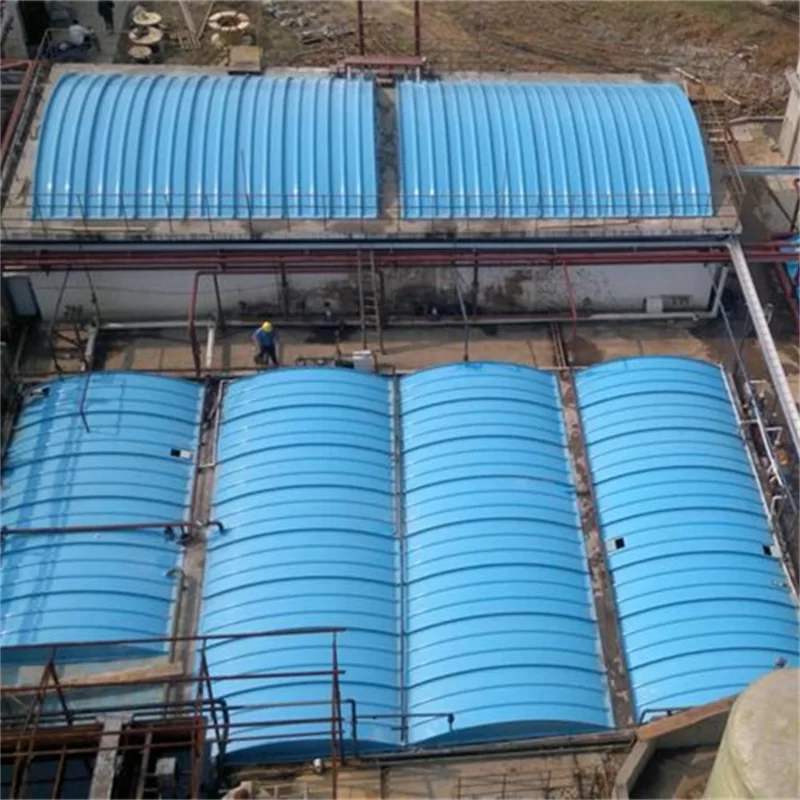
Offering high-quality fiberglass septic tanks designed for the unique environmental conditions of Mongolia.

Current Status of Fiberglass Products in Mongolia

Analysis of the market landscape and challenges for fiberglass manufacturing in Mongolia.

Mongolia's infrastructure development is steadily increasing, driven by mining, urbanization, and government investment. This presents a growing demand for durable and cost-effective construction materials, including fiberglass products. However, the harsh climate – extreme temperatures, permafrost in some regions – poses specific challenges for material performance. Traditional materials often suffer from corrosion and cracking, leading to increased maintenance costs.

The current supply of fiberglass septic tank units is largely reliant on imports, making them expensive and subject to logistical delays. Local manufacturing capacity is limited, creating an opportunity for companies to establish a presence and cater to the growing demand. Regulations surrounding wastewater treatment are also evolving, driving the need for compliant and efficient septic solutions.

Geographically, the dispersed population of Mongolia presents logistical challenges for product distribution. Remote areas require robust and easily transportable solutions. The economic situation, while improving, also necessitates affordability and long-term value from construction materials. Fiber glass rebar and other composite materials are becoming increasingly important for overcoming these challenges.
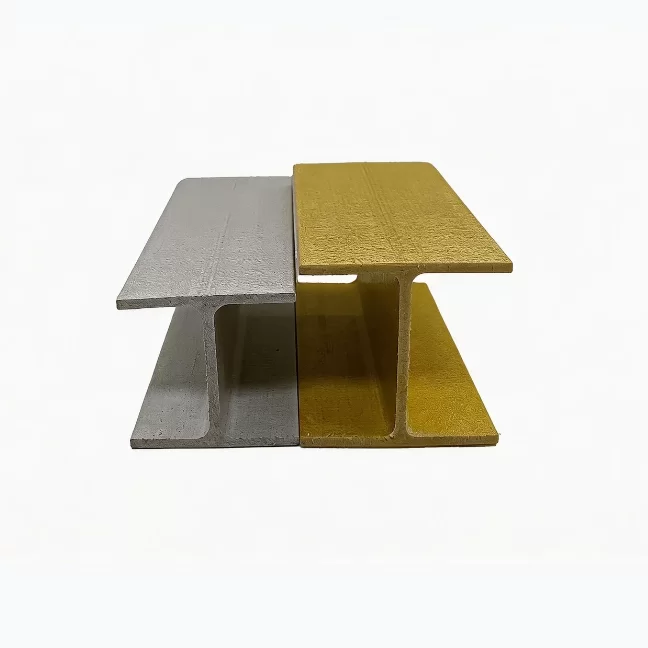
Evolution of Fiberglass Manufacturing in Mongolia

Tracing the development of fiberglass technology and its adoption in the Mongolian construction industry.

Market Development History

Prior to the 2000s, the use of fiberglass in Mongolia was limited, primarily confined to specialized applications like vehicle components and small-scale industrial uses. The majority of construction relied on traditional materials like concrete and steel.

The early 2000s saw a gradual increase in awareness of the benefits of fiberglass reinforced plastics (FRP), driven by increased exposure to international building practices. Initial applications focused on corrosion-resistant pipes for mining operations, and limited fiberglass guardrail mesh for safety barriers.

The last decade has witnessed a more significant shift, fueled by the growth of infrastructure projects and the need for sustainable solutions. The adoption of carbon fiber reinforcement in critical structural applications has begun, along with increasing demand for fiberglass septic tanks due to stricter environmental regulations.

Future Development Trends

Increased Demand for Sustainable Materials

The growing emphasis on environmental sustainability will drive demand for eco-friendly alternatives like fiberglass. This trend is consistent with global Google Search trends for “sustainable construction materials,” which show a significant increase in interest over the past five years.

Localization of Manufacturing

To reduce costs and improve supply chain resilience, we anticipate a trend towards localization of fiberglass manufacturing within Mongolia. This will require investment in skilled labor and advanced production technologies.

Advanced Composite Applications

The use of advanced composites, including carbon fiber reinforced polymers, will expand beyond niche applications to encompass a broader range of infrastructure projects, capitalizing on their high strength-to-weight ratio and corrosion resistance.

Industry Trends and Future Outlook for Fiberglass in Mongolia

A forward-looking assessment of the opportunities and challenges facing the fiberglass manufacturing sector in Mongolia.

Growing Infrastructure Demands
Rapid urbanization and infrastructure development necessitate durable and lightweight materials like fiberglass.
Increased Environmental Awareness
Demand for eco-friendly materials like fiberglass septic tanks is rising due to stricter environmental regulations.
Technological Advancements
Ongoing innovations in fiberglass manufacturing are leading to improved material properties and reduced production costs.
Government Support
Government initiatives promoting infrastructure development and sustainable building practices are expected to boost the fiberglass industry.

Industry Outlook

The fiberglass industry in Mongolia is poised for significant growth in the coming years. The convergence of infrastructure demand, environmental concerns, and technological advancements will create a favorable environment for both domestic manufacturers and international investors.

However, challenges remain, including limited skilled labor, access to capital, and competition from established international players. Addressing these challenges will be crucial for unlocking the full potential of the fiberglass industry in Mongolia.

Local Application Scenarios for Fiberglass Products

Exploring specific use cases for fiberglass materials within the Mongolian context.

1. Rural Wastewater Treatment Systems

Providing decentralized fiberglass septic tank solutions for remote communities lacking access to centralized sewage infrastructure.

2. Corrosion-Resistant Components for Mining Operations

Utilizing fiberglass pipes, tanks, and structural components in harsh mining environments to resist corrosion from acidic chemicals.

3. Lightweight Roofing Solutions for Ger (Yurt) Structures

Developing innovative fiberglass roofing panels that provide improved insulation and durability for traditional Mongolian gers.

4. Durable and Lightweight Fencing and Guardrails

Deploying fiberglass guardrail mesh along roads and highways to enhance safety and reduce maintenance costs.

5. Structural Reinforcement in Cold Climate Buildings

Employing carbon fiber reinforcement to strengthen concrete structures and improve their resistance to cracking in freezing temperatures.

Brand Story

The global development journey of Hebei Zhongtian Composite Material Group Co., Ltd.

Established Foundation

Founded in 2003, Hebei Zhongtian Composite Material Group Co., Ltd. began with a commitment to innovation in fiberglass manufacturing.

Technological Breakthroughs

In 2010, we invested heavily in R&D, leading to advancements in composite material technologies.

International Expansion

By 2015, we expanded our reach into international markets, focusing on regions with growing infrastructure needs.

Sustainable Solutions

We prioritized sustainable manufacturing practices and environmentally friendly product development, starting in 2018.

Commitment to Quality

Today, we are dedicated to providing high-quality, durable, and sustainable composite solutions to meet the evolving needs of our customers globally.

Comprehensive Product Portfolio for the Local Market

A wide range of fiberglass products tailored to the specific requirements of the Mongolian construction and infrastructure sectors.

Frequently Asked Questions - Mongolia

Addressing common inquiries about our fiberglass products and services in the Mongolian market.

What are the benefits of using fiberglass septic tanks compared to concrete tanks in Mongolia’s climate?

Fiberglass septic tanks are lighter, more durable, and less prone to cracking in extreme temperatures compared to concrete tanks. They also offer better resistance to corrosion from the soil and wastewater, making them ideal for Mongolia’s challenging climate conditions.

How does fiberglass rebar perform in cold weather conditions like those found in Mongolia?

Fiberglass rebar exhibits excellent performance in cold weather due to its non-corrosive properties and resistance to expansion and contraction. This makes it a suitable alternative to steel rebar in concrete structures exposed to freezing temperatures.

What is the lifespan of a fiberglass guardrail mesh in a high-traffic area in Mongolia?

The lifespan of our fiberglass guardrail mesh is typically 20-30 years, depending on traffic volume and environmental conditions. Its durability and resistance to corrosion significantly reduce maintenance costs compared to traditional steel guardrails.

What are the installation requirements for carbon fiber reinforcement in concrete structures?

Installation of carbon fiber reinforcement requires specialized training and adherence to specific guidelines. We provide comprehensive installation support and training to ensure proper application and optimal performance.

How does the cost of fiberglass products compare to traditional materials like concrete and steel in Mongolia?

While the initial cost of fiberglass products may be slightly higher, their longer lifespan, reduced maintenance requirements, and superior performance often result in lower lifecycle costs compared to traditional materials.

What certifications and quality standards do your fiberglass products meet?

Our fiberglass products are manufactured to meet international quality standards, including ISO 9001. We also comply with relevant industry-specific certifications and regulations.

Get in Touch with Us

We are committed to providing innovative fiberglass solutions to meet the unique challenges of the Mongolian market. Contact us today to learn more.

Contact Us Now

If you are interested in our products, you can choose to leave your information here, and we will be in touch with you shortly.