


Integrating specialized design and large-scale production to deliver high-durability composite materials for civil and industrial projects.
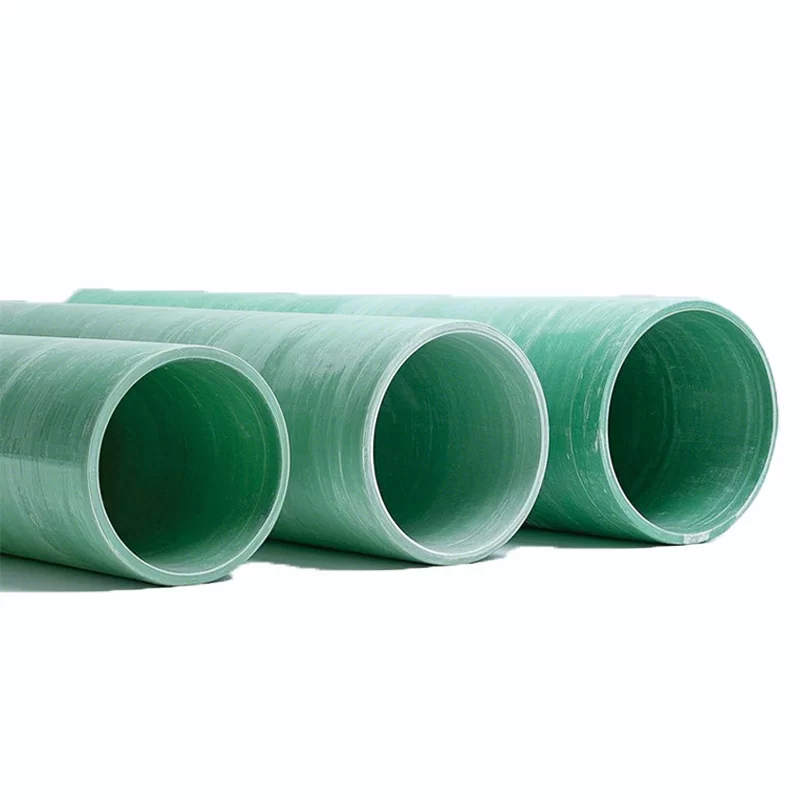


Addressing the challenge of material degradation in high-humidity and corrosive environments.
Myanmar's industrial landscape is characterized by a significant demand for sustainable infrastructure, particularly in water management and transportation. Traditional steel reinforcements often suffer from rapid corrosion due to the region's high humidity and soil acidity, necessitating a shift toward non-metallic mineral products. The adoption of fiber glass rebar provides a critical alternative, offering lifelong corrosion resistance and reducing long-term maintenance costs for coastal and municipal projects.
Furthermore, the expansion of rural sanitation and urban wastewater treatment has increased the requirement for reliable containment systems. The transition from concrete to fiberglass septic tank solutions allows for faster installation and superior leak prevention, which is essential for protecting local groundwater sources in developing industrial zones.
For procurement managers in Myanmar, this means prioritizing materials that minimize lifecycle costs. By implementing GFRP and carbon fiber technologies, engineers can ensure structural integrity in challenging terrains, effectively bypassing the logistical burdens associated with the frequent replacement of oxidized metal components.
Tracing the transition from traditional materials to advanced FRP polymers.
Initial use of fiberglass for simple piping and storage tanks to replace heavy metal containers.
Introduction of pultruded profiles and GFRP rebar for reinforced concrete structures in corrosive zones.
Integration of carbon fiber reinforcement for high-load industrial strengthening and precision engineering.
Growing preference for integrated sewage pumping stations that utilize FRP to resist chemical erosion in urban wastewater systems.
Shift toward prefabricated FRP components to reduce on-site labor and installation time in remote Myanmar regions.
Combining GFRP with traditional concrete to create hybrid structures that balance cost and extreme durability.
Evaluating the next generation of fiberglass and carbon fiber applications.
Enhancing resins to withstand more aggressive industrial solvents and wastewater chemicals.
Utilizing carbon fiber to achieve higher strength-to-weight ratios for specialized industrial covers.
Developing seamless jointing systems for FRP filament-wound pipes to reduce leakage risks.
Focusing on UV-stabilized outer layers to prevent degradation under intense tropical sunlight.
The strategic integration of composite materials is no longer optional for high-performance projects. As industrial standards evolve, the ability to specify the correct glass-to-resin ratio and reinforcement pattern becomes the primary determinant of structural longevity.
Project managers should focus on verifying the certification of production equipment, such as microcomputer-controlled winding machines, to ensure consistent wall thickness and structural reliability in pressure vessels and piping.
Real-world solutions for diverse industrial and municipal challenges.
Using fiber glass rebar in saltwater-exposed concrete piles to eliminate rust-induced spalling and extend the bridge lifespan by decades.
Installing fiberglass guardrail mesh around chemical plants to provide a non-conductive, corrosion-proof safety barrier.
Deploying integrated fiberglass septic tank units in remote villages to ensure hygienic waste disposal with minimal installation effort.
Implementing FRP filament-wound process piping for the transport of corrosive acids in manufacturing plants, ensuring zero leakage and high pressure resistance.
Applying carbon fiber reinforcement wraps to existing concrete columns in aging industrial warehouses to increase load-bearing capacity without adding significant weight.
A commitment to precision and quality in composite manufacturing.
Founded in Zaoqiang County, a hub for the fiberglass industry, the company began integrating design and production to serve the growing demand for FRP materials.
Invested in advanced FW-4000 microcomputer controlled winding machines and pultrusion equipment to produce high-spec GFRP rebar and pressure pipes.
Successfully passed ISO9001:2000 quality system, environmental management, and occupational health and safety certifications, enabling international project delivery.
From precision-wound tanks to pultruded profiles, we provide the full spectrum of non-metallic mineral solutions.
Expert answers to common technical and procurement queries.
Looking for durable, corrosion-resistant fiberglass solutions for your projects in Asia - Myanmar? Our technical team is ready to help you select the right materials for your industrial needs.
Discuss Your Requirements


