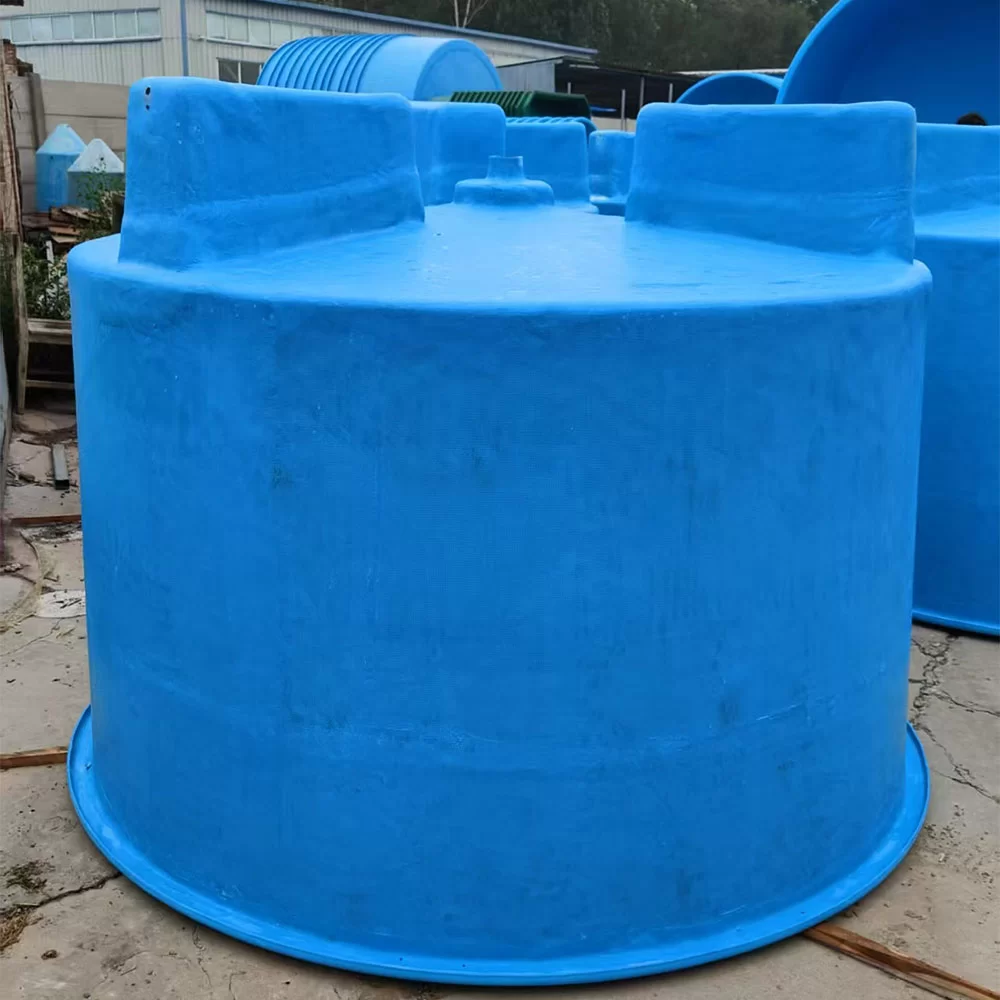
Fiberglass Septic Tank Solutions for South Africa

Fiberglass Septic Tank Solutions for South Africa

Delivering durable and cost-effective fiberglass solutions to meet the growing infrastructure needs of South Africa.

Fiberglass Septic Tank Solutions for South Africa

Providing innovative and reliable fiberglass septic tank solutions tailored for the South African market.

Current State of Fiberglass Products in South Africa

An overview of the fiberglass industry landscape in South Africa and its current challenges and opportunities.

South Africa’s infrastructure development is driving demand for durable and corrosion-resistant materials. Fiberglass products are increasingly favored for their lightweight nature and longevity, particularly in regions with challenging environmental conditions like coastal areas prone to saltwater corrosion. The country’s economic climate, with ongoing infrastructure projects, presents a substantial market for fiberglass septic tank solutions.

However, the industry faces challenges, including the availability of skilled labor and fluctuating raw material costs. Import competition also impacts local manufacturers. Despite these hurdles, the need for sustainable and cost-effective solutions, like those offered by fiber glass rebar, continues to fuel market growth. Focus on localized production and skills development is crucial for the industry’s long-term success.

The availability of advanced materials like carbon fiber reinforcement is gradually expanding, although higher costs currently limit its widespread adoption. The potential for import substitution and value addition within the South African economy remains a significant driver for the expansion of the fiberglass industry.
Evolution of Fiberglass Products and Development Trajectory

Tracing the historical development of fiberglass technology and its adaptation within the South African context.

Market Development History

The adoption of fiberglass in South Africa began in the 1960s with basic applications in automotive parts and boat building. Initial growth was slow, hampered by limited local manufacturing capacity and reliance on imports. The 1980s saw increased demand with growing industrialization and a greater awareness of fiberglass's corrosion resistance.

The 1990s and 2000s witnessed significant advancements in fiberglass technology, including the development of new resin systems and manufacturing processes. This period also saw the emergence of local companies specializing in fiberglass guardrail mesh and other infrastructure components. The shift towards Black Economic Empowerment (BEE) initiatives also spurred growth within the sector.

From 2010 onwards, the focus shifted towards sustainable and environmentally friendly solutions, driving demand for fiberglass septic tanks and other wastewater management systems. The growing awareness of infrastructure challenges and the need for cost-effective repairs has fueled the adoption of fiberglass products in various sectors.

Future Development Trends

Advanced Resin Systems

Expect increased adoption of advanced resin systems, like vinyl ester and epoxy resins, offering enhanced mechanical properties and corrosion resistance.

Automation & Robotics

Automation and robotics will become more prevalent in manufacturing, improving efficiency and reducing labor costs.

Sustainable Materials

Demand for bio-based resins and recycled fiberglass materials will increase due to growing environmental concerns.

Industry Trends and Future Outlook

A forward-looking assessment of the fiberglass industry in South Africa, including emerging technologies and growth opportunities.

Infrastructure Development
Increased investment in infrastructure projects (roads, water, sanitation) will drive demand for durable and corrosion-resistant fiberglass solutions.
Wastewater Management
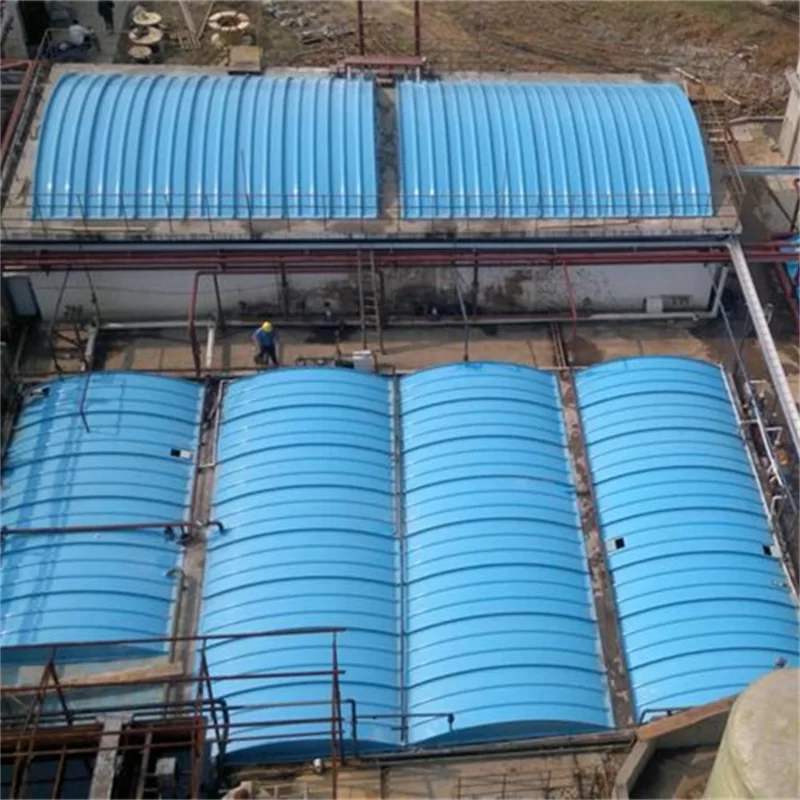
Growing population and urbanization require efficient and sustainable wastewater treatment solutions, boosting demand for fiberglass septic tank.
Corrosion Resistance
The superior corrosion resistance of fiberglass makes it ideal for harsh environments, reducing maintenance costs and extending product lifespan.
Lightweight & Easy Installation
Fiberglass products are significantly lighter than traditional materials, simplifying transportation and installation processes.

Industry Outlook

The South African fiberglass industry is poised for continued growth, driven by infrastructure development and increasing demand for sustainable solutions. Focus on local production, skills development, and innovation will be crucial for realizing this potential. The adoption of new technologies, like advanced resin systems and automation, will further enhance competitiveness.

The growing awareness of environmental sustainability will also play a significant role, driving demand for eco-friendly fiberglass products and manufacturing processes. Collaboration between industry stakeholders, government agencies, and research institutions is essential for fostering a thriving and sustainable fiberglass industry in South Africa.

Local Application Scenarios

Exploring real-world applications of fiberglass products tailored to the South African context.

1. Rural Sanitation Solutions

Providing affordable and durable fiberglass septic tank systems to rural communities with limited access to traditional sanitation infrastructure.

2. Coastal Infrastructure Protection

Utilizing fiberglass guardrail mesh and structural components in coastal areas to protect against saltwater corrosion and extend the lifespan of infrastructure.

3. Agricultural Water Management

Implementing fiberglass rebar reinforced concrete structures for irrigation systems and water storage facilities in agricultural regions.

4. Mining Industry Applications

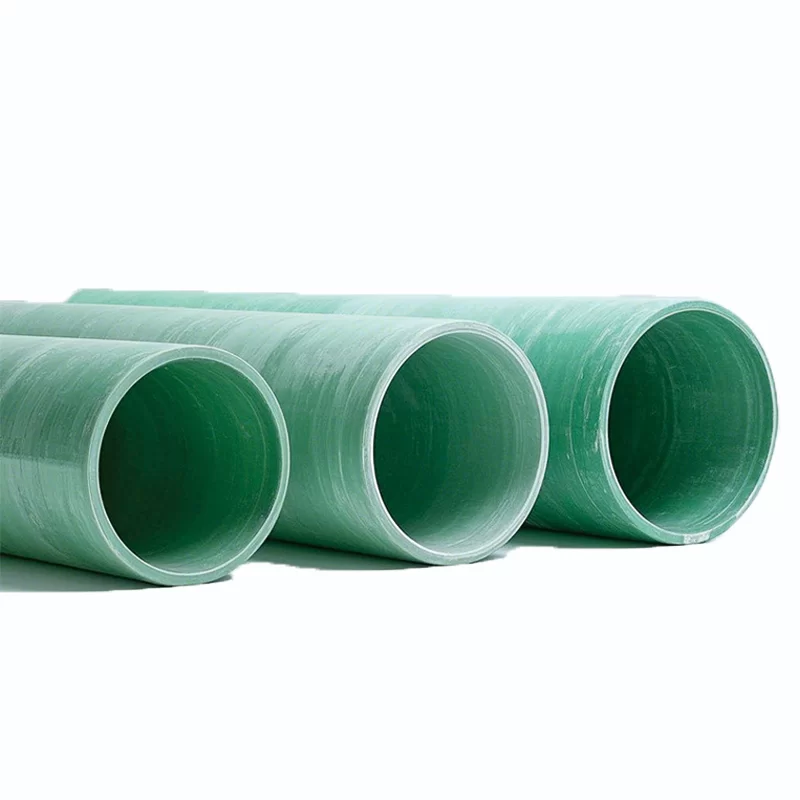
Employing fiberglass composites in mining applications, such as pipelines, tanks, and corrosion-resistant linings, to enhance safety and efficiency.

5. Building Construction

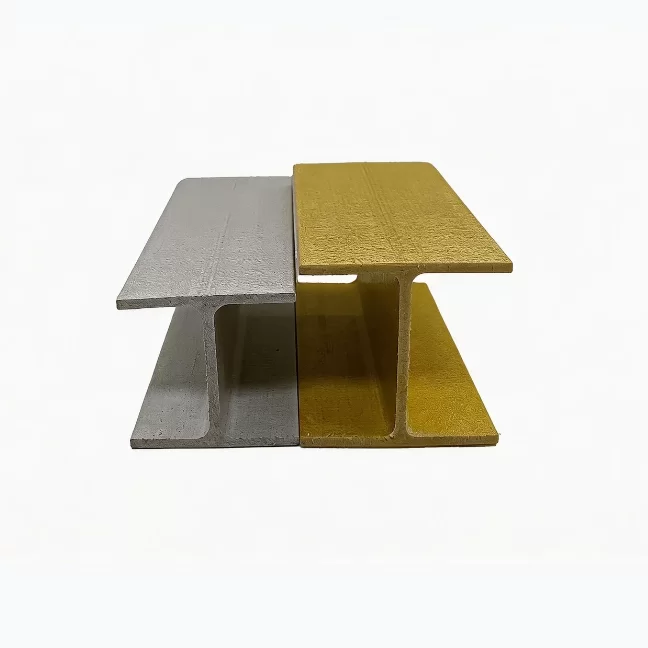
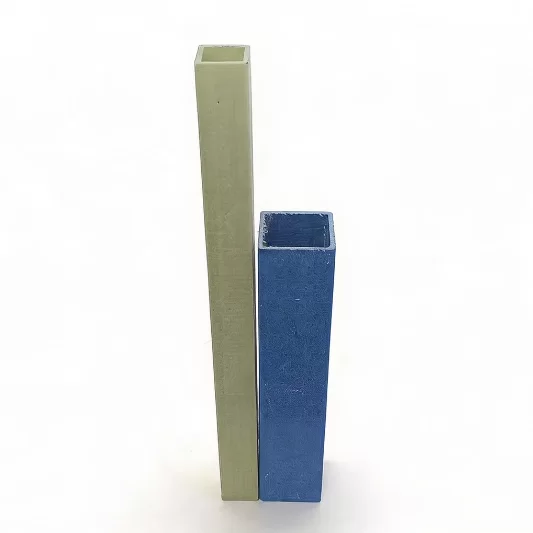
Using fiberglass profiles and panels for lightweight and durable building components, offering cost-effective and energy-efficient construction solutions.

Brand Story

Hebei Zhongtian Composite Material Group Co., Ltd.'s Global Development Journey

Commitment to Innovation

Founded on a commitment to innovation, we constantly invest in research and development to deliver cutting-edge fiberglass solutions.

Quality Assurance

We adhere to stringent quality control standards throughout the manufacturing process, ensuring product reliability and durability.

Customer Focus

We prioritize customer satisfaction by providing tailored solutions and exceptional support.

Sustainable Practices

We are committed to environmentally responsible manufacturing processes and the development of sustainable products.

Global Reach

We serve customers worldwide, providing reliable fiberglass solutions for diverse industries.

Complete Product Range for the Region

A comprehensive selection of fiberglass products designed to meet the specific needs of the South African market.

Local FAQs

Frequently asked questions about fiberglass products and solutions in South Africa.

What are the benefits of using fiberglass septic tanks compared to concrete tanks in South Africa?

Fiberglass septic tanks are significantly lighter, easier to install, and more corrosion-resistant than concrete tanks. They also offer a longer lifespan and require less maintenance, making them a cost-effective solution for South African conditions.

How does fiberglass rebar perform in concrete structures exposed to coastal saltwater environments?

Fiberglass rebar is completely non-corrosive, making it ideal for concrete structures in coastal areas exposed to saltwater. It offers superior resistance to chloride ion penetration, preventing corrosion of the concrete and extending the structure's lifespan.

What is the lifespan of a typical fiberglass guardrail mesh system installed in a high-traffic area?

A properly installed fiberglass guardrail mesh system can last for 20-30 years or more, depending on the environmental conditions and traffic volume. Its durability and resistance to corrosion make it a long-term safety solution.

Is carbon fiber reinforcement suitable for repairing existing concrete infrastructure in South Africa?

Yes, carbon fiber reinforcement is an excellent choice for repairing and strengthening existing concrete infrastructure. It is lightweight, strong, and easy to apply, providing a cost-effective solution for extending the lifespan of structures.

What are the environmental benefits of using fiberglass products compared to traditional materials like steel?

Fiberglass products are lighter than steel, reducing transportation costs and energy consumption. They also require less maintenance and have a longer lifespan, minimizing the need for replacements and reducing waste.

What is the cost comparison between fiberglass products and traditional materials like steel in South Africa for large-scale infrastructure projects?

While the initial cost of fiberglass may sometimes be higher, the total lifecycle cost is often lower due to reduced maintenance, longer lifespan, and lower installation costs. For large-scale projects, the long-term savings can be significant.

Get in Touch

Contact us today to discuss your fiberglass product needs in South Africa.

Contact Us Now

If you are interested in our products, you can choose to leave your information here, and we will be in touch with you shortly.