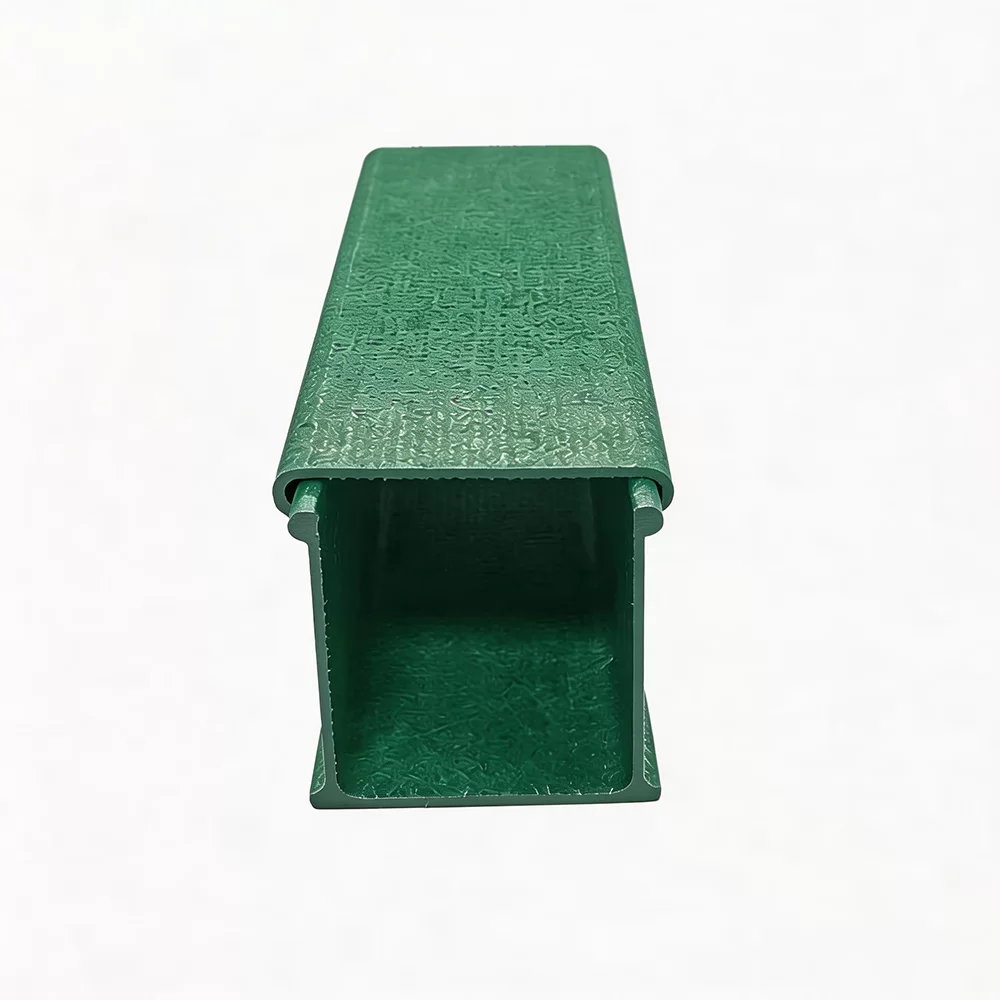
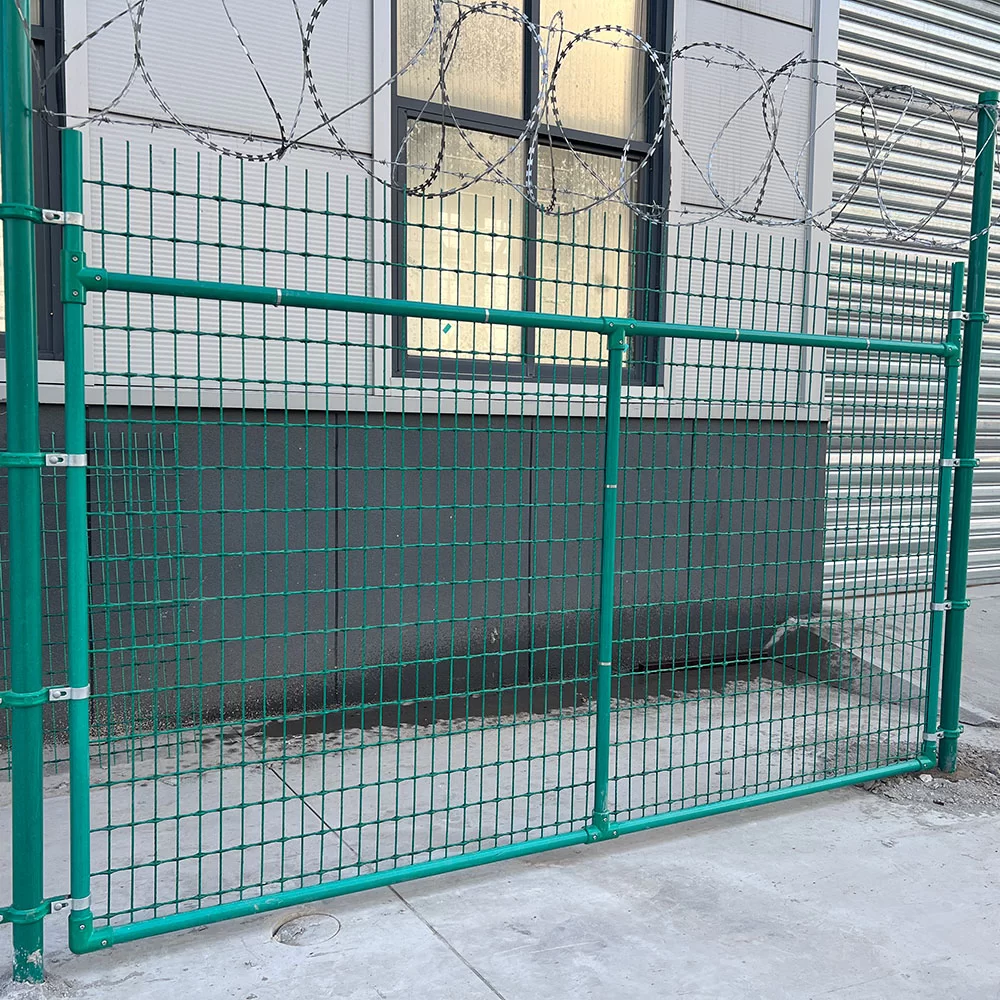
Specialized FRP and GFRP components designed to meet rigorous technical standards for environmental protection and urban development.
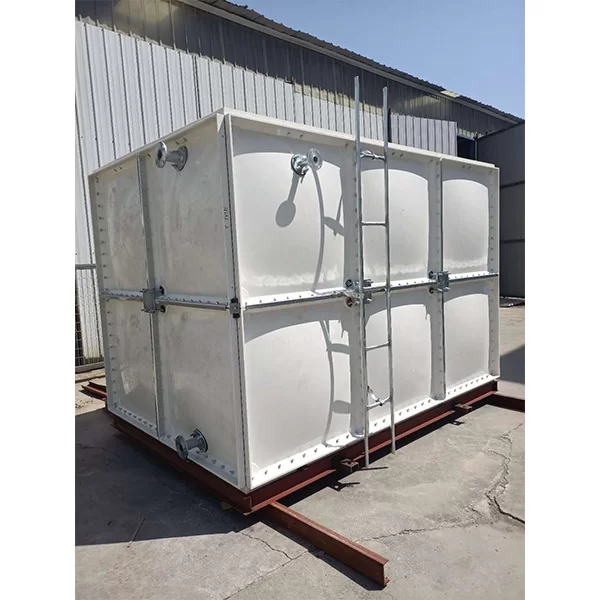

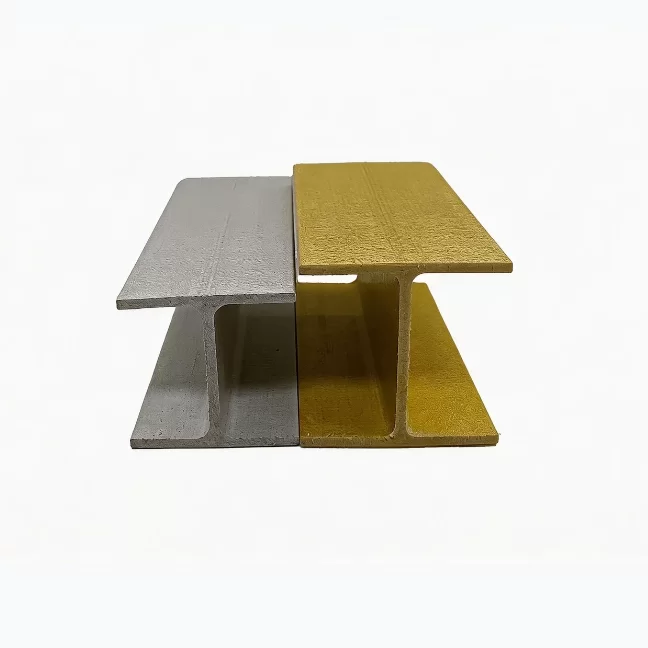
Evaluating the intersection of industrial demand and composite material properties within the Korean market.
South Korea's advanced industrial landscape and dense coastal urban centers create a high demand for materials that resist salt-spray corrosion and chemical degradation. The shift toward sustainable urban infrastructure prioritizes materials that reduce long-term maintenance costs in municipal sewage and water management systems.
Local procurement trends show an increasing preference for fiber glass rebar in civil engineering to eliminate the risk of steel corrosion. Engineers are increasingly integrating GFRP into marine structures and underground utility conduits to extend the operational lifecycle of critical assets.
Compliance with strict environmental and safety standards in the region necessitates the use of certified materials. The adoption of integrated sewage pumping stations and specialized FRP tanks reflects a broader commitment to municipal environmental improvement and wastewater treatment efficiency.
Tracing the transition from basic FRP applications to high-precision composite engineering.
Analyzing the key drivers shaping the next generation of fiberglass and carbon fiber applications.
Integration of carbon fiber reinforcement to achieve superior strength-to-weight ratios in high-stress environments.
Replacing traditional steel guardrails with fiberglass guardrail mesh to prevent galvanic corrosion in humid regions.
Reducing installation downtime through the use of integrated, lightweight FRP sewage pumping stations.
Utilizing FRP deodorization tanks to meet stringent air quality and emission standards in urban areas.
The trajectory of the industry points toward a convergence of automated manufacturing and material science. The adoption of FW-4000 microcomputer-controlled winding ensures that complex components, such as pressure pipes and specialized tanks, maintain precise wall thickness and structural integrity.
From a procurement perspective, the focus is shifting from initial capital expenditure to Total Cost of Ownership (TCO). By eliminating rust and chemical erosion, FRP solutions provide a sustainable alternative to traditional concrete and steel in the South Korean market.
Practical implementations of composite materials across diverse industrial and municipal sectors.
Implementation of a fiberglass septic tank and integrated sewage pumping stations to manage urban runoff and wastewater in high-density residential districts.
Using GFRP rebar and FRP fences for coastal piers and sea walls to prevent chloride-induced corrosion from the Pacific Ocean.
Installation of FRP filament-wound process piping and deodorization towers to handle aggressive chemicals in petrochemical complexes.
Deployment of fiberglass guardrail mesh and FRP cable trays along highway corridors to ensure non-conductive, corrosion-free safety barriers.
Application of FRP fish ponds and specialized storage tanks for sustainable aquaculture and industrial water purification systems.
A legacy of excellence in the design, production, and installation of advanced composite materials.
Hebei Zhongtian Composite Materials Group Co., Ltd. was established in Zaoqiang County, integrating design, production, sales, and installation within the fiberglass industry hub.
Successfully achieved ISO9001:2000 quality system certification, along with environmental and occupational health and safety management system certifications.
Operates advanced FW-4000 microcomputer winding and BWFRP power pipe weaving machinery, contributing to major projects like the South to North Water Diversion Project.
A comprehensive portfolio of GFRP and carbon fiber products engineered for extreme durability and chemical resistance.
Expert answers regarding the selection and implementation of composite materials in the Korean market.
GFRP rebar is completely immune to chloride-induced corrosion, making it superior for coastal infrastructure. Unlike steel, it does not rust when exposed to salt air or seawater, eliminating the need for expensive epoxy coatings and extending the structure's life.
Fiberglass tanks offer high strength-to-weight ratios, allowing for easier transport and installation. Their non-porous surface prevents leaks and resists corrosive gases (like H2S) typically found in sewage systems, ensuring long-term structural integrity.
Carbon fiber should be used when higher tensile strength, greater stiffness, and lower thermal expansion are required. It is ideal for structural retrofitting and high-precision industrial components where weight reduction is critical without compromising load capacity.
Yes, FRP is inherently resistant to moisture and humidity. It does not oxidize or rot, which makes it an ideal choice for guardrails in humid or coastal climates where traditional metal options would require frequent repainting and maintenance.
The company operates under a rigorous quality management framework, having passed ISO9001:2000 certification, as well as environmental and occupational health and safety certifications, ensuring global standards in production and safety.
Yes. By utilizing microcomputer-controlled filament winding, wall thickness and fiber orientation can be precisely adjusted to meet specific pressure ratings and chemical resistance requirements for various industrial process piping.
Discuss your structural requirements and material specifications with our composite engineering experts to find the optimal solution for your infrastructure needs in South Korea.
Contact Us Now