Fiberglass Septic Tank Solutions for the Chilean Market

Fiberglass Septic Tank Solutions for the Chilean Market

Delivering durable and cost-effective fiberglass solutions for infrastructure and industrial applications in South America.

Fiberglass Septic Tank Solutions for the Chilean Market

Offering a comprehensive range of fiberglass products tailored to meet the demands of the Chilean infrastructure and industrial sectors.

Current State of Fiberglass Product Manufacturing in Chile

Understanding the landscape and challenges of the fiberglass industry in the South American market.

Chile, with its diverse geography and growing infrastructure needs, presents a unique market for fiberglass products. The country's seismic activity and coastal environment demand robust and corrosion-resistant materials, driving the demand for fiberglass reinforced polymers (FRP). Current production is largely focused on basic shapes, with imports covering specialized applications.

The Chilean construction sector is experiencing moderate growth, fueled by public works projects and private investments. This expansion creates opportunities for fiberglass septic tank systems, particularly in rural areas where traditional concrete systems are difficult to install and maintain. Increasing environmental awareness also boosts the demand for sustainable and durable material solutions.

However, the fiberglass industry in Chile faces challenges, including a reliance on imported raw materials, limited local expertise in advanced manufacturing techniques, and competition from lower-cost alternatives. Focus on domestic production and skill development is crucial for sustained growth.
Evolution of Fiberglass Technology and its Adoption in Chile

Tracing the development of fiberglass technology and its increasing applications in the Chilean market.

Market Development History

The early stages of fiberglass use in Chile, dating back to the 1970s, were primarily confined to boat building and automotive parts. These applications leveraged the material's lightweight and corrosion resistance. The introduction of polyester resins marked a turning point, making fiberglass more accessible for various industrial uses.

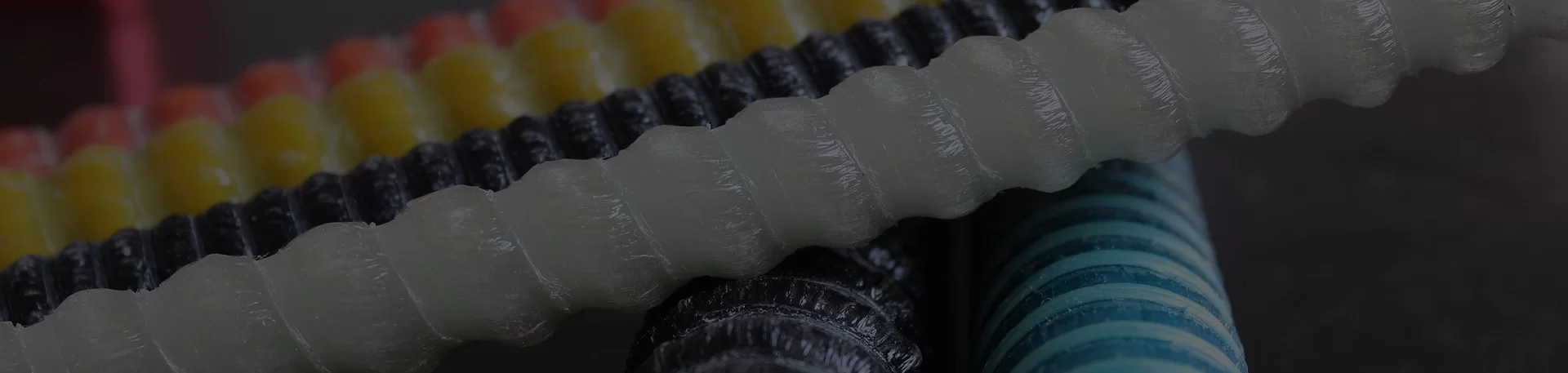
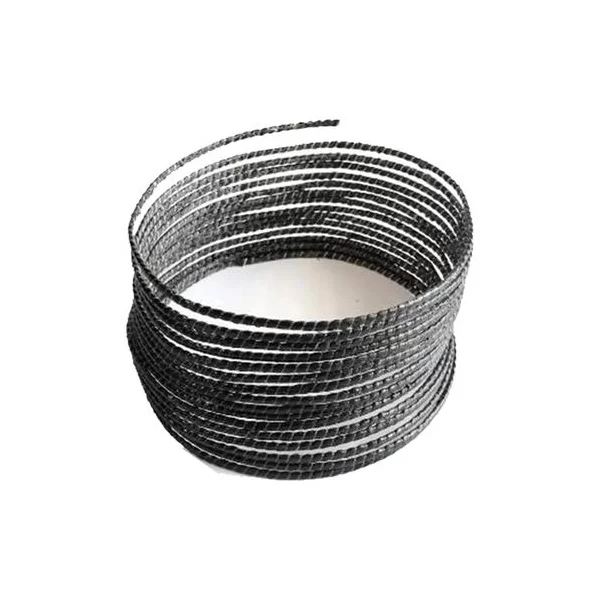
The 1990s witnessed a rise in the demand for fiber glass rebar, driven by the need for corrosion-resistant reinforcement in concrete structures, particularly in coastal regions. The adoption of epoxy resins further expanded the application range, enabling the development of high-performance composites.

The 21st century has seen a growing focus on advanced composite materials, including carbon fiber reinforcement, for specialized applications in aerospace, renewable energy, and high-end automotive industries. The demand for sustainable and eco-friendly materials is now driving innovation in bio-based resins and recycled fiberglass.

Future Development Trends

Enhanced Resin Systems

Research and development are focused on creating resins with improved mechanical properties, fire resistance, and UV stability. Nanotechnology is playing a key role in enhancing resin performance.

Automation and Robotics

The integration of automation and robotics in fiberglass manufacturing processes will increase efficiency, reduce labor costs, and improve product quality. Automated fiber placement (AFP) and automated tape laying (ATL) are gaining traction.

Sustainable Composites

The development of bio-based resins, recycled fiberglass, and biodegradable composites will address growing environmental concerns and promote a circular economy.

Industry Trends and Future Prospects for Fiberglass in Chile

Exploring the emerging trends and future outlook for fiberglass materials in the South American market.

Growth in Infrastructure Projects
Chile's continued investment in infrastructure, including roads, bridges, and water treatment facilities, will drive demand for durable and corrosion-resistant fiberglass materials.
Increasing Environmental Regulations
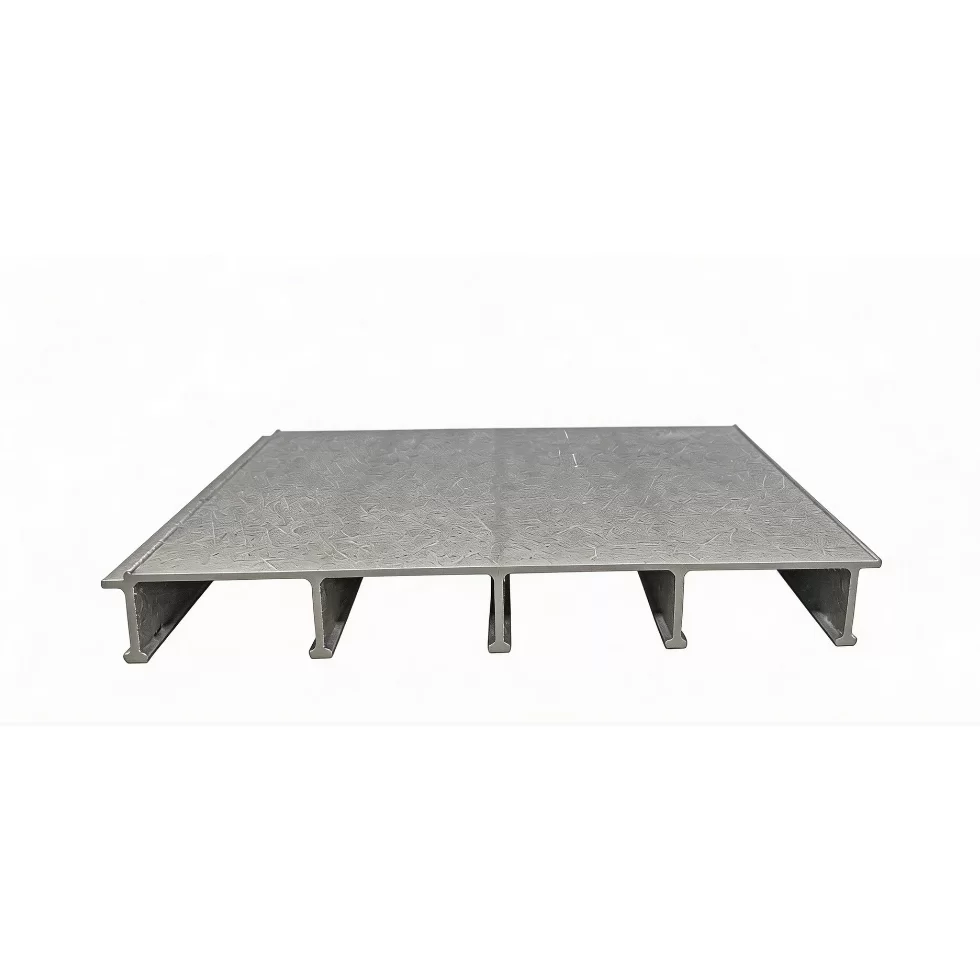
Stricter environmental regulations will promote the use of fiberglass guardrail mesh and sustainable composite materials as alternatives to traditional materials.
Rising Demand for Lightweight Materials
The transportation and renewable energy sectors will drive demand for lightweight, high-strength fiberglass composites to improve efficiency and reduce emissions.
Innovation in Manufacturing Processes
Continued advancements in manufacturing technologies, such as 3D printing with fiberglass composites, will unlock new applications and reduce production costs.

Industry Outlook

The Chilean fiberglass market is poised for steady growth in the coming years, driven by infrastructure development, environmental concerns, and the increasing adoption of advanced composite materials. Collaboration between local manufacturers and international technology providers will be crucial for driving innovation and competitiveness.

Focus on developing local expertise in advanced manufacturing techniques and promoting the use of sustainable materials will be key to unlocking the full potential of the fiberglass industry in Chile.

Localized Applications of Fiberglass Products in Chile

Exploring the specific applications of fiberglass in the Chilean context.

1. Water and Wastewater Treatment

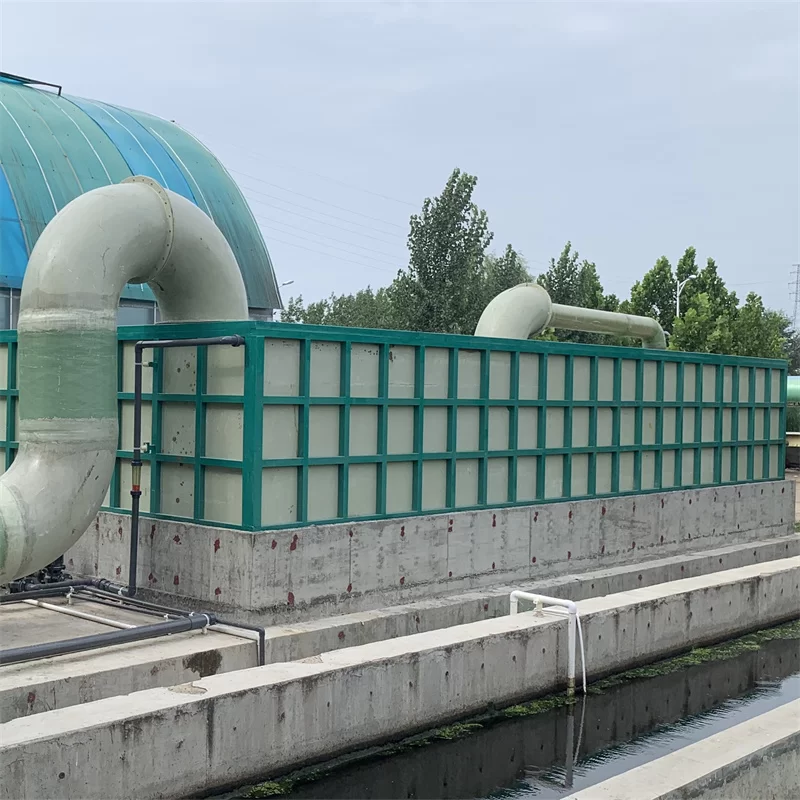
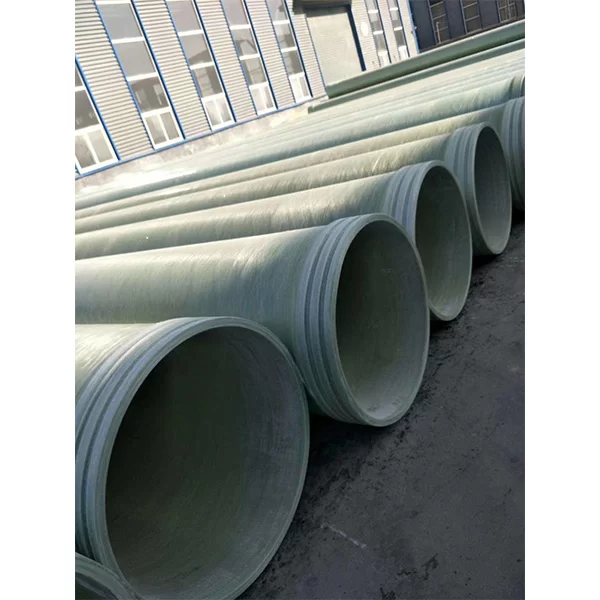
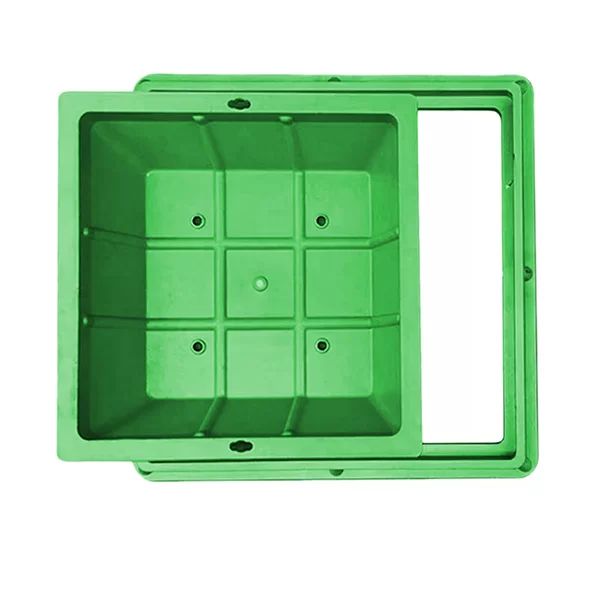
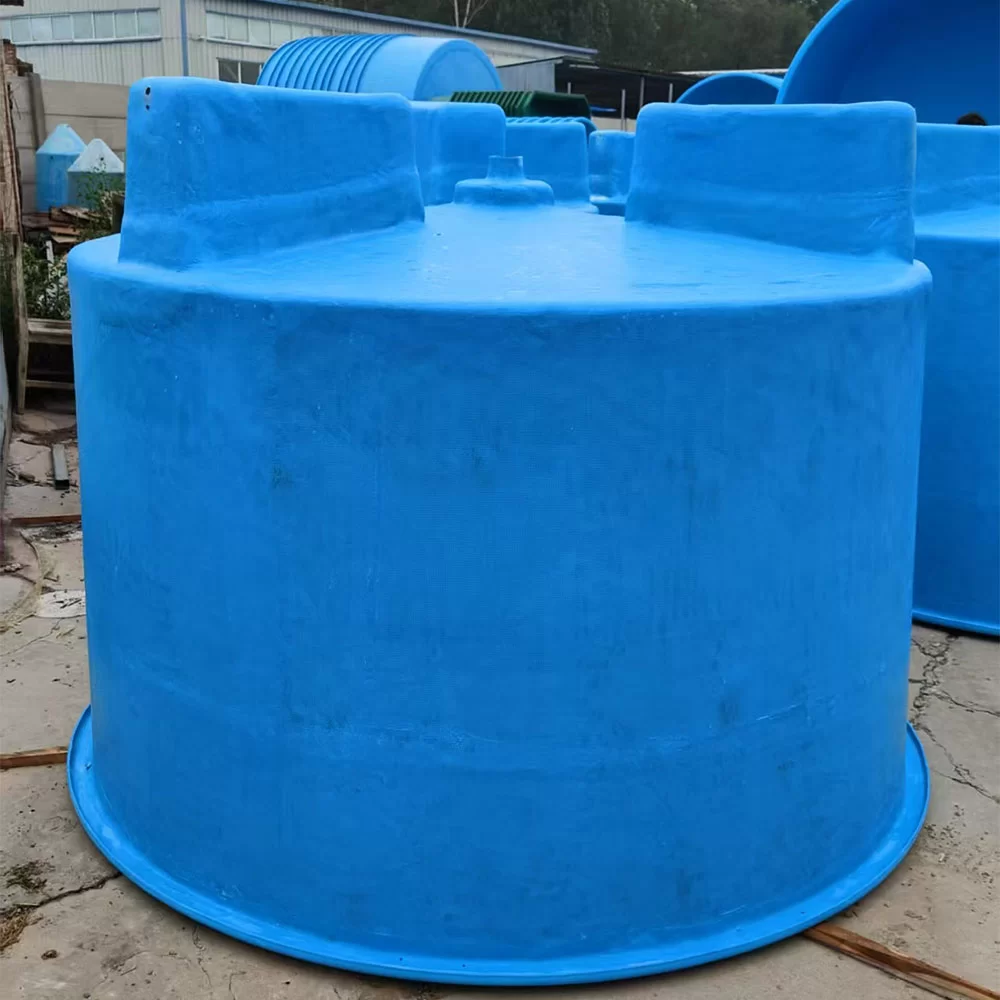
Chile's arid climate and water scarcity issues make efficient water and wastewater treatment crucial. Fiberglass septic tank systems offer a durable, leak-proof, and corrosion-resistant solution for decentralized wastewater treatment, particularly in rural areas with limited access to centralized infrastructure.

2. Coastal Infrastructure Protection

Chile's extensive coastline is vulnerable to corrosion from saltwater exposure. Fiberglass guardrail mesh and structural components provide long-lasting protection for piers, bridges, and other coastal infrastructure, reducing maintenance costs and ensuring safety.

3. Agricultural Applications

The agricultural sector in Chile benefits from fiberglass materials used in irrigation systems, storage tanks, and greenhouse structures. Fiberglass offers excellent resistance to chemicals and UV radiation, ensuring long-term performance in harsh agricultural environments.

4. Mining Industry Support

Chile's prominent mining industry utilizes fiberglass composites for corrosion-resistant piping, storage tanks, and structural components in processing plants. These materials reduce downtime and ensure safe operation in demanding mining environments.

Brand Story

Hebei Zhongtian Composite Materials Group Co., Ltd.'s global development journey.

Innovation in Composite Solutions

Established in 2005, Hebei Zhongtian Composite Materials Group has emerged as a leading manufacturer of fiberglass reinforced polymer (FRP) products.

Commitment to Quality

We adhere to stringent quality control standards, ensuring that our products meet or exceed industry requirements and customer expectations.

Global Reach

We serve customers across diverse industries worldwide, providing tailored solutions to address their unique challenges.

Sustainable Practices

We are committed to sustainable manufacturing practices, minimizing our environmental impact and promoting responsible resource management.

Customer-Centric Approach

We prioritize customer satisfaction, offering responsive support and collaborative partnerships to ensure project success.

Complete Product Portfolio for the Region

Our extensive range of fiberglass products caters to diverse applications in South America.

Frequently Asked Questions - Local to Chile

Answers to common questions about our fiberglass products and services in the Chilean market.

What is the lifespan of a fiberglass septic tank compared to a concrete one in Chile’s climate?

Fiberglass septic tanks typically have a lifespan of 50+ years, significantly longer than concrete tanks (20-30 years) due to their resistance to corrosion and cracking, particularly in Chile’s variable climate and soil conditions.

How does fiberglass rebar perform in seismic zones like Chile?

Fiberglass rebar offers superior tensile strength and flexibility compared to steel, making it an excellent choice for reinforcing concrete structures in seismic zones. It doesn't corrode and absorbs energy during earthquakes, enhancing structural resilience.

What are the maintenance requirements for fiberglass guardrail mesh in coastal areas of Chile?

Fiberglass guardrail mesh requires minimal maintenance, unlike steel which is prone to corrosion in saltwater environments. Occasional cleaning to remove dirt and debris is generally sufficient to ensure long-term performance.

Is carbon fiber reinforcement more expensive than fiberglass, and when is it justified in Chilean projects?

Carbon fiber reinforcement is indeed more expensive than fiberglass. However, its exceptional strength-to-weight ratio justifies its use in applications where weight reduction and maximum performance are critical, such as aerospace components or high-performance structures.

What environmental certifications do your fiberglass products hold?

We are committed to sustainability and our products meet relevant environmental standards and regulations. We can provide specific certification documentation upon request.

Can fiberglass products be repaired if damaged, and what is the typical repair process?

Yes, fiberglass products can often be repaired. The repair process typically involves cleaning the damaged area, applying a fiberglass patch with resin, and sanding to a smooth finish. Minor damage can be easily repaired on-site.

Let's Discuss Your Fiberglass Needs in Chile

Contact us today to explore how our fiberglass solutions can benefit your projects in South America, specifically Chile.

Contact Us Now

If you are interested in our products, you can choose to leave your information here, and we will be in touch with you shortly.