Industrial operators face severe material failures due to high humidity, soil salinity, and chemical exposure.
In coastal regions of Venezuela, salt-laden air and moisture penetrate concrete, causing traditional steel rebar to rust and expand, leading to structural spalling and failure.
Traditional concrete fiberglass septic tank alternatives often crack under unstable soil conditions, leading to groundwater contamination and frequent repairs.
Industrial processing plants struggle with rapid degradation of metal storage vessels when exposed to aggressive acids or alkaline waste, increasing operational downtime.
Transporting heavy concrete or steel components to remote Venezuelan mining or oil sites is expensive and time-consuming due to the sheer weight of materials.
Metal guardrails and gratings in humid industrial zones require constant painting and anti-corrosion treatment to prevent total collapse, inflating annual OpEx.
Difficulty in sourcing specialized, high-strength corrosion-resistant materials locally often delays critical infrastructure projects and environmental protection initiatives.
Replacing legacy materials with GFRP and carbon fiber to ensure longevity and structural integrity.
Replacing steel with fiber glass rebar eliminates oxidation. Its non-conductive and non-magnetic properties prevent corrosion in saltwater environments.
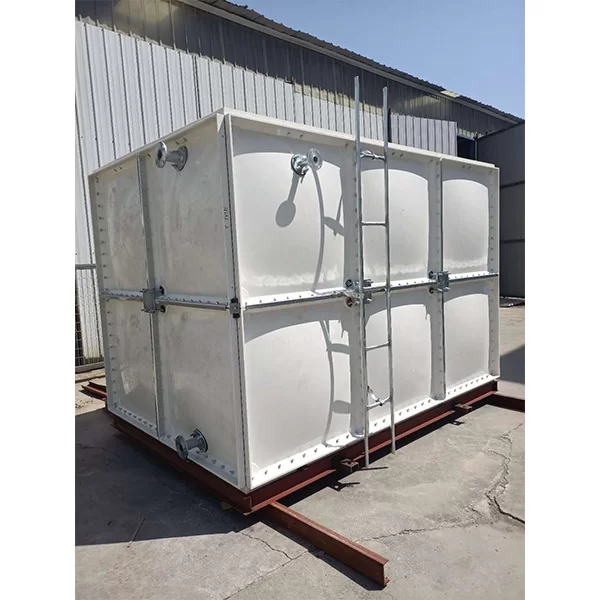
Using filament-wound GFRP for septic and storage tanks ensures a seamless, leak-proof structure that is chemically inert and highly resistant to soil pressure.
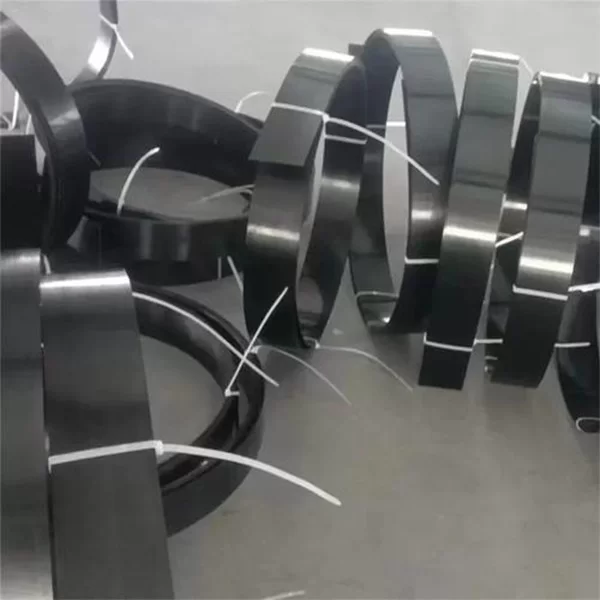
Utilizing carbon fiber reinforcement plates for retrofitting old concrete structures, providing extreme tensile strength without adding significant weight.
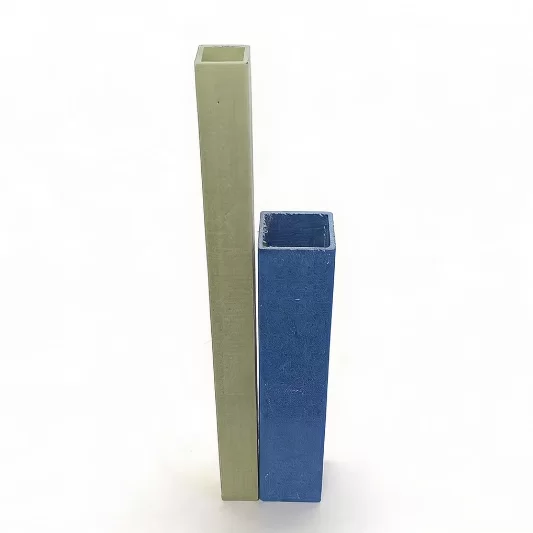
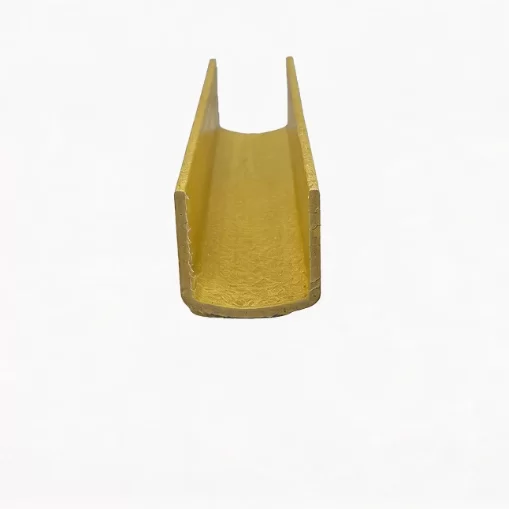
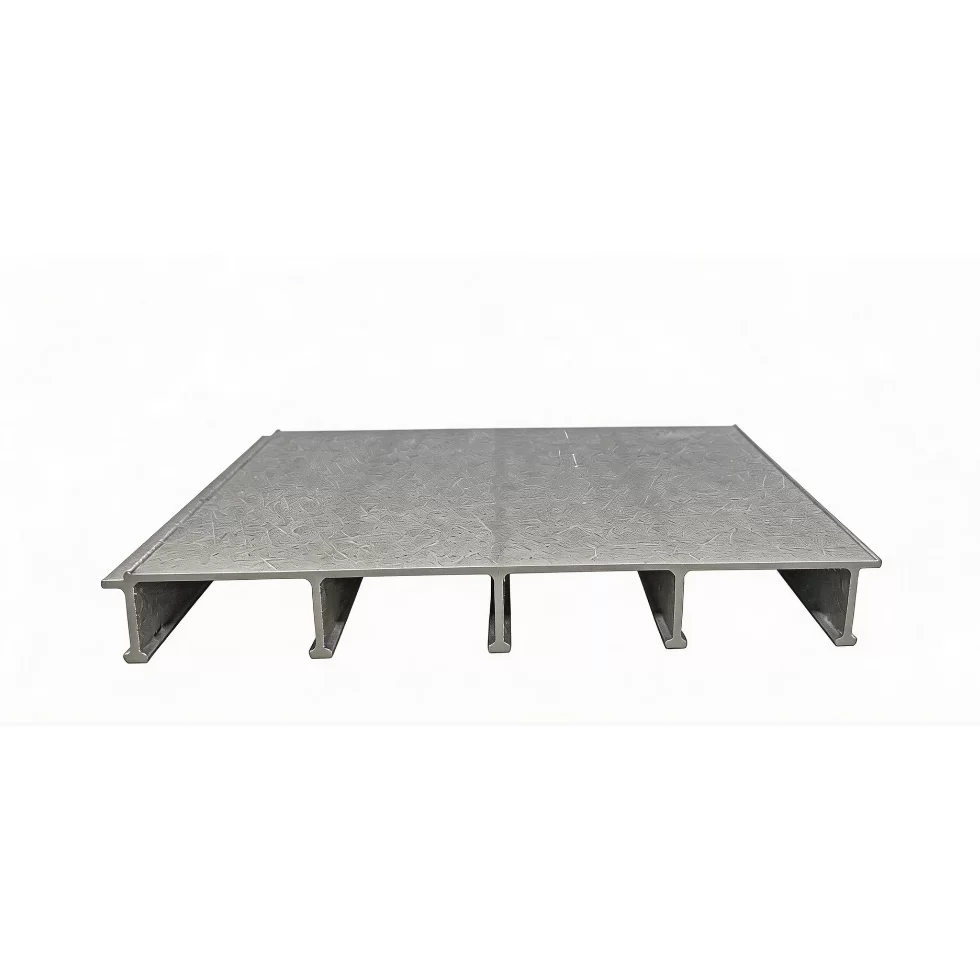
FRP profiles and gratings reduce total structural weight by up to 70% compared to steel, drastically lowering transportation and installation costs in remote areas.
Deploying fiberglass guardrail mesh and fences that never rust, eliminating the need for periodic painting and chemical coatings.
Leveraging large-scale production capabilities with ISO9001 certification to ensure a steady supply of standardized composite products to the Venezuelan market.


Comparative data highlighting the advantages of GFRP over traditional building materials.
Analyzing the shift toward non-metallic minerals in South American industrial applications.
Venezuela's industrial landscape is heavily characterized by the oil, gas, and mining sectors, which operate in some of the most corrosive environments in South America. From the saline coasts of the Caribbean to the humid interiors, traditional steel and concrete infrastructure suffer from rapid chemical degradation. This creates a critical need for high-performance fiberglass products that can withstand aggressive pH levels and moisture without losing structural integrity. The transition toward composites is no longer a luxury but a necessity for sustainable industrialization.
Current market trends show a significant shift toward "Life Cycle Costing" (LCC) rather than initial procurement cost. Operators are increasingly adopting GFRP rebar and FRP piping because the elimination of maintenance cycles offsets the higher material price. Additionally, the demand for integrated waste management solutions, such as FRP deodorization tanks and sewage pumping stations, is rising as Venezuela seeks to improve municipal environmental standards and protect local water sources from industrial runoff.
Despite logistical constraints, there is a growing opportunity for large-scale composite imports that offer integrated design and installation support. The primary constraint remains the lack of local high-precision winding and extrusion equipment. By bridging this gap, enterprises can implement GFRP solutions that reduce the carbon footprint associated with frequent reconstruction. The outlook for the next decade points toward the widespread adoption of carbon fiber reinforcement for critical bridge and refinery retrofitting across the region.
From basic hand-layup to microcomputer-controlled precision manufacturing.
The industry is moving beyond simple glass fiber. Hybrid composites combining GFRP with carbon fiber plates offer an optimal balance between cost-effectiveness and extreme stiffness for structural reinforcement.
New developments involve embedding sensors within FRP winding layers to monitor structural health and pressure changes in real-time, reducing the need for manual inspections.
Evolution toward low-VOC and bio-based resins is reducing the environmental impact of the manufacturing process while maintaining the chemical resistance required for industrial use.
How technology is redefining the lifecycle of industrial infrastructure.
Shift toward AI-controlled winding and extrusion to minimize material waste and ensure 100% consistency in wall thickness for high-pressure FRP piping.
Increased integration of FRP deodorization systems and integrated sewage stations to meet stricter environmental regulations in urban municipal areas.
Movement toward pre-fabricated FRP profiles and cable trays that can be rapidly deployed on-site, reducing labor costs and installation time.
Combining carbon fiber plates with GFRP sleeves to create "super-structures" that offer the highest strength-to-weight ratio for aerospace and marine apps.
The convergence of automation and material science is significantly lowering the barrier to entry for high-end composites. By utilizing microcomputer-controlled winding machines, manufacturers can now produce custom-diameter pressure pipes and complex tank geometries that were previously impossible. This precision ensures that fiber density is optimized for the specific stress points of the vessel, which is critical for the hazardous chemical storage typically found in Venezuelan refineries.
Furthermore, the industry is seeing a shift toward "Closed-Loop" composite systems. This includes the development of more recyclable thermoset resins and the use of SMC molding for complex shapes that reduce raw material waste. As environmental mandates tighten, the ability to provide certified ISO-compliant, eco-friendly composite solutions will become a primary competitive advantage for suppliers operating in the South American market.
How composite technologies are solving real-world engineering problems on the ground.
In high-salinity coastal environments, traditional steel rebar fails within years. By implementing fiber glass rebar in new bridge decks and using carbon fiber reinforcement for existing pillars, engineers eliminate the risk of chloride-induced corrosion, extending the bridge lifespan by several decades without requiring constant painting.
Chemical plants producing aggressive effluents often experience tank leakage. Installing integrated FRP deodorization tanks and GFRP process piping creates a chemically inert system. The non-reactive nature of the composite material prevents acid erosion, ensuring that hazardous waste is safely contained and treated before discharge.
Transporting heavy concrete septic tanks to remote jungle areas is logistically impossible. Deploying lightweight, filament-wound fiberglass septic tank systems allows for easy transport via small vehicles. Once installed, these tanks resist soil movement and moisture, providing sustainable sanitation in unstable terrain.
The high temperature and corrosive nature of hydrocarbons degrade metal pipes. Replacing them with GFRP pressure pipes and sand-lined pipes prevents internal erosion. The thermal insulation properties of composites also reduce heat loss in process piping, improving overall energy efficiency of the refinery operations.
Metal gratings in port areas rust quickly, creating safety hazards. Replacing them with FRP gratings and fiberglass guardrail mesh provides a slip-resistant, non-corrosive surface. This removes the need for hazardous anti-rust coatings and significantly reduces the risk of structural failure under heavy foot traffic.
Typical outcomes and operational feedback from composite deployments.
The transition to GFRP rebar in our coastal projects has completely eliminated the structural cracking we previously saw with steel. The non-corrosive nature of the material means we no longer spend our budget on constant patch-work and surface painting.
Switching to filament-wound FRP storage tanks for our chemical waste has reduced our leakage incidents to zero. The installation was significantly faster than concrete alternatives, and the weight reduction made deployment in remote sites much easier.
Using carbon fiber reinforcement for retrofitting existing concrete supports allowed us to increase load capacity without adding bulk. It is the only viable solution for our aging refinery structures where space for new supports is limited.
Over a decade of excellence in composite engineering and industrial manufacturing.
Hebei Zhongtian was established as a large-scale production enterprise integrating design, production, sales, and installation, strategically located in the fiberglass industry hub of Zaoqiang County.
The company invested in advanced FW-4000 microcomputer controlled winding machines and BWFRP power pipe weaving equipment to achieve industrial-scale precision and high-pressure capacity.
Successfully passed ISO9001:2000 quality system certification, along with environmental management and occupational health and safety certifications, enabling international expansion.
Expert answers to common concerns regarding composite materials in Venezuela.
The primary advantage is total immunity to corrosion. Steel rebar oxidizes when exposed to chlorides in saltwater, causing the concrete to crack and spall. GFRP (Glass Fiber Reinforced Polymer) is chemically inert, meaning it cannot rust. This significantly extends the service life of the structure and eliminates the need for expensive cathodic protection systems or frequent surface repairs.
While the initial material cost of a fiberglass tank may be slightly higher, the total life-cycle cost is lower. Concrete tanks are prone to cracking due to soil movement and chemical erosion from sewage, requiring expensive repairs or total replacement. Fiberglass tanks are flexible, leak-proof, and corrosion-resistant, resulting in near-zero maintenance costs over 20 years.
Yes, carbon fiber plates are specifically designed for structural retrofitting. They are bonded to the surface of existing concrete using high-strength epoxy resins. This increases the tensile and shear strength of the bridge without adding significant weight or reducing clearance. This is a common implementation pattern for upgrading aging infrastructure to meet modern load requirements.
High-pressure capacity is achieved through microcomputer-controlled filament winding, which ensures precise fiber orientation and uniform wall thickness. Our products follow ISO9001 standards, and the use of high-grade resins ensures that the pipes can withstand significant internal pressure and external loads while remaining resistant to the chemical nature of the fluids they carry.
Yes, FRP is highly stable across a wide range of temperatures. Unlike metals, it does not expand or contract as drastically during thermal cycling. Furthermore, it is an electrical insulator, which adds a critical layer of safety in industrial zones where electrical conductivity in walkways could pose a risk to personnel.
The first step is a comprehensive site analysis focused on the chemical environment (pH levels), load requirements, and installation constraints. Once these parameters are defined, an engineer can determine whether GFRP, carbon fiber, or a hybrid system is most appropriate. We recommend consulting technical specifications to ensure the resin type matches the chemical exposure of your specific application.
Whether you are managing a municipal project or an industrial plant in Venezuela, our engineering team can help you select the optimal GFRP or carbon fiber system to eliminate corrosion and reduce maintenance. Discuss your technical requirements with Hebei Zhongtian today to ensure your project meets international ISO standards and local environmental conditions.
Discuss Your Requirements