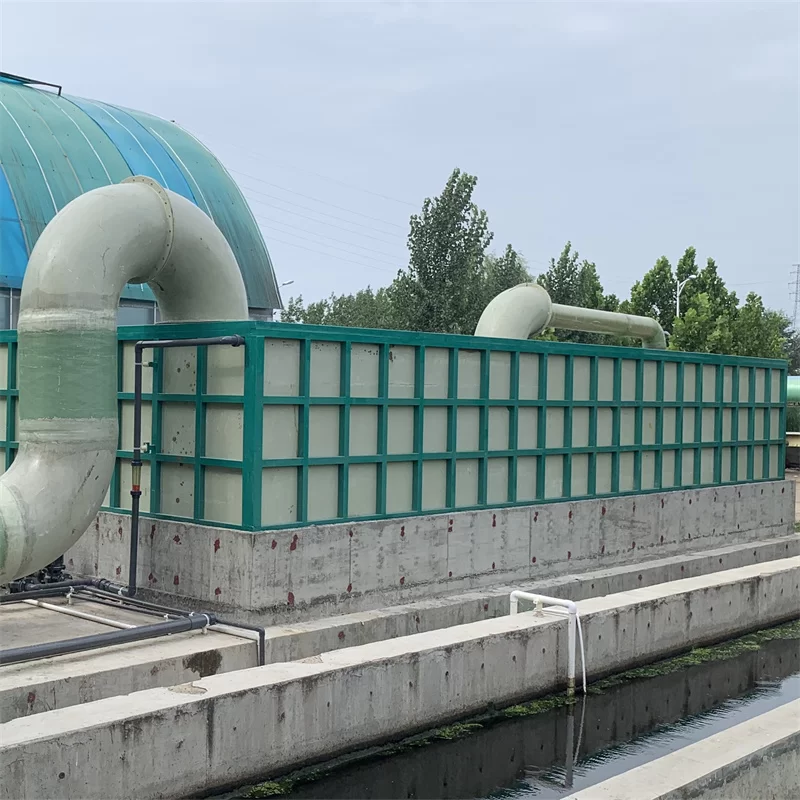
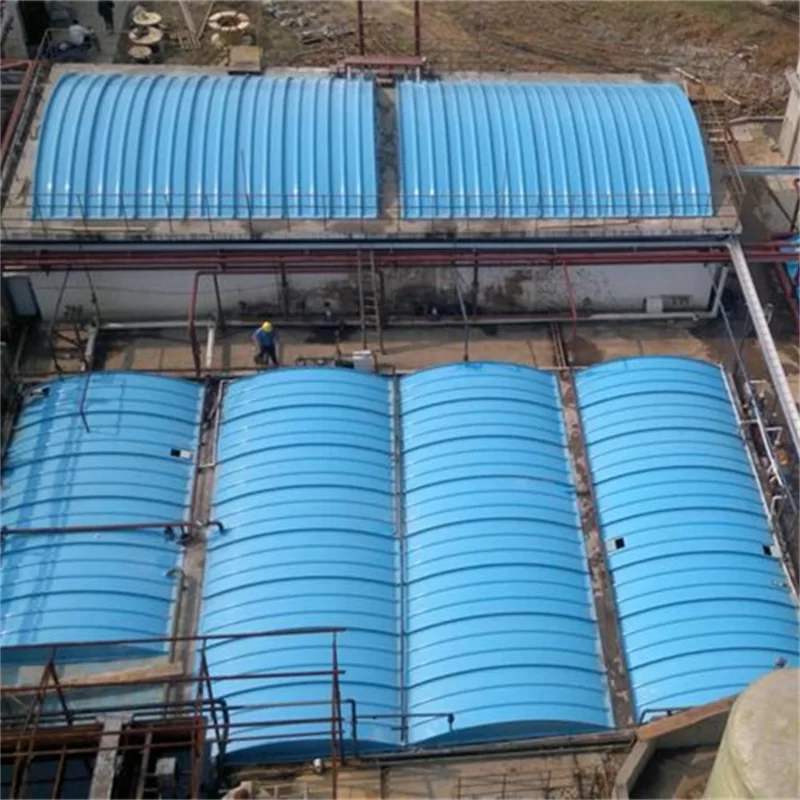
Fiberglass Septic Tank Solutions for Vietnam

Fiberglass Septic Tank Solutions for Vietnam

Delivering durable and cost-effective fiberglass solutions to meet Vietnam's infrastructure needs.

Fiberglass Septic Tank Solutions for Vietnam

Providing innovative fiberglass septic tank solutions designed for the unique demands of the Vietnamese market.

Current State of Fiberglass Products in Vietnam

Analyzing the market dynamics and challenges for fiberglass products in Vietnam.

Vietnam's rapid urbanization and infrastructure development are driving increased demand for durable and corrosion-resistant materials. Fiberglass products are increasingly favored for their lightweight nature and longevity, particularly in coastal regions susceptible to saltwater corrosion. The growing awareness of sustainable construction practices further boosts the adoption of fiberglass solutions.

However, the Vietnamese market presents unique challenges. Competition from traditional materials like concrete is strong, and price sensitivity is high. Import tariffs and logistical hurdles can also impact the cost-effectiveness of fiberglass products. Furthermore, a lack of standardized quality control measures necessitates careful sourcing from reputable manufacturers.

The construction sector, agriculture, and wastewater management are key industries driving demand. The need for efficient and environmentally friendly wastewater treatment systems is especially prominent, creating a significant opportunity for fiberglass septic tank applications.
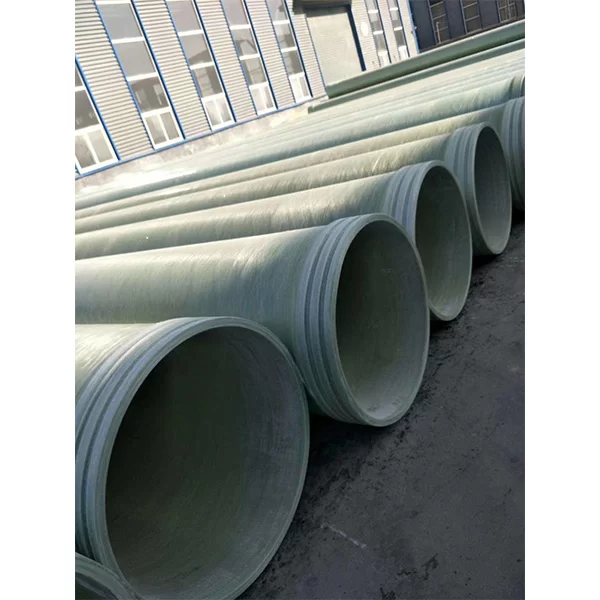
Evolution of Fiberglass Reinforced Plastics in Vietnam

Tracing the development of fiberglass technology and its application in Vietnam.

Market Development History

Initially, fiberglass use in Vietnam was limited to small-scale applications, primarily in boat building and automotive parts during the 1990s. The early 2000s saw a gradual increase in demand with the expansion of the construction industry. Early materials were often imported, leading to high costs.

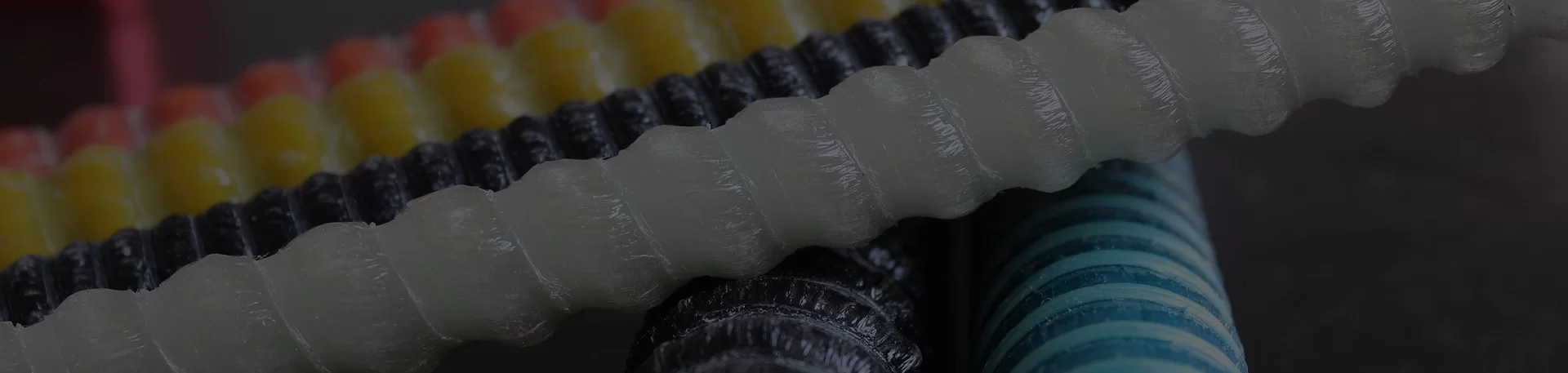
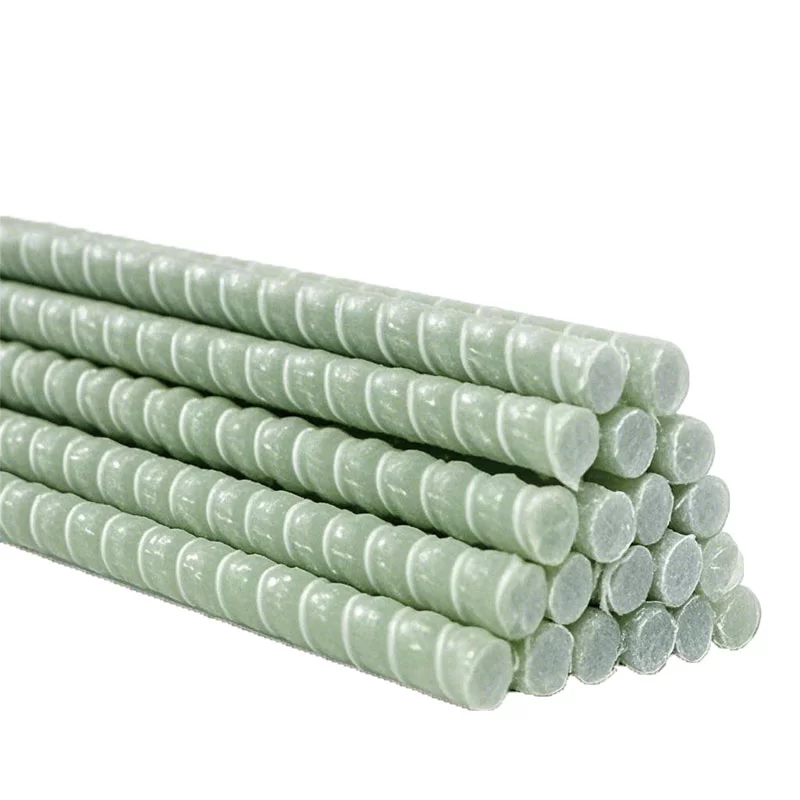
Around 2010, local manufacturing capabilities began to emerge, driven by foreign investment and technology transfer. This resulted in lower prices and increased accessibility. Fiber glass rebar started gaining traction as a corrosion-resistant alternative to steel.

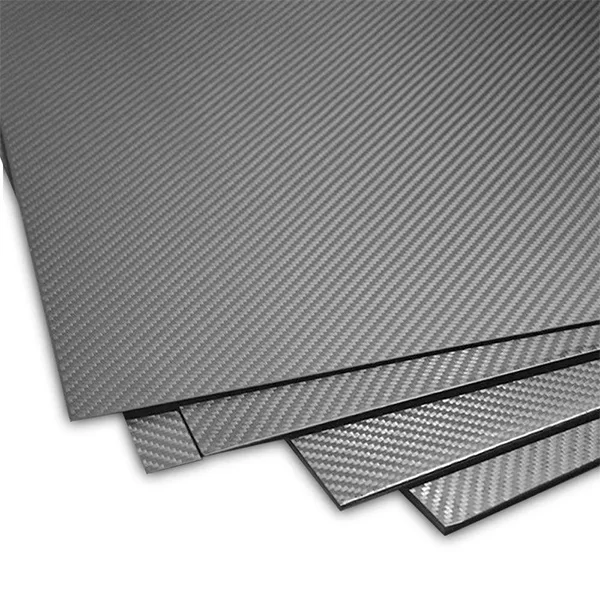
The last decade has witnessed a surge in the use of advanced composites, including carbon fiber reinforcement in high-performance applications like infrastructure projects and renewable energy. The focus is now on enhancing product quality and promoting sustainable practices.

Future Development Trends

Increased Adoption of Sustainable Composites

Driven by global environmental concerns, there's a growing demand for bio-based resins and recyclable fiberglass materials. Vietnam is poised to benefit from this trend as it seeks to reduce its carbon footprint.

Advanced Manufacturing Techniques

Automation, 3D printing, and other advanced manufacturing technologies will improve production efficiency, reduce costs, and enable the creation of complex fiberglass structures.

Smart Infrastructure Solutions

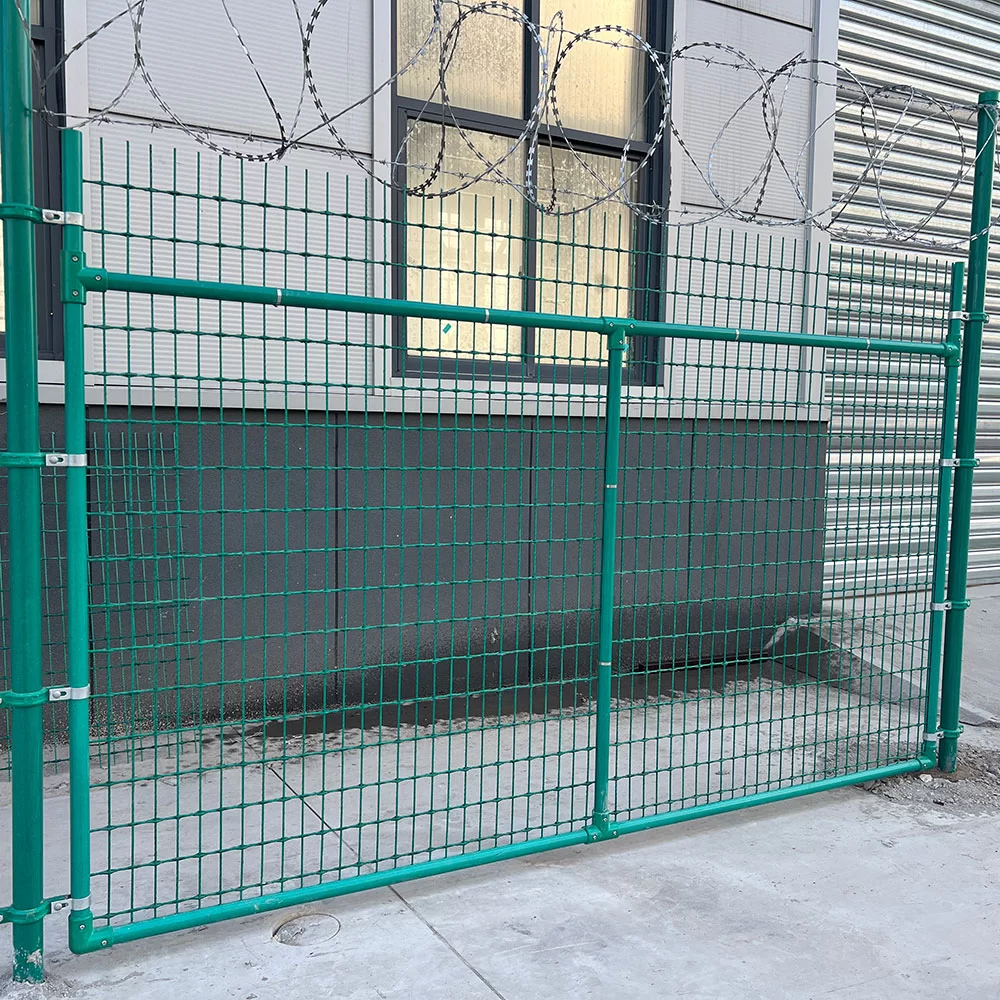
Integrating sensors and data analytics into fiberglass structures will create "smart infrastructure" that monitors its own health and performance, optimizing maintenance and extending lifespan. Fiberglass guardrail mesh utilizing sensor technology is a prime example.

Industry Trends and Future Outlook

Exploring the future potential of fiberglass composites in Vietnam.

Growing Demand in Water Infrastructure
Vietnam's increasing focus on improving water and wastewater treatment facilities will drive demand for corrosion-resistant fiberglass solutions.
Expansion in Renewable Energy
The growth of wind energy and solar farms in Vietnam will require lightweight and durable fiberglass components for turbine blades and structural supports.
Agricultural Applications
Fiberglass is finding increasing use in greenhouses, irrigation systems, and livestock housing due to its corrosion resistance and lightweight properties.
Infrastructure Development
Demand for durable and low-maintenance infrastructure components, such as bridges, walkways, and guardrails, will continue to grow.

Industry Outlook

The Vietnamese fiberglass market is expected to experience robust growth over the next 5-7 years, driven by infrastructure development and a growing awareness of the material's benefits. Strategic partnerships between local manufacturers and international technology providers will be crucial for fostering innovation and expanding market share.

Government policies supporting sustainable construction and infrastructure development will further accelerate the adoption of fiberglass composites. Focus on quality control and standardization will be essential for building trust and ensuring long-term market stability.

Localized Application Scenarios in Vietnam

Specific use cases for fiberglass products tailored to the Vietnamese context.

1. Coastal Wastewater Treatment Plants

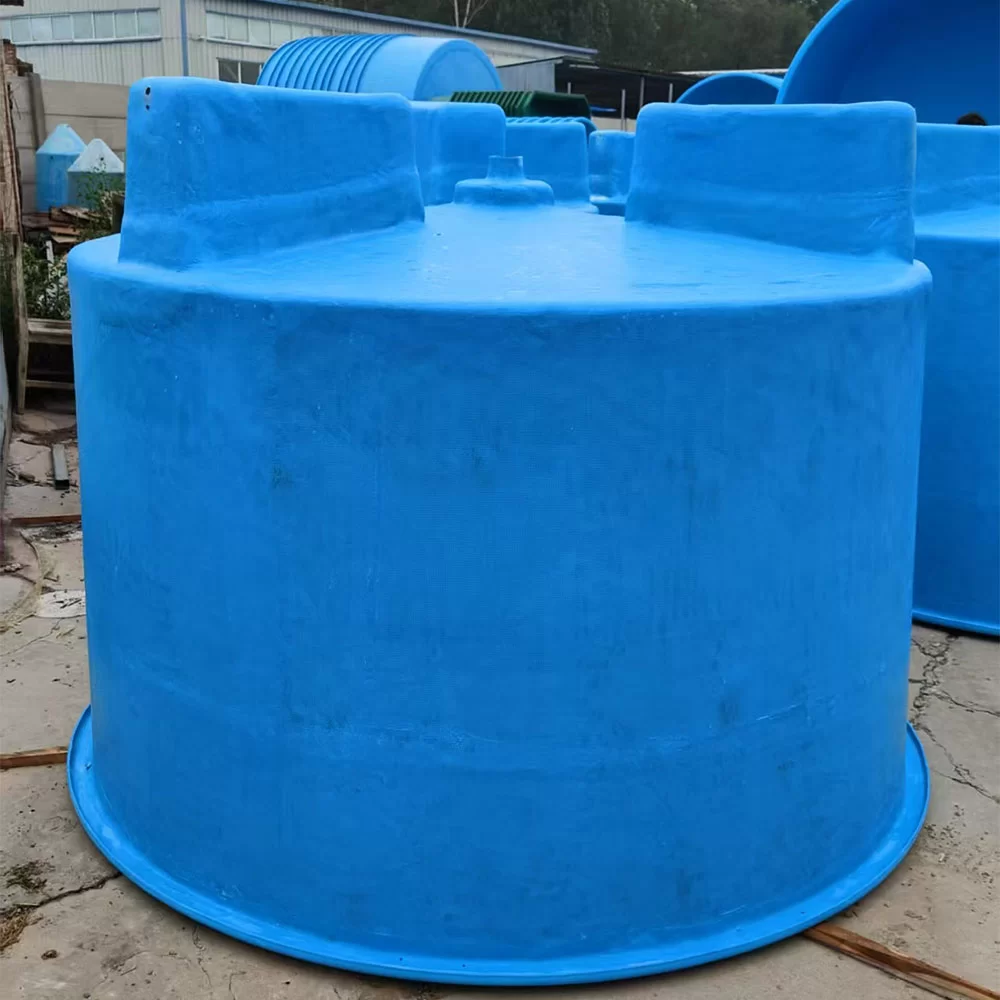
Vietnam's long coastline and numerous coastal communities require robust wastewater treatment solutions. Fiberglass septic tanks offer superior corrosion resistance in saltwater environments, minimizing maintenance and extending service life.

2. Irrigation Systems in the Mekong Delta

The Mekong Delta's intensive agricultural practices rely heavily on efficient irrigation. Fiberglass pipes and channels are lightweight, easy to install, and resistant to the corrosive effects of fertilizers and pesticides.

3. Wind Turbine Blades

Vietnam's growing investment in wind energy presents a significant opportunity for fiberglass composite materials. Lightweight and durable fiberglass blades enhance turbine efficiency and reduce operating costs.

4. Rural Road Construction with Fiberglass Rebar

Utilizing fiber glass rebar in road construction, especially in regions with high salinity, helps prevent corrosion and increases the lifespan of the infrastructure.

5. Fiberglass Guardrails on Mountainous Highways

With its extensive network of mountain highways, Vietnam can benefit from the use of fiberglass guardrail mesh, providing durable and low-maintenance safety barriers.

Brand Story

Hebei Zhongtian Composite Material Group Co., Ltd.'s global development journey

Foundation and Innovation

Founded in 2005, Hebei Zhongtian Composite Material Group Co., Ltd. began as a pioneer in fiberglass composite manufacturing, focused on delivering superior quality and innovative solutions.

Technological Advancement

Over the years, we have consistently invested in research and development, adopting advanced manufacturing techniques to enhance product performance and expand our portfolio.

Market Expansion

We expanded our reach internationally, serving diverse industries and building strong partnerships across the globe.

Commitment to Sustainability

We are dedicated to sustainable manufacturing practices, minimizing our environmental impact and promoting responsible resource management.

Vision for the Future

Our mission is to provide durable, cost-effective, and environmentally friendly fiberglass composite solutions that address the evolving needs of our clients.

Complete Product Portfolio for the Region

Explore our extensive range of fiberglass products tailored to meet the demands of the Vietnamese market.

Frequently Asked Questions - Vietnam

Addressing common inquiries about our fiberglass products in the Vietnamese market.

What is the expected lifespan of a fiberglass septic tank in a coastal Vietnamese environment?

Fiberglass septic tanks installed in coastal regions of Vietnam, with proper installation and maintenance, can have a lifespan of 50 years or more due to their excellent corrosion resistance.

How does fiberglass rebar compare to steel rebar in terms of cost-effectiveness over its lifespan in Vietnam?

While the initial cost of fiberglass rebar may be higher, its corrosion resistance eliminates the need for frequent replacements, resulting in significant long-term cost savings, especially in humid and saline environments.

Are your fiberglass products certified to meet Vietnamese construction standards?

Yes, our products undergo rigorous testing and are certified to comply with relevant Vietnamese construction standards and regulations.

What are the environmental benefits of using fiberglass composites compared to traditional materials like concrete?

Fiberglass composites are lighter, require less energy to produce and transport, and have a longer lifespan, reducing the need for frequent replacements and minimizing waste.

Do you offer installation support and training for your fiberglass products in Vietnam?

Yes, we provide comprehensive installation support, technical training, and on-site assistance to ensure the proper implementation of our products.

What is the fire resistance rating of your fiberglass products?

Our fiberglass products have been tested and certified for fire resistance, meeting industry standards for safety and performance.

Get in Touch with Us

We are dedicated to providing innovative fiberglass solutions to meet the evolving needs of infrastructure and industry in Vietnam.

Contact Us Now

If you are interested in our products, you can choose to leave your information here, and we will be in touch with you shortly.