


Addressing the operational hurdles of material degradation and logistics in Zambia's industrial and municipal sectors.
Traditional steel rebar in coastal or high-moisture Zambian soil suffers from rapid oxidation. This leads to concrete spalling and structural instability in critical municipal bridges and roads.
Conventional concrete fiberglass septic tank alternatives often crack due to ground shift, leading to groundwater contamination in residential and rural areas.
The heavy weight of traditional metal components increases transportation costs across Zambia's vast geography, inflating the overall project budget for remote mining sites.
Industrial piping and chemical storage tanks in mining operations degrade quickly under acidic conditions, requiring frequent shutdowns and expensive manual repairs.
Stricter waste management regulations in Zambia demand leak-proof storage and transport systems that prevent hazardous chemicals from entering the local ecosystem.
Standard metal guardrails often deform permanently after impact and rust over time, failing to provide long-term protection on high-traffic Zambian highways.
Replacing vulnerable materials with high-performance GFRP and carbon fiber technology for long-term durability.
By using fiber glass rebar, we eliminate electrochemical corrosion. The non-conductive nature of GFRP ensures structural integrity without the risk of rust, extending bridge lifespans.
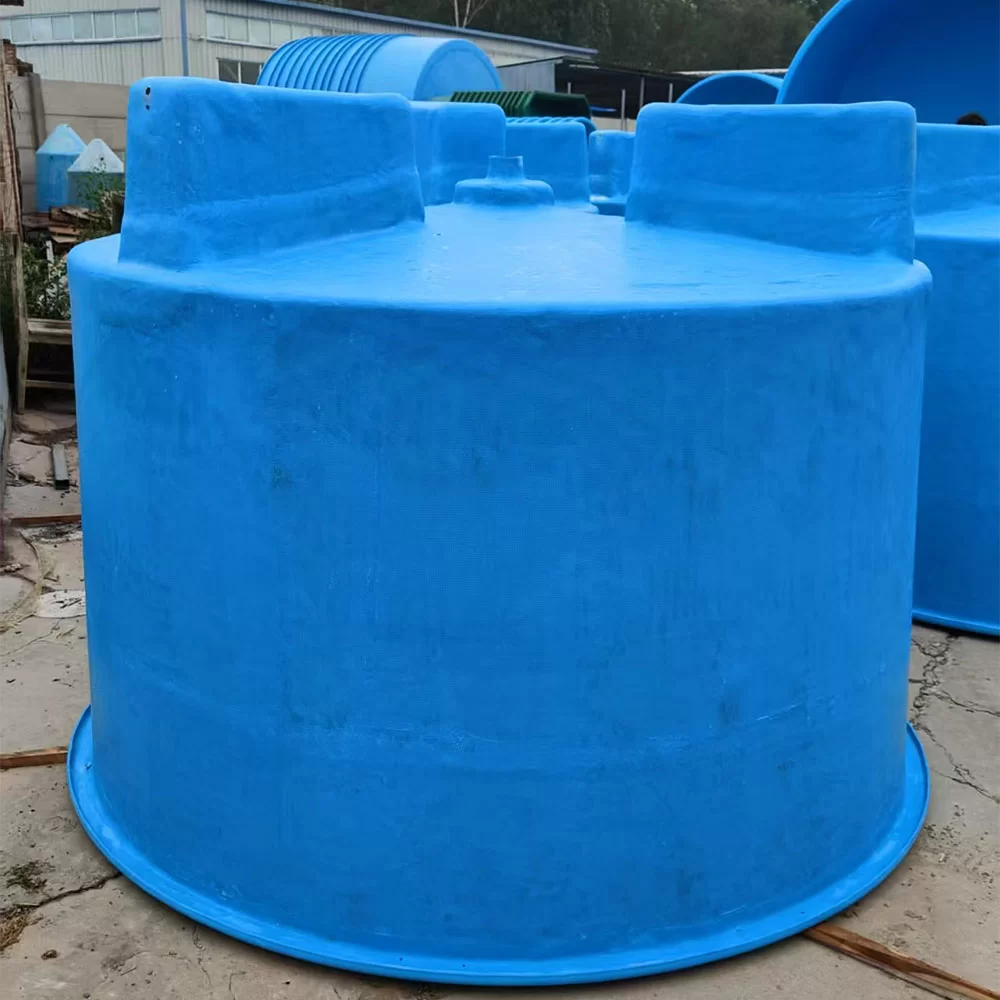
Our filament-wound FRP tanks provide seamless construction and high flexibility, preventing the cracks typical of concrete and ensuring a leak-proof barrier for waste management.
FRP profiles significantly reduce the dead load of structures. This lowers shipping costs to remote Zambian provinces and accelerates installation speed using lighter machinery.
Implementing sand-lined and FRP process piping creates an inert internal environment, preventing acid erosion in mining and industrial fluid transport systems.
Modular FRP sewage pumping stations offer rapid deployment and superior corrosion resistance, meeting environmental standards for municipal water treatment.
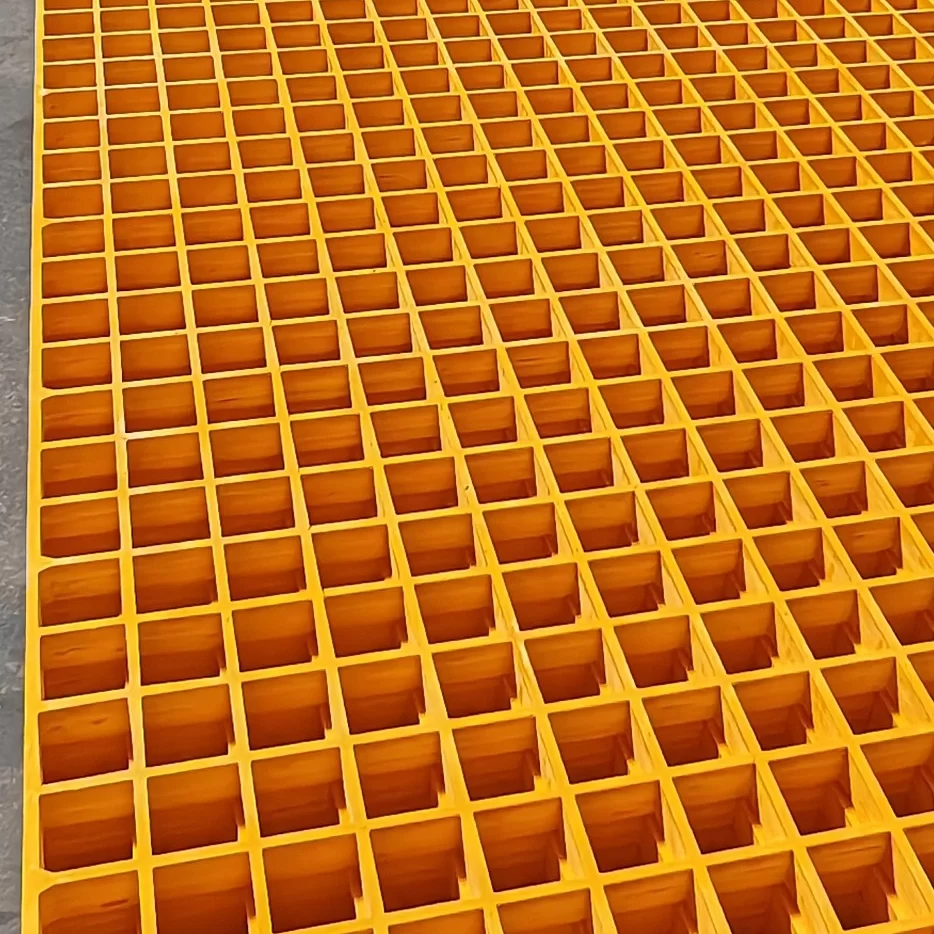
Our fiberglass guardrail mesh combines high impact absorption with weather resistance, remaining structurally sound without painting or anti-rust coatings.

Measurable advantages of GFRP and Carbon Fiber compared to traditional industrial materials.
Analyzing the transition from conventional metals to advanced FRP in the heart of Southern Africa.
Zambia's industrial landscape is heavily driven by the mining sector and growing municipal infrastructure. Historically, the market relied on imported steel and concrete; however, the harsh environmental conditions—ranging from acidic mine tailings to high humidity in tropical zones—have accelerated the degradation of these materials. This has created a significant demand for non-corrosive alternatives. The adoption of fiberglass reinforced polymer (FRP) is now becoming a strategic priority for Zambian contractors seeking to reduce long-term lifecycle costs and minimize maintenance downtime in remote operational areas.
Recent trends show a shift toward modularity and sustainability. The demand for carbon fiber reinforcement is growing in specialized structural retrofitting, where increasing the load capacity of existing bridges is necessary without adding significant weight. Furthermore, the municipal sector is prioritizing integrated sewage solutions to align with national environmental goals, favoring FRP's superior sealing capabilities over traditional masonry. The integration of microcomputer-controlled winding and extrusion technology allows for the production of precise, high-pressure pipes and tanks that meet international ISO standards.
Looking forward, the primary constraint remains the initial cost gap between FRP and traditional materials. However, when evaluating the Total Cost of Ownership (TCO), the elimination of painting, anti-corrosion treatments, and the reduction in replacement frequency make composite materials the economically superior choice. The outlook for the Zambian market is positive, with increased opportunities in the "South to North" water diversion projects and urban environmental improvement initiatives, where durable, chemical-resistant piping and storage systems are essential.
Tracing the path from basic glass fiber applications to high-strength carbon fiber composites.
The transition from manual spraying to FW-4000 microcomputer controlled winding has reduced human error and ensured that every composite pipe and tank has uniform wall thickness and consistent tensile strength, critical for pressure-bearing applications in Zambia.
Combining glass fiber for cost-effective volume and carbon fiber for targeted strength has allowed engineers to optimize weight and performance, specifically in the production of CFGJ high-strength corrosion-resistant FRP sleeves.
The industry has evolved from selling individual components to providing integrated systems, such as complete sewage pumping stations that combine storage, pumping, and deodorization in one FRP-constructed unit.
How emerging technologies are reshaping the application of fiberglass reinforced plastics.
The shift toward AI-driven quality control in winding processes is reducing material waste and ensuring that GFRP rebar meets stringent safety tolerances for large-scale infrastructure.
Increased focus on the longevity of FRP products reduces the carbon footprint associated with frequent replacement and demolition of concrete structures in Zambian urban centers.
Moving toward fully integrated, prefabricated FRP utility units (tanks, pumps, and filters) allows for faster site deployment and minimizes on-site labor risks in remote areas.
Expanding the use of carbon fiber protective covers and plates for extreme load-bearing needs in mining shafts and industrial heavy-duty flooring.
The evolution of the industry is moving toward a holistic "Material Life Cycle" approach. By optimizing the resin-to-glass ratio and utilizing pultruded profiles, manufacturers can now produce components that are not only stronger but also more resistant to UV degradation, which is a critical factor for outdoor installations in Zambia's high-solar radiation environment.
Furthermore, the integration of SMC molding series allows for the creation of complex geometries that were previously impossible with hand-layup. This precision engineering reduces the need for secondary modifications on-site, lowering the risk of structural weaknesses and ensuring that every component fits perfectly within the designed system.
Real-world deployments where composite materials solve specific operational challenges.
In the Copper Belt, acidic wastewater is highly corrosive to steel pipes. By deploying FRP filament-wound pipes and process piping, operators avoid the catastrophic failures associated with metal rust. The non-reactive nature of the resin ensures a leak-free transport system, protecting the surrounding soil and reducing maintenance shutdowns.
Installing a fiberglass septic tank in rural Zambian villages solves the problem of porous concrete tanks leaking into shallow wells. The lightweight nature of the FRP tanks allows them to be transported via small trucks to remote areas and installed quickly, providing an immediate improvement in public health.
For urban bridges facing heavy traffic and humidity, using fiber glass rebar in the concrete deck prevents the internal corrosion that typically causes "concrete cancer." This reduces the need for frequent surface patching and extends the overall structural life of the bridge by decades.
Deploying fiberglass guardrail mesh on major Zambian highways provides a high-strength, low-maintenance alternative to steel. These barriers do not rust in rainy seasons and offer better energy absorption during impacts, enhancing driver safety while reducing long-term replacement costs.
Fertilizer plants in Zambia require large-scale storage for corrosive chemicals. FRP filament-wound storage tanks provide the necessary chemical resistance and structural strength. These tanks are designed to withstand external temperature fluctuations without warping, ensuring the safe containment of volatile substances.
Illustrative outcomes based on typical composite material implementations in industrial contexts.
In mining applications, switching from steel to FRP process piping typically eliminates the annual corrosion-related leaks. The transition reduces emergency repair costs and ensures that chemical transport remains uninterrupted, which is vital for maintaining production quotas in high-output facilities.
For municipal water projects, the use of integrated FRP sewage pumping stations allows for a 40% faster installation time compared to cast-in-place concrete. The seamless walls of the fiberglass structure ensure that there is zero seepage into the surrounding groundwater.
Implementing GFRP rebar in coastal or high-moisture soil areas removes the need for expensive epoxy coatings on steel. The structural integrity remains constant over time, significantly lowering the lifecycle maintenance budget for public infrastructure like pedestrian bridges.
A decade of excellence in the design, production, and installation of high-performance composite materials.
Founded in Zaoqiang County, a hub for the fiberglass industry, the company began as a dedicated production enterprise integrating design, sales, and installation of FRP products.
Invested in advanced machinery including FW-4000 microcomputer winding machines and BWFRP power pipe weaving equipment to enhance production capacity and precision.
Successfully passed ISO9001:2000 quality system certification, environmental management system certification, and occupational health and safety management system certification.
Establishing long-term cooperative relationships internationally, contributing to environmental protection projects and major water diversion initiatives with high-strength FRP solutions.


Technical and operational answers for Zambian engineers and procurement managers.
The primary advantage is complete immunity to electrochemical corrosion. Unlike steel, which oxidizes and expands when exposed to moisture and salts—causing concrete to crack—GFRP does not rust. This makes it ideal for Zambian bridge decks, marine structures, and industrial flooring, significantly extending the service life of the concrete and reducing the need for costly maintenance and replacement.
Fiberglass tanks are superior in terms of impermeability and installation speed. While concrete tanks are prone to hairline fractures and seepage over time, filament-wound FRP tanks are seamless and flexible, resisting ground shifts. Additionally, they are significantly lighter, allowing for easier transport to remote rural sites in Zambia and rapid installation without the need for extensive on-site curing times.
Yes, carbon fiber reinforcement is highly effective for structural retrofitting. Carbon fiber plates and wraps can be applied to existing concrete beams or columns to increase their load-bearing capacity without adding substantial volume or weight. This is particularly useful in mining shafts or aging industrial facilities where increasing the structural strength is required but space for traditional reinforcement is limited.
Depending on the resin type and the concentration of the chemicals, FRP piping can last 30 to 50 years, far exceeding the lifespan of most treated metals. For extreme conditions, we utilize sand-lined pipes or specialized resins that prevent chemical permeation. The lack of corrosion ensures that the internal diameter remains constant, maintaining flow efficiency and preventing the blockages common in rusted pipes.
FRP materials have a low coefficient of thermal expansion and high thermal stability. They do not warp or degrade under the intense UV radiation and temperature swings common in Zambia. To further enhance durability, our products often include UV-stabilized outer layers (gel coats) that protect the structural fibers from solar degradation, ensuring long-term mechanical performance.
The choice depends on the balance between budget and required performance. GFRP is the ideal choice for the majority of corrosion-resistance and general structural applications due to its cost-effectiveness and high strength. Carbon fiber should be selected when extreme stiffness, minimal weight, or maximum tensile strength is the priority, such as in specialized structural reinforcement or high-performance protective covers.
Whether you are managing a municipal water project, a mining operation, or a highway construction site in Zambia, our team can provide the technical guidance and high-performance materials needed to eliminate corrosion and extend structural life. Discuss your project specifications with our experts to find the ideal balance of GFRP and carbon fiber solutions.
Request a Consultation

