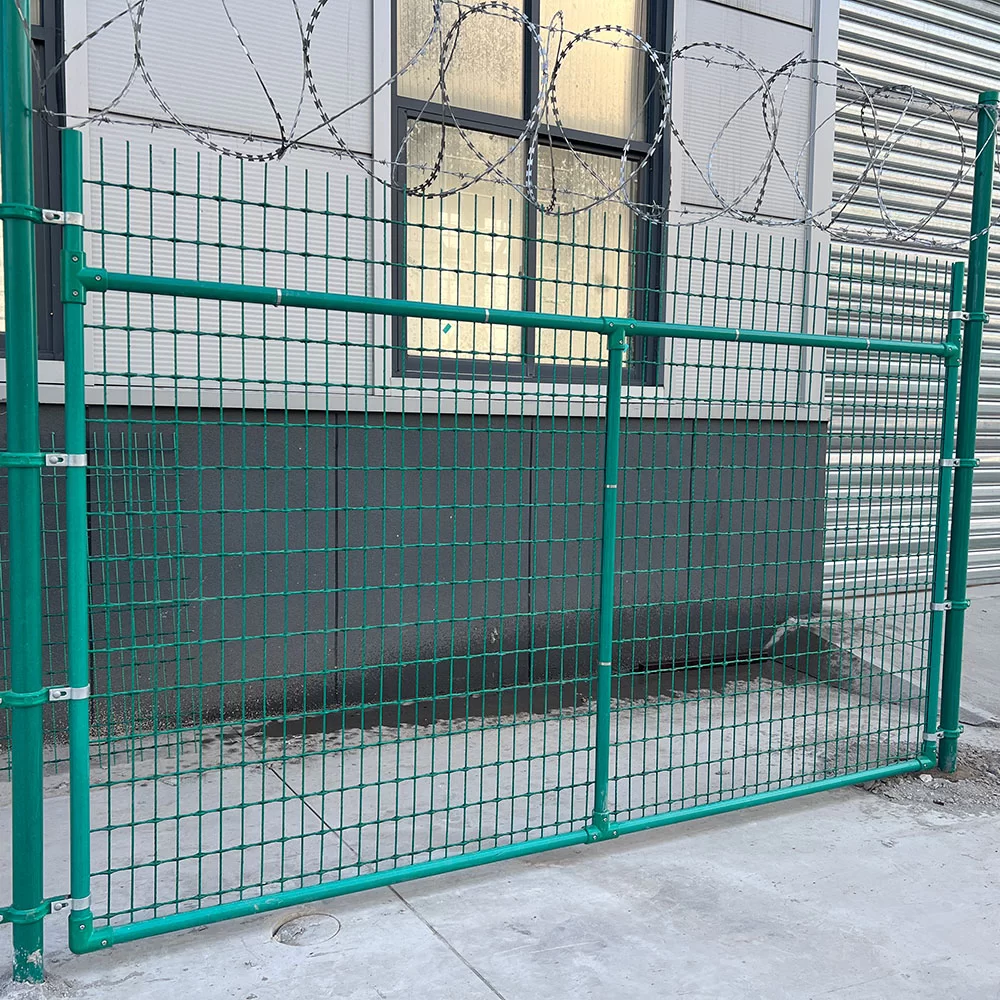
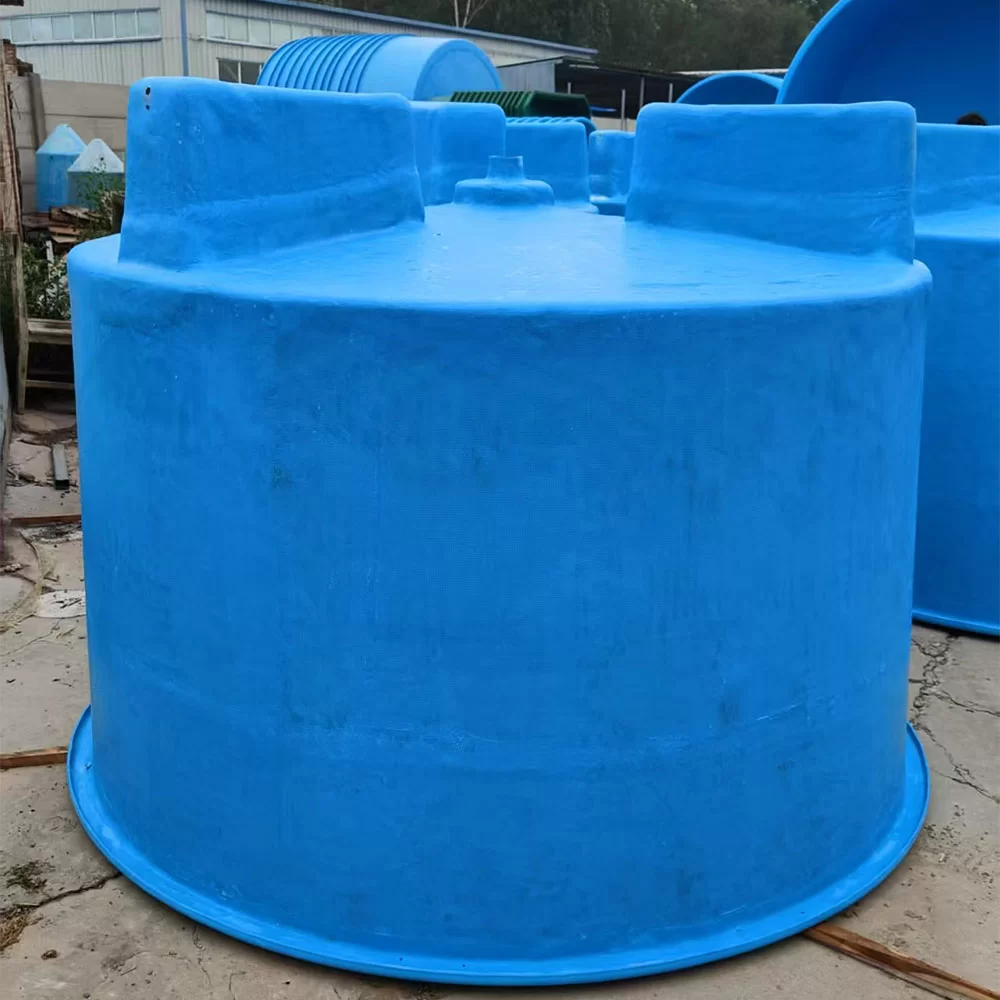
The Zimbabwean industrial landscape is currently prioritizing the modernization of water treatment and municipal infrastructure. With a significant focus on mining and agricultural processing, there is an increasing requirement for materials that can withstand aggressive chemical exposure and soil salinity without the degradation typical of traditional steel.
Geographically, the variation between high-veld and low-veld climates creates diverse thermal stresses on building materials. This environment necessitates the use of composites that offer low thermal expansion and high UV resistance, ensuring that infrastructure in urban centers like Harare and Bulawayo maintains structural integrity over longer lifecycles.
Local procurement often faces challenges regarding the availability of specialized corrosion-resistant components. The reliance on imported steel frequently leads to high maintenance costs due to rust, creating a clear market opening for fiber glass rebar and integrated composite tanks to reduce long-term operational expenditure.