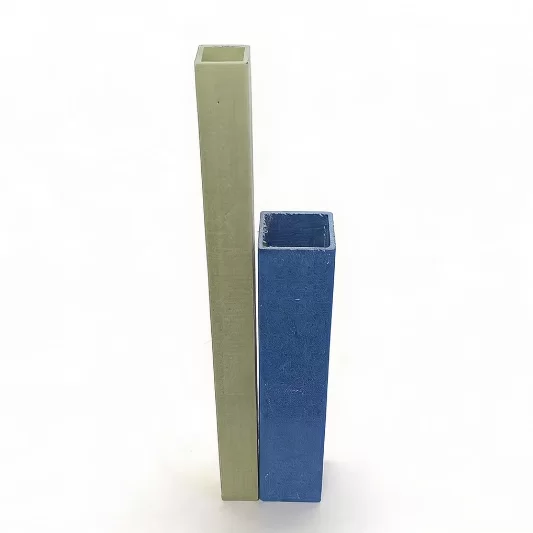
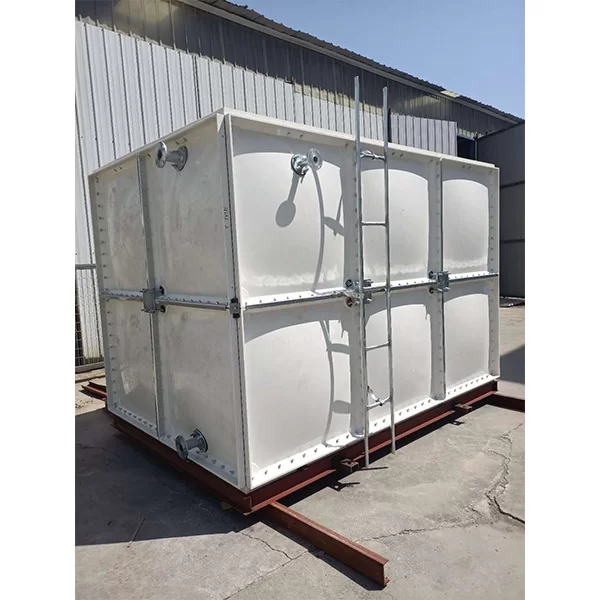
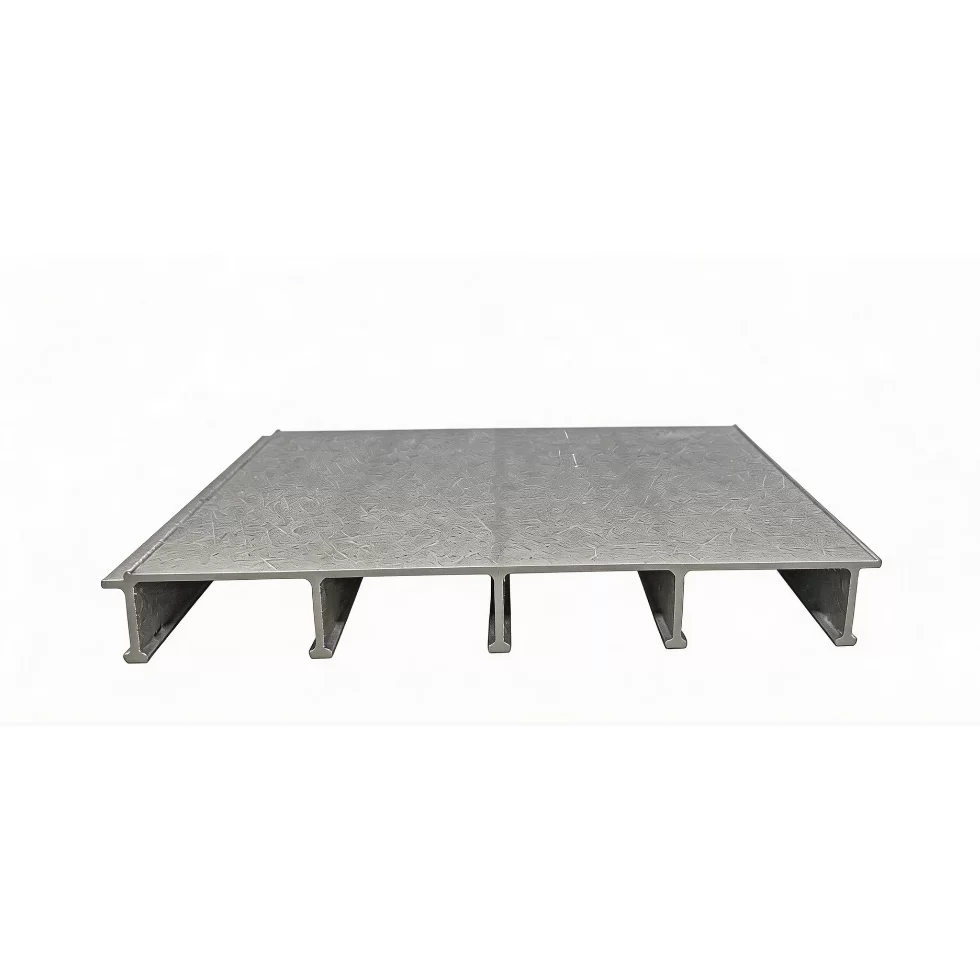
Advanced GFRP and carbon fiber reinforcement materials for heavy-duty construction.
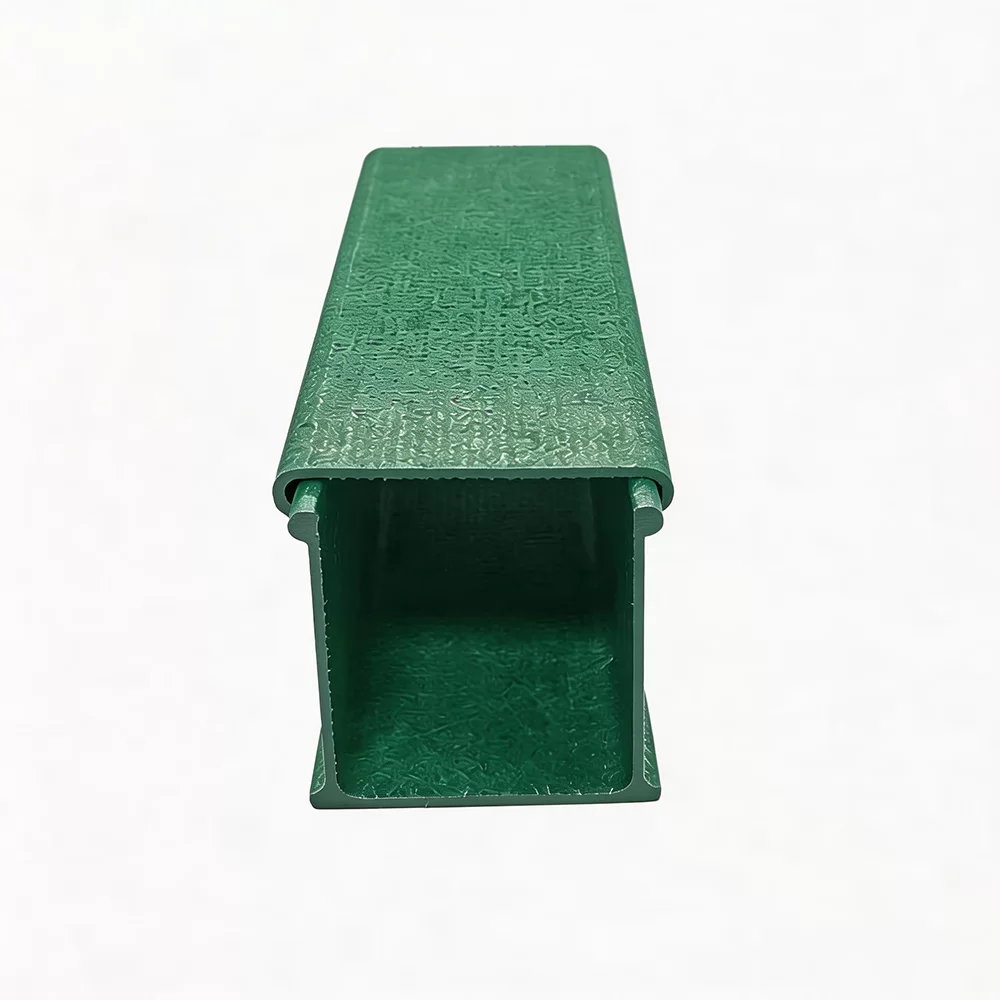


Analyzing the shift toward non-metallic mineral products for durability.
North Korea's current industrial focus emphasizes self-reliance and the modernization of municipal utilities. There is a growing necessity for materials that reduce maintenance costs in wastewater management and coastal protection, where traditional steel reinforcement often fails due to oxidation.
The demand for fiberglass septic tank units and GFRP rebar is driven by the need for lightweight yet high-strength alternatives that simplify logistics in mountainous terrains.
Procurement in the region prioritizes long-term structural integrity and resistance to chemical corrosion. The adoption of composite materials is increasingly seen as a strategic move to extend the lifecycle of public works and industrial plants.
Corrosion Resistance & Tensile Strength
From traditional fiberglass to advanced carbon fiber integration.
Initial implementation of Glass Fiber Reinforced Polymer for basic corrosion protection in chemical storage.
Widespread use of fiber glass rebar in concrete slabs and bridge decks to eliminate rust.
Integration of carbon fiber reinforcement for critical structural retrofitting and high-pressure piping.
Reducing the dead load of structures while maintaining equivalent strength to steel.
Complete resistance to acids and alkalis, essential for sewage and industrial waste systems.
Faster deployment of prefabricated FRP components compared to cast-in-place concrete.
Driving efficiency through material science and automated production.
Development of recyclable resins and lower-emission curing processes.
Use of microcomputer-controlled winding machines for precision pipe manufacturing.
Combining glass and carbon fibers to optimize cost versus performance ratios.
Integrating sensors within FRP layers to monitor structural health in real-time.
The transition toward pultruded profiles and filament-wound structures allows for higher consistency in product quality, reducing the risk of structural failure in high-pressure applications.
Industry standards are shifting toward ISO-certified management systems to ensure that composite products meet rigorous occupational health and safety requirements.
Practical scenarios where FRP outperforms traditional materials.
Using fiberglass septic tank installations in residential areas to prevent soil contamination and corrosion.
Deployment of fiberglass guardrail mesh and GFRP rebar in seawalls to resist salt-spray corrosion.
Installation of FRP filament-wound pipes and storage tanks for transporting aggressive chemical agents.
Substituting steel with GFRP rebar in bridge construction to eliminate internal oxidation and prolong service life.
Implementing FRP fish ponds and irrigation piping to ensure durability and ease of installation in rural provinces.
A legacy of precision engineering in fiberglass reinforced plastics.
Established as a comprehensive production enterprise integrating design, sales, and installation in Zaoqiang County.
Investment in FW-4000 microcomputer winding machines and advanced pultrusion equipment to scale capacity.
Contribution to major environmental protection projects and the South to North Water Diversion Project.
Successfully passed ISO9001:2000 quality, environmental, and occupational health and safety certifications.
Establishing stable cooperative relationships with international enterprises for GFRP rebar and FRP profiles.
Precision manufacturing tools for GFRP and FRP production lines.
Expert guidance on choosing the right fiberglass products.
Contact our technical team to discuss customized fiberglass products and GFRP solutions for your projects in North Korea.
Request a Technical Consultation