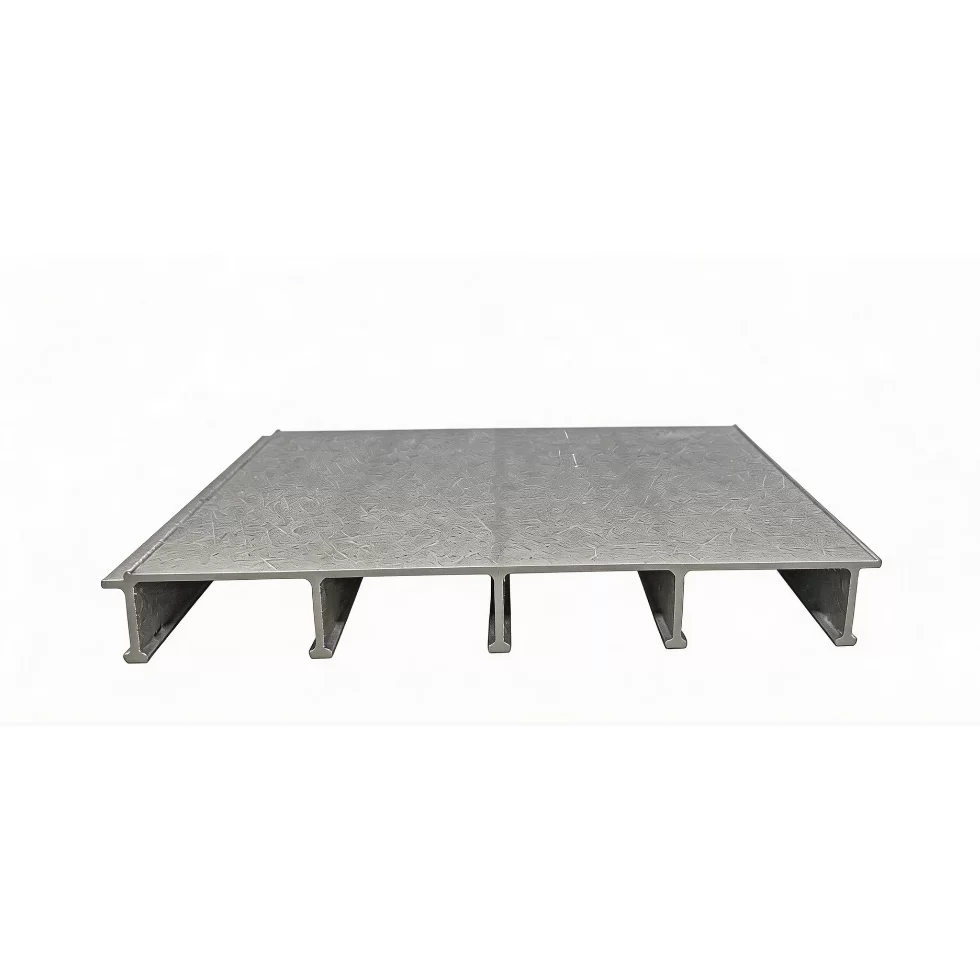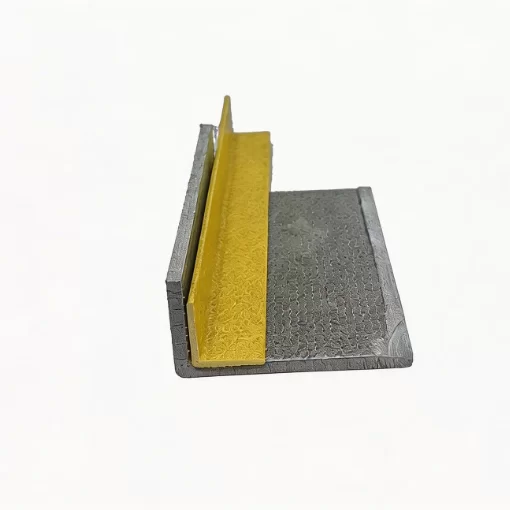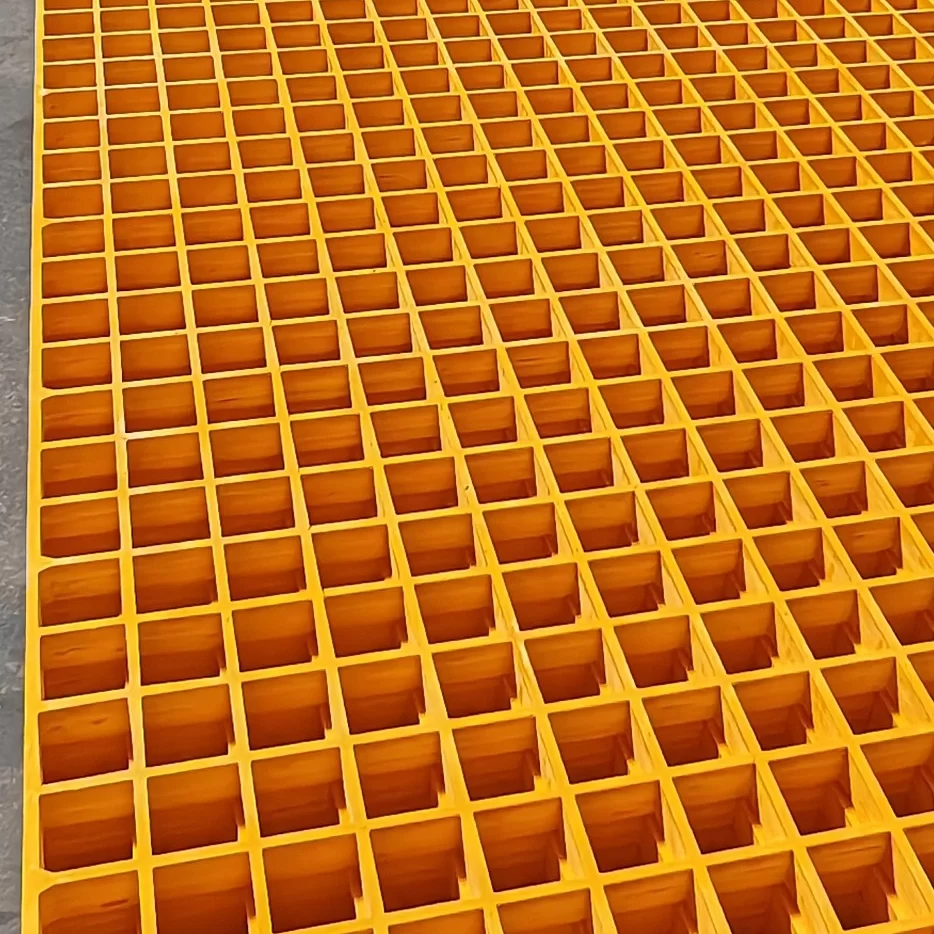


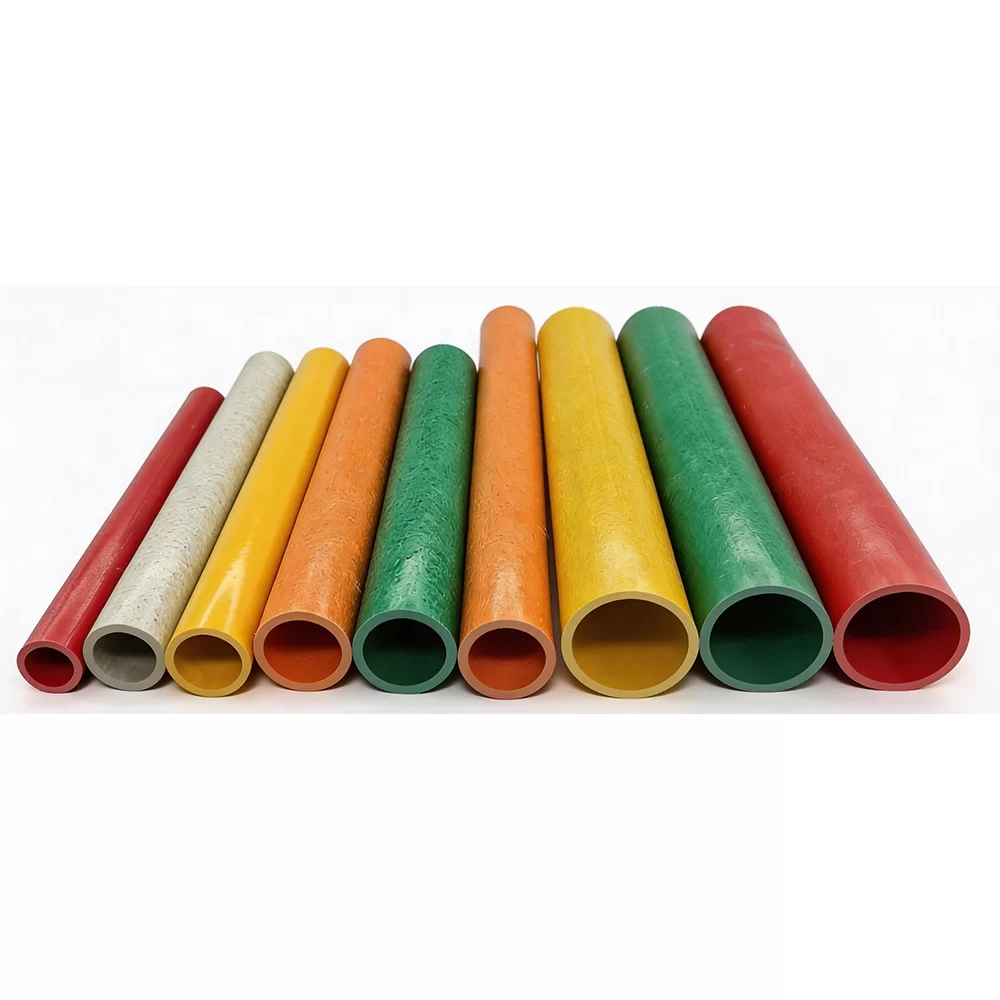
Spain's geographical diversity, from the humid Atlantic coast to the arid interior, creates significant challenges for traditional construction materials. The high salinity in coastal regions often leads to the rapid degradation of steel-reinforced structures. Consequently, there is a growing shift toward fiberglass products that offer inherent corrosion resistance and a longer lifecycle, reducing maintenance costs for public and private infrastructure.
In the realm of wastewater management and environmental protection, the demand for high-durability storage is critical. The adoption of a fiberglass septic tank has become a preferred choice in rural and semi-urban Spanish developments due to its leak-proof nature and resistance to chemical erosion, ensuring that soil and groundwater remain uncontaminated according to strict European environmental guidelines.
Furthermore, the modernization of the Spanish industrial sector requires lightweight yet high-strength alternatives for structural reinforcement. By integrating fiber glass rebar into concrete applications, engineers can eliminate the risk of rust-induced spalling, which is particularly vital for the longevity of bridges, tunnels, and coastal defenses across the region.