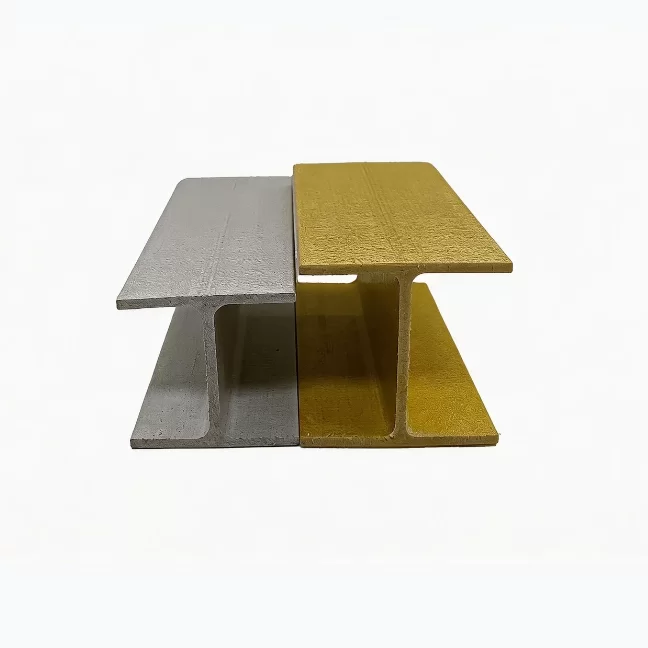
Innovative Fiberglass Solutions for Uruguay’s Infrastructure

Innovative Fiberglass Solutions for Uruguay's Infrastructure

Delivering durable and cost-effective composite materials for a sustainable future in South America.

Innovative Fiberglass Solutions for Uruguay's Infrastructure

Providing advanced composite solutions to meet the growing demands of Uruguay's construction and infrastructure sectors. We specialize in high-quality fiberglass products, offering superior strength, corrosion resistance, and longevity.

Current State of Fiberglass Composites in Uruguay

An Overview of Market Dynamics and Challenges.

Uruguay's infrastructure is undergoing modernization, particularly in sanitation, water management, and energy. The demand for durable and low-maintenance materials is rising, creating a favorable environment for fiberglass products. However, the market is still developing, and awareness of the long-term benefits of composites is growing.

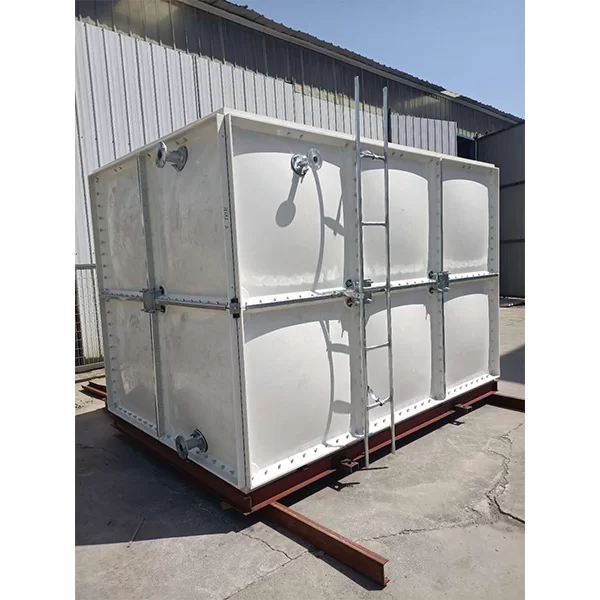
The country's agricultural sector, a major economic driver, requires robust solutions for irrigation and storage. Fiberglass septic tank systems are becoming increasingly popular due to their resistance to corrosion and ease of installation, addressing environmental concerns related to traditional concrete tanks. Uruguay’s commitment to sustainability further fuels the demand for eco-friendly composite materials.

Import dependence poses a challenge, as a significant portion of fiberglass composites are currently imported. Local manufacturing capacity is increasing but remains limited. Addressing this through technology transfer and investment in domestic production will be crucial for long-term growth. The climate, characterized by high humidity and occasional extreme weather, necessitates materials that offer superior resistance to environmental degradation, making fiberglass an ideal choice.
Evolution of Fiberglass Composites: From Traditional to Modern

Tracing the Technological Advancements and Market Shifts.

Market Development History

The early adoption of fiberglass in Uruguay (1970s-1990s) was primarily limited to small-scale applications like boat building and automotive parts. These initial applications focused on weight reduction and corrosion resistance. Technology and materials were largely imported, and local expertise was limited.

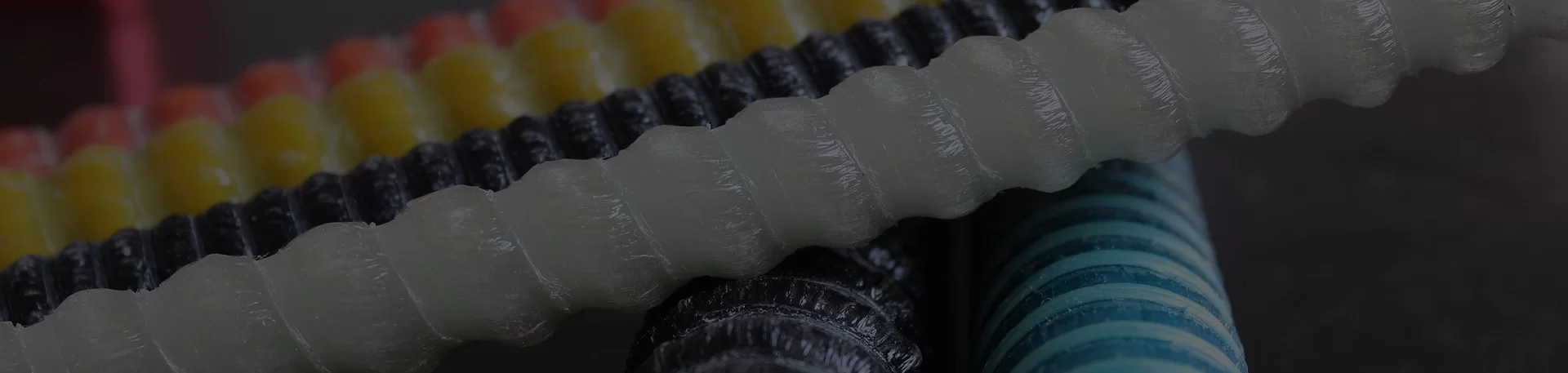
The 2000s saw a growing awareness of the broader potential of fiberglass composites. Increased use in construction, particularly for roofing and cladding, emerged. The introduction of more advanced resin systems and manufacturing techniques improved material properties and broadened application possibilities. Fiber glass rebar began to gain traction as a corrosion-resistant alternative to steel in concrete structures.

From 2010 to the present, the market has witnessed a significant increase in demand driven by infrastructure projects and environmental regulations. Carbon fiber reinforcement is being explored for high-performance applications. Focus is shifting towards sustainable manufacturing processes and the development of locally sourced materials.

Future Development Trends

Advanced Resin Systems

The development of bio-based resins and enhanced epoxy systems will improve sustainability and material performance. Expect increased use of resins with improved UV resistance and fire retardancy.

Automated Manufacturing

Automated fiber placement (AFP) and robotic winding technologies will enhance production efficiency and precision, reducing costs and improving product quality.

Smart Composites

Integration of sensors and data analytics into fiberglass structures will enable real-time monitoring of structural health and performance, creating ‘smart’ infrastructure.

Industry Trends and Future Outlook for Fiberglass Composites in Uruguay

Navigating the Landscape of Innovation and Growth.

Increasing Infrastructure Investment
Government initiatives to modernize Uruguay’s infrastructure will drive demand for durable and corrosion-resistant materials like fiberglass composites.
Growing Environmental Awareness
Increased focus on sustainable materials and practices will favor fiberglass composites due to their long lifespan and reduced maintenance requirements.
Demand for Corrosion Resistance
Uruguay’s coastal environment and humid climate create a strong need for materials that resist corrosion, driving demand for fiberglass solutions.
Increased Use in Agriculture
The agricultural sector will continue to adopt fiberglass composites for irrigation systems, storage tanks, and other applications.

Industry Outlook

The Uruguayan fiberglass composite market is expected to grow at a rate of 5-8% annually over the next five years. Key drivers include infrastructure development, environmental regulations, and the increasing awareness of the benefits of composite materials.

Opportunities exist for local manufacturers to expand production capacity and develop specialized products tailored to the needs of the Uruguayan market. Collaboration with international technology providers will be crucial for fostering innovation and competitiveness.

Local Applications of Fiberglass Composites in Uruguay

Real-World Examples of How Fiberglass is Transforming Industries.

1. Enhanced Rural Water Systems

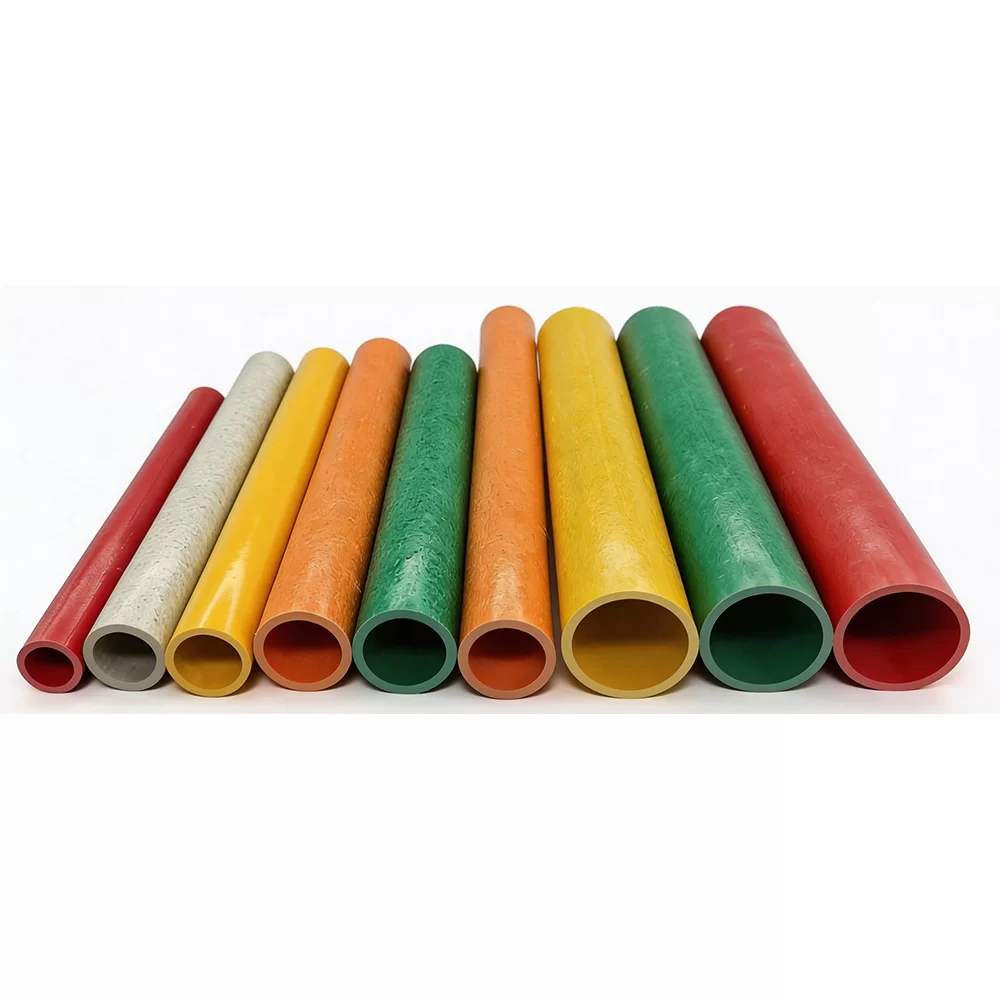
Fiberglass reinforced plastic (FRP) pipes are increasingly used in rural areas of Uruguay to deliver clean drinking water. These pipes offer superior corrosion resistance compared to traditional materials, reducing maintenance costs and ensuring a reliable water supply. They are particularly suited to the country’s varying soil conditions.

2. Modernized Agricultural Storage

Farmers are adopting fiberglass storage tanks for fertilizers, pesticides, and water. These tanks are lightweight, durable, and resistant to chemical corrosion, providing a safe and efficient solution for agricultural storage needs. Their seamless construction prevents leaks and contamination.

3. Sustainable Septic Systems

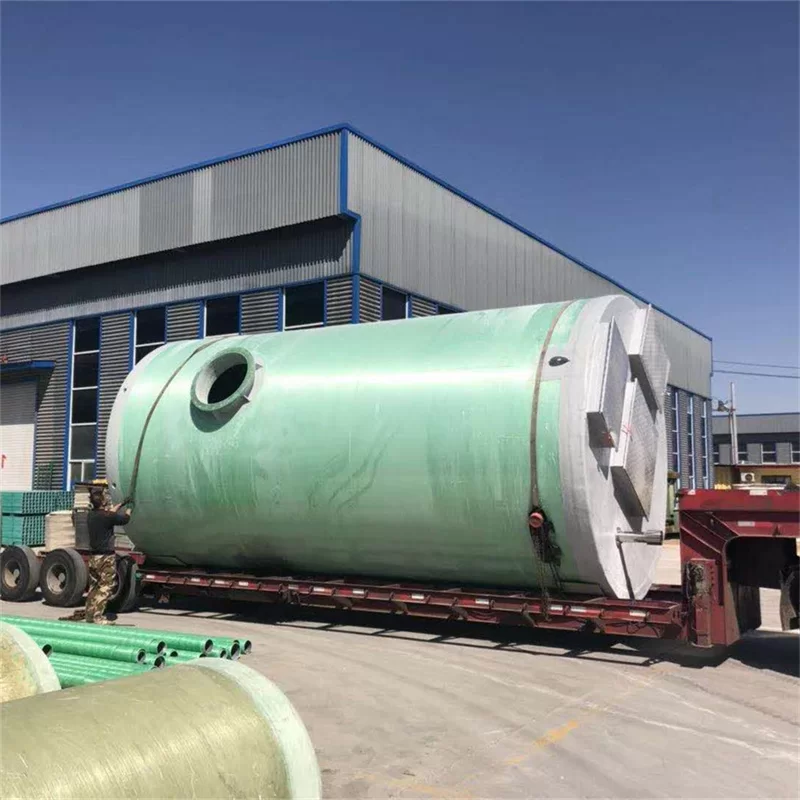
Fiberglass septic tank systems are gaining popularity in both urban and rural areas as an environmentally friendly alternative to concrete tanks. They are easier to install, lighter to transport, and offer superior leak protection, minimizing the risk of groundwater contamination.

4. Robust Coastal Protection

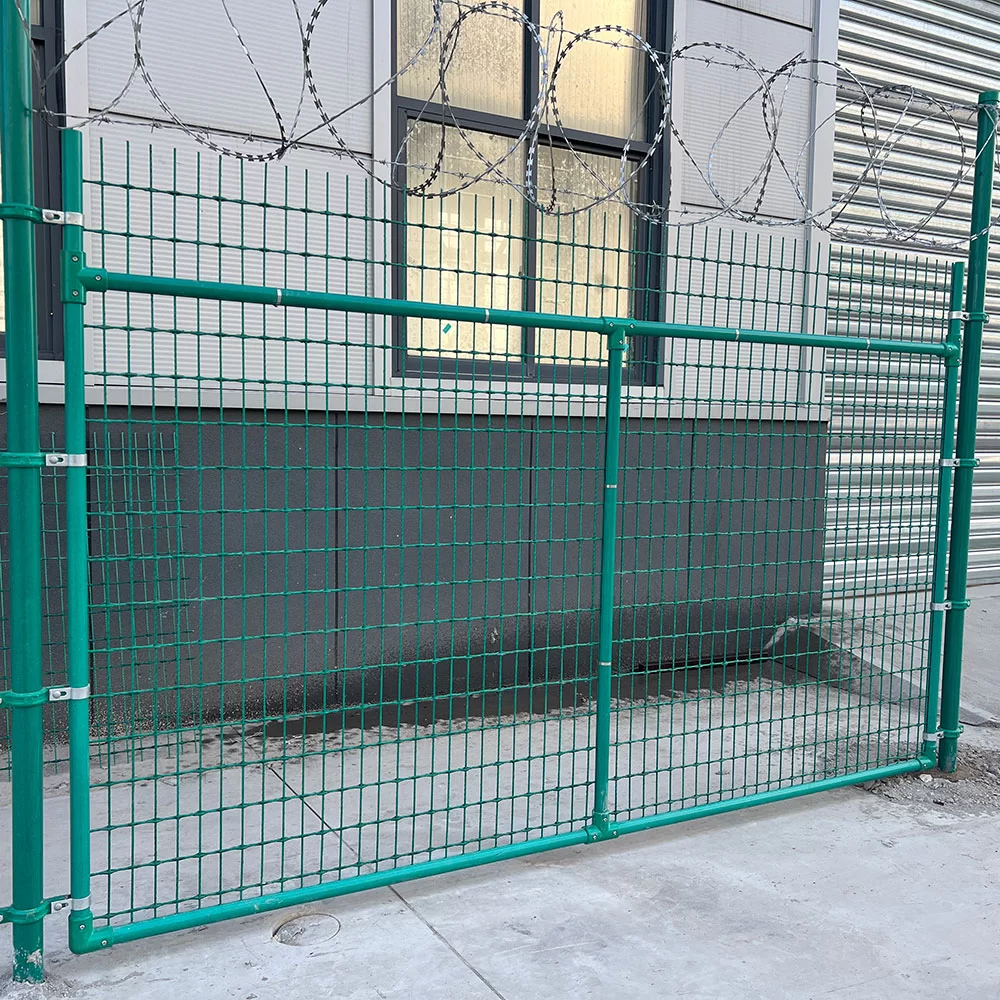
Fiberglass composites are being used to construct breakwaters and seawalls to protect Uruguay’s coastline from erosion. Their high strength-to-weight ratio and resistance to saltwater corrosion make them an ideal material for marine applications. Fiberglass guardrail mesh provides added protection in coastal roadways.

Brand Story

Hebei Zhongtian Composite Material Group Co., Ltd.’s Global Development Journey

Pioneering Composite Innovation

Established in 2005, Hebei Zhongtian Composite Material Group Co., Ltd. began as a small workshop focused on fiberglass pultrusion. Driven by a commitment to quality and innovation, we quickly expanded our capabilities to serve a wider range of industries.

Expanding Global Reach

By 2012, we had established a strong presence in the domestic market and began exporting our products to Southeast Asia and the Middle East. Our dedication to customer satisfaction and reliable product performance fueled our international growth.

Investing in Advanced Technology

In 2018, we invested heavily in state-of-the-art pultrusion, filament winding, and compression molding equipment. This allowed us to produce more complex and high-performance composite products.

Commitment to Sustainability

We have embraced sustainable manufacturing practices, including waste reduction, energy conservation, and the development of eco-friendly composite materials.

Serving the Americas

Today, we are expanding our reach into the Americas, including Uruguay, with a commitment to providing innovative, reliable, and sustainable composite solutions to our customers.

Complete Product Portfolio for the Region

Discover our comprehensive range of fiberglass composite products designed to meet your specific needs.

Frequently Asked Questions: Fiberglass Composites in Uruguay

Addressing Common Concerns and Providing Expert Insights.

What are the primary benefits of using fiberglass rebar over traditional steel rebar in Uruguayan construction projects?

Fiberglass rebar offers superior corrosion resistance, especially in Uruguay’s coastal environments, significantly extending the lifespan of concrete structures. It’s also lightweight, non-conductive, and has a high tensile strength.

How does the cost of fiberglass septic tanks compare to concrete septic tanks in Uruguay, considering installation and lifecycle costs?

While the initial cost of a fiberglass septic tank might be slightly higher, the overall lifecycle cost is typically lower due to easier installation, reduced maintenance, and a longer service life. Their resistance to corrosion eliminates costly repairs and replacements.

What is the typical lifespan of a fiberglass composite structure in Uruguay's climate, and what maintenance is required?

Fiberglass composite structures in Uruguay can have a lifespan of 50-100 years with minimal maintenance. Regular inspections for any physical damage are recommended, but the inherent corrosion resistance eliminates the need for painting or other protective coatings.

Are there any Uruguayan building codes or standards that specifically address the use of fiberglass composite materials?

Currently, there are evolving guidelines for composite materials, and we work closely with engineers and construction professionals to ensure our products meet all relevant safety and performance requirements. It is best to consult with a local structural engineer.

What types of carbon fiber reinforcement solutions do you offer for strengthening existing concrete structures in Uruguay?

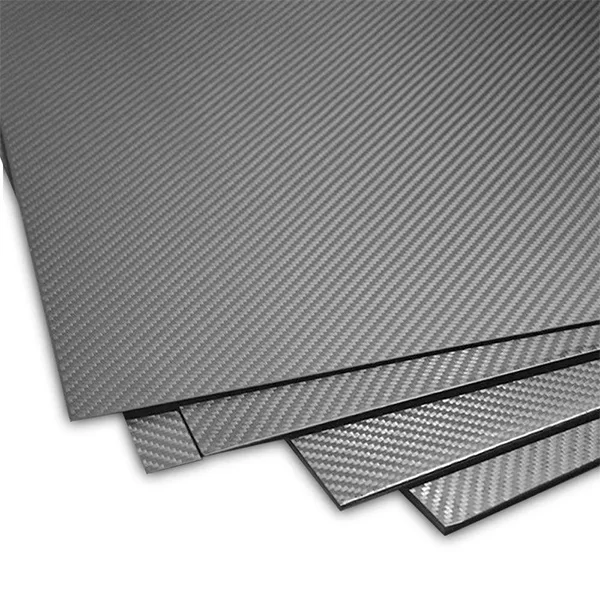
We provide a range of carbon fiber reinforced polymer (CFRP) systems, including fabrics, laminates, and pre-cured plates, to enhance the load-carrying capacity and durability of concrete structures. These systems are ideal for bridge repairs, building retrofits, and seismic strengthening.

How environmentally friendly are fiberglass composites compared to traditional construction materials like steel and concrete?

Fiberglass composites have a lower carbon footprint than steel and concrete due to their lighter weight and reduced energy consumption during manufacturing. They are also recyclable and do not corrode, minimizing environmental impact.

Let's Discuss Your Project

Partner with us to leverage the power of fiberglass composites for your construction and infrastructure needs in Uruguay, South America.

Contact Us Now

If you are interested in our products, you can choose to leave your information here, and we will be in touch with you shortly.