Morocco Fiberglass Guardrail Mesh Solutions

Morocco Fiberglass Guardrail Mesh Solutions

Enhancing Infrastructure Safety with Durable Fiberglass Products in Morocco

Morocco Fiberglass Guardrail Mesh Solutions

Providing high-quality fiberglass solutions for infrastructure projects across Morocco, ensuring safety and longevity.

Current State of Fiberglass Products in Morocco

Analyzing the market dynamics and opportunities for fiberglass reinforcement in the Moroccan construction sector.

Morocco’s construction industry is experiencing growth, driven by infrastructure projects and increasing urbanization. The demand for durable and corrosion-resistant materials is rising, presenting a significant opportunity for fiberglass products. However, the market is relatively nascent, with a reliance on traditional materials like steel, and awareness of the benefits of fiberglass reinforcement is still developing.

The Moroccan climate, with its coastal humidity and desert heat, creates challenging conditions for infrastructure. Steel is prone to corrosion, leading to costly maintenance and replacements. Fiberglass septic tank offer a solution to these challenges by providing a corrosion-resistant and lightweight alternative. The availability of skilled labor and the need for cost-effective solutions further drive the demand for these materials.

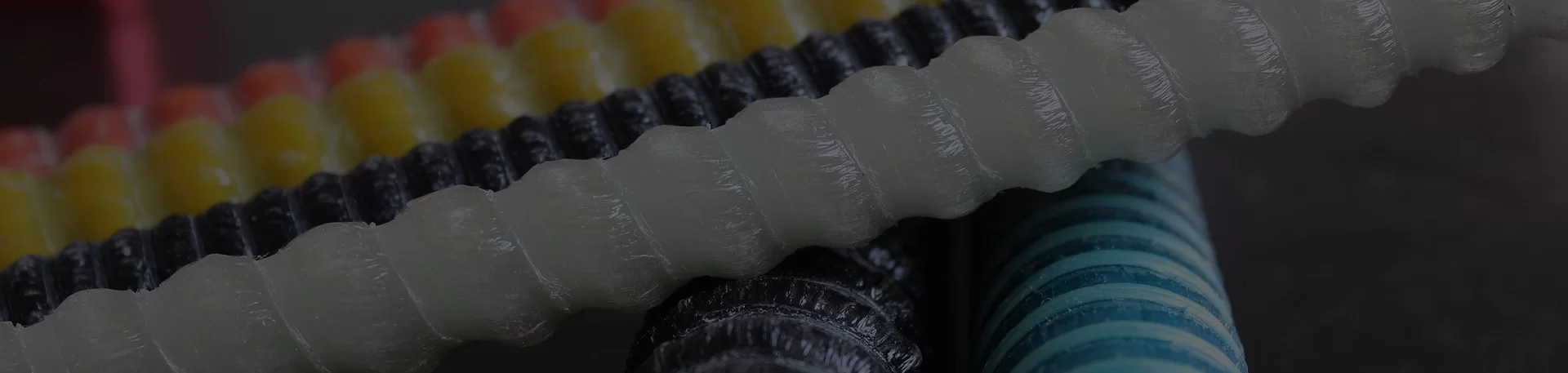
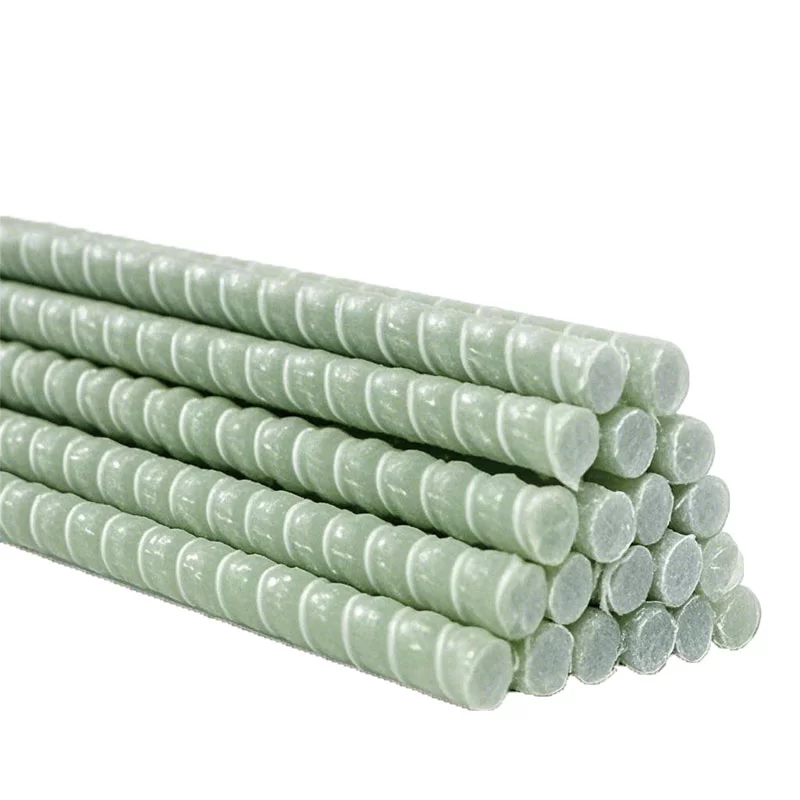
Importing fiberglass components adds to the final cost. Increasing local production and promoting the use of fiber glass rebar will be crucial for wider adoption. Government initiatives focused on sustainable construction practices and the use of innovative materials can accelerate market growth.
Evolution of Fiberglass Reinforced Polymer Technology in Morocco

Tracing the development and adoption of FRP materials within the Moroccan construction and infrastructure landscape.

Market Development History

Prior to the 2000s, the use of fiberglass in Morocco was limited to niche applications like boat building and water tanks. The early 2000s witnessed a gradual introduction of carbon fiber reinforcement in specialized projects, primarily through imports. Awareness about the superior properties of FRP materials compared to traditional counterparts remained limited.

Between 2010 and 2015, the Moroccan government initiated several large-scale infrastructure projects, including highway expansions and wastewater treatment facilities. This period saw increased experimentation with fiberglass in certain areas like guardrails and drainage systems. Local manufacturers began to explore the possibilities of producing fiberglass guardrail mesh.

Since 2015, the demand for FRP has steadily increased, driven by a growing understanding of its benefits, including corrosion resistance, lightweight characteristics, and extended service life. Local production capabilities have expanded, and the supply chain is becoming more robust. The implementation of quality control standards and certifications is gaining momentum.

Future Development Trends

Increased Focus on Sustainable Materials

The growing emphasis on sustainable construction and environmental responsibility will drive demand for eco-friendly materials like fiberglass. FRP offers a lower carbon footprint compared to steel and concrete in certain applications.

Expansion of Local Manufacturing

To reduce costs and shorten lead times, we expect to see further investment in local manufacturing facilities for fiberglass products. This will also create employment opportunities and strengthen the Moroccan economy.

Adoption of Advanced Technologies

The integration of advanced technologies like automation, 3D printing, and smart sensors into the manufacturing process will enhance the quality, efficiency, and customization of fiberglass products.

Industry Trends and Future Outlook for Fiberglass in Morocco

Exploring the anticipated growth and technological advancements in the Moroccan fiberglass market.

Increased Demand in Water Management
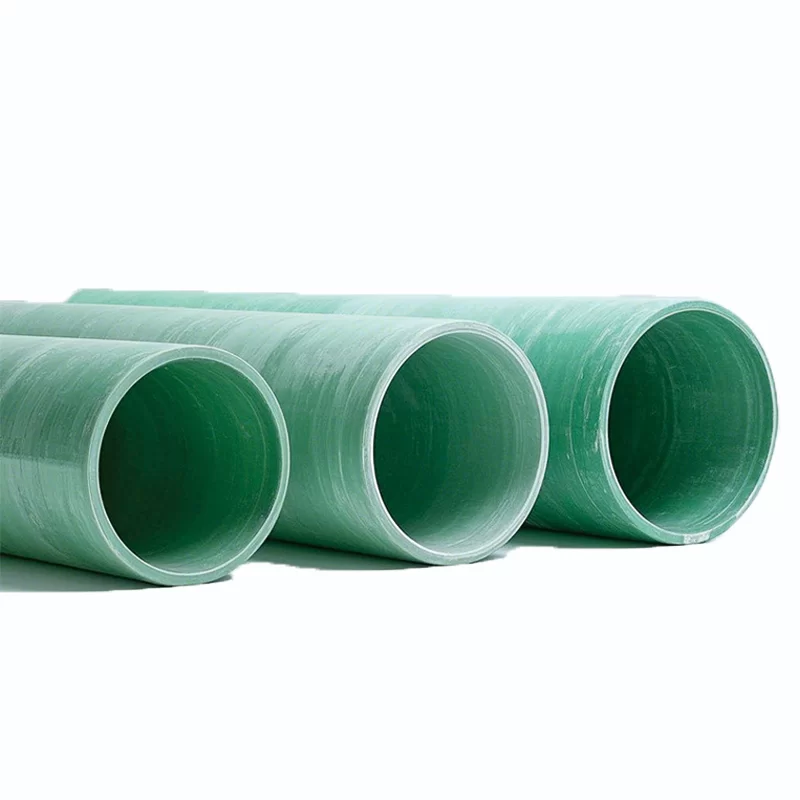
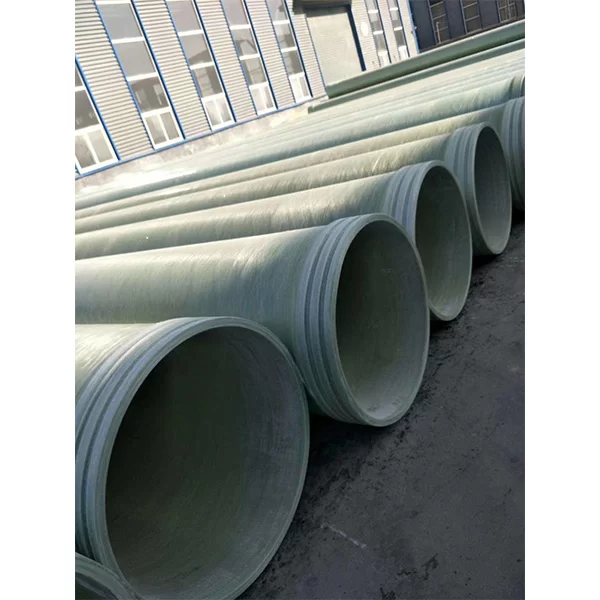
Morocco faces water scarcity challenges. Fiberglass septic tank and pipes will see increased adoption due to their corrosion resistance and durability in water and wastewater applications.
Growth in Infrastructure Projects
Government investments in roads, railways, and ports will drive the demand for fiberglass guardrail mesh and other FRP components.
Rising Awareness of FRP Benefits
Increased education and training programs will enhance awareness among engineers, contractors, and end-users regarding the advantages of fiberglass products.
Cost Optimization and Value Engineering
Focus on life-cycle cost analysis will demonstrate the long-term economic benefits of using fiber glass rebar and other FRP materials due to reduced maintenance and replacement costs.

Industry Outlook

The Moroccan fiberglass market is poised for significant growth over the next 3-5 years. Government initiatives promoting sustainable infrastructure, coupled with increasing awareness of FRP benefits, will drive demand. The expansion of local manufacturing capabilities will be crucial for maintaining competitive pricing and ensuring supply chain resilience.

We anticipate a shift towards more specialized FRP applications, such as strengthening existing structures and developing innovative solutions for the renewable energy sector. Collaboration between local manufacturers, research institutions, and international technology providers will be key to unlocking the full potential of fiberglass in Morocco.

Local Applications of Fiberglass in Morocco

Exploring practical applications of fiberglass reinforced polymer materials tailored to the Moroccan context.

1. Coastal Infrastructure Protection

Morocco's extensive coastline is vulnerable to erosion and saltwater corrosion. Fiberglass sheet piling and marine fenders offer a durable and corrosion-resistant solution for protecting ports, harbors, and coastal structures.

2. Agricultural Water Management

In arid and semi-arid regions, efficient water management is critical. Fiberglass septic tank and irrigation pipes provide a reliable and leak-proof solution for water storage and distribution.

3. Highway Guardrail Systems

Increasing road safety is a priority in Morocco. Fiberglass guardrail mesh offers superior impact resistance and corrosion protection compared to traditional steel guardrails, reducing maintenance costs and improving road safety.

4. Building Reinforcement in Seismic Zones

Morocco is located in a seismically active region. Carbon fiber reinforcement can be used to strengthen existing buildings and improve their resistance to earthquakes, enhancing structural integrity and safety.

5. Wastewater Treatment Facilities

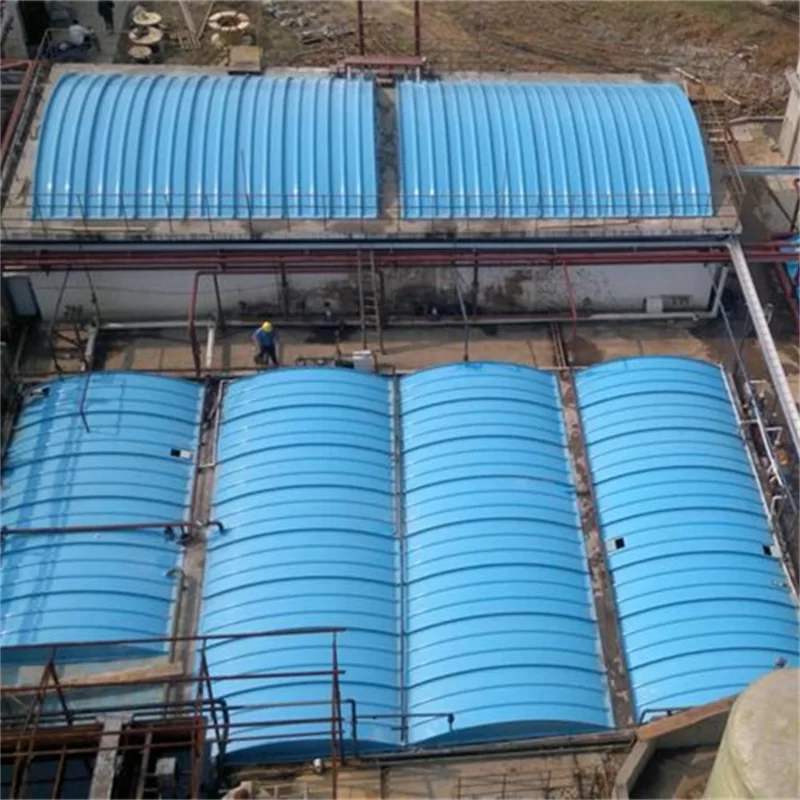
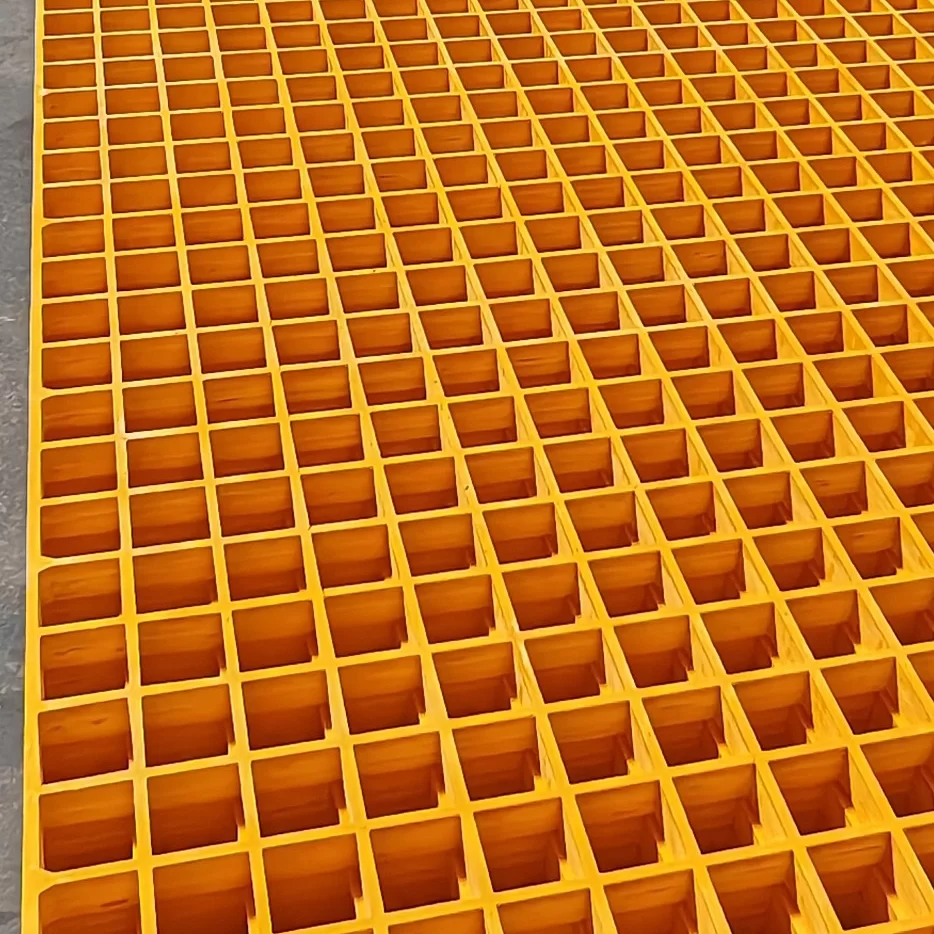
Demand is growing for durable, corrosion resistant materials in wastewater treatment plants. FRP components like tanks, pipes, and gratings offer long-term performance in harsh chemical environments.

Brand Story

The global development history of Hebei Zhongtian Composite Material Group Co., Ltd.

Pioneering Composite Solutions

Founded in 2005, Hebei Zhongtian Composite Material Group Co., Ltd. started with a vision to revolutionize infrastructure with advanced composite materials. We quickly recognized the immense potential of fiberglass in addressing corrosion and durability challenges.

Expanding Product Portfolio

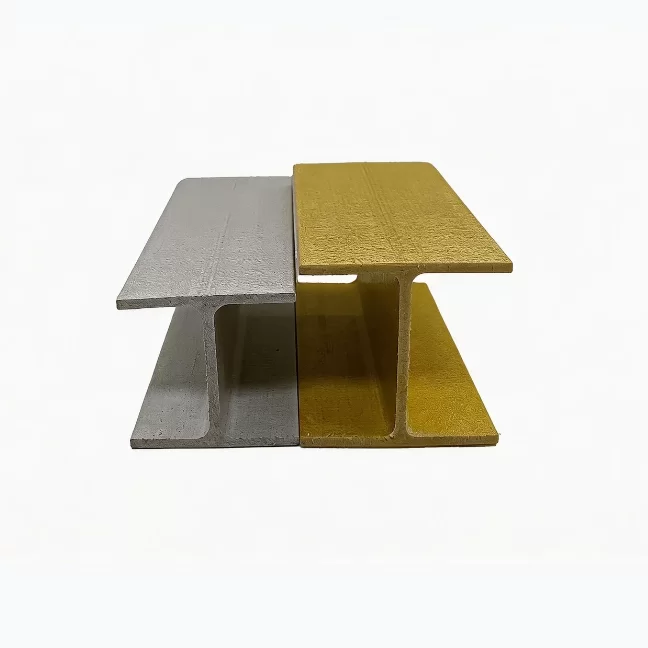
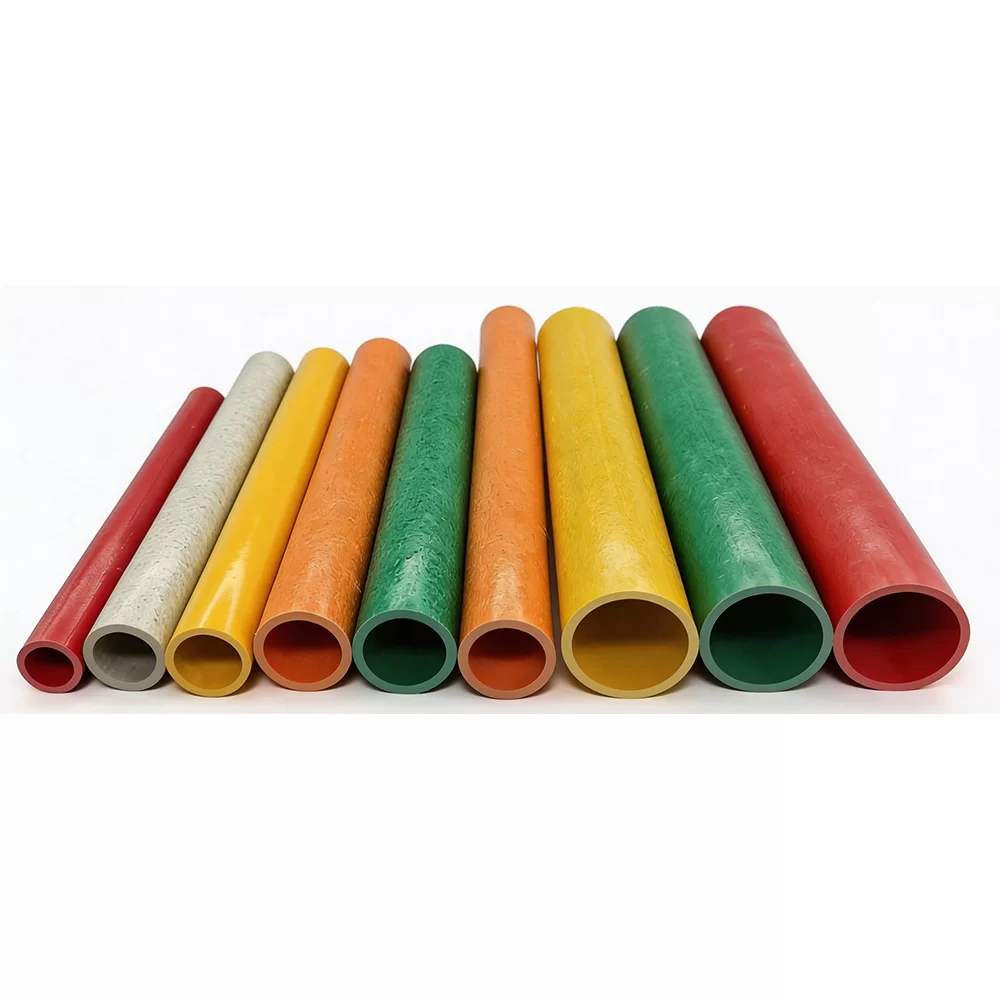
Over the years, we’ve continuously expanded our product portfolio to include a comprehensive range of fiberglass solutions, including rebar, septic tanks, guardrail systems, and specialized profiles.

Global Reach and Expertise

We've established a strong global presence, exporting our products to over 30 countries. Our team of experienced engineers and technicians provides customized solutions to meet the unique needs of our clients.

Commitment to Quality and Innovation

We adhere to the highest quality standards and invest heavily in research and development to stay at the forefront of composite material technology. We strive to provide our customers with the most reliable and cost-effective solutions.

Serving the Moroccan Market

We are dedicated to bringing our expertise and advanced fiberglass products to Morocco, helping to build a more sustainable and resilient infrastructure for the future.

Complete Product Portfolio for the Moroccan Market

Discover a wide range of fiberglass products designed to meet the diverse needs of Moroccan industries.

Frequently Asked Questions About Fiberglass in Morocco

Addressing common inquiries regarding the use of fiberglass reinforced polymers in Morocco.

What are the primary benefits of using fiberglass rebar compared to steel rebar in Moroccan construction projects?

Fiberglass rebar offers significant advantages over steel, including its corrosion resistance, lightweight nature, and non-conductivity. This is particularly beneficial in Morocco's coastal regions where steel is prone to corrosion from saltwater exposure. Additionally, fiberglass is non-magnetic, making it suitable for projects requiring electromagnetic compatibility.

How does the cost of fiberglass septic tanks compare to traditional concrete septic tanks in Morocco?

While the initial cost of a fiberglass septic tank might be slightly higher than a concrete tank, the long-term cost savings are substantial. Fiberglass tanks are lighter, easier to install, and have a much longer lifespan due to their corrosion resistance, reducing maintenance and replacement costs.

Is carbon fiber reinforcement suitable for retrofitting existing concrete structures in Morocco’s seismic zones?

Yes, carbon fiber reinforcement is an excellent solution for retrofitting existing concrete structures. It increases the structure’s strength and ductility, enhancing its resistance to seismic activity without significantly increasing its weight.

What are the installation requirements for fiberglass guardrail systems in Moroccan highways?

Installation of fiberglass guardrail systems follows similar principles to steel guardrails but requires specialized tools and training. Proper anchoring and alignment are crucial for ensuring optimal performance and safety. Our team provides comprehensive installation guidelines and support.

What is the expected lifespan of fiberglass components used in Moroccan water treatment facilities?

Fiberglass components in water treatment facilities are designed to withstand harsh chemical environments and have an expected lifespan of 50 years or more, significantly longer than traditional materials like steel or concrete.

Are there any Moroccan government standards or certifications for fiberglass products used in infrastructure projects?

Moroccan standards are evolving to include FRP materials. It is important to ensure that all fiberglass products meet relevant international standards, such as ASTM or EN, and comply with local building codes. We provide documentation and certifications to demonstrate compliance.

Get in Touch for Fiberglass Solutions in Morocco

We are committed to delivering high-quality fiberglass products and expert support to meet the infrastructure needs of Morocco. Contact us today to discuss your project.

Contact Us Now

If you are interested in our products, you can choose to leave your information here, and we will be in touch with you shortly.