Premium Fiberglass Septic Tank Solutions for Australian Infrastructure

  • Home
  • Global Service
  • Premium Fiberglass Septic Tank Solutions for Australian Infrastructure

Premium Fiberglass Septic Tank Solutions for Australian Infrastructure

Delivering Durable and Cost-Effective Composite Materials to Oceania.

Premium Fiberglass Septic Tank Solutions for Australian Infrastructure

Offering cutting-edge fiberglass products tailored for the unique demands of Australian environments, focusing on septic tanks, rebar, and reinforcement solutions.

The Current State of Fiberglass Products in Australia

Understanding the Market Landscape and Challenges.

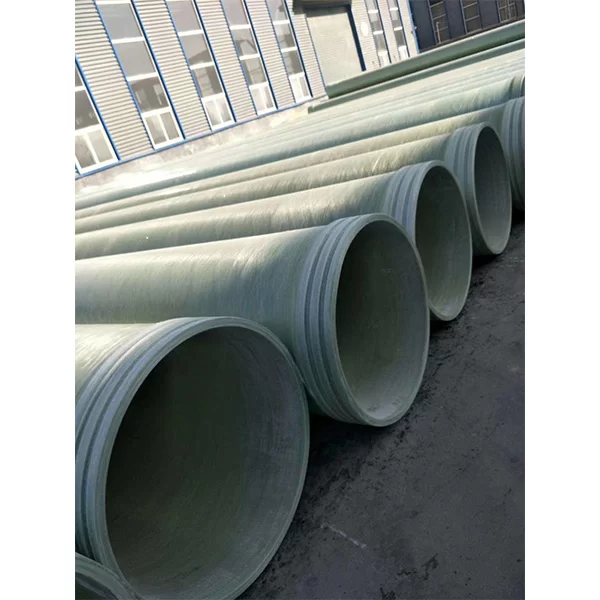
Australia presents a unique environment for construction and infrastructure, with harsh climates and vast distances. This necessitates durable, corrosion-resistant materials. Fiberglass products are increasingly favored over traditional materials like steel and concrete in many applications, particularly in regions with high salinity or corrosive soil conditions. The demand for robust fiberglass septic tank systems is particularly high due to Australia’s dispersed population and need for reliable wastewater management solutions.

However, the Australian market is also highly regulated, requiring strict adherence to quality standards and environmental certifications. Sourcing competitive, high-quality fiber glass rebar and carbon fiber reinforcement can be a challenge for local businesses, often leading to reliance on imports. The cost of transportation and potential supply chain disruptions are significant considerations.

Recent infrastructure projects focused on renewable energy and coastal protection are driving increased demand for specialized composite materials, including fiberglass guardrail mesh. Sustainable and long-lasting solutions are prioritized, aligning with Australia's commitment to environmental responsibility.
Evolution of Fiberglass Reinforced Polymer (FRP) Technology in Australia

Tracing the Development and Adoption of Composite Materials.

Market Development History

The introduction of fiberglass to the Australian market began in the 1960s, primarily for boat building and automotive components. Early applications were limited due to the relatively high cost and lack of standardized manufacturing processes. The 1980s saw an increase in the use of FRP for corrosion protection in industrial settings, particularly in mining and chemical processing plants.

The 1990s and 2000s marked a period of significant advancements in composite materials technology. Improved resin systems, fiber reinforcements, and manufacturing techniques led to lighter, stronger, and more durable products. This coincided with increased awareness of the lifecycle cost benefits of FRP compared to traditional materials.

From 2010 onwards, the adoption of FRP has accelerated, driven by growing demand for sustainable infrastructure solutions. Government initiatives promoting the use of innovative materials and stricter environmental regulations have further fueled this growth. The increased availability of locally manufactured FRP products has also contributed to wider acceptance.

Future Development Trends

Enhanced Resin Systems

Research and development efforts are focused on creating more environmentally friendly resin systems, such as bio-based resins and recycled polymer matrices. These innovations aim to reduce the carbon footprint of FRP products.

Smart Composites

The integration of sensors and monitoring systems into FRP structures is emerging as a key trend. “Smart composites” can provide real-time data on structural health, enabling predictive maintenance and improving safety.

Automated Manufacturing Processes

Automated fiber placement (AFP) and other advanced manufacturing techniques are being adopted to improve production efficiency, reduce costs, and enhance product quality. This is particularly relevant for large-scale infrastructure projects.

Industry Trends and Future Outlook for Fiberglass Composites in Australia

Analyzing Growth Opportunities and Emerging Technologies.

Growing Demand in Water Management
Australia's water scarcity issues are driving increased demand for durable and leak-proof fiberglass septic tank systems and water storage solutions.
Infrastructure Investment
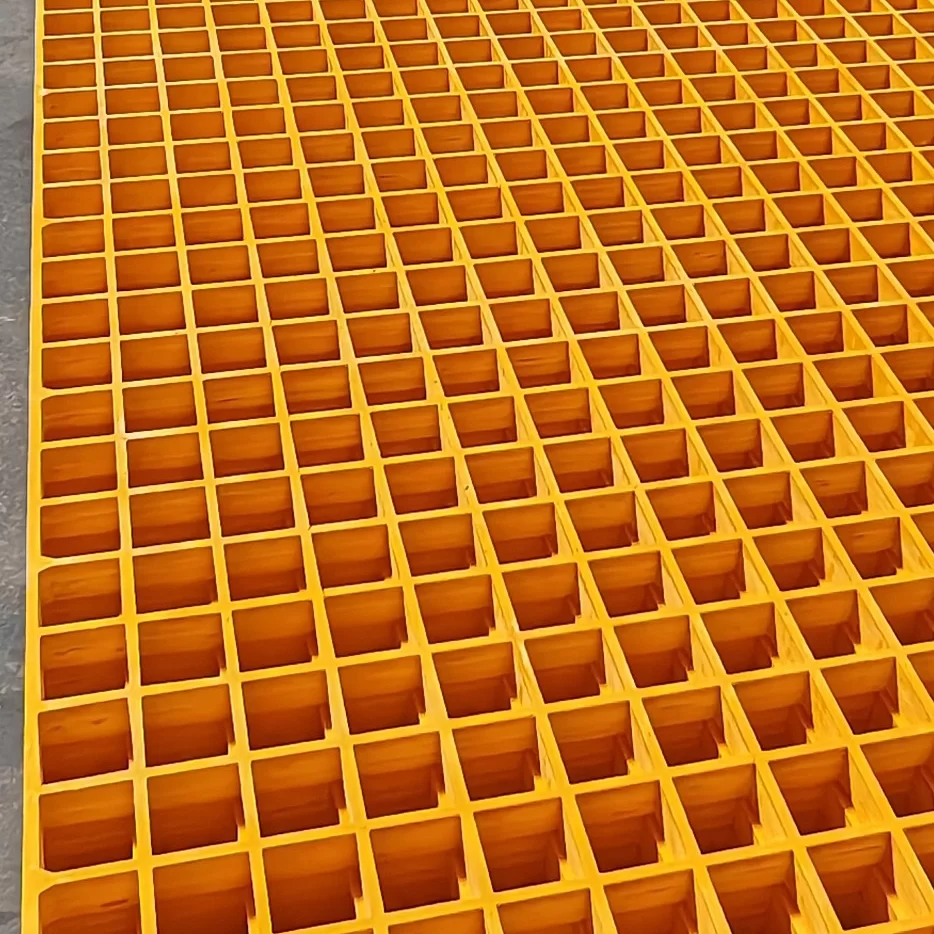
Significant government investment in infrastructure projects, including roads, bridges, and public transport, is boosting demand for fiberglass guardrail mesh and structural reinforcement materials.
Coastal Protection Projects
Australia's extensive coastline is vulnerable to erosion and storm damage. Fiberglass reinforced polymers are increasingly used in seawalls, breakwaters, and other coastal protection structures.
Sustainable Building Practices
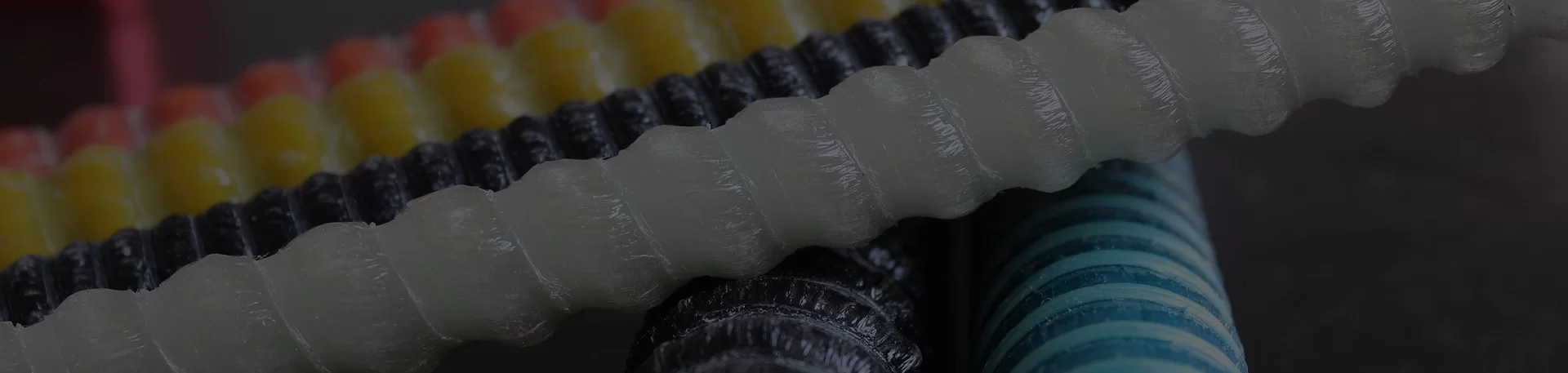
Growing demand for environmentally friendly building materials is driving adoption of FRP solutions in residential and commercial construction, especially fiber glass rebar.

Industry Outlook

The Australian fiberglass composites market is expected to grow steadily over the next 3-5 years, driven by infrastructure investment, environmental concerns, and technological advancements. The increasing use of FRP in niche applications, such as renewable energy components and specialized industrial equipment, will also contribute to growth.

Key challenges include managing supply chain vulnerabilities, addressing skills gaps in the manufacturing workforce, and ensuring compliance with evolving regulatory requirements. Collaboration between industry, government, and research institutions will be crucial to overcome these challenges and unlock the full potential of fiberglass composites in Australia.

Local Applications of Fiberglass Composites in Australia

Real-World Examples of FRP in Action.

1. Rural Wastewater Management Systems

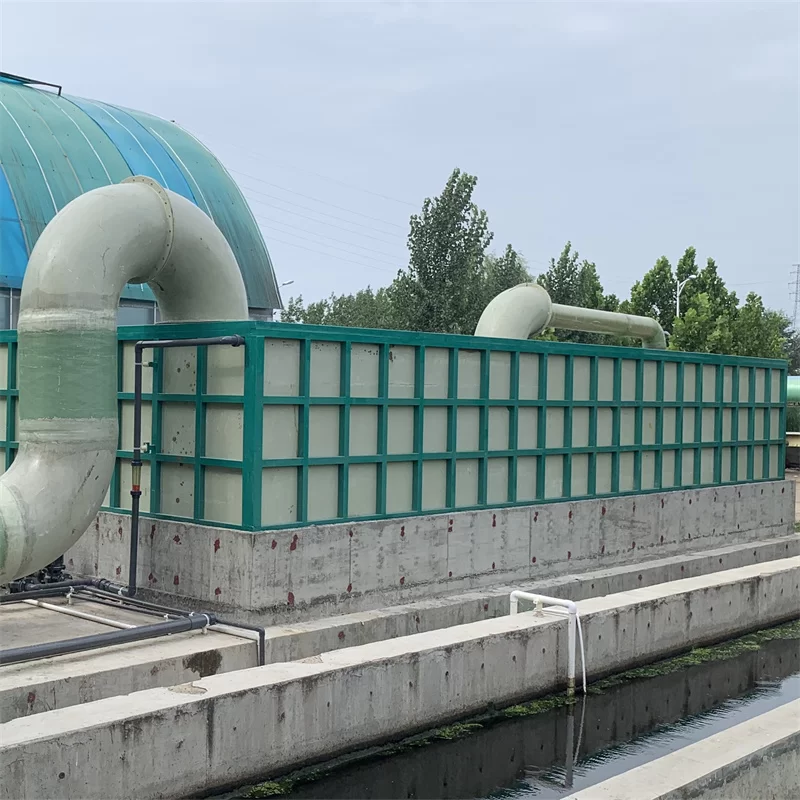
In remote areas of Western Australia, fiberglass septic tank systems are providing reliable and cost-effective wastewater treatment solutions for properties not connected to centralized sewage networks. Their lightweight and ease of installation are particularly advantageous in these locations.

2. Coastal Bridge Rehabilitation in Queensland

The Gold Coast City Council has utilized carbon fiber reinforcement to strengthen and rehabilitate aging concrete bridges along the coastline. This approach extends the lifespan of the structures while minimizing disruption to traffic flow.

3. Mine Site Drainage Infrastructure in New South Wales

Mining operations in the Hunter Valley region are employing fiberglass guardrail mesh and FRP drainage channels to manage stormwater runoff and prevent erosion. The corrosion resistance of FRP is essential in this harsh environment.

4. Irrigation Pipeline Repairs in Victoria

Farmers in the Goulburn Valley are using FRP wraps and sleeves to repair and reinforce aging concrete irrigation pipelines. This cost-effective solution extends the life of the pipelines and reduces water loss.

5. Marine Structures in Tasmania

Tasmania's marine environment benefits from FRP composite structures like jetties and pontoon due to their resistance to saltwater corrosion and long-term durability.

Brand Story

Hebei Zhongtian Composite Material Group Co., Ltd.'s global development journey.

Pioneering Composite Solutions

Founded in 2005, Hebei Zhongtian Composite Material Group Co., Ltd. began with a vision to revolutionize infrastructure with durable, sustainable materials.

Expansion into Global Markets

By 2010, we expanded our reach, serving clients across Asia and the Middle East with tailored composite solutions.

Focus on Australian Demand

Recognizing the unique challenges of the Australian market, we began specializing in corrosion-resistant FRP solutions for harsh environments.

Commitment to Innovation

We continually invest in research and development to create cutting-edge composite materials that meet the evolving needs of our clients.

Sustainable Future

Our mission is to provide innovative, sustainable composite solutions that build a stronger, more resilient infrastructure for future generations.

Complete Product Range for the Australian Market

Offering a diverse portfolio of FRP solutions.

Frequently Asked Questions - Australian Market

Addressing Common Concerns About FRP Products.

What are the primary benefits of using fiberglass septic tanks compared to concrete tanks in Australian conditions?

Fiberglass septic tanks are significantly lighter, making installation easier and reducing transportation costs. They are also highly resistant to corrosion from saltwater and acidic soils, common in many parts of Australia, extending their lifespan.

How does carbon fiber reinforcement compare to traditional steel rebar in terms of corrosion resistance for coastal infrastructure projects?

Carbon fiber rebar is completely non-corrosive, unlike steel which requires protective coatings that can degrade over time. This makes it an ideal choice for coastal structures exposed to saltwater and harsh marine environments, resulting in lower maintenance costs and increased durability.

Are fiberglass guardrail mesh systems compliant with Australian safety standards for road infrastructure?

Yes, our fiberglass guardrail mesh systems are designed and tested to meet or exceed relevant Australian safety standards, including those set by Austroads. We provide certification documentation to ensure compliance.

What is the typical lifespan of a fiberglass composite structure in a harsh Australian climate?

With proper installation and maintenance, fiberglass composite structures can have a lifespan of 50 years or more in harsh Australian climates. Their resistance to corrosion, UV degradation, and impact damage contributes to their longevity.

What are the environmental benefits of using fiberglass products compared to traditional materials like concrete and steel?

Fiberglass composites are lightweight, reducing transportation emissions. They require less energy to manufacture than steel and concrete, and they are durable, minimizing the need for replacements. Many FRP products can also be recycled.

Do you offer on-site installation support for fiberglass products in remote areas of Australia?

Yes, we offer comprehensive installation support, including on-site assistance in remote areas of Australia. Our experienced technicians can ensure proper installation and provide training to local teams.

Get in Touch with Us

We are dedicated to providing innovative composite solutions to meet the unique needs of businesses and infrastructure projects across Oceania – Australia.

Contact Us Now

If you are interested in our products, you can choose to leave your information here, and we will be in touch with you shortly.