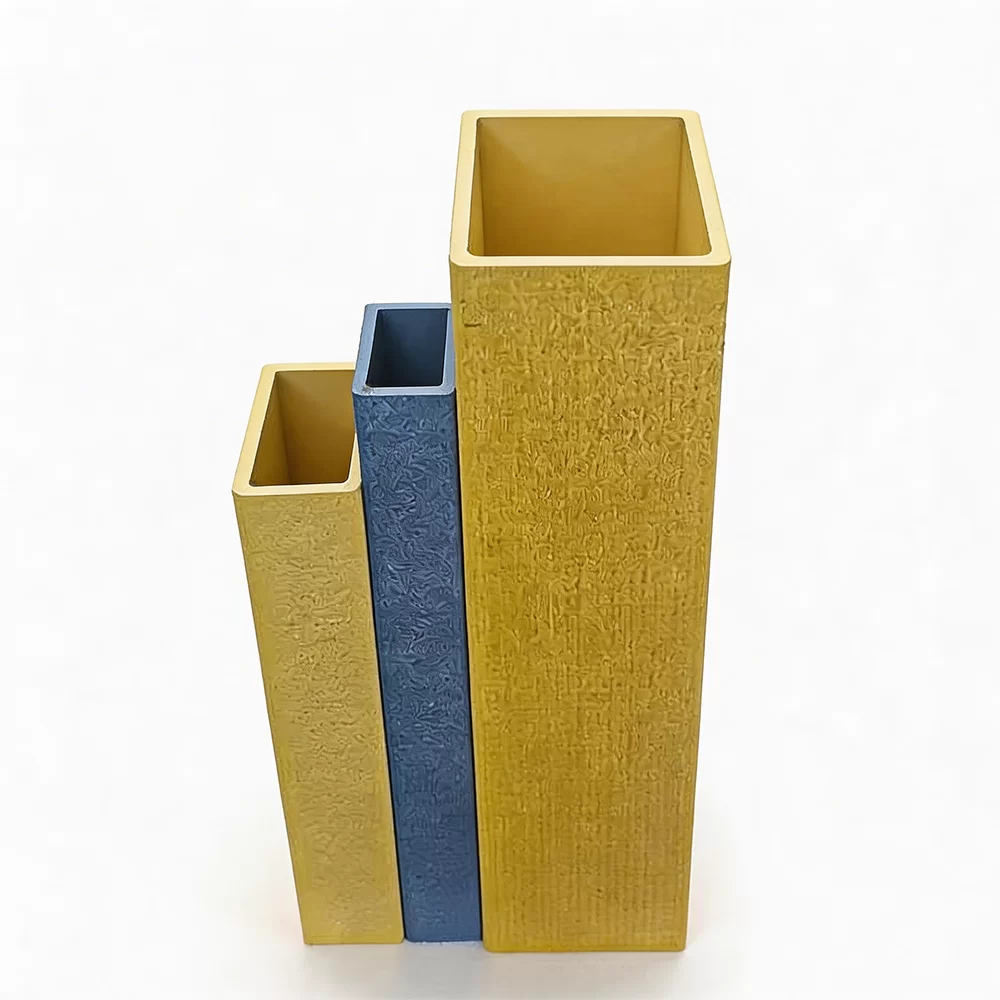
Explore our range of industrial-grade fiberglass products designed for durability and structural integrity.

Analyzing the shift toward non-metallic materials in the region's most demanding environments.
The geographic and climatic conditions of Saudi Arabia, characterized by extreme heat and high salinity in coastal regions, create severe corrosion risks for traditional steel reinforcements. This environment necessitates the adoption of materials that are naturally inert to chloride attack, making composite solutions a critical requirement for long-term infrastructure stability.
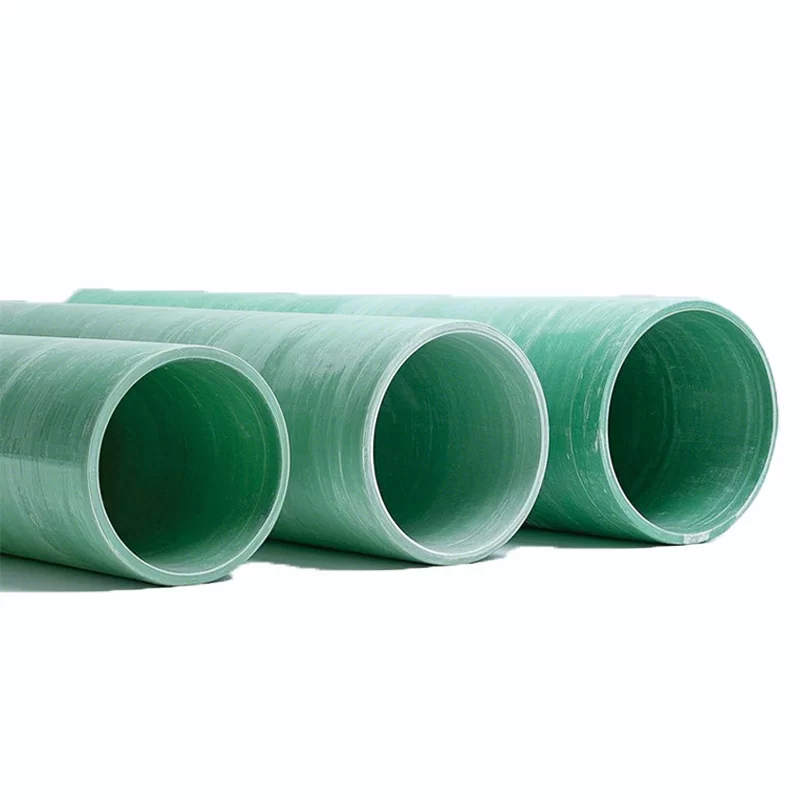
Local industrial demand is increasingly focused on the energy and water sectors. There is a significant need for high-capacity fiberglass septic tank systems and specialized piping that can withstand chemical aggression while remaining lightweight for easier installation in remote desert locations.
Procurement trends in the region are shifting toward materials that reduce lifecycle maintenance costs. Engineers are prioritizing the integration of fiber glass rebar to eliminate the need for expensive protective coatings and frequent repairs in municipal and oil-field projects.
From basic structural replacements to high-tech reinforcement systems.
Key drivers shaping the future of fiberglass and carbon fiber composites.
Focusing on UV-stabilized resins to prevent degradation under the intense solar radiation of the Arabian Peninsula.
Shift toward direct-from-manufacturer sourcing to ensure technical specifications meet strict regional engineering codes.
Utilizing lightweight FRP profiles to reduce transportation and installation costs in remote project sites.
Increasing adoption of composite tanks to prevent groundwater contamination and meet environmental protection standards.
The trajectory of the Saudi Arabian construction market suggests a decisive move away from traditional carbon steel in aggressive environments. As the region expands its urban centers and industrial hubs, the requirement for materials that offer a combination of high tensile strength and total corrosion resistance will drive the demand for high-grade GFRP and CFRP.
From a commercial perspective, the focus will shift from initial capital expenditure to Total Cost of Ownership (TCO). The ability of composites to eliminate painting, galvanizing, and frequent replacement makes them the logically superior choice for the next decade of infrastructure development.
How composite technology solves specific engineering challenges in Saudi Arabia.
Using GFRP rebar in marine concrete structures, such as piers and sea walls, to prevent salt-induced oxidation and spalling common in Red Sea projects.
Implementation of customized fiberglass septic tank units and deodorization tanks for petrochemical plants to handle aggressive chemical effluent.
Deploying fiberglass guardrail mesh for facility fencing that remains durable under high UV exposure without the need for repainting.
Installing FRP filament-wound pressure pipes and fittings to transport brine and treated water, ensuring zero corrosion and leak-proof joints.
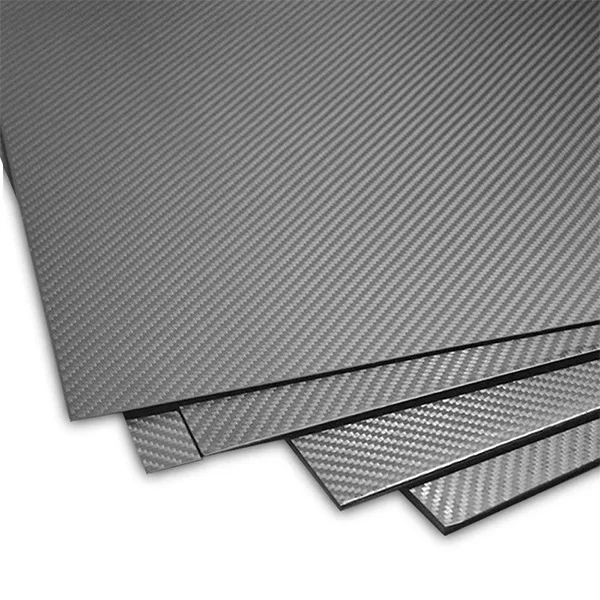
Applying carbon fiber reinforcement plates to existing concrete beams to increase load-bearing capacity without adding significant dead weight to the structure.
A legacy of excellence in composite manufacturing and global project implementation.
Established as a large-scale production enterprise integrating design, production, sales, and installation in the strategic fiberglass hub of Zaoqiang County.
Successfully achieved ISO9001:2000 quality system certification, environmental management system certification, and occupational health and safety management system certification.
Operating advanced FW-4000 microcomputer winding machines and BWFRP weaving equipment to deliver high-precision GFRP rebar and FRP piping globally.
Custom-engineered products designed to meet the rigorous technical demands of regional infrastructure and energy projects.
Technical and procurement guidance for implementing FRP solutions in Saudi Arabia.
GFRP rebar is completely immune to chloride-induced corrosion, whereas steel oxidizes and expands, leading to concrete cracking. For coastal Saudi Arabian projects, GFRP significantly extends the service life of structures and eliminates the need for cathodic protection.
Yes, provided they are manufactured with UV-stabilized resins. High-quality FRP tanks maintain structural integrity under thermal stress and resist leaching, making them ideal for wastewater management in arid regions.
Carbon fiber provides an exceptional strength-to-weight ratio. It allows for the reinforcement of existing concrete beams and columns to handle increased loads without adding significant mass or altering the architectural footprint of the building.
Specifications should focus on tensile strength, modulus of elasticity, and resin type (e.g., vinylester for chemical resistance). Ensure the manufacturer holds ISO certifications to guarantee consistency in production quality.
Yes, especially in industrial zones where corrosive chemicals or salt spray are present. FRP mesh is non-conductive, lightweight, and does not rust, reducing long-term maintenance costs compared to galvanized steel.
The company utilizes microcomputer-controlled winding and pultrusion equipment to ensure precision. Their ability to integrate design, production, and installation allows them to provide end-to-end solutions for complex industrial piping and reinforcement needs.
Consult with our technical experts to optimize your project's material selection for maximum durability and cost-efficiency in the Saudi Arabian market.
Contact Us Now