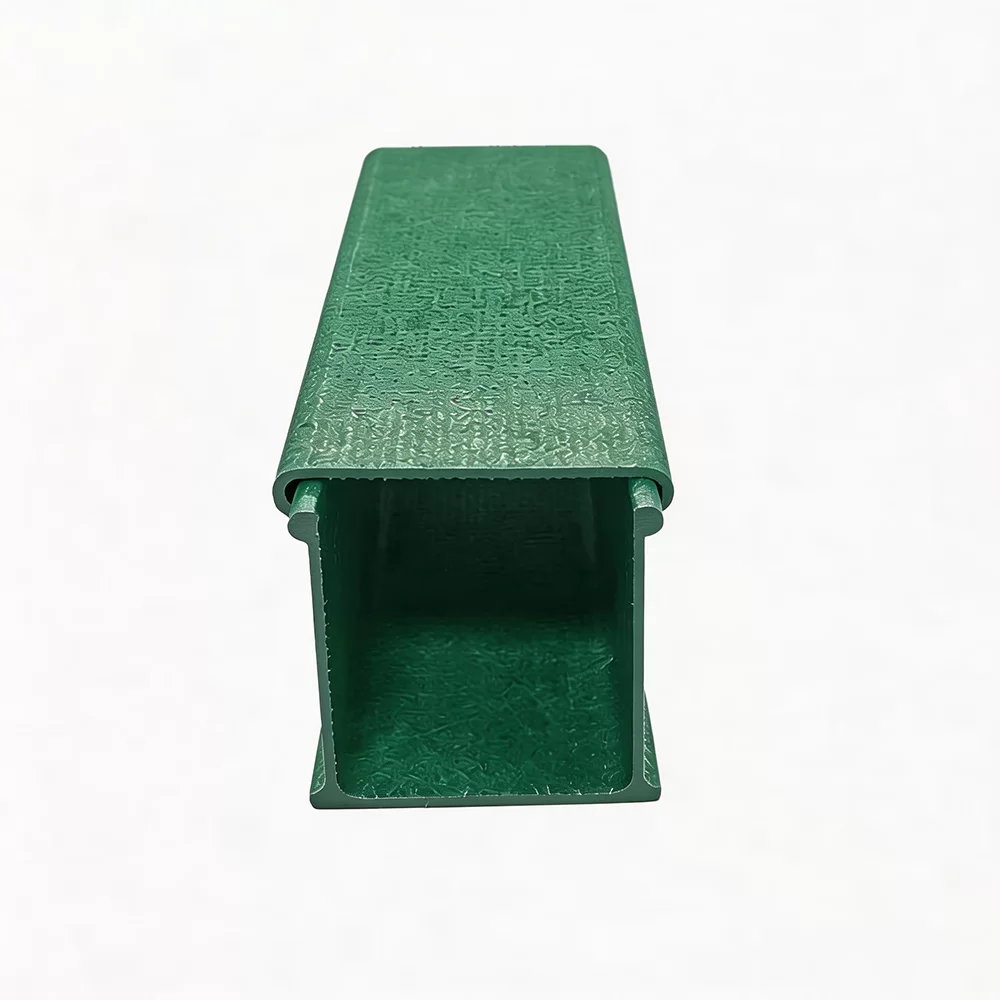


Integrating high-strength materials to solve durability challenges in heavy industry and municipal engineering.

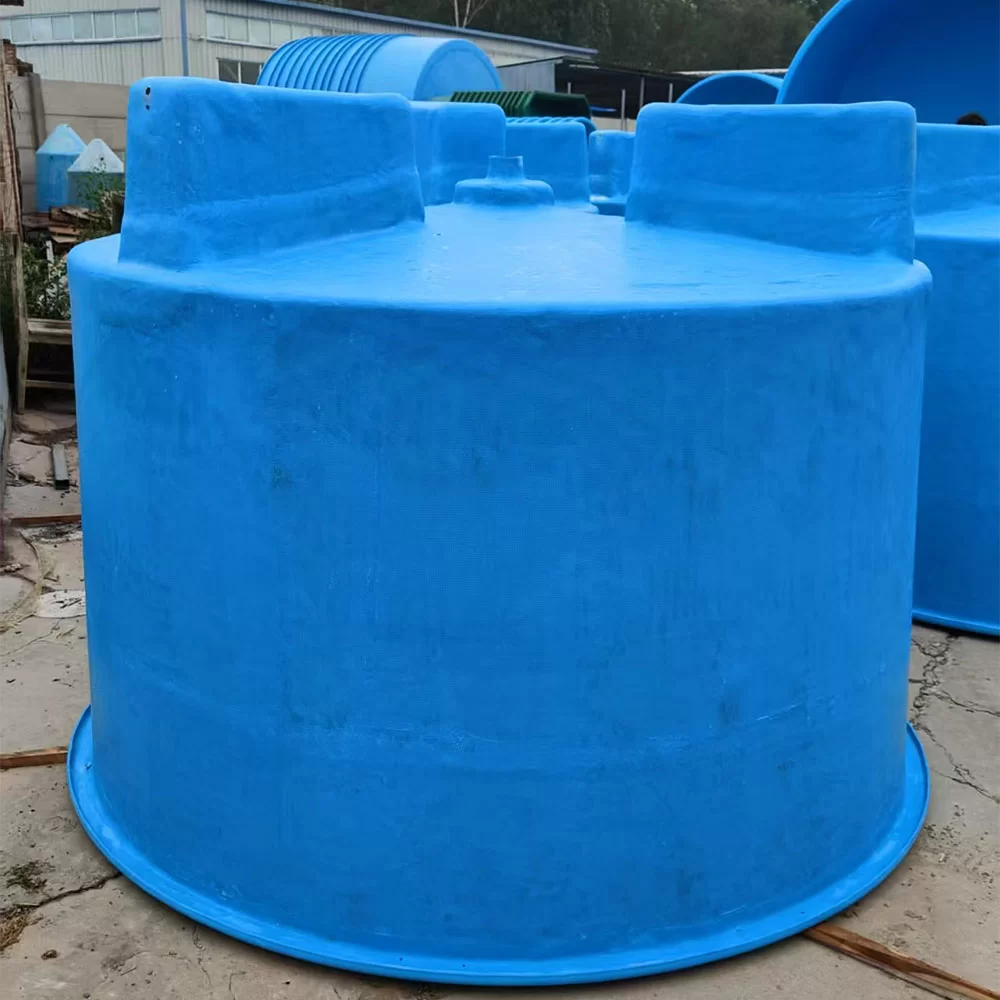

Analyzing the intersection of geographical constraints and material innovation in Switzerland.
Switzerland's unique alpine topography and varied climatic zones necessitate materials that withstand extreme thermal fluctuations and moisture. The demand for non-corrosive fiber glass rebar has increased as traditional steel reinforcements face degradation in high-humidity tunnels and mountain infrastructure.
Local procurement prioritizes longevity and environmental safety. In municipal wastewater management, there is a significant shift toward the use of a fiberglass septic tank and associated FRP piping to prevent soil contamination and reduce long-term maintenance costs compared to concrete alternatives.
Swiss engineering standards emphasize a strict balance between structural load-bearing capacity and sustainable lifecycles. This has led to a higher adoption rate of specialized carbon fiber reinforcement in high-stress structural retrofitting and precision industrial components.
From basic insulation to high-load structural integration in European manufacturing.
Identifying the key drivers of change in the European non-metallic mineral products industry.
Increased use of smart sensors embedded within FRP layers to monitor structural health in real-time.
Direct-from-manufacturer sourcing to reduce supply chain lead times for specialized Swiss projects.
Development of carbon-neutral production processes to align with Switzerland's climate goals.
Rapid prototyping of composite shapes using advanced molding and injection equipment.
The trajectory of the fiberglass industry in Switzerland is moving toward higher technical specificity. We anticipate a transition where GFRP is no longer viewed as an alternative to steel, but as the primary choice for all subterranean and wastewater applications due to its inherent chemical stability.
From a commercial perspective, the integration of automated winding and extrusion technology allows for tighter tolerances, enabling the production of high-pressure pipes and specialized storage tanks that meet the rigorous safety standards of the European market.
Practical implementation of composite solutions across various Swiss industry sectors.
Installation of FRP deodorization tanks and integrated sewage pumping stations to manage urban wastewater while preventing corrosive gas emissions in densely populated areas.
Deployment of fiberglass guardrail mesh and FRP fences in high-altitude mountain passes where salt corrosion from winter road maintenance destroys conventional metal barriers.
Utilization of FRP filament-wound storage tanks and process piping for Swiss chemical plants, ensuring zero leakage and total resistance to aggressive acids.
Application of GFRP rebar in tunnel lining and subterranean support structures to eliminate the risk of steel oxidation in damp, underground environments.
Implementation of FRP fish ponds and customized water storage units for high-altitude aquaculture, providing thermal insulation and structural durability.
Hebei Zhongtian Composite Materials Group Co., Ltd. - A legacy of precision in composite manufacturing.
Established as a comprehensive enterprise integrating design, production, and installation, based in the strategic industrial hub of Zaoqiang County.
Successfully achieved ISO9001:2000 quality system certification, alongside environmental and occupational health and safety management certifications.
Recognized for technical contributions to the South to North Water Diversion Project and numerous international municipal environmental improvements.
From high-strength GFRP rebar to complex FRP filtration towers, engineered for durability.
Technical and procurement guidance for GFRP and FRP products.
GFRP rebar is entirely corrosion-resistant, meaning it does not rust when exposed to moisture or road salts common in Swiss winters. While it has a different modulus of elasticity than steel, its lightweight nature and longevity significantly reduce the total cost of ownership for infrastructure projects.
Fiberglass tanks are impermeable, preventing leaks into the groundwater, and are resistant to the sulfuric acid produced during waste decomposition. They are also easier to transport and install in remote Swiss terrains due to their lower weight.
Carbon fiber reinforcement is recommended for projects requiring maximum tensile strength with minimum thickness. It is ideal for structural reinforcement of existing bridges or industrial machinery where adding significant weight is not an option.
Yes, our manufacturing processes are guided by ISO9001 and environmental management certifications, ensuring that the resins and fibers used meet the safety and durability requirements necessary for European industrial applications.
Absolutely. Using microcomputer-controlled winding and extrusion equipment, we can adjust the fiber density and resin composition to meet specific impact resistance and load-bearing specifications for various safety applications.
Lead times depend on the complexity of the design and the volume of the order. However, our integrated design-to-installation workflow and proximity to major transport hubs allow us to maintain an efficient delivery schedule for international projects.
Discuss your specific requirements for high-performance composite materials with our engineering team to ensure optimal material selection for the Swiss environment.
Contact Us Now


