Mar. 21, 2026
Fiberglass Reinforced Polymer (FRP) walkways are rapidly gaining popularity as a durable, corrosion-resistant, and cost-effective alternative to traditional materials like steel and concrete. These walkways are increasingly utilized in a variety of industries, including chemical processing, wastewater treatment, oil and gas, and marine environments. This article explores the benefits, applications, installation, and maintenance of walkway FRP, providing a detailed overview for engineers, facility managers, and anyone considering FRP solutions. Choosing the right walkway material is crucial for safety, longevity, and minimizing lifecycle costs.

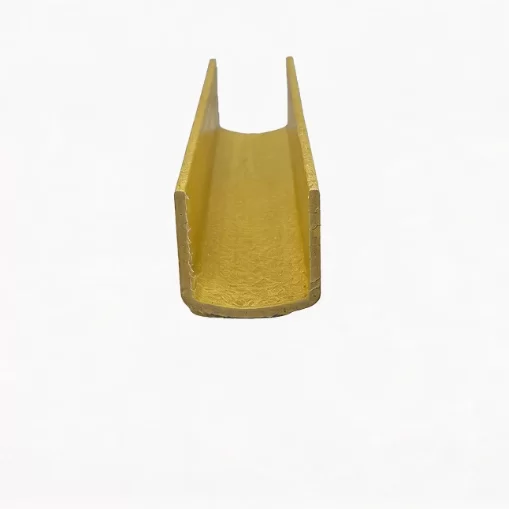
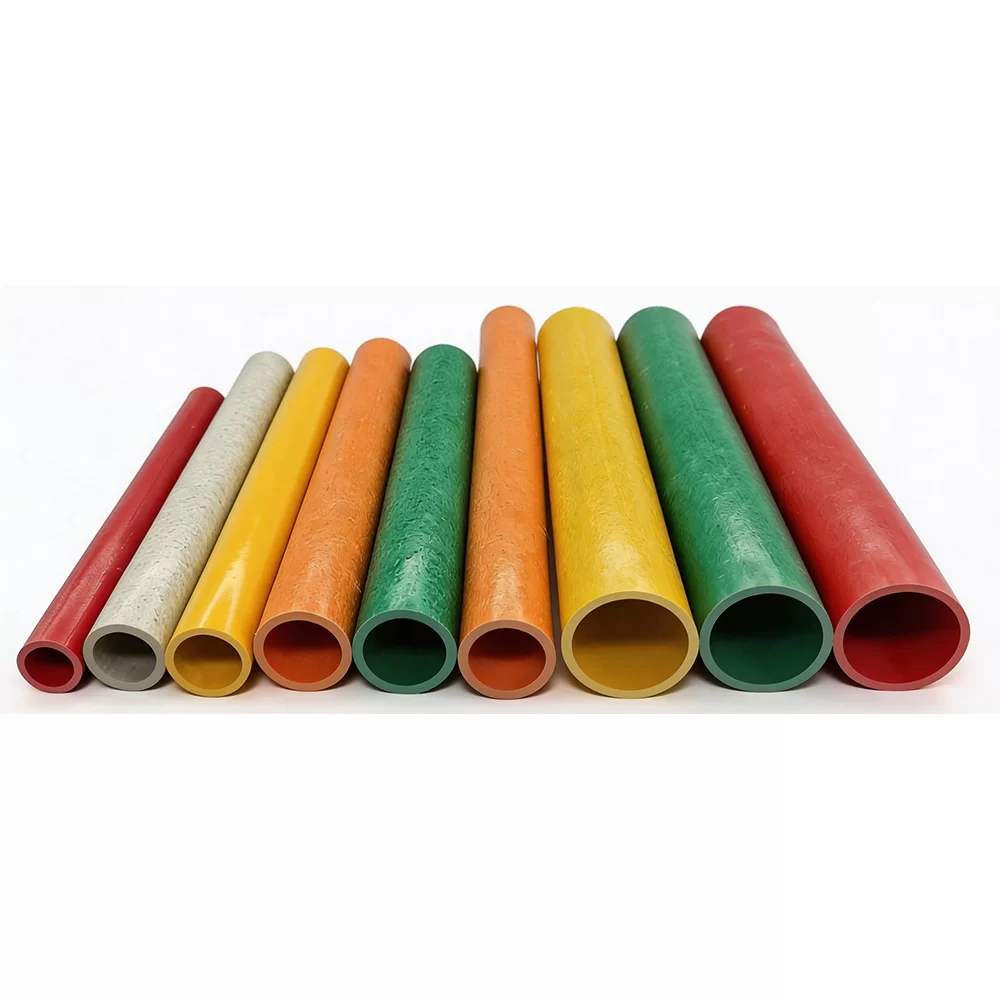
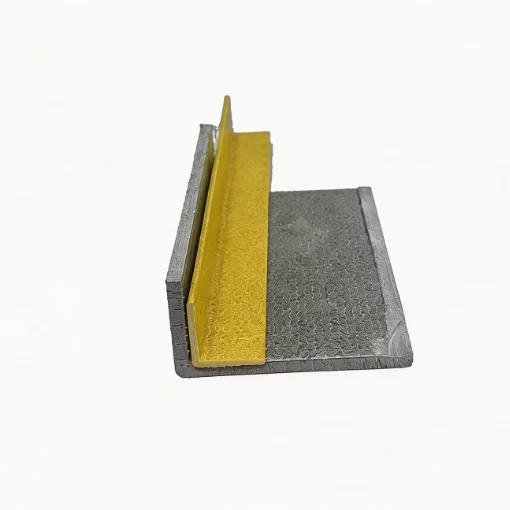
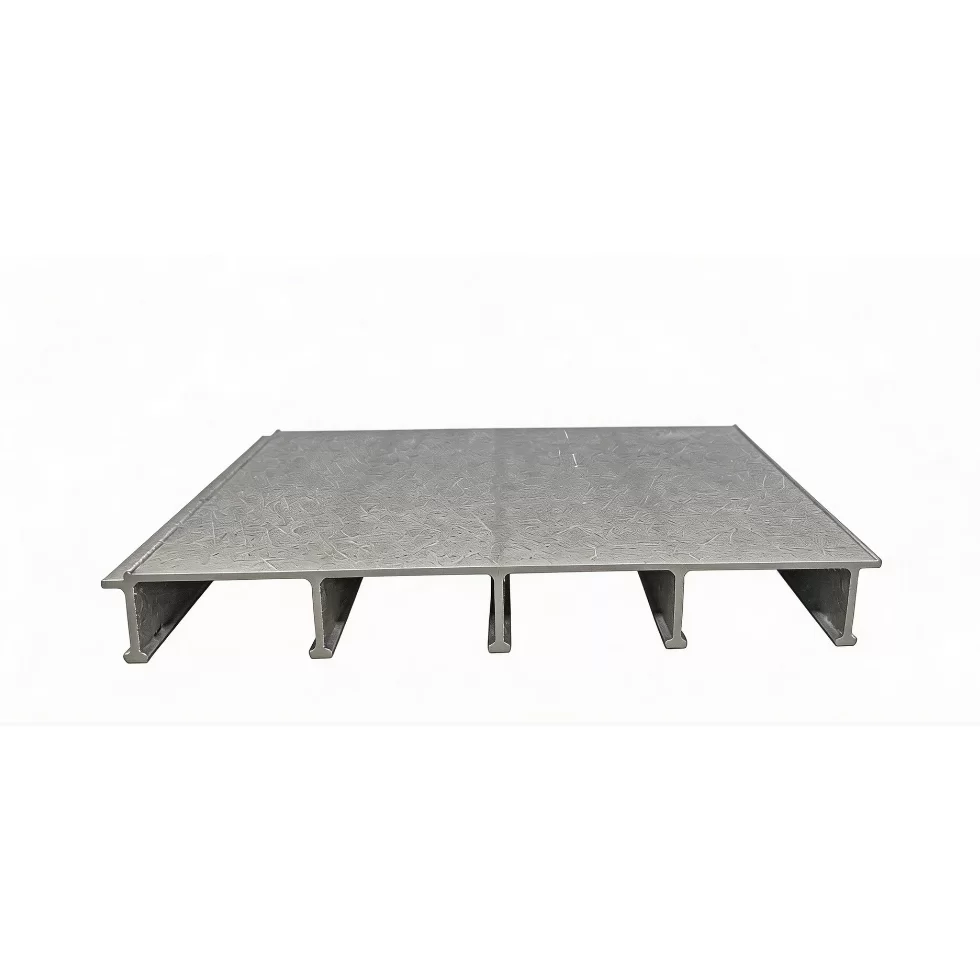
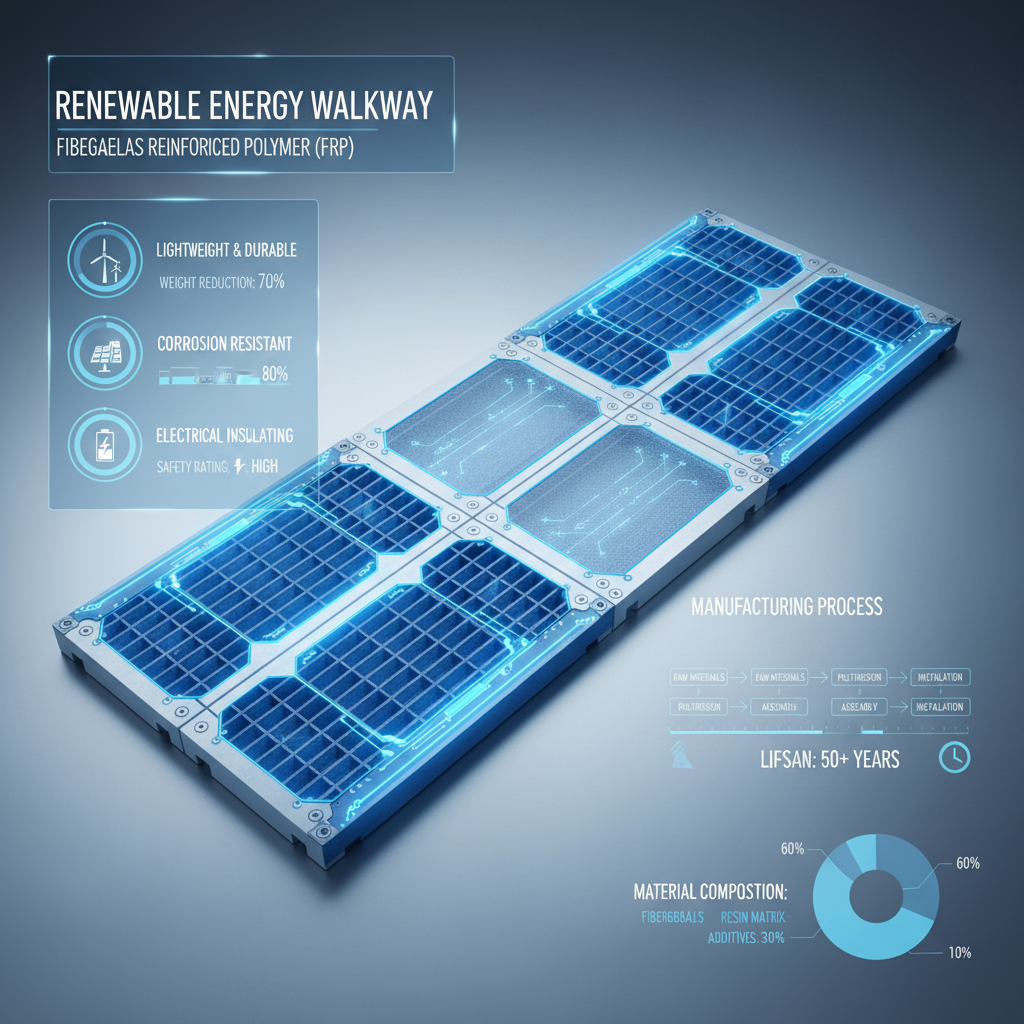
FRP walkways are constructed using a composite material consisting of reinforcing fibers (typically fiberglass) embedded in a resin matrix (such as polyester, vinyl ester, or epoxy). This combination delivers exceptional strength, stiffness, and resistance to corrosion. The manufacturing process can involve pultrusion, molding, or hand lay-up, each resulting in slightly different properties and applications. Pultruded FRP profiles are commonly used for grating, handrails, and structural supports. Molded grating offers excellent load-bearing capacity and slip resistance. Understanding the specific construction method helps determine the suitability of the walkway for particular environments and load requirements.
Key Benefits: Exceptional strength-to-weight ratio, corrosion resistance, low maintenance, long lifespan, and design flexibility.
Compared to steel and concrete, FRP walkways offer significant advantages. Steel is prone to corrosion, requiring regular painting and maintenance. Concrete is susceptible to cracking and deterioration from chemical exposure and freeze-thaw cycles. FRP eliminates these issues, providing a long-lasting solution with minimal maintenance. Furthermore, FRP is significantly lighter than steel, reducing installation costs and structural support requirements. The non-conductive nature of FRP also enhances safety in environments with electrical hazards.
Key Benefits of FRP:
• Corrosion resistance eliminates maintenance costs.
• Lightweight construction reduces installation expenses.
• Non-conductive properties enhance electrical safety.
• Long lifespan minimizes lifecycle costs.
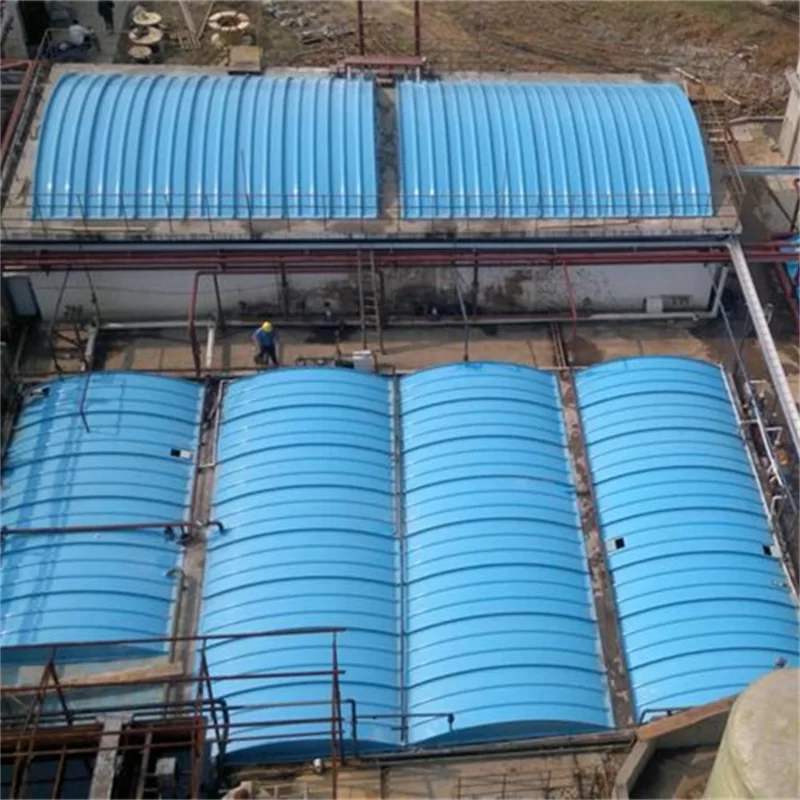
The versatility of FRP walkways makes them ideal for a diverse range of applications. In the chemical processing industry, they withstand harsh chemical environments. Wastewater treatment plants benefit from their resistance to corrosive gases and liquids. Oil and gas facilities utilize FRP walkways for offshore platforms and onshore processing plants. Marine environments appreciate their resistance to saltwater corrosion. Other applications include pulp and paper mills, power generation plants, and food processing facilities. They are used for walkways, platforms, grating, handrails, and structural supports.
Proper installation is critical to ensure the long-term performance of FRP walkway systems. It's essential to follow the manufacturer’s recommendations and utilize qualified installers experienced with FRP materials. This includes ensuring proper surface preparation, correct fastener selection, and appropriate spacing. Consideration should be given to thermal expansion and contraction, as FRP materials have different coefficients of thermal expansion than steel or concrete. Properly designed expansion joints are crucial to prevent stress buildup and potential damage.
One of the most significant benefits of FRP walkways is their low maintenance requirements. Unlike steel, they do not require painting or coating to prevent corrosion. Regular inspection for loose fasteners or damage is recommended. Cleaning can be performed with mild detergents and water. With proper installation and minimal maintenance, FRP walkways can provide decades of reliable service, minimizing lifecycle costs and maximizing return on investment. Contact HBZT Composite for product specifications and expert guidance.
Investing in walkway FRP solutions offers a compelling combination of durability, cost-effectiveness, and environmental sustainability. Their resistance to corrosion, low maintenance requirements, and long lifespan make them an ideal choice for a wide range of industries. By selecting FRP, companies can reduce lifecycle costs, improve safety, and contribute to a more sustainable future.
FRP walkways typically have a lifespan of 25-50 years, significantly longer than traditional materials like steel or wood. This longevity is due to their inherent resistance to corrosion, rot, and UV degradation. However, the actual lifespan can vary depending on the specific environmental conditions, load intensity, and maintenance practices. Regular inspections and prompt repairs of any damage will maximize the walkway's lifespan. Proper design and installation are also crucial factors.
FRP materials can withstand a wide range of temperatures, but their performance can be affected by extreme conditions. Most FRP resins can operate effectively between -40°C and 82°C. However, prolonged exposure to temperatures outside this range can potentially reduce the material's strength and stiffness. It is crucial to select the appropriate resin type and reinforcement fibers based on the specific temperature requirements of the application. Consulting with an FRP specialist is recommended for extreme temperature environments.
FRP walkways can be designed to support a wide range of loads, including static loads (weight of people and equipment), dynamic loads (impact and vibration), and environmental loads (wind and snow). The load-bearing capacity depends on the walkway's construction, the type of FRP materials used, and the support structure. A thorough structural analysis should be conducted to ensure the walkway is adequately designed for its intended application. HBZT Composite can provide engineering support for load calculations and design optimization.
While aluminum offers some corrosion resistance, FRP excels in highly corrosive environments. Aluminum can corrode in the presence of chlorides and other aggressive chemicals, requiring protective coatings. FRP, on the other hand, is inherently resistant to a wide range of chemicals and does not require any additional protection. This makes FRP a more durable and cost-effective solution in harsh environments where corrosion is a significant concern. FRP also offers a better strength-to-weight ratio than aluminum in many applications.
Apr. 27, 2026
Benefits of Durable Concrete Fiberglass Rebar for Infrastructure

Apr. 24, 2026
High Strength and Corrosion Resistant glass fibre reinforcement bars
Apr. 23, 2026
Reliable frp walkway manufacturer for Industrial Flooring Solutions
Apr. 22, 2026
Sustainable Construction with High Strength gfrp rebars Guide

Apr. 17, 2026
Advantages and Applications of High Strength Glass Rebar
Apr. 16, 2026
The Ultimate Guide to GFRP Rebars for Modern Construction
Looking for Reliable Frp Solutions?