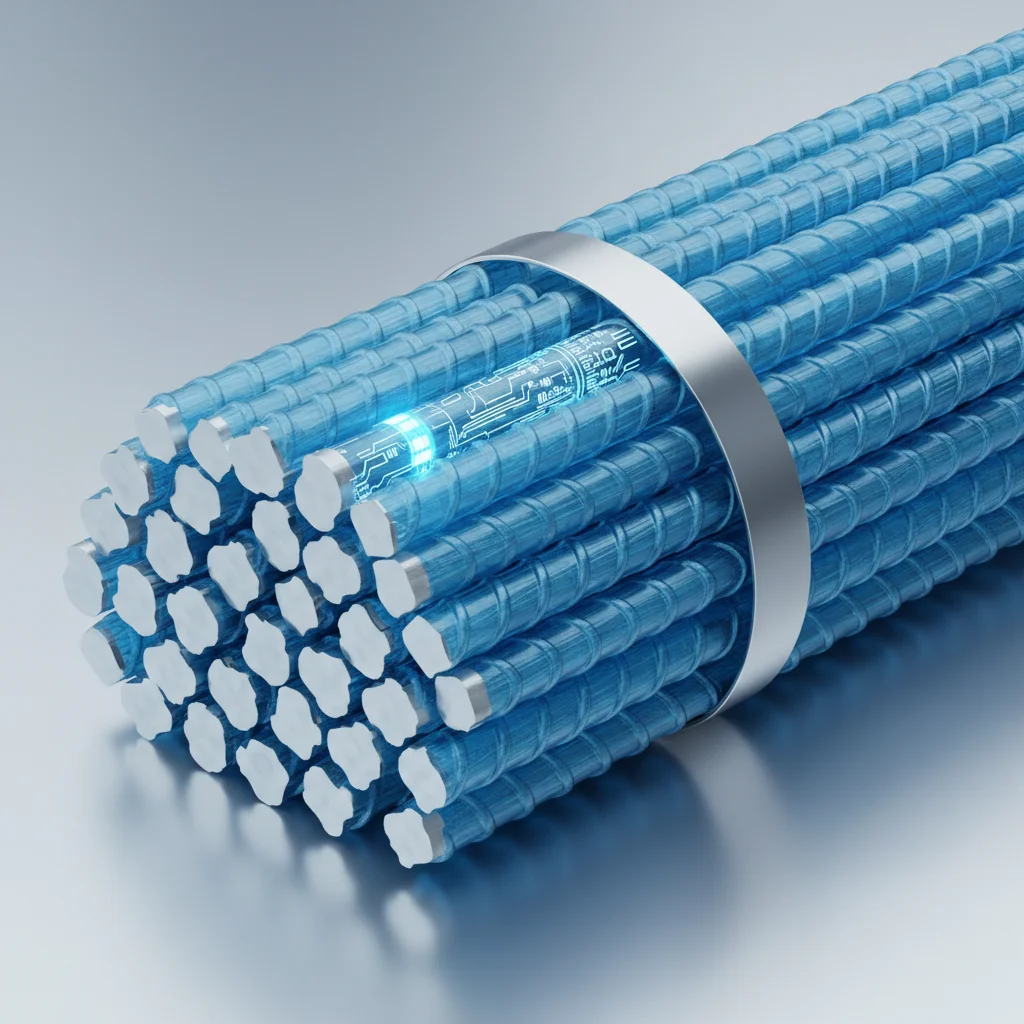
In the modern construction and industrial landscape, the search for sustainable and high-performance reinforcement materials has led to a surge in interest regarding the gfrp rebar price and its overall value proposition. As traditional steel faces challenges related to corrosion and weight, Glass Fiber Reinforced Polymer (GFRP) emerges as a critical structural material designed to enhance the mechanical performance and reliability of composite systems globally. Understanding the cost dynamics of these materials is essential for engineers and procurement managers aiming to balance structural integrity with project budgets.
The global shift toward advanced composites is driven by the need for infrastructure that can withstand aggressive environments without the constant need for expensive maintenance. When analyzing the gfrp rebar price, it is important to consider not just the initial acquisition cost, but the lifecycle savings achieved through the total elimination of rust and corrosion. This transition is particularly evident in marine and coastal regions where saltwater acceleration makes traditional metal reinforcements a liability.
By integrating high-quality glass fibers into resin-based matrices, this reinforcement solution delivers superior strength and dimensional stability while remaining lightweight. For those looking to optimize their project costs, evaluating the gfrp rebar price allows for a more strategic approach to material selection, ensuring that performance efficiency and long-term durability remain the top priorities.

Material Structure and the Value of GFRP Rebar
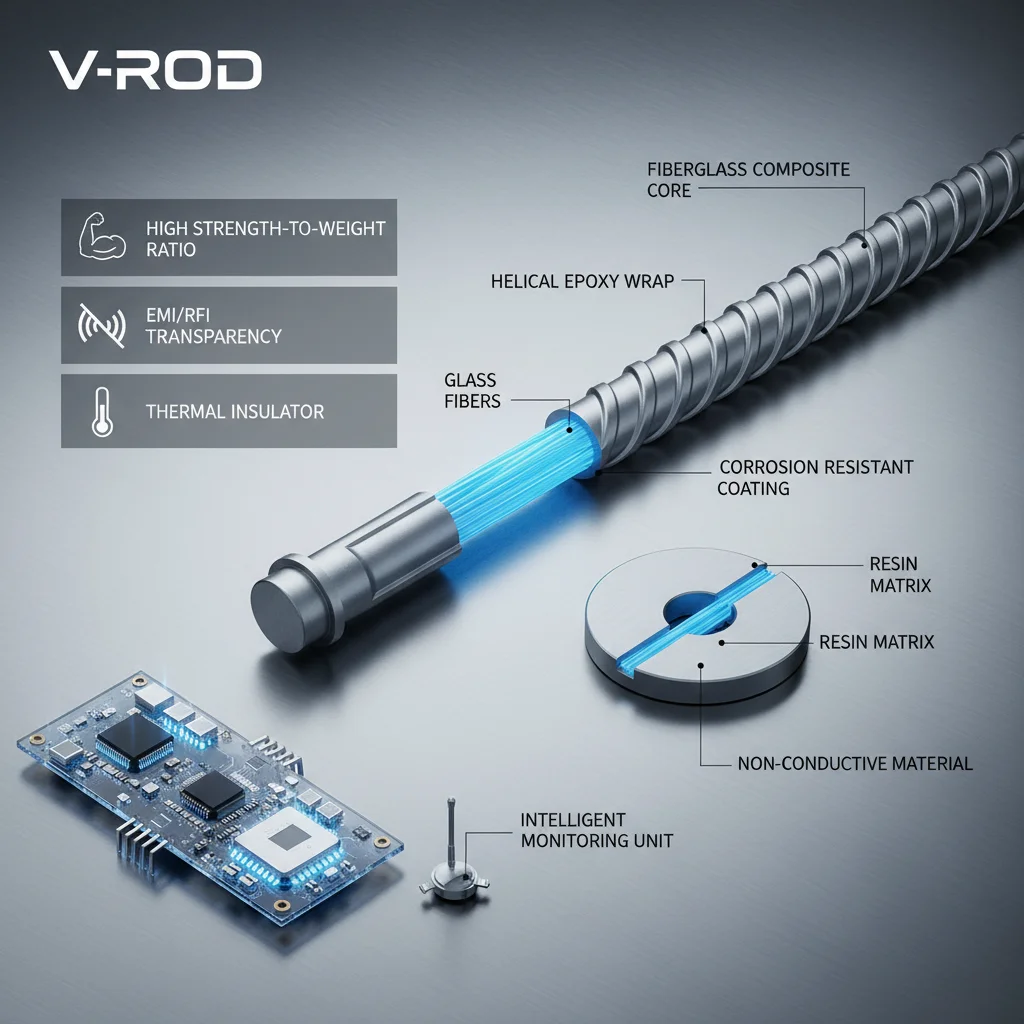
Fiberglass rebar is primarily composed of continuous or chopped glass fibers manufactured from silica-based raw materials. These fibers are engineered with controlled diameters and tensile properties, then integrated into resin matrices such as polyester, vinyl ester, or epoxy. The synergy between the resin, which provides shape and protection, and the fibers, which carry the majority of the mechanical stress, creates a high-strength composite that defines the intrinsic value reflected in the gfrp rebar price.
The reinforcement mechanism relies on efficient load transfer between the matrix and the fibers. Advanced sizing and surface treatments are applied to ensure optimal interfacial adhesion, which prevents delamination under cyclic loads. This engineering precision ensures that the material remains stable even in the harshest environmental conditions, justifying the investment for high-stakes structural applications.
Core Performance Features Influencing Market Cost
One of the primary drivers of the gfrp rebar price is its exceptional mechanical strength. GFRP provides high tensile, flexural, and compressive strength, making it a reliable choice for load-bearing applications where failure is not an option. Unlike metal, these composites do not suffer from the same fatigue patterns, ensuring a consistent performance profile over decades of service.
Weight reduction is another critical factor. The high strength-to-weight ratio of fiberglass rebar allows for significant reductions in total structural mass compared to steel or aluminum. This lightweight nature not only lowers transportation costs but also simplifies the installation process, reducing labor expenditures and enhancing overall project efficiency.
Chemical and corrosion resistance are perhaps the most valuable features. Resistant to moisture, acids, alkalis, and oils, GFRP rebar is the gold standard for aggressive industrial environments. This inherent immunity to oxidation removes the need for expensive protective coatings or cathodic protection systems often required for traditional metallic reinforcements.
Key Advantages Over Conventional Reinforcements
When comparing the gfrp rebar price to traditional steel, the most immediate advantage is the enhanced structural performance. By efficiently distributing loads and reinforcing stress points without adding unnecessary bulk, GFRP optimizes the architectural footprint of a project while maintaining rigorous safety standards.
From an engineering standpoint, GFRP represents a cost-effective solution when viewed through the lens of the total lifecycle. While the upfront gfrp rebar price may differ from carbon steel, the elimination of rust-related structural failures and the reduction in concrete cover requirements lead to substantial long-term savings.
Furthermore, the manufacturing efficiency of GFRP is unmatched. It is compatible with diverse processes such as pultrusion, vacuum infusion, and resin transfer molding (RTM). This flexibility allows manufacturers to scale production rapidly, helping to stabilize the gfrp rebar price even as global demand for sustainable infrastructure continues to climb.
Global Industrial Applications and Use Cases
Fiberglass rebar is utilized across a vast spectrum of industries, from automotive transportation to heavy infrastructure. In the automotive sector, it is used for interior and exterior structural components to reduce vehicle weight and improve fuel efficiency. In the construction of bridges and seawalls, the corrosion-resistant nature of the material makes it indispensable for longevity.
Wind energy represents another massive growth area, where GFRP is essential for wind turbine blades and support components. The requirement for high fatigue resistance and stability under constant wind stress makes GFRP the preferred choice over metals. Similarly, in marine environments, boat hulls and offshore pipes rely on this material to withstand the constant assault of saltwater.
Comparative Value Analysis of GFRP Rebar Price Metrics
Customization Options and Specification Impact
To meet diverse application requirements, the specifications of fiberglass rebar can be tailored, which directly influences the final gfrp rebar price. Customers can select specific fiber types, filament diameters, and areal weights to optimize the reinforcement for their specific load-bearing needs. This ensures that no material is wasted and performance is maximized.
Beyond mechanical properties, customization extends to surface treatments and resin compatibility. Whether the application requires a specific roll width or a specialized packaging format for international shipping, custom-engineered solutions allow manufacturers to improve production efficiency. This bespoke approach ensures that the cost reflects the exact utility required for the project.
Quality Control and Long-Term Reliability
Strict quality control measures are the bedrock of reliability in composite manufacturing. Every batch of GFRP is tested for mechanical strength, fiber distribution, and resin compatibility. This ensures that the material performs consistently under cyclic loads, protecting the investment associated with the gfrp rebar price by preventing premature structural failure.
Compliance with international industrial standards is not optional; it is a necessity. By adhering to rigorous testing protocols, manufacturers can guarantee that the fiberglass rebar will maintain its dimensional integrity across a wide temperature range. This reliability reduces the risk of project delays and costly retrofits.
Ultimately, the value of GFRP is found in its stability. When a material does not rust or degrade in high-humidity environments, the maintenance requirements are slashed. This reduction in lifecycle costs transforms the initial gfrp rebar price from a procurement expense into a long-term strategic asset for the owner.
Future Trends in Composite Material Economics
The future of the composite industry is moving toward digital transformation and automation. As pultrusion and molding processes become more automated, the efficiency of production will likely lead to a more competitive gfrp rebar price. Integration with AI-driven design allows for the creation of reinforcement architectures that use the minimum amount of material for maximum strength.
Sustainability and green energy are also driving innovation. The shift toward bio-based resins and recycled glass fibers is expected to reduce the environmental footprint of GFRP production. As global carbon taxes and green building certifications become more prevalent, the value proposition of GFRP will only increase.
We are also seeing a trend toward hybrid composites, where GFRP is combined with carbon fiber to create materials with extreme stiffness and moderate costs. This evolution ensures that the gfrp rebar price remains relevant by offering a scalable family of products that can meet any structural challenge.
Comparison of GFRP Reinforcement Performance and Cost Metrics
| Material Grade |
Corrosion Resistance |
Strength-to-Weight |
Value-to-Price Score |
| Standard E-Glass GFRP |
High |
Excellent |
8/10 |
| Vinyl Ester Premium |
Ultra-High |
Superior |
9/10 |
| Epoxy-Based GFRP |
High |
Very High |
7/10 |
| Basalt Hybrid GFRP |
Extreme |
Superior |
8/10 |
| Industrial Grade GFRP |
Medium-High |
High |
9/10 |
| Custom Architect GFRP |
Variable |
Optimized |
7/10 |
FAQS
The price is primarily driven by the type of glass fiber used, the specific resin matrix (such as vinyl ester versus polyester), and the production volume. Custom specifications regarding diameter, surface treatment, and the pultrusion process also impact the final cost. Additionally, market demand for corrosion-resistant materials in infrastructure projects can cause fluctuations in pricing.
While the initial purchase price of GFRP may be different from steel, it is significantly cheaper over the project's lifecycle. Because GFRP does not rust, it eliminates the need for expensive anti-corrosion treatments and frequent structural repairs. This leads to a drastic reduction in maintenance costs, making it a more economical choice for saltwater or chemical-rich environments.
GFRP rebar is exceptionally lightweight compared to steel. This high strength-to-weight ratio reduces shipping costs and allows for easier handling on-site. Workers can install GFRP more quickly and with less heavy machinery, which reduces labor hours and overall project timelines, effectively offsetting the initial material cost.
Yes, GFRP can be customized in terms of fiber orientation, filament diameter, resin type, and length. This flexibility allows engineers to optimize the material's mechanical properties for specific load-bearing requirements, ensuring that you only pay for the performance specifications your project actually needs.
Reliability is ensured through strict testing for tensile strength, flexural modulus, and resin bonding. Most reputable manufacturers follow international standards (such as ASTM or ISO) to ensure consistency across batches. This quality assurance ensures that the investment in GFRP rebar provides the promised service life without unexpected failures.
GFRP is increasingly viewed as a sustainable alternative. Its longevity reduces the need for repeated reconstruction of infrastructure, which lowers the total consumption of concrete and raw materials over time. Furthermore, innovations in bio-resins and the lack of toxic corrosion by-products make it a greener choice for modern construction.
Conclusion
In conclusion, the gfrp rebar price is a reflection of a high-performance engineering solution that prioritizes long-term durability over short-term savings. By combining superior tensile strength, complete corrosion resistance, and a lightweight profile, GFRP rebar solves the most critical failures associated with traditional metal reinforcements. From the automotive industry to offshore wind energy, the transition to these composite materials is not just a trend, but a necessary evolution in structural engineering.
Looking forward, the continued integration of automation and sustainable materials will further optimize the value proposition of fiberglass reinforcements. For developers and engineers, the recommendation is clear: evaluate the lifecycle costs rather than just the initial invoice. Investing in high-quality GFRP today ensures a safer, more sustainable, and maintenance-free tomorrow. Visit our website for more information: www.hbztcomposite.com