When it comes to sustainable and durable water storage, the frp water tank has emerged as a global benchmark for industrial and municipal infrastructure. By combining high-strength glass fibers with advanced polymer resins, these composite systems eliminate the inherent vulnerabilities of traditional steel and concrete, such as rust and structural cracking.
The global shift toward smarter water management requires materials that can withstand aggressive environments without requiring constant chemical treatments or expensive coatings. An frp water tank provides a seamless, non-corrosive alternative that ensures water purity and structural integrity over decades of service, regardless of the external climate.
Understanding the technical advantages of fiberglass reinforced plastics is essential for engineers and procurement officers looking to reduce life-cycle costs. From modular sectional designs to one-piece molded units, the versatility of the frp water tank makes it the ideal choice for everything from fire protection systems to potable water reserves in remote areas.

Understanding the Fundamentals of FRP Water Tanks
An frp water tank is a specialized storage vessel constructed from Fiber Reinforced Plastic, a composite material consisting of a polymer matrix reinforced with glass fibers. Unlike traditional materials, this composition allows the tank to be exceptionally lightweight while maintaining a mechanical strength that often rivals or exceeds that of steel, providing a unique balance of durability and ease of installation.
The primary driver behind the adoption of these tanks is their complete immunity to oxidation. Because the material does not rust, an frp water tank is particularly effective in coastal regions with high saline air or in industrial plants where chemical vapors would rapidly degrade metallic structures, ensuring a service life that can easily exceed 30 years.
Core Components and Structural Engineering
The structural integrity of a sectional frp water tank relies on a modular system of prefabricated panels. These panels are precision-molded to ensure a perfect fit and are bolted together using high-grade corrosion-resistant fasteners. This modularity allows for the construction of tanks in restricted spaces, such as rooftops or basements, where bringing in a pre-fabricated steel tank would be physically impossible.
Beyond the panels, the internal reinforcement system is critical. Tie rods and bracing supports are strategically placed to distribute hydrostatic pressure evenly across the walls. This prevents the "bowing" effect often seen in lower-quality storage units, ensuring that the frp water tank maintains its dimensional stability even when filled to maximum capacity.
Sealing is achieved through the use of high-performance gaskets and food-grade resin systems. For potable water applications, the internal surfaces are finished with a smooth, non-porous gel coat that prevents the accumulation of sediment and the growth of bacteria, meeting stringent international health and safety standards for drinking water storage.
Key Performance Factors for Water Storage
One of the most critical performance factors of an frp water tank is its superior strength-to-weight ratio. This allows for the installation of massive reservoirs on existing building structures without necessitating expensive foundation reinforcements, significantly lowering the initial capital expenditure of the project.
Thermal insulation is another pivotal advantage. The composite nature of the frp water tank naturally resists heat transfer better than metal. For projects in extreme climates, insulated panel options can be integrated to prevent water from freezing in winter or overheating in summer, preserving water quality.
Furthermore, UV resistance is engineered into the outer layer of the frp water tank. By using UV-stabilized resins and specialized gel coats, the tanks are protected from the degrading effects of prolonged sunlight exposure, preventing brittleness and surface cracking over decades of outdoor use.
Global Applications and Industry Use Cases
The deployment of the frp water tank spans a diverse array of sectors. In municipal settings, they serve as the backbone for urban potable water reserves, ensuring a steady supply of clean water. In the commercial sector, they are the gold standard for fire protection systems, providing the reliability needed for emergency sprinklers and hydrant systems in high-rise buildings.
Industrial applications are equally diverse, from chemical processing plants where corrosion resistance is non-negotiable to agricultural irrigation projects in remote rural zones. Because an frp water tank is easy to transport and assemble on-site, it is frequently utilized in post-disaster relief operations to provide immediate water security to affected populations.
Comparative Performance of FRP Water Tank vs Traditional Materials
Long-Term Value and Sustainability Benefits
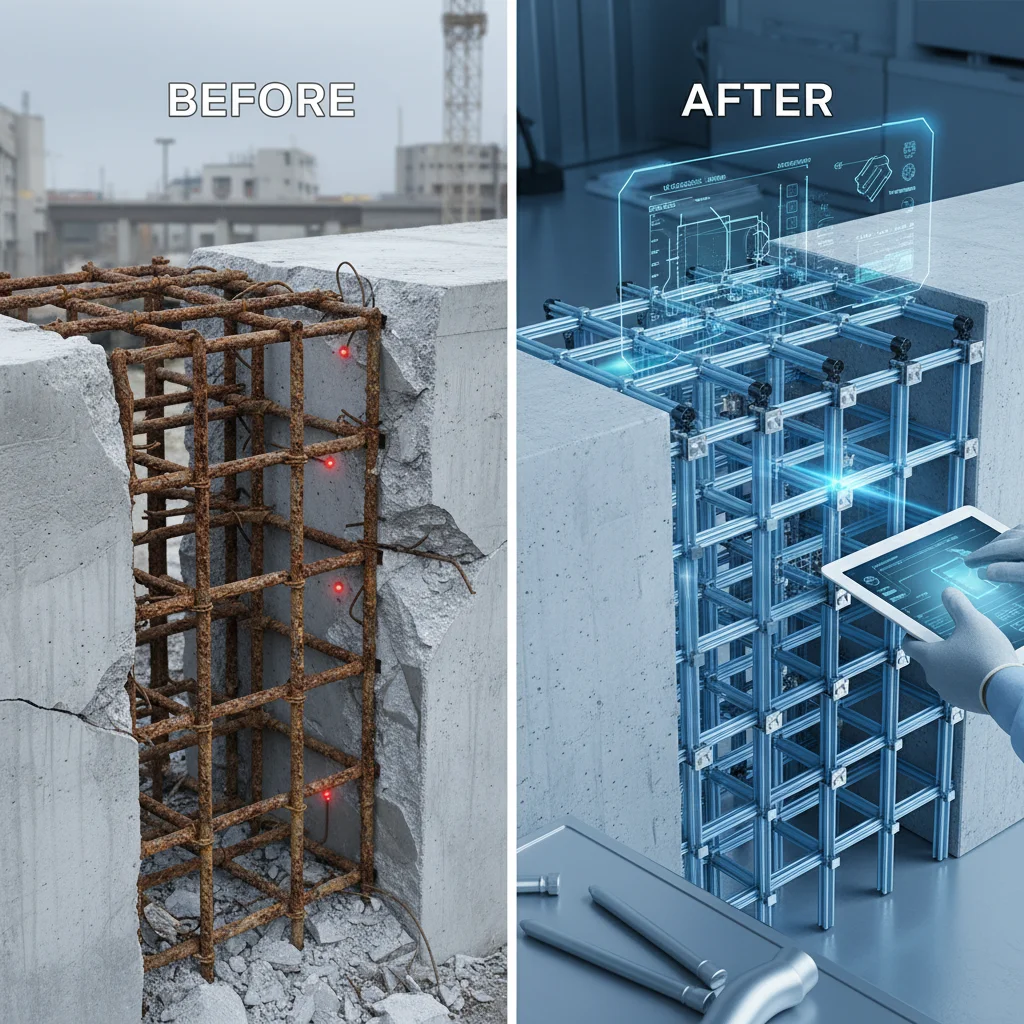
Investing in an frp water tank provides tangible economic advantages through the reduction of maintenance costs. Unlike steel tanks that require repeated sanding and painting to prevent rust, FRP materials are inherently stable. This eliminates the need for toxic anti-corrosion chemicals, making it a more environmentally friendly choice for the long term.
Beyond the financial aspect, there is a significant social impact. By providing a reliable, leak-proof, and hygienic method of water storage, the frp water tank supports sustainable water management initiatives, such as rainwater harvesting and desalination storage, which are crucial for water-scarce regions across the globe.
Future Trends in Composite Water Storage
The future of the frp water tank is being shaped by the integration of "smart" technologies. We are seeing the rise of embedded sensors within the FRP walls that can monitor water levels, detect micro-leaks, and analyze water quality in real-time, transmitting this data to centralized management systems via IoT connectivity.
Furthermore, the industry is moving toward more sustainable resin systems. The development of bio-based resins and recyclable thermoplastic composites aims to reduce the carbon footprint of the manufacturing process, ensuring that the frp water tank remains an eco-conscious solution for the next generation of infrastructure.
Automation in production, such as filament winding and advanced pultrusion, is also increasing the precision and strength of the tank walls. These innovations allow for the creation of larger, more complex tank geometries that can withstand higher pressures and more extreme environmental stresses than ever before.
Challenges and Expert Implementation Solutions
While the benefits are numerous, one common challenge is the initial installation quality. Improperly tightened bolts or misaligned gaskets can lead to leakage. Expert implementation involves a rigorous quality control process, including hydrostatic testing after assembly, to ensure that the frp water tank is perfectly watertight before being put into service.
Another consideration is the foundation preparation. Because FRP tanks are lightweight, they can be susceptible to wind uplift if not properly anchored, especially in open areas. Professional engineering calculations for wind and seismic loads are essential to determine the correct anchoring system for a secure frp water tank installation.
Finally, addressing the challenge of extreme temperature fluctuations requires a tailored approach. By utilizing specific resin blends and adding insulation layers, engineers can prevent the thermal expansion and contraction that could otherwise stress the joints of the tank, ensuring the frp water tank remains stable throughout its lifecycle.
Technical Analysis of FRP Water Tank Implementation Variables
| Project Environment |
Recommended FRP Specification |
Critical Success Factor |
Expected Lifespan |
| Coastal/Marine |
High-Grade Vinylester Resin |
Salt Spray Resistance |
30+ Years |
| Municipal Potable |
Food-Grade Gel Coat |
Bacterial Inhibition |
25-30 Years |
| Chemical Industrial |
Chemical-Resistant Liner |
Permeation Resistance |
20-25 Years |
| Rooftop Storage |
Lightweight Sectional Panels |
Structural Load Limit |
25+ Years |
| Cold Climate |
Insulated Composite Core |
Freeze-Thaw Stability |
20-30 Years |
| Agricultural |
UV-Stabilized Polyester |
Ease of Deployment |
20+ Years |
FAQS
The primary advantage is complete corrosion resistance. While stainless steel can still suffer from pitting or chloride stress corrosion (especially in coastal areas), an FRP water tank is chemically inert to most environmental factors. Additionally, FRP is significantly lighter, reducing shipping costs and installation time, and doesn't require the expensive internal coatings that steel often needs to maintain water purity.
Yes, provided the tank is manufactured using food-grade resins and internal gel coats. These materials are specifically engineered to be non-toxic and non-leaching. The smooth, non-porous surface of a high-quality FRP water tank also prevents the buildup of algae and bacteria, making it an excellent choice for municipal potable water systems.
Installation time varies by capacity, but because the panels are prefabricated, they can be assembled much faster than pouring concrete or welding steel. A mid-sized industrial FRP water tank can often be assembled on-site within a few days to a couple of weeks, depending on the complexity of the site and the availability of the installation crew.
Absolutely. FRP composites are designed to handle wide temperature ranges. When specified with UV-resistant coatings, they withstand intense sunlight without degrading. For freezing environments, insulated panels are available to prevent water from freezing, ensuring the structural integrity of the FRP water tank remains intact during winter.
FRP water tanks are virtually maintenance-free compared to metal alternatives. There is no need for painting or rust treatment. We recommend periodic inspections of the bolted connections and gaskets every 2-5 years to ensure watertightness, as well as routine cleaning of the interior to remove any accumulated sediment.
They are highly sustainable in terms of operation. Their long lifespan reduces the need for frequent replacements, and the absence of toxic anti-rust coatings prevents chemicals from leaching into the environment. Furthermore, their lightweight nature reduces the carbon emissions associated with transportation and heavy machinery during installation.
Conclusion
The transition toward the frp water tank represents a significant leap in water storage technology. By integrating superior corrosion resistance, a high strength-to-weight ratio, and modular flexibility, these composite systems solve the most persistent problems associated with traditional storage materials. From ensuring the safety of drinking water to providing reliable fire protection and industrial process support, FRP technology offers a durable, low-maintenance, and cost-effective solution for a wide range of global challenges.
As we look toward a future defined by sustainability and smart infrastructure, the role of composite materials will only grow. We encourage engineers, facility managers, and urban planners to prioritize materials that offer long-term reliability over short-term savings. Investing in a high-quality frp water tank is not just a procurement decision, but a strategic commitment to safety and environmental stewardship. Visit our website: www.hbztcomposite.com