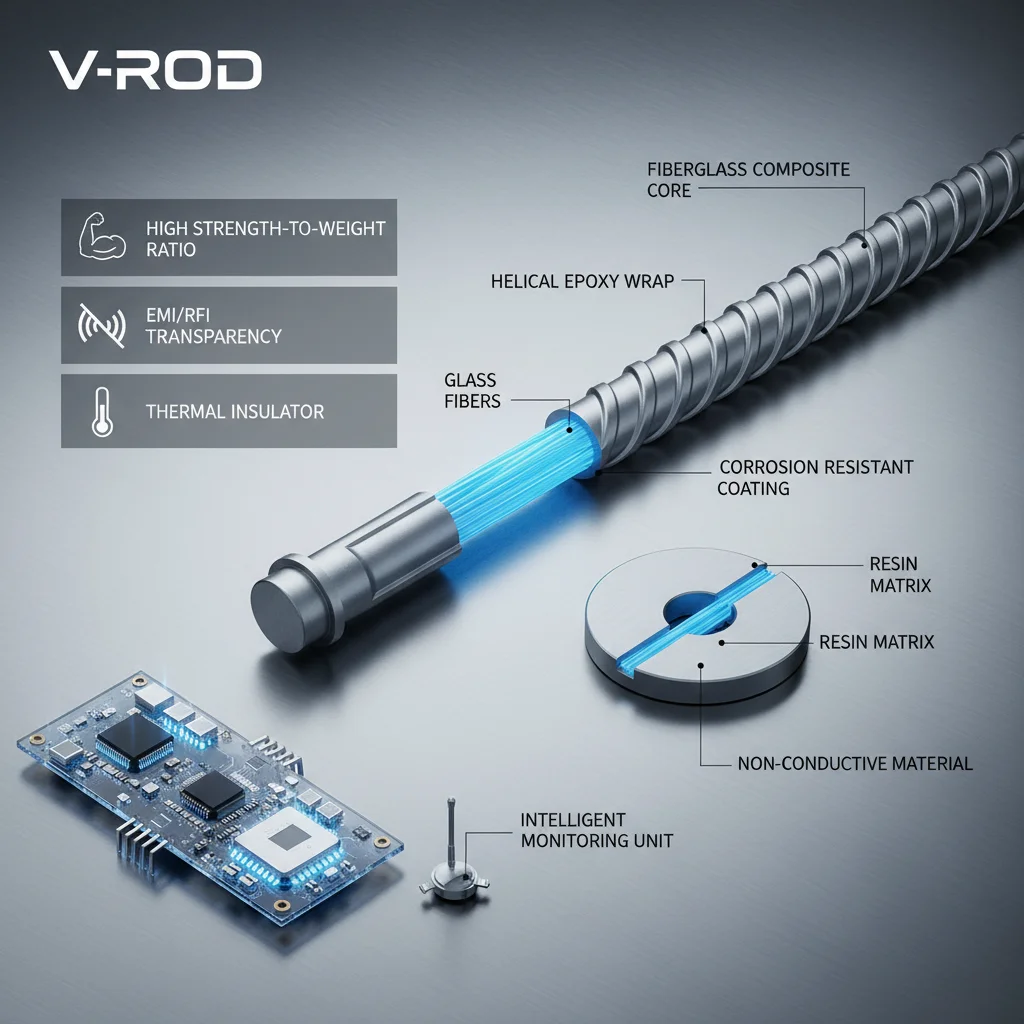
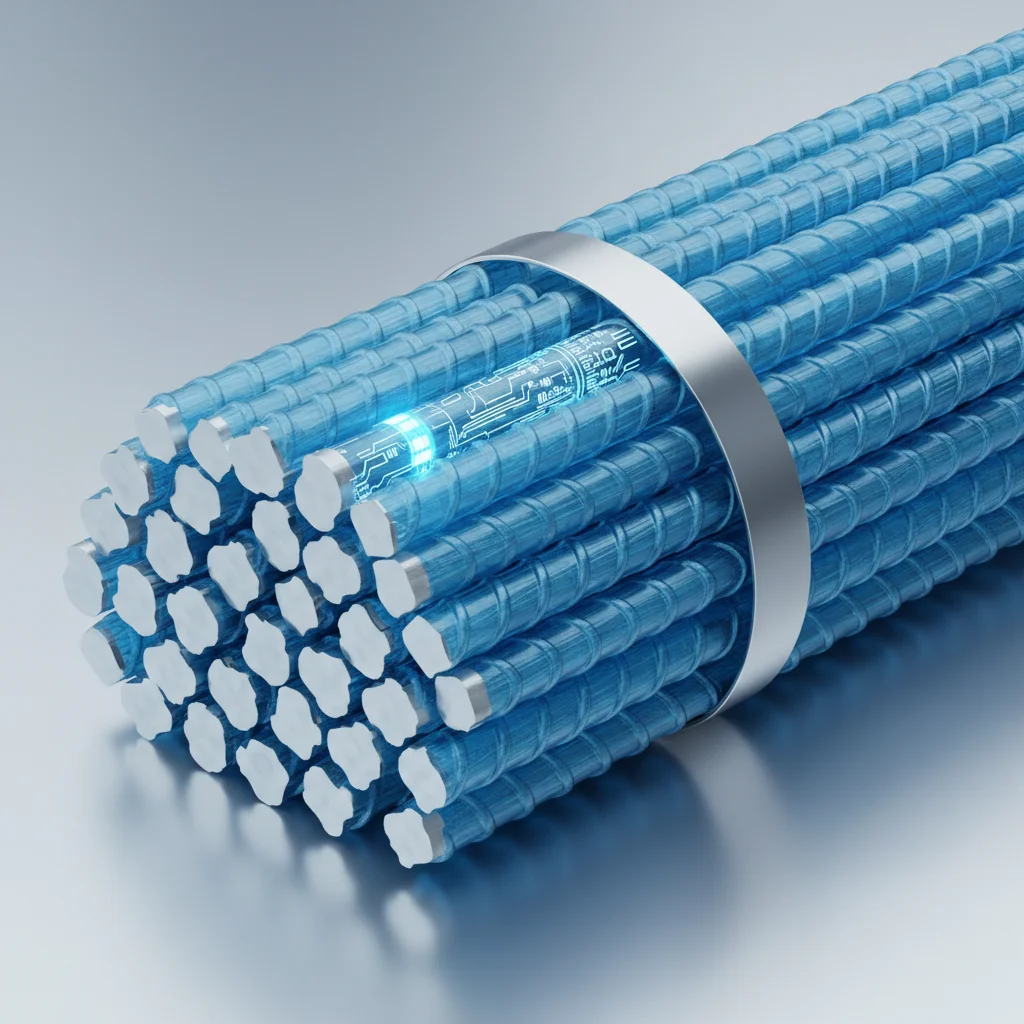
Understanding the dynamics of gfrp price is essential for modern engineers and procurement specialists who are transitioning from traditional steel to advanced composite materials. Glass Fiber Reinforced Polymer (GFRP) offers an unparalleled strength-to-weight ratio and corrosion resistance, making it a strategic investment for infrastructure projects in harsh environments.
Globally, the fluctuation of gfrp price is influenced by the raw material costs of silica sand, resin chemistry, and energy prices. As the construction industry shifts toward sustainable and long-lasting materials, the market for GFRP continues to expand, driving a need for transparent pricing models and quality-standardized products.
Ultimately, analyzing the gfrp price not just as an upfront cost, but as a total life-cycle value, reveals significant savings in maintenance and installation. By understanding the factors that drive these costs, companies can better optimize their budgets while ensuring the structural integrity of their fiberglass extruded profiles and reinforcement products.

Market Drivers of GFRP Price
The volatility of the gfrp price is largely dictated by the cost of raw precursors. Glass fiber production is energy-intensive, meaning that shifts in global energy markets directly impact the manufacturing costs. When electricity and natural gas prices rise, the cost of melting silica to create fibers increases, which eventually trickles down to the end customer.
Beyond energy, the chemical resin market plays a pivotal role. Whether using polyester, vinyl ester, or epoxy resins, the petrochemical industry's pricing affects the final gfrp price. High-performance resins provide better corrosion resistance but command a premium, creating a tiered pricing structure based on the intended environmental exposure of the final product.
Material Composition and Cost Impact
The specific ratio of glass fiber to resin is a primary determinant of the gfrp price. A higher fiber volume fraction generally increases the tensile strength and stiffness of the material, but it also requires more precise manufacturing techniques, such as pultrusion, which can increase the initial cost per linear meter.
Furthermore, the type of glass fiber used—such as E-glass, S-glass, or AR-glass—significantly alters the pricing. E-glass is the industry standard for most structural applications due to its cost-effectiveness, whereas S-glass is utilized for high-strength aerospace or military applications, pushing the gfrp price considerably higher.
Customization also adds a layer of cost. Adding UV inhibitors, flame retardants, or specific pigments to match architectural requirements ensures longevity and safety but requires specialized additive packages. These modifications mean that a standard white GFRP profile will always have a lower gfrp price than a specialized, UV-stabilized industrial grade product.
Comparing GFRP Price to Traditional Steel
When evaluating the gfrp price against traditional carbon steel, it is common to find that the initial material cost of GFRP is higher. This "sticker shock" often deters procurement managers who are focused solely on the short-term budget rather than the long-term structural health of the project.
However, the true value of the gfrp price becomes evident when factoring in the elimination of anti-corrosion coatings. Steel requires expensive galvanization or epoxy painting and subsequent maintenance every few years, whereas GFRP is naturally inert to salts and chemicals.
Additionally, the lightweight nature of fiberglass reduces transportation and labor costs. Because GFRP is a fraction of the weight of steel, smaller cranes can be used, and installation teams can work faster, effectively offsetting the higher gfrp price through reduced operational overhead.
Cost Efficiency and Installation Value
The economic logic of investing in a slightly higher gfrp price lies in the reduction of "hidden costs." In marine environments or chemical processing plants, steel corrosion leads to catastrophic failure and expensive downtime. GFRP's immunity to these factors means the lifecycle cost is significantly lower.
From an installation perspective, the ease of cutting and shaping GFRP profiles on-site reduces waste and labor hours. When calculating the total project cost, the efficiency of the installation process often makes the gfrp price more attractive than that of traditional metals.
GFRP Price Value Comparison by Application
Global Supply Chain Influence on Pricing
The gfrp price is heavily influenced by regional manufacturing hubs. China and North America dominate the production of fiberglass and resins, and shifts in export tariffs or shipping costs can cause immediate fluctuations in global pricing. When shipping containers become scarce or freight rates spike, the landed gfrp price for international buyers increases regardless of the factory cost.
Furthermore, the move toward "localized sourcing" to reduce carbon footprints is changing how companies view the gfrp price. While importing from a low-cost region may seem cheaper, the environmental taxes and logistics risks are prompting many to source from closer, potentially more expensive, but more reliable regional suppliers.
Quality Standards and Price Variance
Not all composite materials are created equal, and the gfrp price often reflects the level of quality control implemented during production. Certified manufacturers who adhere to ISO or ASTM standards typically have higher prices because they invest in rigorous testing, ensuring that the fiber-to-resin bond is consistent and void-free.
Cheap, uncertified alternatives may offer a lower gfrp price, but these often suffer from "resin-rich" or "resin-starved" areas. This inconsistency leads to premature structural failure, meaning the "savings" on the initial purchase are quickly erased by the cost of premature replacement and potential liability.
Therefore, savvy procurement agents look for a balanced gfrp price that reflects a commitment to quality. Investing in a reputable brand ensures that the mechanical properties—such as modulus of elasticity and tensile strength—are guaranteed, providing peace of mind for critical infrastructure projects.
Future Projections for Composite Costs
As automation and AI-driven manufacturing enter the composites industry, we expect the gfrp price to stabilize and potentially decrease for standard profiles. Advanced pultrusion lines that minimize waste and optimize energy use are reducing the overhead costs associated with mass production.
Another trend affecting the gfrp price is the integration of bio-resins. While sustainable resins currently carry a premium, the scaling of green chemistry is expected to make eco-friendly GFRP more competitive. This will align the material's cost with global sustainability mandates, making it the default choice for "green" construction.
In the long term, the synergy between carbon fiber and fiberglass—creating hybrid composites—will offer a new pricing tier. This will allow engineers to target specific performance needs without paying the full price of pure carbon fiber, effectively optimizing the gfrp price for a wider variety of industrial applications.
Comparative Analysis of GFRP Price Factors Across Material Grades
| Material Grade |
Relative GFRP Price |
Durability Score (1-10) |
Primary Use Case |
| Standard E-Glass/Polyester |
Low to Mid |
6 |
General Construction |
| E-Glass/Vinyl Ester |
Medium |
8 |
Chemical Processing |
| S-Glass/Epoxy |
High |
10 |
Aerospace/Defense |
| AR-Glass/Alkali Resistant |
Medium-High |
9 |
Concrete Reinforcement |
| Hybrid GFRP/CFRP |
Very High |
10 |
High-Precision Engineering |
| Recycled GFRP |
Lowest |
5 |
Non-Structural Fillers |
FAQS
The variance in gfrp price usually stems from the quality of the resin used and the precision of the manufacturing process. High-end suppliers use vacuum-assisted processes or advanced pultrusion to minimize voids, which increases the price but ensures structural reliability. Lower-cost suppliers may use cheaper resins or less rigorous quality checks, resulting in a lower price point but reduced lifespan.
Yes, bulk purchasing significantly reduces the gfrp price per unit. This is because setup costs for pultrusion lines are high; once the machinery is configured for a specific profile, the marginal cost of producing additional units decreases. Ordering larger quantities allows manufacturers to optimize their production runs and pass those savings on to the customer.
Since GFRP is composed of glass fibers and polymer resins, any price hike in silica sand, energy for melting glass, or crude oil (the basis for resins) will lead to an increase in the gfrp price. Most suppliers track these commodity indices and adjust their quotes quarterly to reflect the current market cost of raw materials.
Adding UV stabilizers or a synthetic surface veil to prevent "fiber blooming" does slightly increase the gfrp price. However, this is a critical investment for outdoor applications. Without UV protection, the resin can degrade under sunlight, exposing the fibers and reducing the structural integrity, which would lead to much higher replacement costs later.
In terms of raw material, the gfrp price is often competitive with aluminum. The real savings occur in maintenance. Aluminum can corrode in saline environments, whereas GFRP does not. For coastal infrastructure, GFRP is far more cost-effective over a 20-year period due to the absence of corrosion-related repairs.
To get a precise gfrp price, you must provide the exact profile dimensions, the required load-bearing capacity, and the chemical environment the product will face. These details allow the manufacturer to determine the correct fiber-to-resin ratio and resin type, ensuring you don't overpay for overkill specs or underpay for a product that will fail.
Conclusion
Navigating the complexities of gfrp price requires a shift in perspective from initial acquisition cost to total lifecycle value. While raw material volatility and manufacturing precision contribute to price variances, the long-term benefits—including corrosion resistance, reduced installation labor, and minimal maintenance—far outweigh the initial premium. By carefully selecting the appropriate grade of GFRP for the specific environment, businesses can optimize their spending without compromising on safety or durability.
As we look toward a future of sustainable infrastructure and smarter materials, the adoption of fiberglass composites will only accelerate. We recommend that procurement teams conduct a full cost-benefit analysis that includes the "hidden" costs of traditional materials to fully appreciate the value proposition of GFRP. For high-quality fiberglass solutions and a competitive quote tailored to your project needs, visit our website: www.hbztcomposite.com.