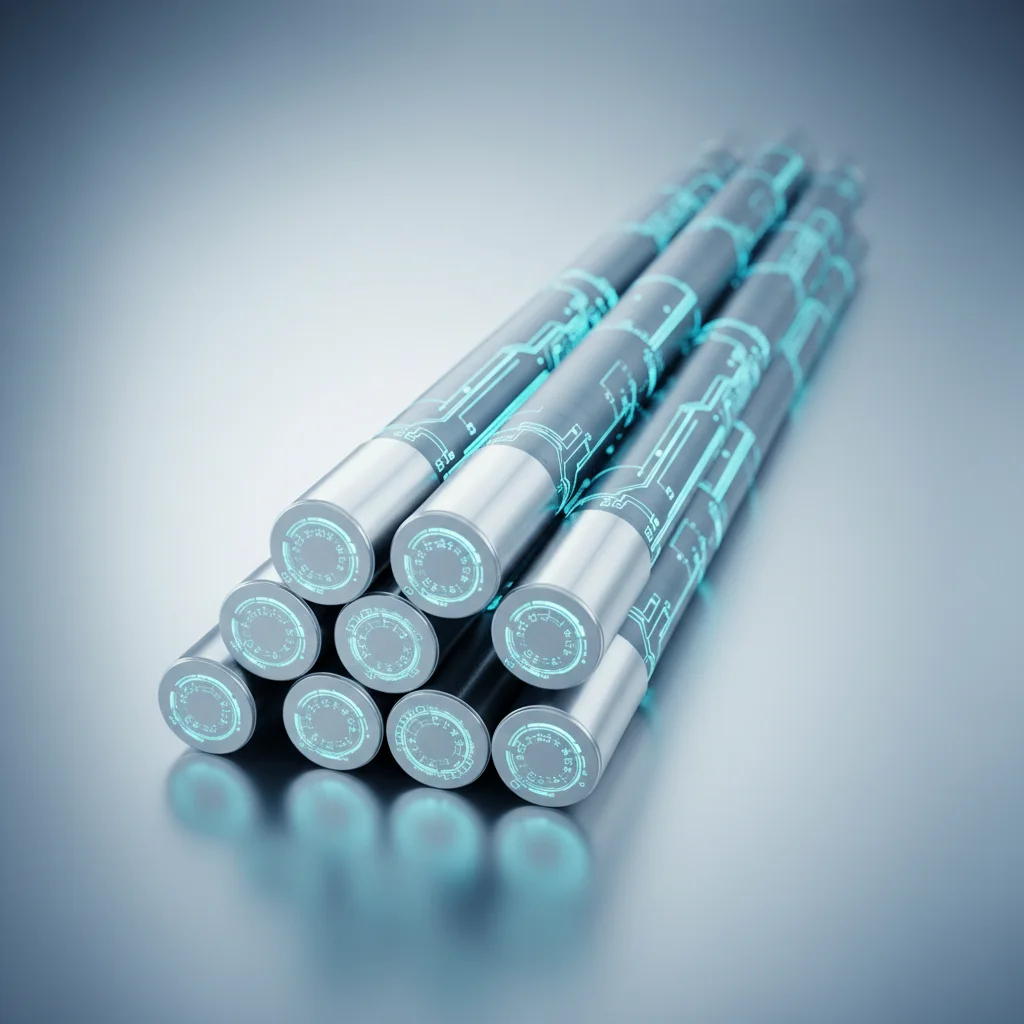
The global shift toward sustainable infrastructure has catalyzed the adoption of advanced composite materials, moving away from traditional metallic reinforcements that are prone to oxidation and failure. Among these innovations, the integration of high-strength glass fibers into structural components has redefined the lifespan and reliability of utility protection systems. Understanding the role of advanced composite reinforcement is essential for engineers seeking to minimize maintenance costs and maximize structural integrity in harsh environments.
In the context of modern utility management, the transition to Sheet Molding Compound (SMC) technology represents a paradigm shift in how we protect critical assets like gas metering systems. By utilizing materials that mimic the strength of fiberglass reinforcing bars without the vulnerability to corrosion, industry leaders are creating infrastructure that survives decades rather than years. This evolution is not merely about material substitution but about enhancing the safety and efficiency of public utility networks worldwide.
The effectiveness of SMC Molded Gas Meter Boxes lies in their ability to provide an impenetrable barrier against environmental degradation. These enclosures leverage the same high-tensile principles found in fiberglass reinforcing bars to ensure that gas meters are shielded from accidental collisions, extreme temperature fluctuations, and salt spray. By prioritizing mechanical strength and flame retardancy, these composite solutions offer a maintenance-free alternative that adheres to the strictest international safety standards.

The Mechanical Superiority of Composite Reinforcement
The structural integrity of SMC Molded Gas Meter Boxes is derived from high-pressure compression molding, which ensures that the glass fiber reinforcement is evenly distributed throughout the polyester matrix. This process creates a dense, high-impact shell capable of resisting heavy loads and accidental collisions, providing a level of protection that exceeds that of standard plastics.
Much like the structural support provided by fiberglass reinforcing bars in concrete, the fibers within these SMC boxes absorb mechanical stress and prevent crack propagation. This ensures that the enclosure maintains its shape and protective capabilities even when subjected to extreme physical pressure or vandalism in public urban settings.
Environmental Resistance and Corrosion Immunity
One of the most critical failures of traditional metal enclosures is their susceptibility to oxidation, especially in coastal or high-humidity regions. Salt spray and moisture penetrate metal surfaces, leading to rust that compromises the structural safety of gas metering systems. SMC composite materials eliminate this risk entirely, as they are inherently rust-proof and chemically stable.
These enclosures are specifically engineered to withstand UV radiation, frost, and extreme heat without warping or degrading. This environmental stability ensures that the gas meters inside remain protected regardless of whether they are deployed in scorching desert climates or freezing arctic environments, reducing the need for frequent inspections.
By leveraging the non-reactive nature of glass-reinforced polyester, these boxes provide a permanent solution for municipal infrastructure. The result is a protective shell that does not require painting or chemical coatings to survive the elements, offering a cleaner and more sustainable approach to utility housing.
Safety Standards and Flame Retardant Properties
Safety is the paramount concern in gas infrastructure, and the use of SMC materials provides a distinct advantage through non-conductivity. Unlike metal boxes, which can facilitate electrical grounding risks, composite enclosures act as natural insulators, enhancing the overall operational safety of the installation site.
To further enhance safety, our formulations include customizable flame-retardant additives that meet international fire safety standards. This ensures that in the event of a thermal incident, the enclosure resists ignition and limits the spread of fire, mirroring the durability and resilience found in high-grade fiberglass reinforcing bars used in fire-rated construction.
The combination of electrical insulation and flame retardancy makes these boxes the ideal choice for high-density residential and industrial zones. By adhering to strict compliance protocols, we ensure that every molded enclosure contributes to the mitigation of risk for utility providers and the general public.
Comparative Performance of SMC vs Traditional Materials
When comparing the total cost of ownership over a 20-year horizon, SMC composites far outperform traditional steel or plastic options. While the initial installation of composite systems is highly efficient due to their lightweight nature, the real value emerges in the total absence of corrosion-related replacements.
The mechanical strength of these enclosures allows them to withstand impacts that would typically dent or crack conventional materials. This resilience is a direct result of the reinforced fiber matrix, which optimizes the weight-to-strength ratio for maximum utility protection.
Performance Ratings of Fiberglass Reinforcing Materials
Strategic Deployment Across Diverse Sectors
The versatility of SMC Molded Gas Meter Boxes allows for seamless integration into various environments. In high-density residential developments, they provide standardized, clean-looking protection that blends with urban architecture. In commercial settings such as hotels and shopping centers, their robust nature ensures that multiple meters are protected from high foot-traffic impacts.
For industrial applications, these enclosures are hardened to withstand the mechanical stresses of warehouses and factories. Meanwhile, in municipal projects, the focus is on long-term stability and the reduction of public maintenance budgets, making these composite boxes the gold standard for modern city planning.
Lifecycle Value and Maintenance Reduction
The economic argument for switching to SMC composites is centered on the drastic reduction of lifecycle costs. Traditional metal boxes require periodic painting and rust treatment to remain functional; in contrast, the non-porous surface of an SMC box requires only simple water cleaning to maintain its professional appearance.
Installation efficiency is also significantly improved. Being lightweight compared to steel, the labor costs associated with transporting and mounting these enclosures are substantially lower. This efficiency allows utility companies to execute large-scale retrofit upgrades in older buildings more rapidly and cost-effectively.
Ultimately, the investment in high-quality composite protection is an investment in peace of mind. By eliminating the risk of enclosure failure due to salt spray or oxidation, utility providers can ensure uninterrupted service and higher safety ratings for their clients.
Future Innovations in Fiber-Reinforced Enclosures
As we move toward smarter cities, the integration of digital monitoring within utility enclosures is becoming a priority. Future iterations of SMC boxes may include embedded sensors for leak detection or remote monitoring, all while maintaining the structural strength provided by fiberglass reinforcing bars technology.
Sustainability is also driving the development of bio-based resins and recycled glass fibers. The goal is to maintain the extreme durability and corrosion resistance of current SMC products while reducing the carbon footprint of the manufacturing process, aligning with global green energy policies.
Automation in high-pressure compression molding is further refining the precision of these components. This allows for even more complex customizable dimensions and integrated mounting systems, ensuring that every gas meter box fits perfectly into any architectural or industrial requirement.
Lifecycle Analysis of SMC vs Traditional Utility Enclosures
| Material Type |
Corrosion Rate |
Maintenance Need |
Service Life |
| SMC Composite |
Zero |
Minimal (Water Only) |
30+ Years |
| Galvanized Steel |
Moderate |
High (Painting) |
10-15 Years |
| Stainless Steel |
Low |
Moderate |
20-25 Years |
| Standard Plastic |
Low |
Low |
5-10 Years |
| Aluminum |
Low-Moderate |
Moderate |
15-20 Years |
| Cast Iron |
High |
Very High |
10-12 Years |
FAQS
SMC (Sheet Molding Compound) is inherently immune to rust and corrosion, unlike metal which oxidizes over time. It provides superior electrical insulation, removing grounding risks, and offers a significantly longer service life with almost zero maintenance costs, making it the ideal choice for long-term utility infrastructure.
Yes, these boxes are engineered with high-strength glass fibers and specialized resins that are resistant to UV radiation, frost, and extreme heat. They remain structurally stable and functional in both desert heat and freezing arctic climates without warping or cracking.
Absolutely. Our SMC formulations include flame-retardant additives that comply with international fire safety standards. These additives prevent the material from contributing to the spread of fire, ensuring a high level of safety for both the utility equipment and the surrounding environment.
The reinforcement provides exceptional mechanical strength and impact resistance. By dispersing stress across a network of high-tensile fibers, the box can withstand accidental collisions and heavy loads without fracturing, similar to the structural support offered by industrial fiberglass reinforcing bars.
Yes, they are the gold standard for coastal regions. Because the composite material is non-metallic, it is entirely immune to salt spray and high-humidity corrosion, which typically destroys metal enclosures in these environments within a few years.
Yes, we offer fully customizable dimensions to fit your specific meter requirements. Additionally, we provide a variety of neutral or brand-specific colors to ensure the enclosures integrate seamlessly into the aesthetic of your residential or commercial project.
Conclusion
SMC Molded Gas Meter Boxes represent a critical advancement in utility protection, combining the mechanical strength of glass-fiber reinforcement with absolute corrosion immunity. By replacing traditional metal and plastic enclosures with high-performance composites, utility providers can drastically reduce maintenance costs, enhance operational safety, and extend the lifecycle of their infrastructure.
As the industry moves toward more sustainable and resilient urban planning, the adoption of SMC technology is no longer just an option but a necessity for long-term efficiency. We invite you to explore how these advanced composite solutions can secure your utility assets for decades to come. Visit our website: www.hbztcomposite.com