Apr. 07, 2026
In the world of construction and infrastructure, reinforcement plays a crucial role in ensuring the longevity and strength of concrete structures. Traditionally, steel rebar has been the go-to material. However, a superior alternative is gaining traction: V rod fiberglass rebar. This article will delve into the benefits, applications, and technical specifications of V rod fiberglass rebar, highlighting why it's becoming the preferred choice for modern construction projects. Understanding the advantages of fiberglass rebar is essential for engineers, contractors, and anyone involved in building robust and durable structures.
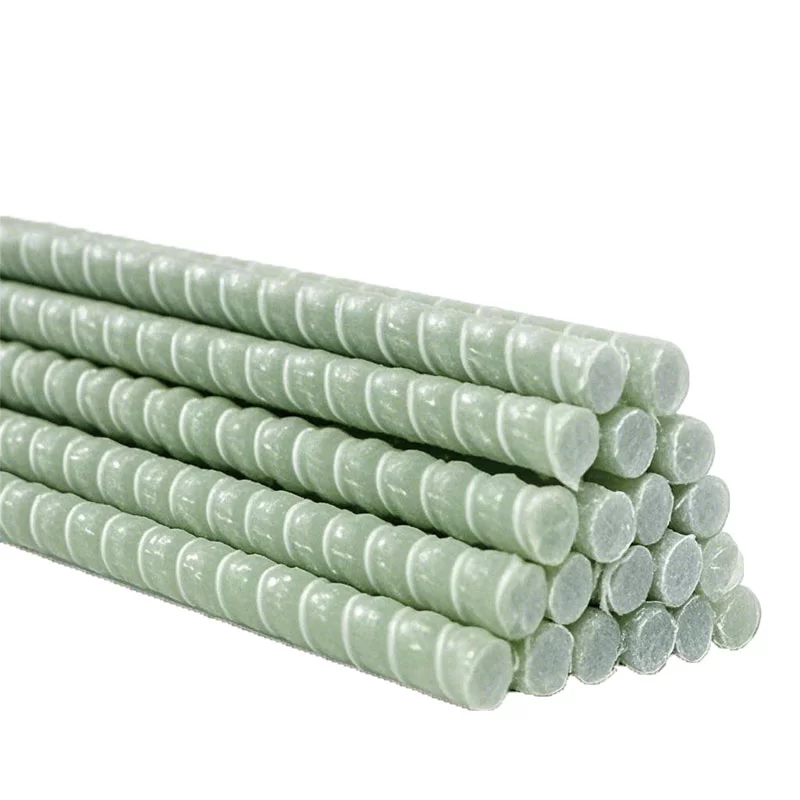
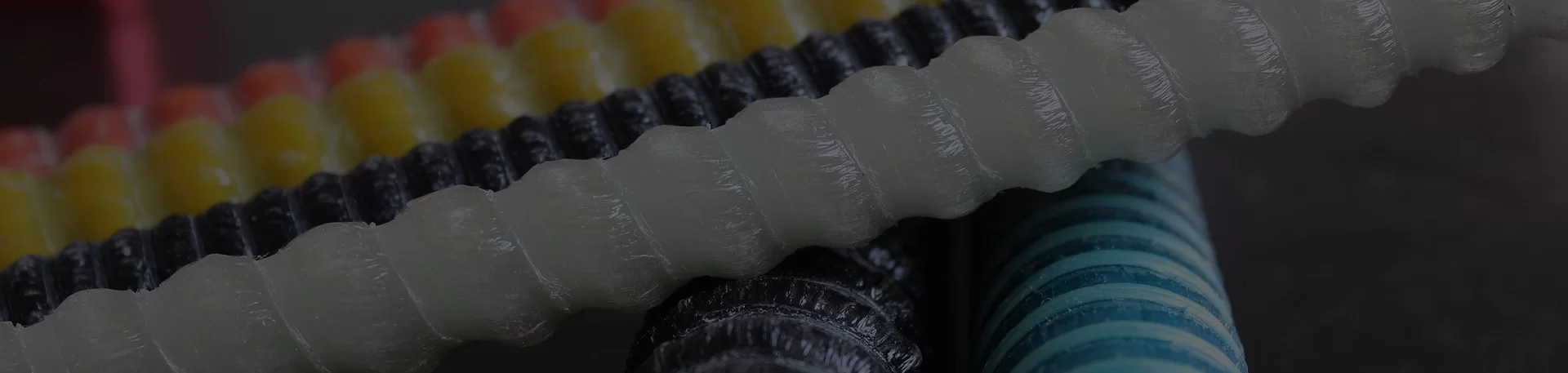
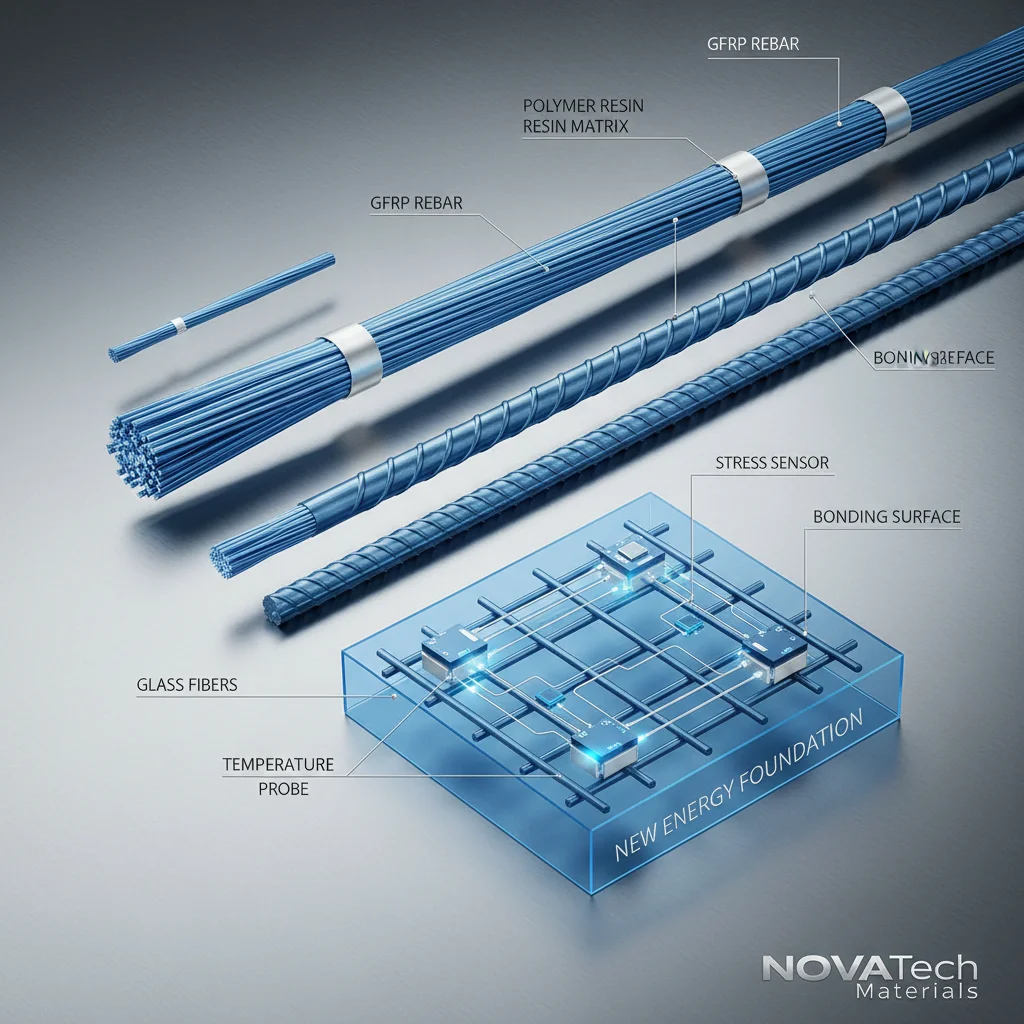
V rod fiberglass rebar, also known as Fiber Reinforced Polymer (FRP) rebar, is a composite material constructed from glass fibers embedded in a resin matrix. Unlike steel rebar, it's non-corrosive, non-conductive, and significantly lighter. The “V rod” designation often refers to a specific ribbed surface pattern designed to enhance bonding with concrete. This increased bond strength is vital for effective load transfer within the structure. The manufacturing process involves precise alignment of the glass fibers to maximize tensile strength. Choosing fiberglass rebar from a reputable supplier like HBZT Composite ensures consistent quality and performance.
Key Highlights: Non-corrosive, lightweight, high tensile strength, excellent bond strength with concrete, non-conductive.
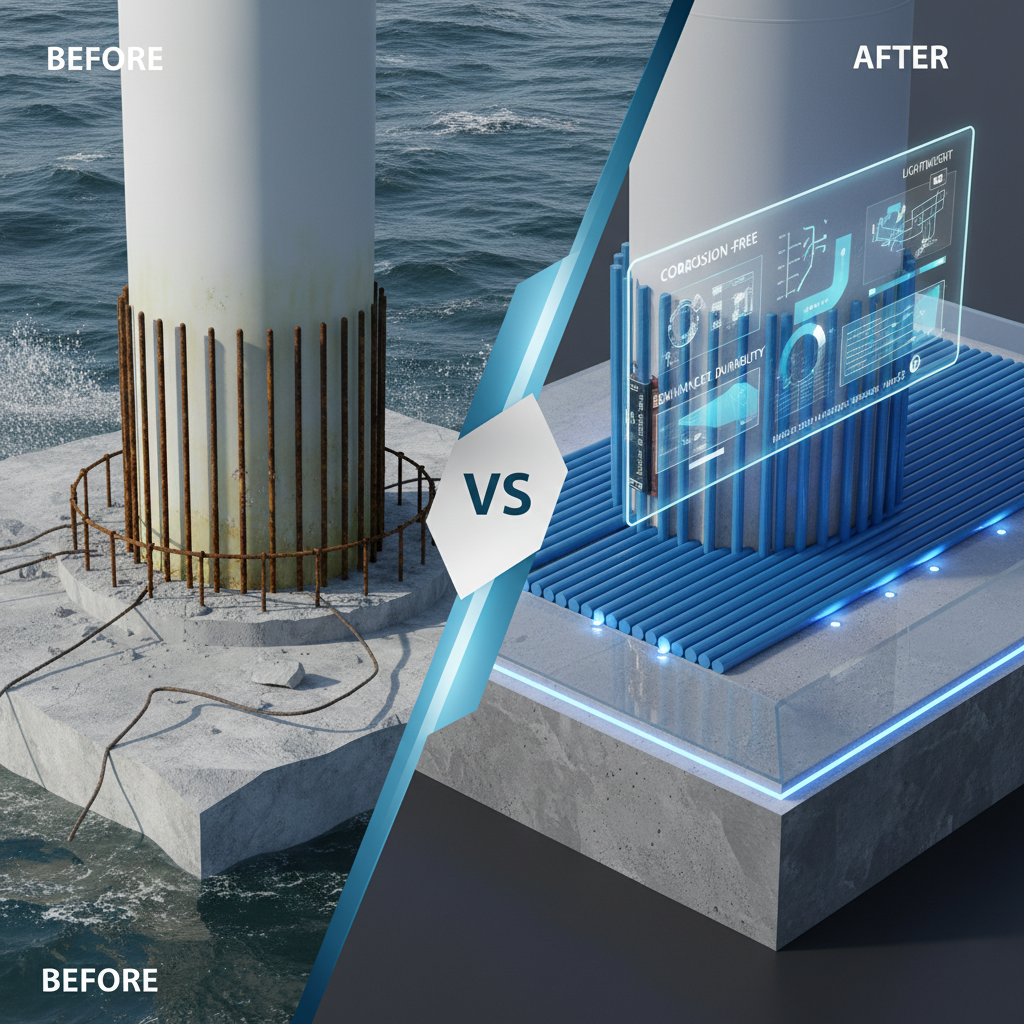
The benefits of using V rod fiberglass rebar extend far beyond simply replacing steel. Its non-corrosive nature eliminates the need for costly repairs and replacements often associated with steel reinforcement, particularly in harsh environments. The lightweight nature simplifies handling and installation, reducing labor costs and project timelines. Furthermore, fiberglass rebar’s non-conductivity is a significant advantage in applications where electrical isolation is required, such as MRI rooms or near power lines. The material also demonstrates high resistance to chemical attack, making it ideal for use in wastewater treatment plants and industrial facilities. Investing in V rod fiberglass rebar translates to long-term cost savings and enhanced structural integrity.
Key Benefits:
• Non-corrosive - Eliminates rust and extends structural life.
• Lightweight - Reduces handling costs and simplifies installation.
• Non-conductive - Provides electrical isolation.
• High tensile strength - Ensures structural integrity.
Comparing V rod fiberglass rebar with traditional steel rebar reveals substantial differences in performance and cost-effectiveness. While steel offers high tensile strength, it's susceptible to corrosion, requiring protective coatings and ongoing maintenance. Fiberglass rebar, on the other hand, eliminates corrosion concerns. Although the initial cost of fiberglass rebar may be higher, its extended lifespan and reduced maintenance requirements often result in lower lifecycle costs. Additionally, fiberglass rebar’s lighter weight translates to significant savings in transportation and handling. The non-conductivity of fiberglass rebar provides an added safety benefit in specific applications. Here’s a more detailed comparison:
The versatility of V rod fiberglass rebar makes it suitable for a wide array of construction projects. These include: concrete pavements, bridge decks, marine structures (docks, piers), water treatment facilities, tunnels, and precast concrete products. Its corrosion resistance is particularly beneficial in coastal environments and areas with high salt content. The use of fiberglass rebar in MRI rooms eliminates interference with sensitive medical equipment. Furthermore, it’s increasingly used in the construction of durable and sustainable infrastructure projects. HBZT Composite provides solutions for diverse engineering needs.
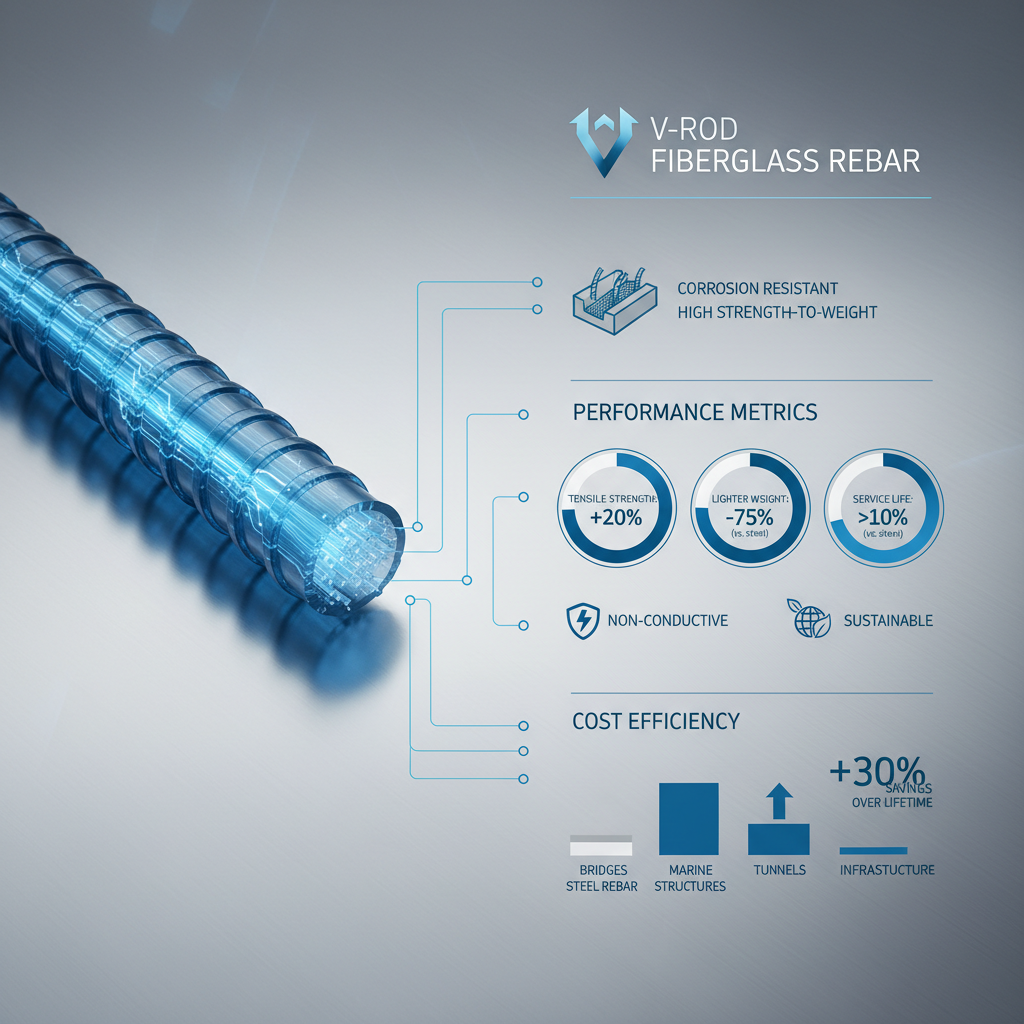
V rod fiberglass rebar is available in a variety of diameters and lengths to meet specific project requirements. HBZT Composite offers a comprehensive range of sizes, ensuring compatibility with various concrete section dimensions. The rebar is typically manufactured with a sand-coated surface to enhance bonding with concrete. Below is a sample specification table:
Investing in V rod fiberglass rebar represents a forward-thinking approach to construction. Its superior performance, corrosion resistance, and lightweight nature make it an ideal alternative to traditional steel reinforcement. By choosing fiberglass rebar, you're not just building structures; you're investing in durability, sustainability, and long-term cost savings. Contact HBZT Composite today to learn more about how fiberglass rebar can benefit your next project.
V Rod Fiberglass Rebar is widely used in applications where corrosion is a concern, such as marine structures, bridge decks, and concrete pavements. Its non-conductivity makes it ideal for MRI facilities, and its lightweight nature simplifies installation in various construction projects. It's also an excellent choice for wastewater treatment plants due to its resistance to chemical attack. Essentially, any application where steel rebar is traditionally used can benefit from the superior performance of fiberglass rebar, leading to longer-lasting, more durable structures and reduced maintenance costs.
Fiberglass rebar offers comparable tensile strength to high-grade steel rebar. While steel generally has a slightly higher initial tensile strength, fiberglass rebar maintains its strength over time due to its non-corrosive properties. Steel’s strength degrades significantly due to rust and corrosion, whereas fiberglass rebar remains consistently strong throughout its lifespan. Furthermore, the lighter weight of fiberglass rebar can often offset any minor difference in tensile strength, resulting in a more efficient and durable reinforcement solution.
V Rod Fiberglass Rebar boasts an exceptionally long lifespan, significantly exceeding that of steel rebar. Due to its non-corrosive nature, it's estimated to last 75-100 years or more in most applications, whereas steel rebar typically requires replacement within 20-30 years in corrosive environments. This extended lifespan translates to significant long-term cost savings, reducing the need for repairs and replacements. Proper installation and protection from physical damage will further maximize the lifespan of the rebar.
Apr. 27, 2026
Benefits of Durable Concrete Fiberglass Rebar for Infrastructure

Apr. 24, 2026
High Strength and Corrosion Resistant glass fibre reinforcement bars
Apr. 23, 2026
Reliable frp walkway manufacturer for Industrial Flooring Solutions
Apr. 22, 2026
Sustainable Construction with High Strength gfrp rebars Guide

Apr. 17, 2026
Advantages and Applications of High Strength Glass Rebar
Apr. 16, 2026
The Ultimate Guide to GFRP Rebars for Modern Construction
Looking for Reliable Frp Solutions?