Glass Fiber Reinforced Polymer (GFRP) rebar technology is rapidly transforming the construction industry, offering a sustainable and high-performance alternative to traditional steel reinforcement. Globally, the demand for corrosion-resistant infrastructure is escalating due to aging structures and increasingly harsh environmental conditions. gfrp rebar technology addresses this pressing need, providing a solution that significantly extends the lifespan of concrete structures while reducing lifecycle costs. This technology isn’t just about replacing steel; it's about building a more resilient and sustainable future.
The increasing focus on sustainable construction practices and the reduction of carbon footprints are key drivers behind the adoption of GFRP rebar. Governments worldwide are investing in infrastructure upgrades, and prioritizing materials that minimize environmental impact. The use of gfrp rebar technology directly contributes to these goals by reducing the embodied energy in construction projects and minimizing the need for frequent repairs and replacements. The innovation in composite materials engineering is essential for modern infrastructure challenges.
Ultimately, understanding the benefits and applications of gfrp rebar technology is crucial for engineers, architects, and construction professionals looking to create durable, cost-effective, and environmentally responsible structures. Its unique properties allow for innovative design possibilities and significantly improve the longevity of infrastructure projects, supporting economic growth and public safety.
The Growing Importance of gfrp rebar technology
The global construction industry faces increasing pressure to deliver sustainable and durable infrastructure. Steel reinforcement, while traditionally dominant, is susceptible to corrosion, leading to premature structural failure and costly repairs. gfrp rebar technology offers a robust solution to this problem, drastically reducing corrosion risks and extending the service life of concrete structures. This is particularly critical in harsh environments like marine structures, bridges, and areas with high chloride exposure.
The demand for GFRP rebar is steadily increasing as awareness grows regarding its long-term cost savings and environmental benefits. From civil engineering projects to specialized applications, GFRP rebar is becoming a preferred choice for engineers and construction companies seeking to improve the resilience and sustainability of their projects. The move towards lightweight materials and reduced maintenance is another significant driver of adoption.
Understanding gfrp rebar technology: A Definition
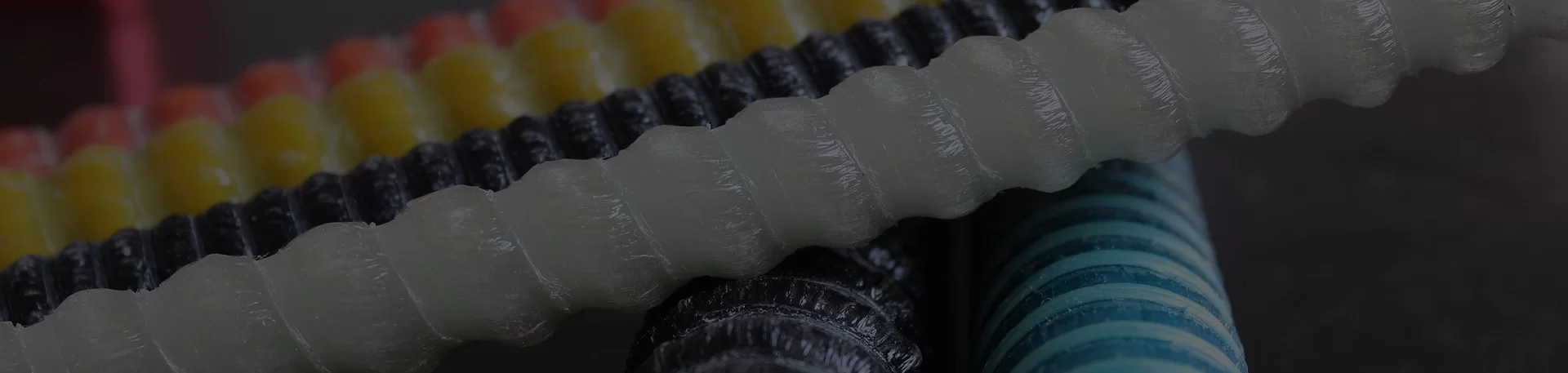
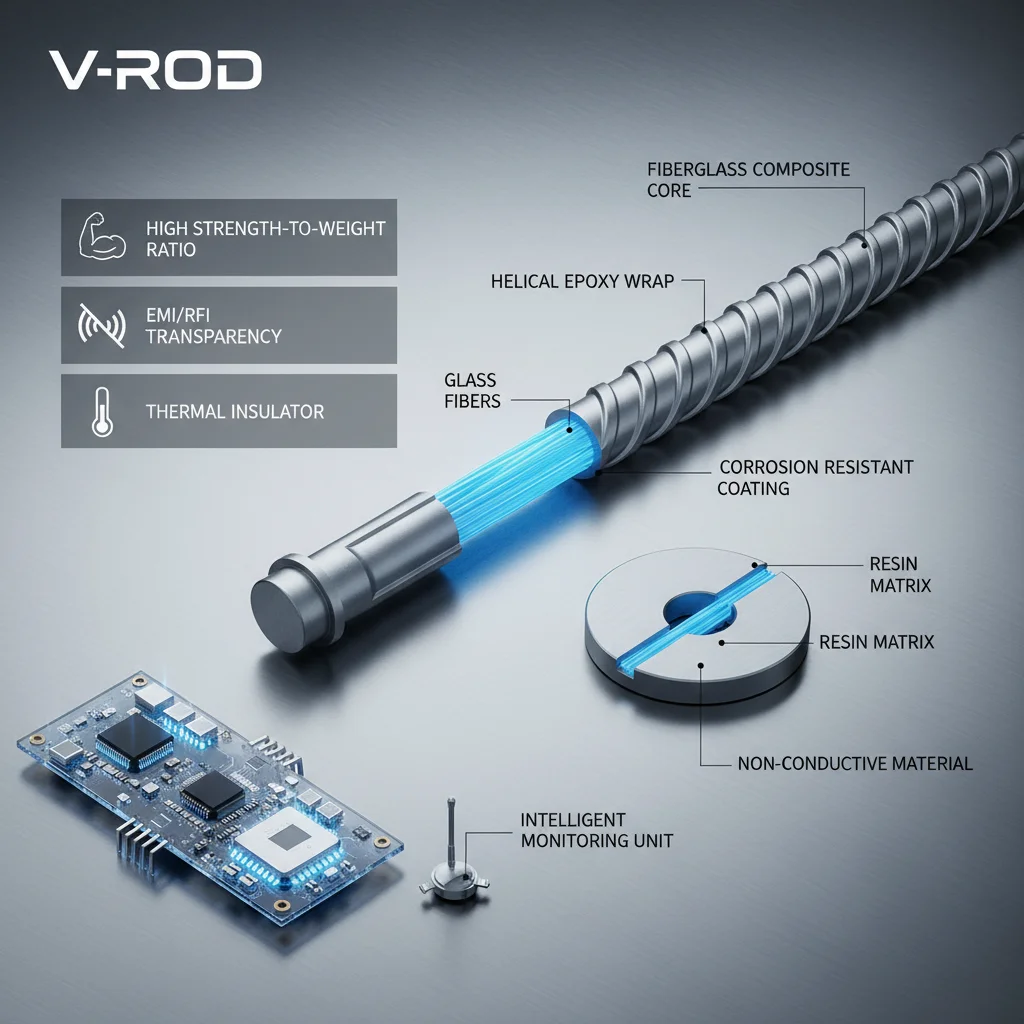
gfrp rebar technology, at its core, involves using glass fiber reinforced polymer composites as reinforcement in concrete. Unlike traditional steel rebar, GFRP rebar is entirely non-metallic, eliminating the risk of corrosion. This is achieved by embedding high-strength glass fibers within a polymer resin matrix, typically vinyl ester or epoxy. The resulting composite possesses high tensile strength and is lightweight, making it an ideal reinforcement material.
This technology directly addresses the fundamental challenges associated with steel corrosion, a major cause of infrastructure degradation worldwide. By eliminating the corrosion factor, GFRP rebar significantly extends the lifespan of concrete structures, reducing the need for costly repairs and replacements. This makes it a vital component in building resilient infrastructure capable of withstanding challenging environments.
The connection to modern industry and humanitarian needs is profound. Beyond construction, GFRP rebar can be utilized in precast concrete elements, tunnel linings, and even specialized structures like MRI rooms where non-magnetic properties are essential. Its ease of handling and reduced weight also make it valuable in remote locations or disaster relief scenarios, streamlining construction processes and accelerating recovery efforts.
Core Components and Key Factors of gfrp rebar technology
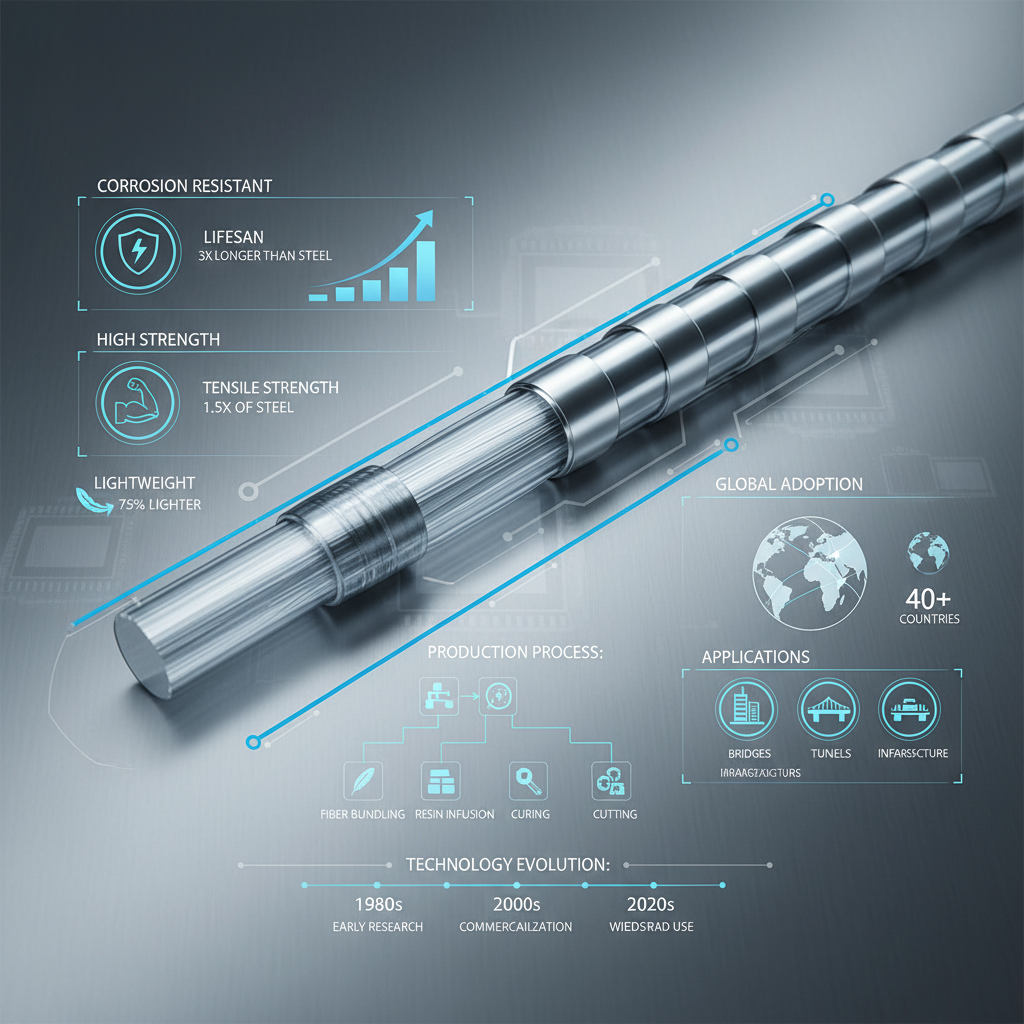
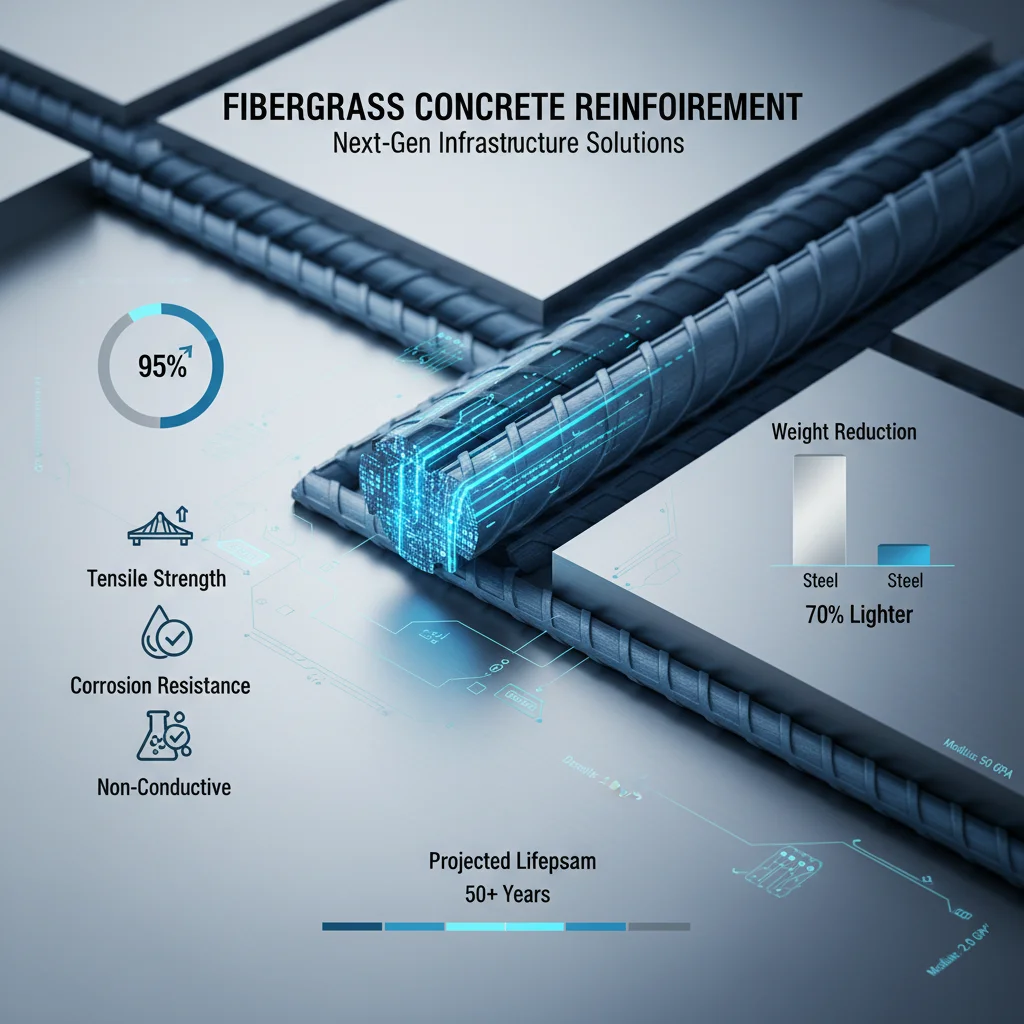
Several key factors contribute to the exceptional performance of gfrp rebar technology. Corrosion Resistance is paramount, as the non-metallic nature of the rebar eliminates the risk of rust and degradation. High Tensile Strength ensures the rebar can withstand significant loads, comparable to or even exceeding that of steel in certain applications.
Lightweight Properties significantly reduce transportation costs and simplify installation, particularly in challenging environments. Non-Conductivity makes GFRP rebar ideal for applications where electrical or magnetic interference is a concern, such as MRI rooms or near sensitive electronic equipment. Dimensional Stability ensures the rebar maintains its shape and integrity over time, preventing cracking and deformation.
Finally, Radiological Transparency allows for use in applications where X-ray imaging is required without interference. These core components and factors collectively contribute to the overall reliability and longevity of structures reinforced with GFRP rebar, offering a sustainable and cost-effective alternative to traditional materials.
Global Applications of gfrp rebar technology
The applications of gfrp rebar technology are diverse and span across various industries. In Marine Infrastructure, it’s used extensively in seawalls, docks, and bridge supports due to its exceptional corrosion resistance in saltwater environments. In Infrastructure Projects, GFRP rebar is increasingly being incorporated into bridge decks, highway overpasses, and tunnel linings.
The use of GFRP rebar is also gaining traction in Precast Concrete Elements, such as wall panels and structural components, improving durability and reducing weight. In Specialty Construction, it's chosen for applications like MRI rooms, where its non-magnetic properties are essential, and in concrete repair projects where corrosion of existing steel rebar has occurred.
Regions with harsh climates and high salinity, such as coastal areas in North America, Southeast Asia, and the Middle East, are witnessing significant adoption. Organizations like transportation authorities and infrastructure development companies are actively seeking GFRP rebar as a sustainable and cost-effective solution for long-term infrastructure resilience. In post-disaster relief operations, its lightweight nature facilitates rapid construction of temporary shelters and essential facilities.
Comparison of gfrp rebar technology Methods
Advantages and Long-Term Value Proposition of gfrp rebar technology
The advantages of gfrp rebar technology extend beyond just technical specifications. A significant benefit is the reduction in lifecycle costs. Eliminating corrosion drastically reduces maintenance and repair expenses over the structure’s lifespan. This results in substantial long-term savings for infrastructure owners and taxpayers.
From a sustainability perspective, GFRP rebar contributes to a lower carbon footprint. Its lightweight nature reduces transportation fuel consumption, and its extended lifespan minimizes the need for resource-intensive replacements. The use of GFRP rebar demonstrates a commitment to environmental responsibility and supports the principles of sustainable construction.
Future Trends and Innovation in gfrp rebar technology
Ongoing research and development are focused on enhancing the performance and reducing the cost of gfrp rebar technology. New resin formulations and fiber treatments are being explored to further improve tensile strength and durability. Automation in manufacturing processes is also driving down production costs, making GFRP rebar more competitive with traditional steel reinforcement.
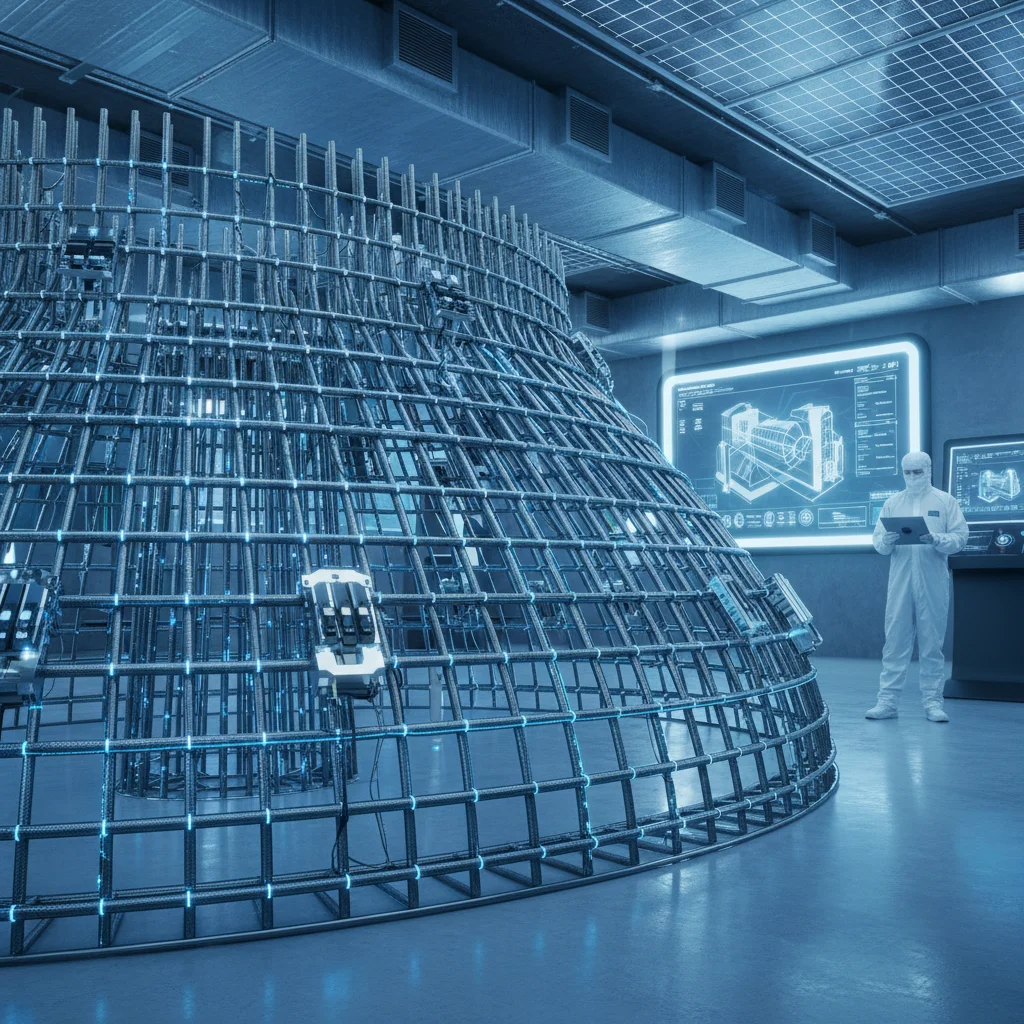
The integration of digital technologies, such as sensor-embedded GFRP rebar, is enabling real-time monitoring of structural health. This smart infrastructure approach provides valuable data for proactive maintenance and early detection of potential issues, further enhancing safety and extending service life. The future of GFRP rebar is closely tied to the broader trends of green building, smart cities, and sustainable infrastructure.
Furthermore, advancements in bio-based resins are being investigated to create even more environmentally friendly GFRP rebar options, reducing reliance on fossil fuels and promoting a circular economy.
Challenges and Solutions in gfrp rebar technology Implementation
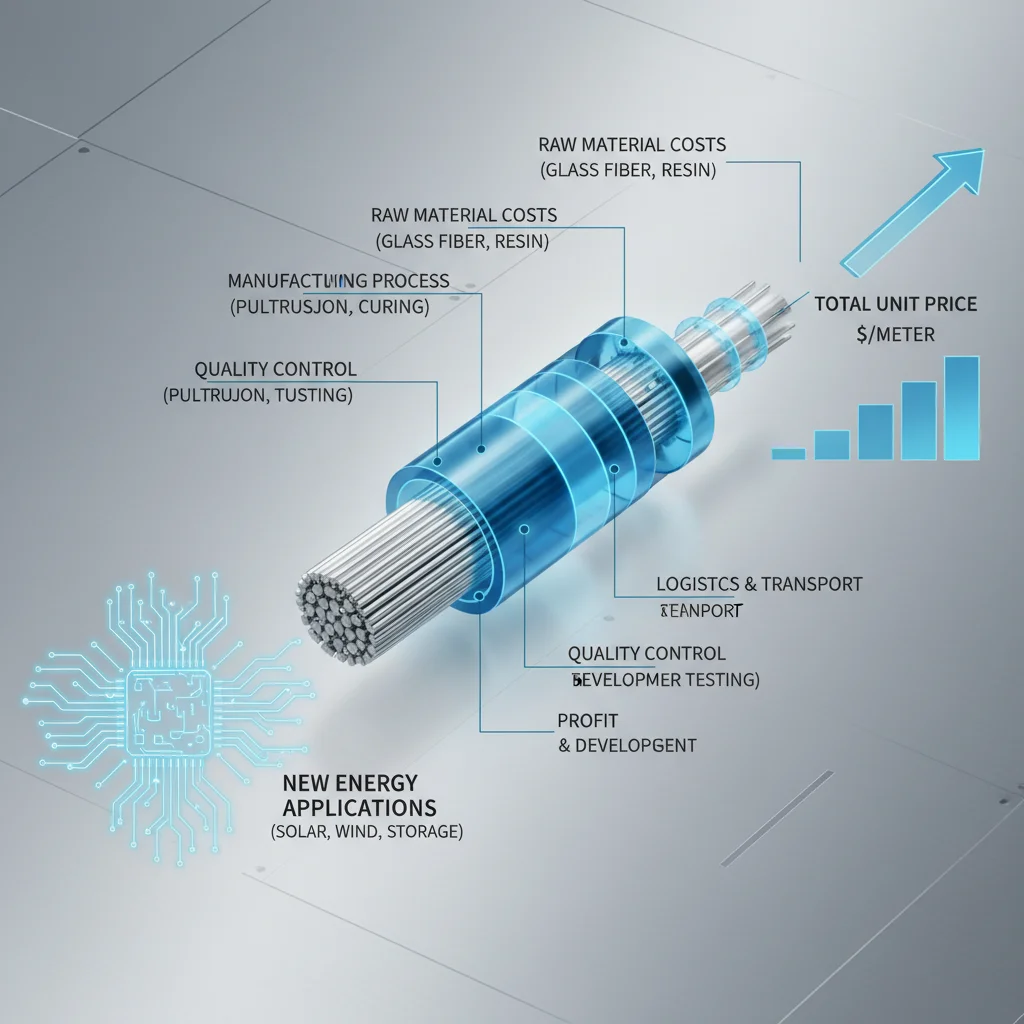
Despite its numerous advantages, the wider adoption of gfrp rebar technology faces some challenges. Initial material costs can be higher than traditional steel rebar, though lifecycle cost analyses often demonstrate overall savings. Limited awareness and a lack of standardized design codes in some regions also present hurdles.
To address these challenges, increased education and training for engineers and construction professionals are crucial. Collaborative efforts between industry stakeholders and regulatory bodies are needed to develop comprehensive design standards and building codes. Continued innovation in manufacturing processes will also help to drive down material costs and make GFRP rebar more accessible.
Addressing concerns about the long-term performance of GFRP rebar in specific environments through rigorous testing and data collection is also essential. Sharing best practices and showcasing successful projects will build confidence and accelerate adoption.
Summary of Challenges and Solutions for gfrp rebar technology
| Challenge |
Impact on gfrp rebar technology Adoption |
Proposed Solution |
Implementation Timeline |
| High Initial Material Cost |
Discourages initial investment despite long-term savings |
Automation in manufacturing, economies of scale, government incentives |
Short-term (1-3 years) |
| Lack of Standardized Design Codes |
Creates uncertainty and hinders project approvals |
Collaborative efforts with industry organizations and regulatory bodies |
Medium-term (3-5 years) |
| Limited Awareness and Education |
Insufficient knowledge among engineers and construction professionals |
Training programs, workshops, online resources |
Ongoing |
| Concerns about Long-Term Durability |
Skepticism regarding performance in harsh environments |
Long-term testing, data collection, performance monitoring |
Medium to Long-term (5+ years) |
| Supply Chain Constraints |
Limited availability of GFRP rebar in certain regions |
Investment in domestic manufacturing facilities, diversification of suppliers |
Medium-term (3-5 years) |
| Installation Challenges |
Requires specialized tools and techniques compared to steel rebar |
Development of user-friendly installation guidelines, training for construction crews |
Short-term (1-2 years) |
FAQS
The main benefits of gfrp rebar technology include its exceptional corrosion resistance, leading to longer structure lifespans and reduced maintenance costs. It’s also lightweight, non-conductive, and non-magnetic, making it suitable for a wider range of applications than steel. Furthermore, GFRP rebar doesn't rust, preventing concrete cracking caused by expanding corrosion products. This results in significant lifecycle cost savings and enhanced structural integrity.
While the initial material cost of gfrp rebar technology can be higher than steel, a comprehensive lifecycle cost analysis often reveals significant savings. Reduced maintenance, repair, and replacement costs over the structure’s lifespan frequently offset the higher upfront investment. The lower weight of GFRP also reduces transportation and installation costs. Therefore, considering the total cost of ownership, gfrp rebar technology can be more economical.
GFRP rebar is particularly effective in environments prone to corrosion, such as marine structures, bridges, and infrastructure exposed to de-icing salts. It’s also ideal for applications requiring non-magnetic properties, like MRI rooms, and in concrete repair projects where existing steel rebar has corroded. Furthermore, its lightweight properties make it suitable for projects in remote locations or where ease of handling is crucial.
Yes, design considerations differ due to the different material properties. GFRP rebar has a lower modulus of elasticity than steel, meaning concrete structures reinforced with GFRP may exhibit greater deflections. Design codes and guidelines specific to GFRP rebar technology must be followed, accounting for these differences to ensure structural integrity. Proper detailing and adequate concrete cover are also critical.
GFRP rebar significantly contributes to sustainability by reducing the need for frequent repairs and replacements, conserving resources and minimizing waste. Its corrosion resistance extends the lifespan of structures, reducing the environmental impact of demolition and reconstruction. Its lighter weight lowers transportation fuel consumption. Finally, research into bio-based resins is further enhancing its sustainability credentials.
Concrete structures reinforced with gfrp rebar technology can have a significantly longer lifespan than those reinforced with steel, often exceeding 75-100 years. This is due to the elimination of corrosion, the primary cause of deterioration in reinforced concrete. While the exact lifespan depends on environmental conditions and design factors, GFRP rebar provides a substantial increase in durability and reduces the need for costly repairs.
Conclusion
In conclusion, gfrp rebar technology represents a paradigm shift in the construction industry, offering a robust, sustainable, and cost-effective alternative to traditional steel reinforcement. Its exceptional corrosion resistance, lightweight properties, and long-term durability make it an ideal solution for a wide range of applications, from marine infrastructure to bridges and specialized structures. By embracing this innovative technology, we can build more resilient, sustainable, and cost-effective infrastructure for future generations.
The future of construction is undoubtedly intertwined with the advancement and wider adoption of composite materials like GFRP rebar. Continued research and development, coupled with standardized design codes and increased awareness, will unlock its full potential. We encourage engineers, architects, and construction professionals to explore the benefits of gfrp rebar technology and contribute to a more sustainable and resilient built environment. Visit our website at www.hbztcomposite.com to learn more.