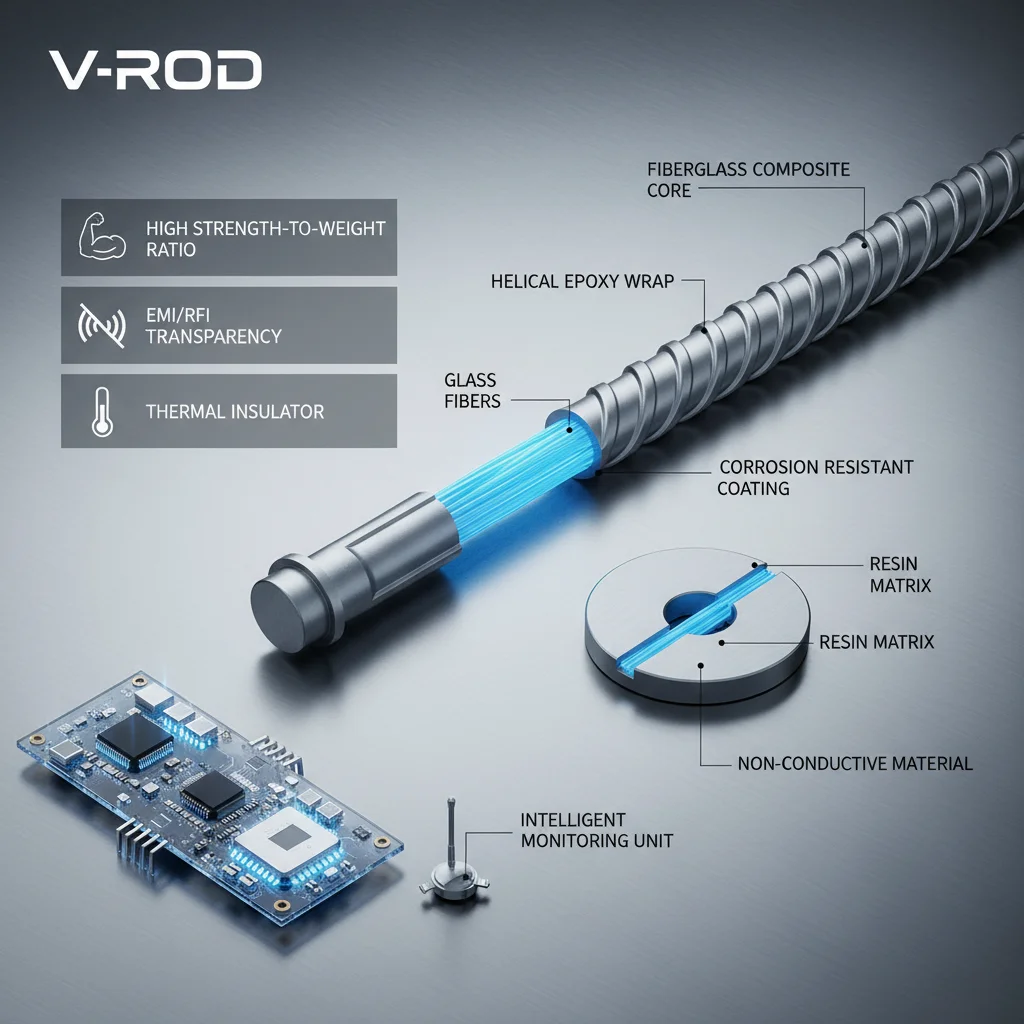
In the contemporary landscape of industrial procurement, understanding the variables that influence grp grating prices is essential for engineers and project managers seeking long-term structural reliability. While initial procurement costs are a primary concern, the shift toward Fiberglass Reinforced Polymer (FRP) materials represents a strategic move toward reducing lifecycle expenses and eliminating the recurring costs of corrosion management.
The global demand for non-corrosive structural components has surged as industries move away from traditional galvanized steel, which often fails in aggressive chemical or saline environments. Consequently, analyzing grp grating prices requires a comprehensive look at material composition, resin types, and the specific engineering requirements of the installation site to ensure the highest return on investment.
By transitioning to advanced composite solutions, companies can effectively hedge against the volatility of metal markets while securing a maintenance-free infrastructure. To explore the most competitive grp grating prices and technical specifications, it is vital to evaluate the strength-to-weight ratio and chemical resilience offered by premium pultruded profiles.

The Material Science Behind grp grating prices
The pricing of FRP structural components is fundamentally rooted in the synergy between high-grade glass fibers and premium binding resins. Through a high-precision pultrusion process, these materials are engineered to ensure optimal fiber alignment, which directly enhances the load-bearing capacity and mechanical integrity of the final product, thereby justifying the investment in high-performance composites.
Unlike traditional materials, the integration of advanced surface veils and UV-resistant gel coats ensures that the product remains immune to degradation from sunlight and extreme weather. This technical superiority means that while the upfront grp grating prices may differ from basic metals, the resulting longevity and lack of oxidation provide a far more stable financial trajectory for infrastructure projects.
Economic Drivers of Composite Structural Costs
The economic landscape of composite materials is influenced by the global supply chain of glass roving and the chemical precursors used in resin production. Fluctuations in raw material costs can impact grp grating prices, yet the stability provided by the pultrusion process helps mitigate extreme volatility compared to the smelting and refining costs associated with steel and aluminum.
Another significant driver is the degree of customization required for a specific project. Whether the bars are cut-to-size, pre-drilled, or finished in custom colors to meet architectural standards, these value-added services contribute to the final cost but drastically reduce on-site labor and installation time.
Furthermore, the shift toward sustainable manufacturing has introduced energy-efficient pultrusion techniques. This transition not only reduces the environmental footprint of the production process but also allows manufacturers to optimize grp grating prices by reducing waste and improving the precision of the manufactured profiles.
Resin Selection and Its Impact on grp grating prices
The choice of resin is perhaps the most critical factor in determining the chemical resistance and mechanical properties of the profile, which in turn influences grp grating prices. For general-purpose industrial use, polyester resins provide a cost-effective solution that offers adequate strength and durability for most standard environments.
For environments characterized by aggressive acid, alkali, or salt exposure, vinyl ester resins are employed. While this increases the grp grating prices slightly, the investment is offset by the material's superior resistance to corrosion, making it indispensable for chemical plants and wastewater treatment facilities.
In cases where extreme mechanical stability and high-temperature resistance are paramount, epoxy resins are utilized. These represent the premium end of the spectrum regarding grp grating prices, providing unmatched strength and thermal stability for high-stress structural applications in aerospace or heavy industrial sectors.
Comparative Value Analysis: FRP vs Steel
When analyzing the value proposition, it is a mistake to look solely at the initial grp grating prices without considering the total cost of ownership. Steel requires frequent painting, galvanizing, and eventual replacement due to oxidation, whereas FRP is inherently corrosion-proof and requires zero maintenance over its extended lifecycle.
Moreover, the high strength-to-weight ratio of fiberglass composite profiles simplifies logistics. The reduction in transport costs and the ability to install components without heavy machinery further reduce the overall project expenditure, making the initial grp grating prices a secondary consideration to the overall operational savings.
Life-Cycle Cost Efficiency Comparison
Global Application Standards and Pricing
In marine environments and offshore platforms, the total salt-water resistance of FRP profiles makes them the only viable long-term choice. The pricing for these specific applications often reflects the inclusion of specialized gel coats that prevent osmotic blistering and UV degradation, ensuring the structural integrity of coastal installations.
Similarly, in electrical systems, the non-conductive nature of fiberglass is a critical safety advantage. When calculating grp grating prices for cable trays and mounting structures, the added value of electrical insulation eliminates the need for additional safety shielding, thereby reducing the complexity and cost of the overall electrical installation.
Installation Efficiency and Hidden Savings
The ease of modification is one of the most significant hidden advantages that affects the real-world cost of utilizing composites. Unlike steel, which requires specialized welding equipment and heavy machinery for on-site adjustments, FRP profiles can be cut and drilled using standard tools, drastically lowering the labor hours associated with installation.
This efficiency in deployment means that the initial grp grating prices are offset by a rapid installation timeline. In high-stakes industrial shutdowns or fast-paced civil construction projects, the ability to deploy structures quickly without the need for heavy lifting gear translates into thousands of dollars in saved operational downtime.
Furthermore, the lightweight nature of these materials reduces the structural load on the supporting foundation. This allows engineers to design lighter supporting frameworks, further optimizing the project budget and creating a ripple effect of cost savings across the entire infrastructure layout.
Long-term ROI and Lifecycle Costing
Evaluating the return on investment (ROI) for FRP requires a shift from "initial purchase price" to "lifecycle cost." While traditional metals may offer lower initial grp grating prices, the recurring costs of rust removal, sanding, and repainting create a financial burden that quickly exceeds the cost of a one-time composite installation.
The dimensional stability of pultruded fiberglass ensures that the material does not warp or bend under extreme thermal fluctuations. This reliability reduces the frequency of structural audits and corrective maintenance, providing a predictable cost model for facility managers over a 20-to-50-year horizon.
Ultimately, the sustainability of FRP—stemming from its durability and reduced material waste—aligns with modern ESG (Environmental, Social, and Governance) goals. Choosing composite materials is not just a technical decision but a financial strategy to ensure a low-maintenance, high-performance future for industrial infrastructure.
Comparison of Long-term Investment Metrics for Structural Profiles
| Material Type |
Initial Cost Impact |
Maintenance Req. |
Lifespan Rating |
| Polyester FRP |
Low-Mid |
Minimal |
High |
| Vinyl Ester FRP |
Medium |
Near Zero |
Very High |
| Epoxy FRP |
High |
Zero |
Maximum |
| Galvanized Steel |
Low |
High/Regular |
Moderate |
| Stainless Steel |
Very High |
Low |
High |
| Aluminum |
Medium-High |
Moderate |
Moderate |
FAQS
While the initial procurement cost of FRP may be higher than basic galvanized steel, the "true cost" is significantly lower. Steel requires expensive ongoing maintenance, including painting and zinc coatings to prevent rust. FRP is inherently corrosion-proof, meaning the higher initial grp grating prices are recovered quickly through the complete elimination of maintenance labor and material costs over the product's lifecycle.
Yes, the resin is a primary cost driver. Polyester is the most economical for general use. Vinyl ester increases the price but provides essential chemical resistance for corrosive environments. Epoxy is the premium choice for extreme mechanical loads and thermal stability. Choosing the right resin ensures you aren't overpaying for features you don't need, nor under-specifying for a harsh environment.
Absolutely. Fiberglass is inherently non-conductive, acting as an electrical insulator. This provides a critical safety advantage over metal profiles, which can conduct electricity and pose a hazard to personnel. When evaluating grp grating prices for electrical applications, you are also investing in a safety feature that eliminates the need for additional insulating materials.
Customization such as cut-to-size or custom colors may slightly impact the grp grating prices due to additional processing. However, this is typically offset by the massive savings in on-site labor. Because FRP can be modified with standard tools, you avoid the need for expensive welding or specialized cutting equipment on the construction site.
Adding UV-resistant gel coats and surface veils adds a marginal increase to the grp grating prices but is essential for outdoor installations. Without these, long-term exposure to sunlight can cause "fiber blooming" (surface degradation). These coatings ensure the professional finish and structural integrity are maintained for decades without needing a repaint.
Yes. The pultrusion process is generally more energy-efficient than the high-heat smelting required for steel. Furthermore, because FRP products last significantly longer in corrosive environments, they reduce the total volume of material waste and the carbon footprint associated with frequent replacements, adding ecological value to the grp grating prices.
Conclusion
In summary, navigating grp grating prices requires a holistic understanding of material science, environmental demands, and lifecycle economics. By prioritizing high-precision pultrusion and the correct resin chemistry—whether polyester, vinyl ester, or epoxy—industries can secure structural components that are not only lightweight and non-conductive but entirely immune to the corrosive forces that destroy traditional metal infrastructure.
Looking forward, the transition toward composite materials is no longer just an optional upgrade but a strategic necessity for sustainable and cost-effective engineering. We recommend that project planners move beyond simple initial cost comparisons and adopt a total-cost-of-ownership model to realize the full financial and operational benefits of FRP technology. Visit our website for expert guidance: www.hbztcomposite.com