In the modern industrial landscape, the quest for materials that combine structural integrity with extreme environmental resilience has led to the widespread adoption of advanced composites. Among these, the concept of high-performance composite surfacing and structural support, often categorized under frp flooring solutions, has revolutionized how engineers approach corrosive environments. By integrating glass fiber reinforcement with specialized resin matrices, these materials offer a sustainable alternative to traditional metals.
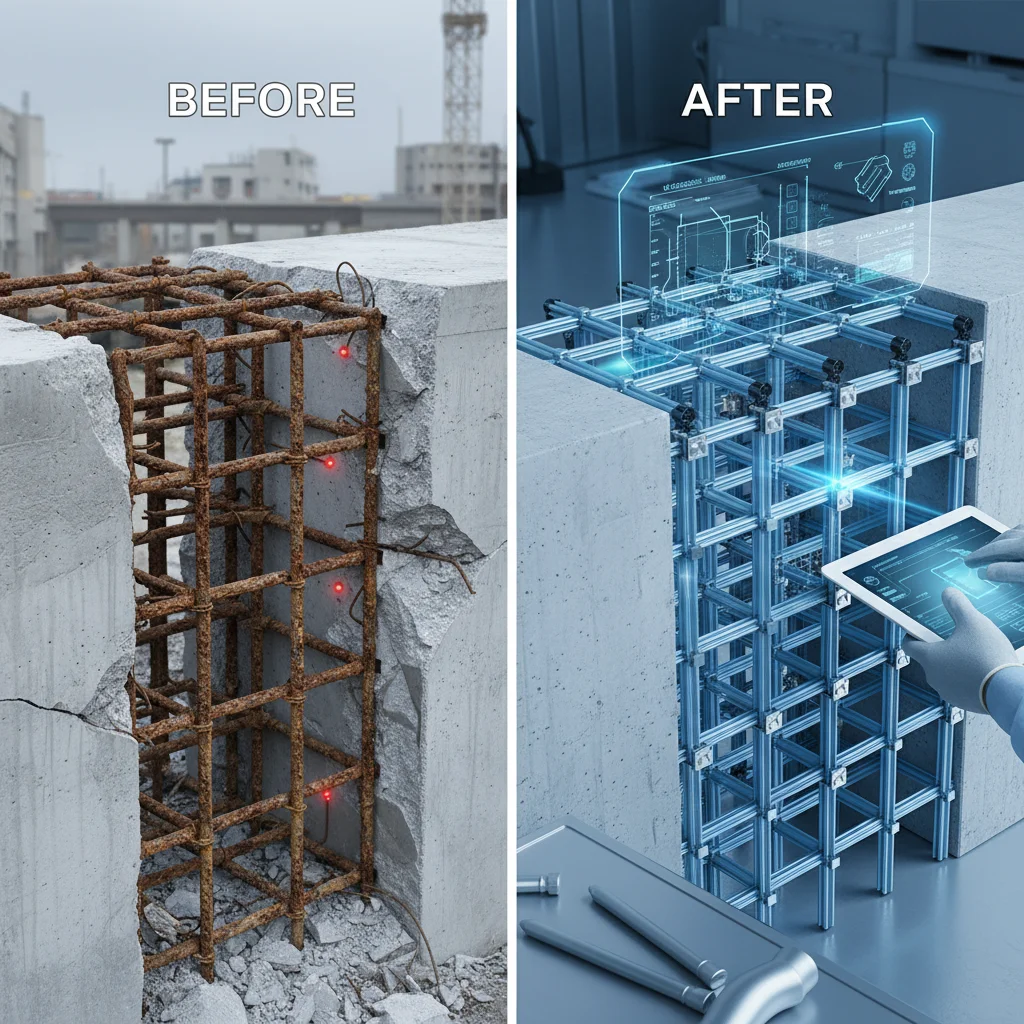
Global infrastructure requirements are shifting toward "zero-maintenance" philosophies to reduce long-term operational costs and carbon footprints. The transition from steel and aluminum to fiber-reinforced polymers addresses the critical failure point of oxidation and galvanic corrosion, which costs global industries billions in annual repairs. This shift is not merely about material replacement but about enhancing the safety and longevity of critical assets in chemical, marine, and energy sectors.
Understanding the synergy between pultrusion technology and material science allows companies to implement frp flooring and structural profiles that ensure maximum uptime. Whether it is for modular architectural framing or heavy-duty industrial supports, the ability to customize tensile strength and chemical resistance makes these composites an indispensable tool for 21st-century engineering.

Engineering Foundations of Composite Structures
The structural integrity of composite systems, including those used for frp flooring and support tubes, relies on the precise alignment of glass fibers during the pultrusion process. By orienting fibers longitudinally, these components achieve exceptional tensile strength and stiffness, allowing them to support significant loads while remaining remarkably lightweight.
This synergy between the reinforcement fibers and the specialized resin matrix creates an impermeable barrier. This barrier is critical for protecting the internal structure from moisture, harsh chemicals, and UV exposure, ensuring that the material does not warp or degrade even in the most demanding outdoor or industrial settings.
Global Industry Relevance and Demand
Across the globe, industries such as water treatment, chemical processing, and marine engineering are facing a crisis of material degradation. Traditional steel structures, while strong, are susceptible to rapid corrosion when exposed to saltwater or acidic vapors, leading to frequent replacements and high operational risks.
The demand for frp flooring and complementary GFRP profiles has surged as companies align with ISO standards for safety and sustainability. The ability to eliminate galvanic corrosion entirely allows for the construction of safer walkways and support frames in environments where electrical conductivity could lead to hazardous sparks.
Furthermore, the lightweight nature of these composites reduces the energy required for transportation and installation. In remote industrial zones or offshore platforms, reducing the weight of structural components translates directly into lower logistics costs and faster deployment times, enhancing overall project efficiency.
Core Technical Components and Materials
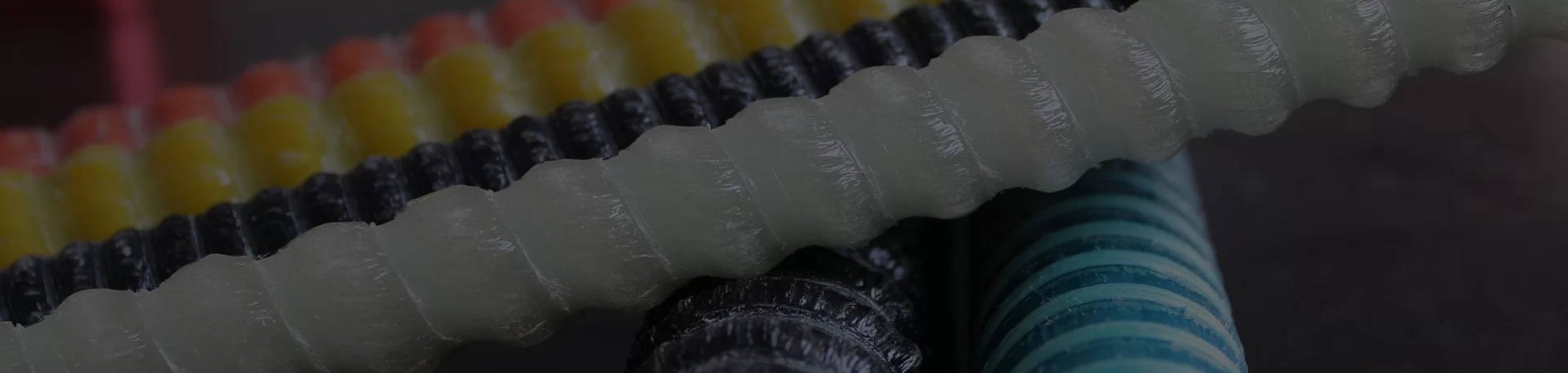
At the heart of high-performance composites is the Glass Fiber Reinforced Polymer (GFRP). This material is engineered through a high-precision pultrusion process, ensuring that the dimensional stability remains consistent across large batches. When applied to frp flooring or square tubing, this results in a product with a very low coefficient of thermal expansion.
The resin matrix acts as the "glue" that holds the fibers in place, providing essential chemical resistance. Depending on the application, optional gel coats or UV-stabilized coatings are added to the surface of frp flooring components to prevent discoloration and cracking under intense sunlight, extending the asset's lifecycle.
Beyond strength, the non-conductive electrical properties are a key technical advantage. Unlike aluminum or steel, GFRP does not conduct electricity, which significantly reduces workplace hazards in high-voltage environments. This makes these materials the ideal choice for electrical and telecommunication support structures.
Performance Metrics and Comparative Analysis
When comparing composites to traditional materials, the strength-to-weight ratio is the most telling metric. Pultruded fiberglass components provide a high longitudinal strength that rivals steel in many applications but at a fraction of the weight, which simplifies the assembly of modular frameworks.
The transition to frp flooring and GFRP tubes is often driven by the total lifecycle cost rather than the initial purchase price. While the upfront cost is competitive, the elimination of painting, sealing, and rust-treatment creates a massive economic advantage over a 10-to-20-year horizon.
Comparative Performance Rating of Composite Materials
Versatile Industrial Application Scenarios
In chemical processing plants and water treatment facilities, the environment is naturally aggressive. The integration of frp flooring and GFRP frames allows these facilities to operate without the constant threat of structural failure due to acid or alkali exposure, ensuring seamless industrial integration.
Beyond heavy industry, these materials are increasingly used in modular architectural framing. Because they can be easily cut, drilled, and joined using standard mechanical fasteners, they enable rapid construction of lightweight, weather-resistant structures that are ideal for storm-prone outdoor areas and marine piers.
Long-Term Economic and Sustainable Value
The economic value of investing in composites is found in the drastic reduction of maintenance cycles. Unlike metal systems that require periodic repainting and rust inhibition, frp flooring and pultruded profiles are virtually maintenance-free, maximizing ROI through extreme longevity.
From a sustainability perspective, the extended lifecycle of these materials minimizes material waste. The efficient pultrusion production process consumes less energy than the smelting and forging required for steel, contributing to a lower overall carbon footprint for infrastructure projects.
Moreover, the safety benefits cannot be overlooked. By providing non-conductive pathways and flame-retardant properties, these materials protect human life and expensive equipment, transforming the workplace into a lower-hazard zone while maintaining high structural efficiency.
Implementation Strategies and Future Trends
Successfully implementing frp flooring and structural composites requires a shift in design thinking. Engineers are moving away from "over-engineering" with heavy metals and toward optimized, lightweight designs that leverage the specific longitudinal strength of pultruded profiles.
The future of the industry lies in "smart composites," where sensors are embedded into the resin matrix to monitor structural health in real-time. This digital transformation will allow operators to predict maintenance needs before they become critical, further extending the asset lifecycle.
As green building certifications become mandatory, the use of eco-sustainable GFRP will grow. The focus is shifting toward recyclable resins and bio-based reinforcements, ensuring that the next generation of industrial flooring and framing is as environmentally friendly as it is durable.
Comparative Analysis of Structural Material Lifecycle Costs
| Material Type |
Maintenance Requirement |
Corrosion Resistance |
Lifespan Score (1-10) |
| Carbon Steel |
High (Painting/Coating) |
Low |
4 |
| Aluminum |
Moderate (Anodizing) |
Medium |
6 |
| Standard GFRP |
Near Zero |
High |
9 |
| UV-Stabilized FRP |
Near Zero |
Extreme |
10 |
| Galvanized Steel |
Moderate (Zinc Repair) |
Medium-Low |
5 |
| SMC Composites |
Low |
High |
8 |
FAQS
Unlike aluminum, which can still suffer from galvanic corrosion in salt-rich environments, fiberglass composites are naturally inert. They provide superior electrical insulation and do not oxidize, making them significantly more durable and safer for humid or coastal outdoor applications where metal would degrade quickly.
Yes, these materials are highly versatile. They can be produced in a wide range of customized dimensions and colors. Furthermore, optional gel coats can be applied during the manufacturing process to match specific architectural aesthetics or industrial color-coding requirements for safety.
Absolutely. One of the primary advantages of GFRP is its non-conductive nature. This makes it the preferred material for electrical support structures, telecommunication towers, and industrial barriers where preventing hazardous conductivity is a critical safety requirement.
Fiberglass composites can be integrated using several methods. The most common are standard mechanical fasteners (drilling and bolting), specialized adhesive bonding, or modular interlocking systems. This eliminates the need for welding, which is required for steel and aluminum.
When manufactured with UV-resistant surface coatings or specialized gel coats, fiberglass composites resist cracking, warping, and discoloration. These coatings shield the resin matrix from the sun's rays, ensuring the material retains its mechanical properties even under intense, long-term exposure.
They are widely utilized in chemical processing plants, water treatment facilities, and marine structures. Common uses include protective industrial barriers, machine frames, walkways, and any structural support system exposed to corrosive chemicals or saltwater.
Conclusion
The transition toward high-performance GFRP components, such as frp flooring and pultruded square tubes, represents a fundamental shift in industrial engineering. By combining the tensile strength of glass fibers with the chemical resilience of specialized resins, these materials solve the age-old problem of corrosion while providing a lightweight, non-conductive, and sustainable alternative to metal. The result is an infrastructure that is not only safer but significantly more cost-effective over its total lifecycle.
Looking forward, the integration of smart monitoring and bio-based resins will further elevate the role of composites in global infrastructure. For companies seeking to maximize their ROI and minimize operational downtime, upgrading to fiberglass composites is no longer just an option—it is a strategic necessity for long-term resilience. We invite you to explore our full range of composite solutions to future-proof your operations. Visit our website: www.hbztcomposite.com