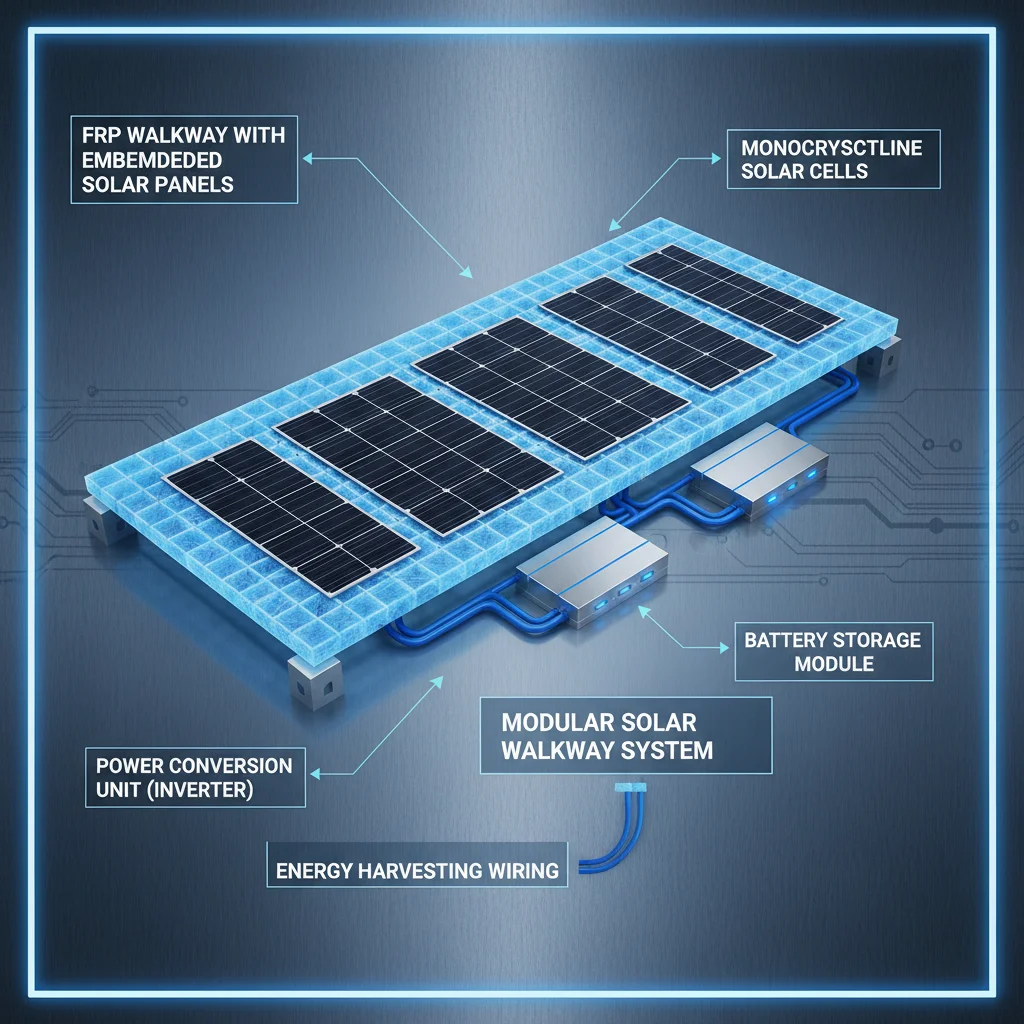
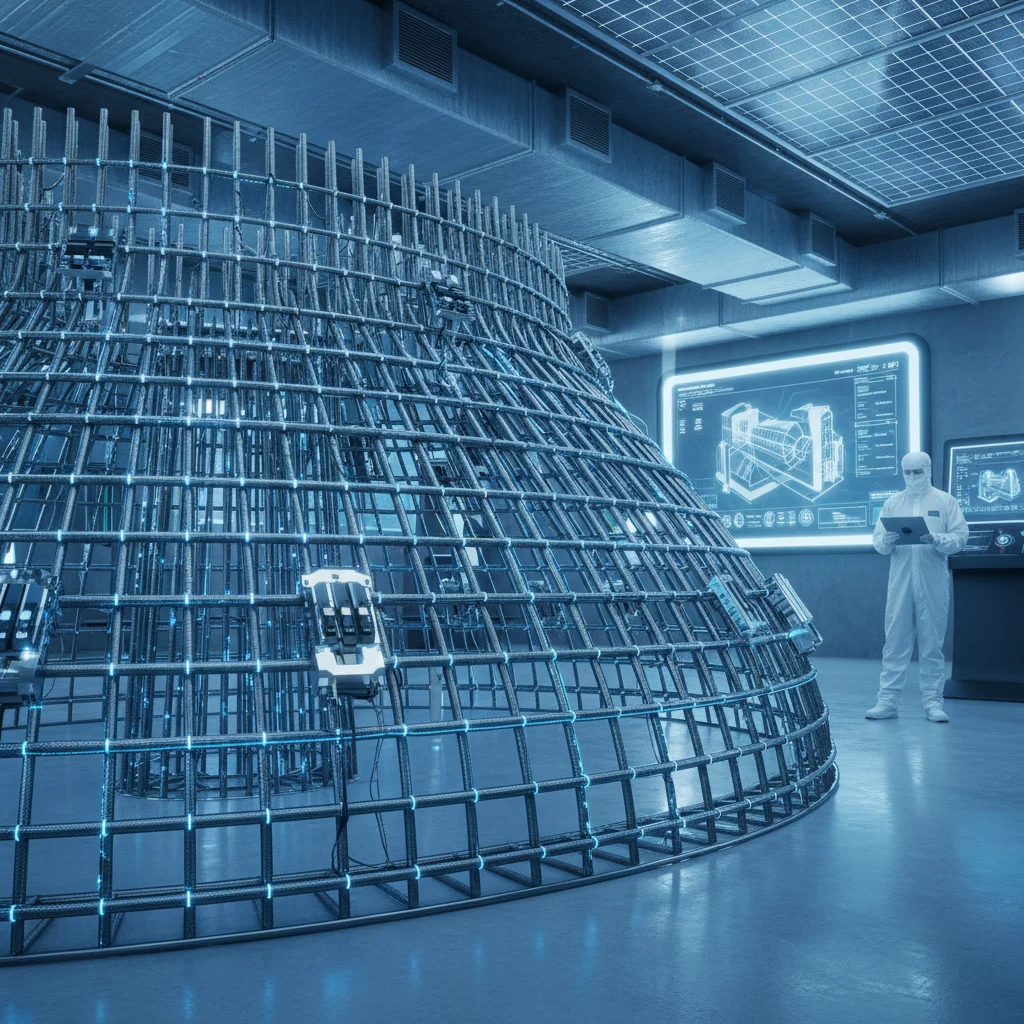
The global industrial landscape is witnessing a significant shift toward materials that can withstand extreme environments without the constant need for maintenance. Among these innovations, the adoption of high-performance composite structures has become a priority for engineers seeking to eliminate the vulnerabilities of traditional metals, such as rust and chemical degradation. Understanding the role of advanced polymers is essential for any organization aiming to optimize their infrastructure's longevity and safety.
In challenging sectors like chemical processing, wastewater treatment, and electrical power distribution, the demand for non-corrosive and non-conductive materials is at an all-time high. Traditional steel solutions often fail prematurely in these settings, leading to costly downtime and safety hazards. This has led to the widespread implementation of composite alternatives that offer a superior strength-to-weight ratio and inherent resistance to the elements.
One of the most versatile solutions available today is the use of frp molded grating and similar pultruded profiles. By integrating continuous glass fibers with high-grade resin matrices, these materials provide a structural integrity that rivals metal while remaining completely immune to the oxidative processes that plague steel.

The Evolution of FRP Structural Solutions
The transition from heavy metals to Fiber Reinforced Polymer (FRP) composites marks a pivotal moment in modern manufacturing. Historically, industrial frameworks relied on galvanized steel, which, despite its strength, required constant painting and coating to prevent corrosion in salty or acidic environments. The emergence of pultrusion technology allowed for the creation of consistent, high-strength profiles that inherently resist these environmental stressors.
Modern FRP solutions, including advanced extruded profiles, are engineered to provide the same load-bearing capabilities as metal but at a fraction of the weight. This evolution is not merely about material replacement but about enhancing the efficiency of installation and reducing the long-term operational costs associated with structural decay.
Defining the Three-Cavity Angular Design
The FRP Three Cavity Angular Extruded Profile is a high-performance structural component specifically designed to replace traditional metal angles in demanding environments. Unlike solid bars, these profiles feature a unique three-chamber hollow design. This geometric innovation is critical because it significantly increases the moment of inertia, providing superior resistance to bending and compression while maintaining a lightweight footprint.
From a manufacturing perspective, these profiles are produced through a precision pultrusion process. This involves pulling continuous longitudinal glass fibers through a resin bath and a heated die, ensuring that the structural fibers are perfectly aligned. This alignment is what gives the three-cavity design its exceptional rigidity and dimensional stability, making it ideal for frameworks that must support significant loads without warping.
By combining a high-grade resin matrix with these reinforcing fibers, the resulting profile becomes an indispensable tool for engineers. Whether it is used in chemical plants or electrical substations, the three-cavity structure ensures that the material can withstand twisting forces (torsion) more effectively than standard solid profiles, providing a safer and more reliable structural foundation.
Core Technical Advantages of Composite Profiles
One of the primary drivers for switching to composites is the absolute immunity to rust. In coastal areas or chemical processing zones, steel degrades rapidly. By implementing solutions like frp molded grating or pultruded angular profiles, operators can eliminate the need for frequent painting or epoxy coatings, drastically reducing the maintenance lifecycle costs.
Safety is further enhanced by the non-conductive nature of FRP. In high-voltage electrical installations, such as power substations or telecommunication towers, using a conductive metal is a significant risk. The insulating properties of frp molded grating and angular profiles act as a natural barrier, ensuring personnel safety and preventing electrical arcs.
Additionally, the high strength-to-weight ratio allows for faster on-site assembly. Because these materials can be easily cut, drilled, and fastened with standard industrial tools, labor costs are minimized. This efficiency, combined with UV-resistant resins that prevent sunlight degradation, ensures that the installation remains structurally sound for decades.
Industrial Performance Metrics and Comparisons
When comparing FRP composites to traditional steel, the differences in lifecycle value are stark. Steel offers high initial strength but suffers from a steep decline in integrity once corrosion sets in. In contrast, FRP maintains its properties over time, especially when engineered with flame-retardant options and UV stabilizers.
The following data illustrates how different composite configurations perform across key industrial metrics, focusing on the balance between weight, durability, and installation speed.
Comparative Performance of FRP Composite Solutions
Global Application Landscapes
The versatility of these materials allows them to be deployed across diverse sectors worldwide. In chemical plants, they are used for machinery racks and conveyor systems where acid exposure is constant. In the telecommunications industry, they provide the necessary non-conductive supports for towers, ensuring that signal interference is minimized and safety is maximized.
Beyond heavy industry, we see these composites appearing in architectural accents, such as durable window frames and façade supports for modern buildings. In infrastructure projects, they are utilized for long-span roofing and suspended structures, where reducing the dead load of the building is critical for seismic safety and overall structural efficiency.
Sustainable Engineering and Lifecycle Value
Sustainability in modern construction is no longer optional. The pultrusion process used to create FRP profiles is inherently efficient, minimizing material waste compared to traditional machining. Furthermore, the lightweight nature of these products reduces the carbon footprint associated with transportation and logistics.
From a lifecycle perspective, the "hidden" costs of steel—such as repeated sanding, priming, and painting—are completely eliminated. This leads to a significant reduction in the use of volatile organic compounds (VOCs) typically found in industrial paints, making FRP a greener choice for the environment.
Ultimately, the investment in high-performance composites pays for itself through extended service lifespans. While the initial cost may differ from basic steel, the total cost of ownership over 20 to 30 years is substantially lower, providing a high return on investment for infrastructure managers.
Customization and Implementation Strategies
No two engineering projects are identical, which is why customization is a core pillar of the FRP offering. Engineers can specify adjustable wall thicknesses and custom sizes to meet exact load-bearing requirements. Whether the project requires a smooth surface finish for hygiene or a textured finish for grip, the pultrusion process can be adapted.
Implementation begins with a thorough analysis of the environmental stressors—such as the specific chemicals present or the level of UV exposure. Based on this, the resin matrix is selected (e.g., vinylester for high chemical resistance or polyester for general use) to ensure the profile does not degrade under project-specific conditions.
Once delivered, installation is straightforward. Using standard industrial tools for cutting and drilling, the profiles can be integrated into modular systems or prefabricated partition walls, allowing for rapid deployment and scalability in fast-paced construction environments.
Comparison of Material Performance for Structural Applications
| Material Type |
Corrosion Resistance |
Weight Factor |
Conductivity |
| FRP Three-Cavity |
Excellent |
Very Low |
Non-Conductive |
| Galvanized Steel |
Low |
High |
Conductive |
| Aluminum |
Moderate |
Low |
Conductive |
| Stainless Steel |
High |
High |
Conductive |
| Solid FRP Profile |
Excellent |
Moderate |
Non-Conductive |
| Carbon Fiber |
Excellent |
Ultra Low |
Conductive |
FAQS
The three-cavity design significantly increases the moment of inertia, which provides higher rigidity and resistance to bending and twisting. This allows the profile to support similar or higher loads than a solid profile while reducing the overall weight of the material, leading to lower shipping costs and easier installation.
Yes, FRP is inherently non-conductive. This makes these profiles an ideal and safe choice for electrical support systems, power substations, and telecommunication towers where avoiding electrical conductivity is a critical safety requirement to prevent accidents and equipment failure.
Our FRP profiles are engineered with specialized UV-resistant resins. These additives prevent the polymer matrix from breaking down under prolonged direct sunlight, ensuring that the material maintains its structural integrity, color, and mechanical properties over decades of outdoor exposure.
Absolutely. We offer full customization for profile dimensions, cavity sizes, wall thicknesses, and surface finishes. Whether you need a specific length or a unique angular measurement to fit your engineering blueprints, our precision pultrusion process can accommodate your exact specifications.
FRP profiles are designed for convenience. They can be handled and modified using standard industrial tools, including saws for cutting, drills for creating fasteners holes, and mechanical bolts or adhesives for assembly, which significantly simplifies the onsite installation process.
Yes, pultrusion is a highly efficient continuous manufacturing process. It minimizes material waste and generally requires less energy than the smelting and refining processes needed for steel or aluminum. Additionally, the lightweight final product reduces fuel consumption during transportation.
Conclusion
The transition toward Fiber Reinforced Polymer composites represents a strategic upgrade for industrial infrastructure. By leveraging the unique benefits of the three-cavity angular design—such as exceptional corrosion resistance, non-conductivity, and a superior strength-to-weight ratio—companies can effectively eliminate the systemic failures associated with traditional metal frameworks. From reducing maintenance costs to enhancing worker safety, the long-term value of these materials is undeniable.
As the industry moves toward greener, more durable, and smarter building materials, the adoption of pultruded FRP profiles will only accelerate. We suggest that engineers and procurement managers conduct a lifecycle cost analysis to see the true savings offered by these composites. For those ready to upgrade their infrastructure with high-performance materials, visit our website: www.hbztcomposite.com.