The evolution of industrial infrastructure has led to a critical demand for materials that can withstand the harshest chemical and environmental conditions without compromising structural integrity. In this context, the concept of the frp i beam and related composite structures has emerged as a transformative solution for modern engineering, replacing traditional metals in high-corrosion zones.
Globally, the shift toward Fiber Reinforced Plastic (FRP) is driven by the escalating costs of maintaining galvanized steel and the urgent need for non-conductive materials in electrical and chemical plants. By integrating high-strength glass fibers with advanced resin systems, these composite solutions offer a lifespan that far exceeds traditional materials, significantly reducing the total cost of ownership for facility managers.
Understanding the technical advantages of an frp i beam and its associated products, such as FRP grating, is essential for optimizing safety and operational efficiency. From marine docks to wastewater treatment plants, these materials provide the necessary load-bearing capacity while remaining completely immune to rust and saltwater degradation.

The Engineering Essence of FRP Composites
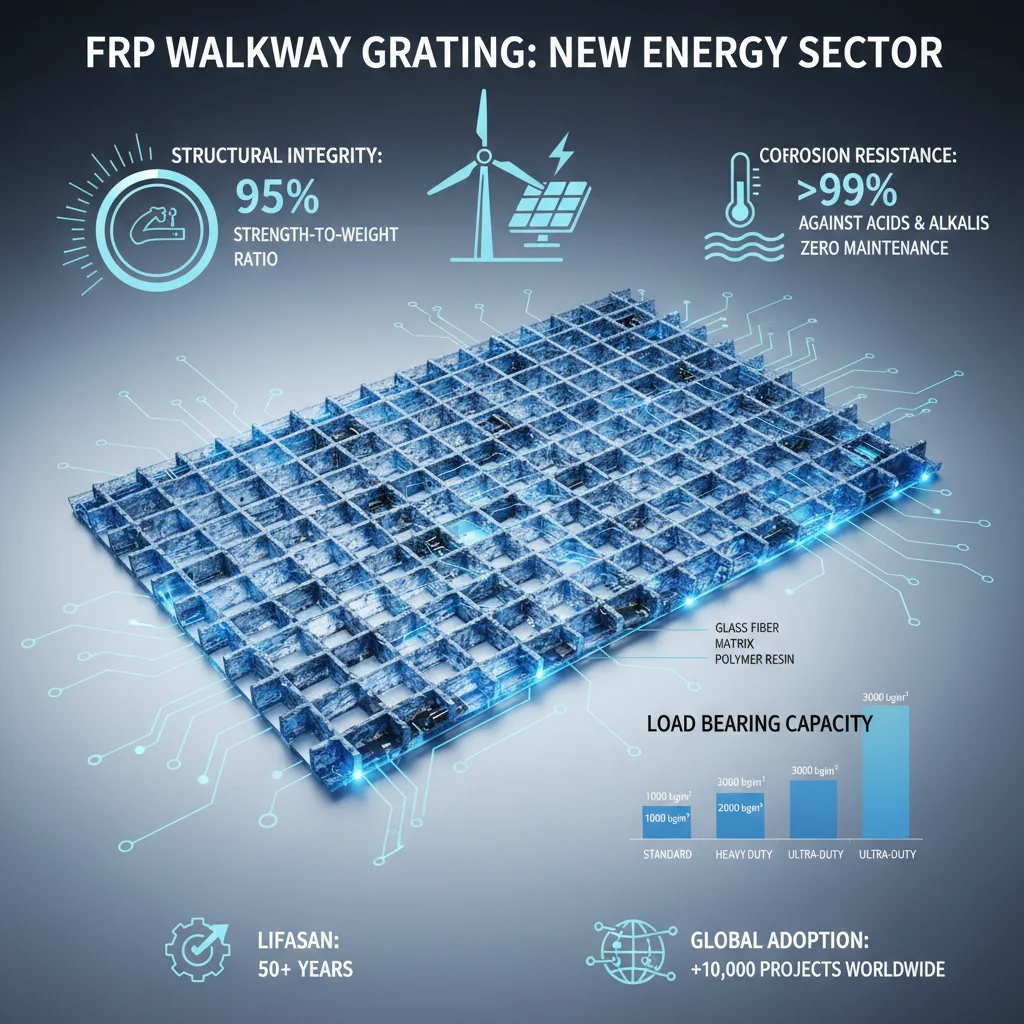
At its core, the structural integrity of an frp i beam and similar molded or pultruded products relies on the synergistic relationship between glass fibers and polymer resins. While the fibers provide the necessary tensile strength, the resin matrix protects the fibers from environmental attack and transfers the load across the structure, ensuring a high strength-to-weight ratio.
This engineering approach allows for the creation of profiles that are substantially lighter than steel yet capable of supporting heavy industrial loads. Whether used as primary support beams or as secondary grating supports, these composites eliminate the risk of oxidation, making them the gold standard for environments where humidity and chemical exposure are constant.
Global Industrial Relevance and Demand
The global industrial landscape is currently witnessing a massive transition toward non-metallic structural components to combat the trillion-dollar problem of corrosion. Industries such as oil and gas, chemical processing, and marine engineering are increasingly specifying the frp i beam and composite gratings to avoid the cyclical costs of painting, galvanizing, and replacing rusted steel members.
According to international safety and quality standards, the reduction of structural failure due to corrosion is a primary goal for infrastructure longevity. In regions with high salinity or aggressive industrial pollutants, the deployment of FRP solutions has been shown to extend the service life of platforms and walkways by several decades compared to traditional aluminum or carbon steel.
Moreover, the demand for non-conductive materials has surged in the energy sector. Electrical substations and power plants require structural supports that do not conduct electricity, making composite profiles a safety imperative rather than just a preference, thereby reducing the risk of accidental grounding or electrical arcs.
Core Material Components and Resin Systems
The versatility of the frp i beam is largely determined by the choice of resin. For general-purpose industrial applications, polyester resin offers a cost-effective solution with good mechanical properties, suitable for standard walkways and low-corrosion environments.
For more aggressive chemical environments, Vinyl Ester resin is the preferred choice. This high-performance resin provides superior resistance to acids, alkalis, and corrosive industrial fumes, ensuring that the frp i beam remains structurally sound even when exposed to concentrated chemical spills.
Beyond the resin, the manufacturing process—whether molding or pultrusion—dictates the final application. Molded components provide bi-directional strength and high impact resistance, while pultruded profiles offer maximum unidirectional load capacity, which is critical for long-span beams and heavy-duty structural supports.
Structural Performance and Load Dynamics
When evaluating the performance of an frp i beam, engineers focus on the strength-to-weight ratio. Because FRP is significantly lighter than steel, it reduces the dead load on the overall structure, which in turn simplifies transportation and drastically reduces the labor and equipment required for on-site installation.
Despite the lower density, the load-bearing capabilities are optimized through precision pultrusion. This ensures that the longitudinal fibers are aligned to handle maximum stress, making these composite beams ideal for heavy-duty industrial loads where stability and fatigue resistance are non-negotiable.
Structural Performance Rating of Composite Profiles
Strategic Global Application Cases
In marine environments, such as floating docks and offshore platforms, the use of the frp i beam is now a standard practice. Saltwater is notoriously aggressive toward galvanized steel, but FRP remains chemically inert, ensuring that the infrastructure does not degrade over time despite constant exposure to spray and immersion.
Similarly, in wastewater treatment plants, where hydrogen sulfide and other corrosive gases are prevalent, composite structures prevent the structural "rotting" common in metal frameworks. These installations benefit from the anti-slip surfaces of associated FRP gratings, which ensure worker safety in wet and oily conditions.
Long-term Economic and Safety Value
The initial investment in an frp i beam may be higher than that of basic carbon steel, but the long-term return on investment (ROI) is far superior. By eliminating the need for recurring painting, zinc coating, and rust treatment, facility operators can reduce their maintenance budgets by up to 70% over the lifecycle of the asset.
Safety is another critical driver of value. The non-conductive nature of these materials provides an essential layer of protection in high-voltage areas, while the availability of bright safety colors like yellow and orange improves visibility and compliance with workplace safety codes.
Furthermore, the lightweight nature of these composites reduces the risk of injury during installation and lowers shipping costs. When combined with UV inhibitors that prevent sunlight-induced degradation, these products offer a "fit and forget" solution for modern industrial architecture.
Future Innovations in Composite Profiles
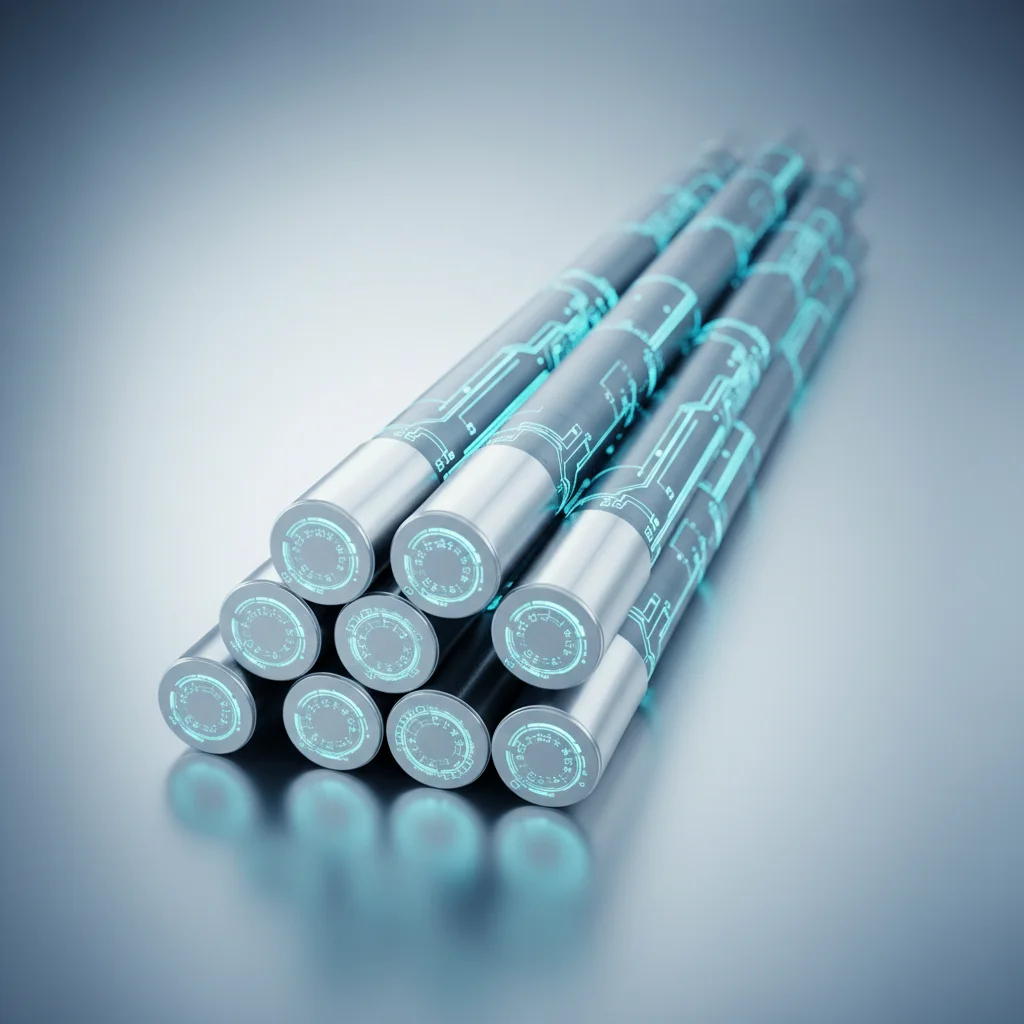
The future of the frp i beam is moving toward "smart composites," where sensors are embedded directly into the resin matrix during pultrusion to monitor structural health in real-time. This digital transformation will allow engineers to detect stress or fatigue before a failure occurs, further enhancing industrial safety.
Sustainability is also driving innovation, with the development of bio-resins and recyclable glass fibers to reduce the environmental footprint of composite manufacturing. As green building certifications become more stringent, these sustainable FRP alternatives will likely replace traditional materials in urban infrastructure projects.
Additionally, the integration of nano-materials, such as carbon nanotubes, is expected to further increase the load-bearing capacity and thermal stability of these profiles, allowing them to be used in extreme aerospace or high-temperature industrial applications.
Comparative Analysis of FRP vs. Traditional Structural Materials
| Material Type |
Corrosion Resistance |
Installation Effort |
Lifecycle Cost |
| Carbon Steel |
Low (Rusts) |
High (Heavy) |
Very High |
| Galvanized Steel |
Medium |
High (Heavy) |
High |
| Aluminum |
Medium-High |
Medium |
Medium |
| Polyester frp i beam |
High |
Low (Light) |
Low |
| Vinyl Ester FRP |
Exceptional |
Low (Light) |
Very Low |
| Carbon Fiber Composite |
Exceptional |
Very Low |
Medium (Initial High) |
FAQS
Molded components, like certain gratings, offer bi-directional strength and superior impact resistance, making them ideal for general-purpose industrial walkways. In contrast, pultruded profiles, such as the frp i beam, provide significantly higher load-bearing capacity in a single longitudinal direction, which is necessary for long spans and heavy-duty structural supports.
Our composite materials are manufactured with UV inhibitors incorporated directly into the resin system. This prevents the "fiber blooming" or yellowing often associated with lower-quality plastics, maintaining the structural integrity and vibrant safety colors of the frp i beam even under prolonged direct sunlight.
For environments with aggressive chemical exposure or acidic fumes, Vinyl Ester resin is highly recommended over standard Polyester. Vinyl Ester provides a more robust chemical barrier, ensuring that structural members like an frp i beam do not degrade when exposed to corrosive industrial agents.
Yes, it is specifically engineered for this. Our molded surfaces feature concave designs or bonded grit coatings that provide maximum traction in wet, oily, or icy conditions, significantly reducing the risk of workplace slips and falls compared to smooth metal surfaces.
Saltwater causes rapid oxidation and corrosion in steel, even when galvanized. FRP is naturally inert to saltwater, meaning it will not rust or flake. Using an frp i beam in marine docks eliminates the need for constant rust treatment and expensive re-galvanizing.
Yes, we offer fire-retardant resin options that are specifically designed to meet strict industrial safety codes. These resins reduce the flame spread and smoke emission, making FRP a viable and safe choice for indoor industrial facilities and high-risk plants.
Conclusion
In summary, the adoption of the frp i beam and associated fiberglass reinforced plastics represents a strategic shift toward sustainable, low-maintenance, and high-performance industrial engineering. By solving the perennial problem of corrosion and offering unmatched electrical safety, these composite materials provide a technically superior alternative to steel and aluminum across a wide array of global industries.
Looking forward, the integration of smart monitoring and eco-friendly resins will only further solidify the role of FRP in the next generation of infrastructure. For facility managers and engineers seeking to optimize their operational lifespan and safety, transitioning to composite profiles is not just an upgrade—it is a necessity for long-term viability. Visit our website: www.hbztcomposite.com