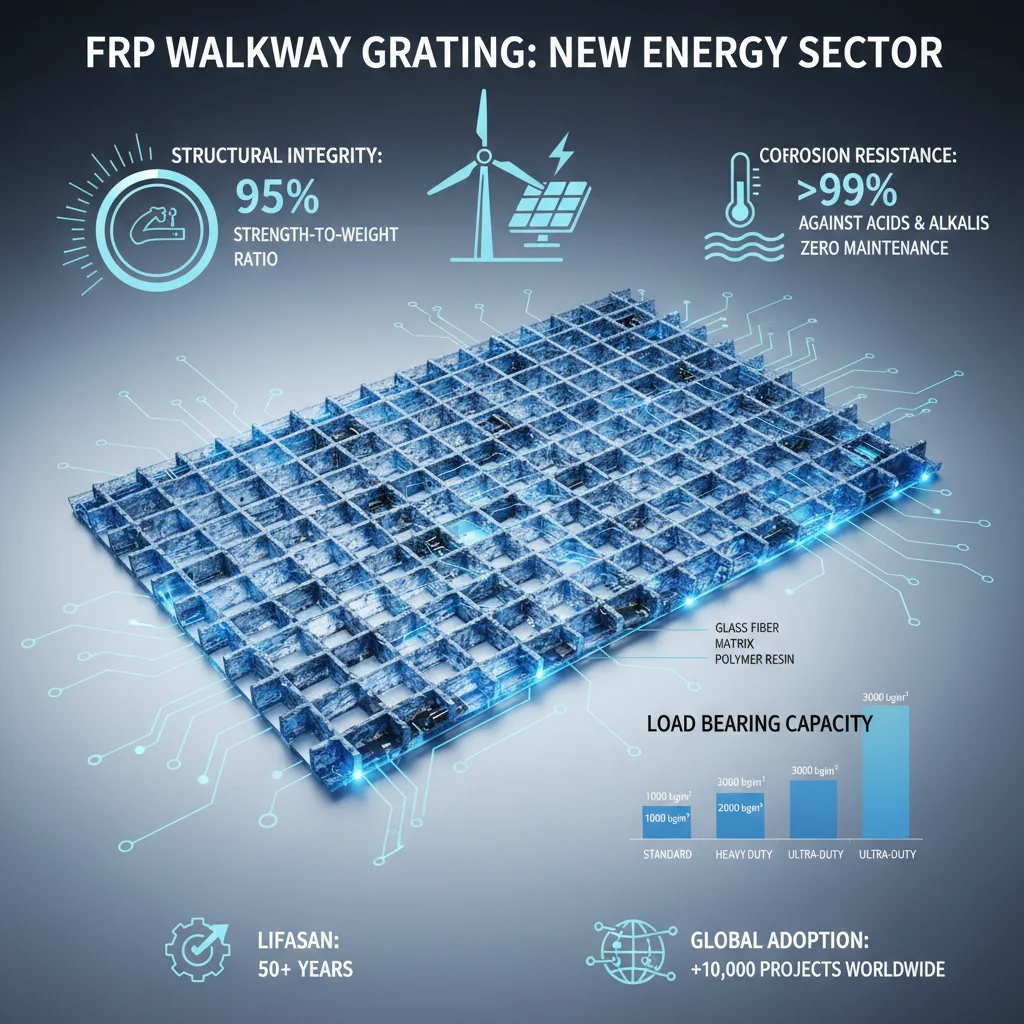
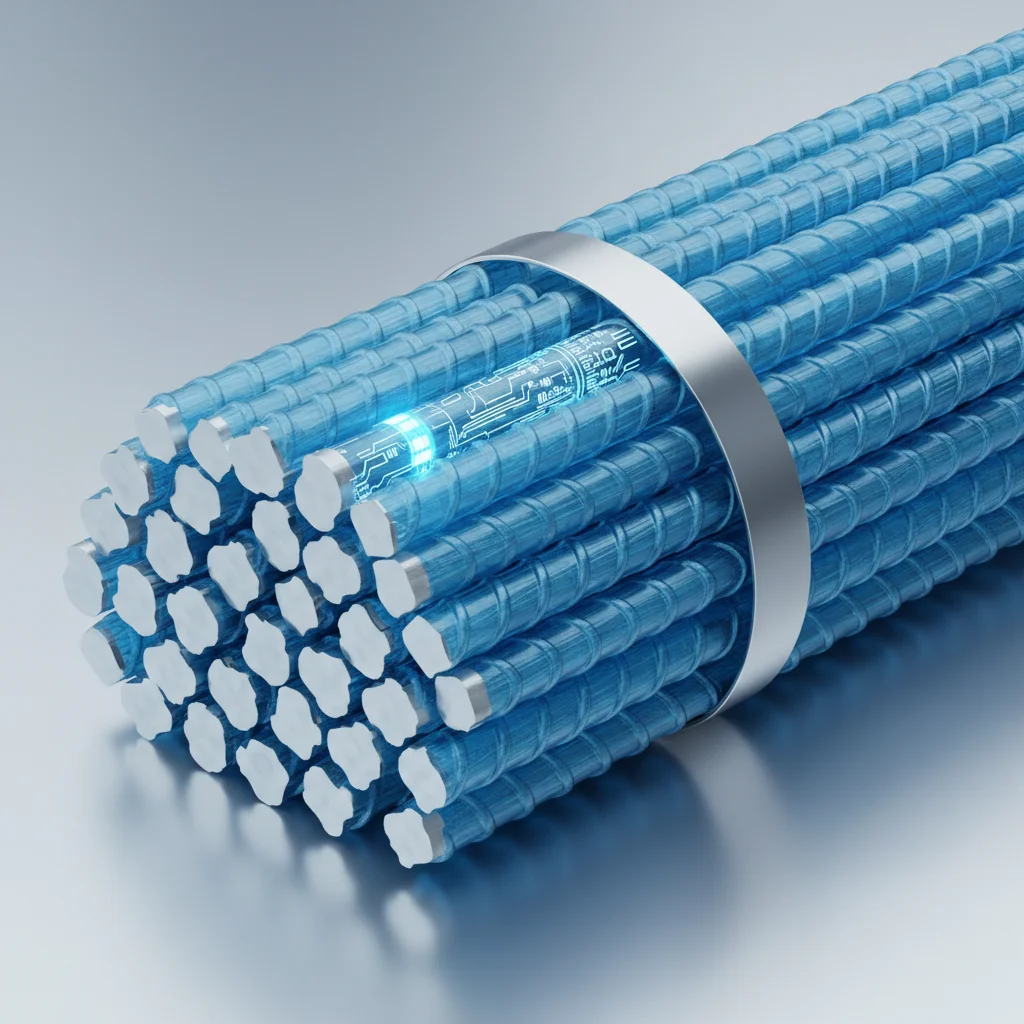
The global construction landscape is undergoing a paradigm shift as engineers seek alternatives to traditional steel reinforcement to combat the persistent issue of corrosion. Among the most promising innovations is the adoption of high-performance composite materials designed to enhance the longevity of infrastructure. Understanding the role of fiberglass rebar for concrete is essential for modern architects aiming to reduce maintenance costs and increase the service life of critical structures.
Across the globe, from coastal bridges to industrial flooring, the demand for non-corrosive reinforcement has surged. Traditional metals often succumb to oxidation and chloride penetration, leading to concrete spalling and structural failure. By integrating advanced pultruded profiles and reinforcement bars, the industry can now build structures that withstand the harshest environments without the need for frequent, costly repairs.
This transition is not merely about material substitution but about embracing a sustainable engineering philosophy. Utilizing fiberglass rebar for concrete allows for thinner concrete covers and a significant reduction in the overall carbon footprint of construction projects. As we move toward smarter, more durable cities, the synergy between fiberglass composites and cementitious materials becomes a cornerstone of resilient infrastructure.

Global Relevance of Composite Reinforcement
The global construction industry is currently facing a crisis of deterioration, with billions of dollars spent annually on repairing reinforced concrete structures. Data from international infrastructure reports suggest that corrosion of steel reinforcement is the leading cause of structural failure in marine and industrial environments. This has accelerated the global search for a material that combines high tensile strength with absolute immunity to rust.
In this context, the shift toward fiberglass rebar for concrete represents a strategic evolution. By utilizing glass fibers embedded in a polymer resin matrix, engineers can now specify reinforcement that does not react with salts or chemicals, effectively eliminating the primary cause of internal concrete degradation and ensuring safety across diverse climatic zones.
Defining Fiberglass Reinforcement Standards
At its core, fiberglass rebar for concrete is a pultruded composite material consisting of high-strength glass fibers bonded by a thermosetting resin. Unlike traditional steel, which relies on heavy mass and thickness for strength, these composite bars leverage the longitudinal alignment of fibers to provide exceptional tensile properties while remaining lightweight.
This material is specifically engineered to address the needs of modern humanitarian and industrial projects, where rapid deployment and low maintenance are critical. Whether used in temporary disaster-relief housing or permanent sewage treatment plants, the primary goal is to provide a skeletal structure that is both rigid and chemically inert.
From a technical standpoint, the pultrusion process ensures that the glass fibers are perfectly aligned and the resin matrix is uniformly distributed. This consistency allows engineers to calculate load-bearing capacities with precision, making the transition from steel to fiberglass rebar for concrete a predictable and safe upgrade for structural design.
Core Components of Structural Durability
One of the most critical factors in the success of fiberglass rebar for concrete is its inherent corrosion resistance. Because the material is non-metallic, it does not oxidize when exposed to moisture, road salts, or aggressive chemical agents. This property allows for a significant reduction in the required concrete cover, leading to leaner and more efficient structural designs.
The strength-to-weight ratio of these composite bars is another defining component. Despite being significantly lighter than steel, fiberglass rebar for concrete offers comparable or superior tensile strength. This reduction in weight simplifies logistics, lowers transportation emissions, and reduces the physical strain on installation crews during the construction phase.
Furthermore, the non-conductive nature of the material provides an added layer of safety. In environments where electrical insulation is paramount—such as substations or telecommunication hubs—using fiberglass rebar for concrete prevents the structural framework from becoming a conductor, thereby reducing the risk of electrical faults and enhancing overall facility safety.
Practical Applications and Performance Metrics
The versatility of composite reinforcement is evident in its widespread use across diverse sectors. In coastal regions, these materials are used for sea walls and piers where salt-spray corrosion would destroy steel in a matter of years. In industrial plants, they provide the necessary support for chemical-resistant flooring and containment basins, ensuring that the structure remains intact even when exposed to acidic runoff.
Beyond heavy industry, the application extends to urban infrastructure such as bridge decks, parking garages, and airport runways. The ability to customize the resin matrix allows for specialized performance, such as increased fire retardancy or enhanced UV resistance, ensuring that the fiberglass rebar for concrete performs optimally regardless of the external stressors.
Performance Comparison of Concrete Reinforcement Methods
Advantages and Long-Term Economic Value
The primary economic argument for fiberglass rebar for concrete lies in the Life Cycle Cost (LCC) analysis. While the initial purchase price of composite materials may differ from standard steel, the total cost of ownership is significantly lower. This is because the elimination of corrosion removes the need for expensive cathodic protection systems and repetitive painting or coating cycles.
Beyond the financial gains, there is a profound social and environmental impact. Structures that last longer require fewer raw materials for replacement, reducing the demand for cement—one of the largest contributors to global CO2 emissions. By extending the lifespan of a bridge or building from 50 to 100 years, the industry achieves a sustainable equilibrium that benefits both the taxpayer and the planet.
Future Trends in Sustainable Infrastructure
The future of concrete reinforcement is moving toward "smart" composites. Research is currently focused on integrating sensors directly into the fiberglass rebar for concrete, allowing for real-time structural health monitoring. These embedded sensors can detect stress, strain, and temperature changes, alerting engineers to potential issues long before they become visible cracks.
Another emerging trend is the development of bio-based resins to replace petroleum-derived polymers in the pultrusion process. This would create a fully "green" reinforcement bar, further aligning the construction industry with global net-zero targets and enhancing the eco-credentials of composite-reinforced projects.
Additionally, automation in manufacturing is driving the creation of custom-shaped composite profiles. Instead of simple bars, we are seeing the rise of complex 3D-printed composite grids that can be optimized for specific load paths, maximizing strength while minimizing material usage.
Overcoming Implementation Challenges
Despite the clear benefits, the widespread adoption of fiberglass rebar for concrete has faced challenges, primarily due to traditional building codes written for steel. Many engineers are hesitant to move away from established norms. However, the publication of new international standards, such as ACI 440, is providing the necessary regulatory framework to legitimize composite use in load-bearing structures.
Another limitation is the lack of ductility compared to steel; composites do not "bend" before they break. This is being solved through innovative design approaches, such as over-reinforcement or the use of hybrid systems, ensuring that structures fail gracefully and predictably. Education and professional training for site contractors are also key to ensuring correct installation.
By combining these technical solutions with a shift in mindset, the industry is successfully moving past the "steel-only" era. The transition requires a collaborative effort between material scientists, regulatory bodies, and on-site engineers to ensure that the deployment of these materials is safe, efficient, and standardized.
Analysis of Reinforcement Material Performance and Application
| Material Type |
Corrosion Risk |
Weight Impact |
Service Life (Years) |
| Standard Carbon Steel |
Very High |
Heavy |
30-50 |
| Epoxy-Coated Steel |
Medium |
Heavy |
40-60 |
| Galvanized Steel |
Medium-Low |
Heavy |
50-70 |
| GFRP (Fiberglass) |
Zero |
Ultra-Light |
80-100+ |
| Basalt Fiber |
Zero |
Ultra-Light |
80-100+ |
| Carbon Fiber (CFRP) |
Zero |
Ultra-Light |
100+ |
FAQS
In terms of tensile strength, GFRP (glass fiber reinforced polymer) often exceeds that of standard steel. However, it has a lower modulus of elasticity, meaning it is more flexible. For most concrete applications, this is an advantage as it reduces the risk of cracking, provided the structural design accounts for the different deflection properties.
No, fiberglass rebar cannot be bent once it has been cured through the pultrusion process. Bending would break the glass fibers and destroy the structural integrity. Therefore, all bends, hooks, and stirrups must be pre-fabricated at the factory according to the project's specific engineering drawings.
While you still need a minimum cover for structural protection and fire rating, the requirement for "corrosion cover" is eliminated. With steel, a thick layer of concrete is needed to keep moisture and salts away from the metal. With fiberglass, this isn't necessary, allowing for thinner, lighter concrete sections.
The resin matrix in fiberglass rebar can soften at high temperatures. To mitigate this, manufacturers use flame-retardant resins, and the concrete itself acts as a natural thermal insulator. In most standard building codes, the fire rating of the concrete slab is sufficient to protect the internal composite reinforcement.
The upfront material cost may be slightly higher than basic black steel. However, when you factor in the reduced transportation costs (due to weight), the elimination of epoxy coatings, and the massive reduction in long-term maintenance, the total life-cycle cost is significantly lower.
Yes, this is one of its primary advantages. Because fiberglass is non-conductive, it is the ideal choice for reinforcement in electrical substations, power plants, and telecommunication sites where conductive steel would pose a significant safety hazard.
Conclusion
The integration of fiberglass rebar for concrete represents a fundamental leap in structural engineering, solving the age-old problem of corrosion while enhancing efficiency. By combining superior tensile strength, non-conductivity, and a lightweight profile, these composite materials offer a sustainable alternative that reduces both economic costs and environmental impact. From coastal defense to urban high-rises, the transition to GFRP ensures that the infrastructure of tomorrow is more resilient and longer-lasting than that of yesterday.
As we look toward the future, the adoption of these advanced materials will likely become the standard rather than the exception. For developers, engineers, and architects, the move toward composite reinforcement is an investment in longevity and safety. We encourage you to explore these innovative solutions to future-proof your projects. Visit our website for more technical specifications and product guides: www.hbztcomposite.com