Advanced Fiberglass Solutions for New Zealand Infrastructure

Advanced Fiberglass Solutions for New Zealand Infrastructure

Delivering high-performance fiberglass products tailored for the unique demands of the New Zealand market.

Advanced Fiberglass Solutions for New Zealand Infrastructure

Providing robust and reliable fiberglass products to meet the evolving infrastructure needs of New Zealand.

Current Landscape of Fiberglass Manufacturing in New Zealand

Analyzing the market dynamics and challenges for fiberglass products in the Oceania region.

New Zealand, with its geographically diverse terrain and susceptibility to seismic activity, presents unique demands for construction materials. Fiberglass products are gaining prominence as a lightweight, durable, and corrosion-resistant alternative to traditional materials like steel and concrete. The industry faces challenges related to import costs and a limited local manufacturing base, fostering a demand for cost-effective and high-quality solutions.

The increasing focus on sustainable infrastructure development in New Zealand is further driving the adoption of fiberglass septic tank systems. Traditional concrete septic tanks are heavy and require significant excavation, while fiberglass tanks offer ease of installation and reduced environmental impact.

The New Zealand construction industry is experiencing growth, particularly in infrastructure projects related to roading, water management, and renewable energy. This growth fuels the demand for specialized fiberglass components, including fiber glass rebar and structural reinforcements.

Evolution of Fiberglass Technology and Market Trends in New Zealand

Tracing the development of fiberglass materials and their application in the New Zealand market.

Market Development History

The initial adoption of fiberglass in New Zealand during the 1960s was primarily focused on boat building and recreational applications. Early fiberglass materials were relatively expensive and lacked the advanced properties of modern composites. The 1980s saw an increased focus on industrial applications, particularly in the manufacturing of storage tanks and pipes.

The late 1990s and early 2000s witnessed significant advancements in fiberglass resin technology and manufacturing processes. The introduction of higher-strength resins and improved fiber reinforcement techniques expanded the range of potential applications. Carbon fiber reinforcement began to be explored for specialized applications requiring exceptional strength-to-weight ratios.

In recent years, there has been a growing emphasis on sustainable manufacturing practices and the development of eco-friendly fiberglass products. The use of recycled materials and bio-based resins is gaining traction, aligning with New Zealand’s commitment to environmental sustainability.

Future Development Trends

Enhanced Resin Systems

We anticipate further development of high-performance resin systems with improved mechanical properties, chemical resistance, and fire retardancy. Nanotechnology will play a crucial role in enhancing the performance characteristics of fiberglass composites.

Automation and Robotics

Increased automation and robotic manufacturing processes will drive down production costs and improve product quality. Advanced robotics will enable the fabrication of complex fiberglass structures with greater precision and efficiency.

Smart Composites

The integration of sensors and data analytics into fiberglass structures will create “smart composites” capable of monitoring their own condition and performance. This technology will be particularly valuable in infrastructure applications, enabling proactive maintenance and preventing failures. Google Trends data indicates a consistent increase in searches for "structural health monitoring" and "composite sensors."
Industry Trends and Future Outlook for Fiberglass in New Zealand

Predicting the evolving landscape of fiberglass applications and technologies in the region.

Increased Demand in Infrastructure
New Zealand's ongoing infrastructure projects, particularly in transportation and water management, will continue to drive demand for durable and corrosion-resistant fiberglass materials.
Growth in Sustainable Solutions
The increasing emphasis on sustainability will drive the adoption of fiberglass products made from recycled materials and bio-based resins.
Advanced Composite Materials
The development and adoption of advanced composite materials, such as carbon fiber reinforcement, will expand the range of applications for fiberglass in high-performance industries.
Increased Focus on Durability
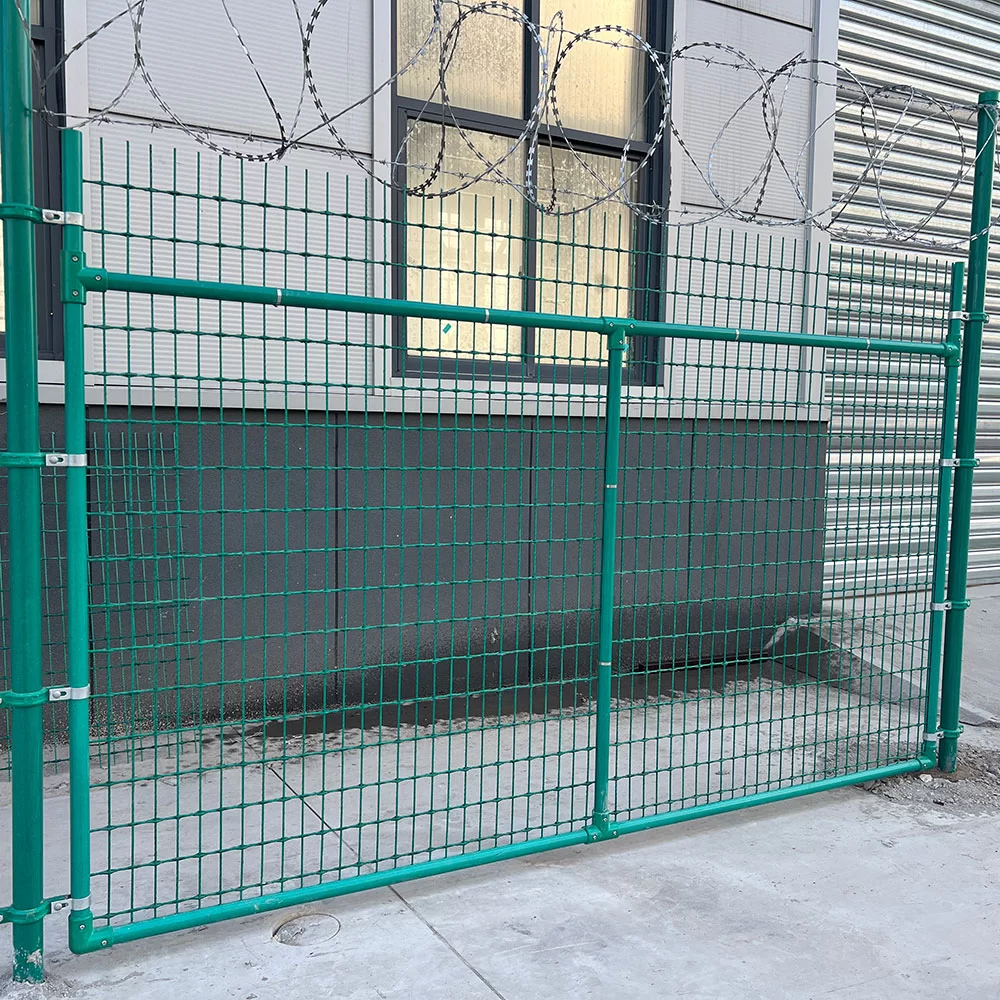
New Zealand’s challenging environmental conditions (UV exposure, salinity) will drive demand for fiberglass products with enhanced durability and weather resistance. Fiberglass guardrail mesh is a prime example.

Industry Outlook

The New Zealand fiberglass market is poised for continued growth, driven by infrastructure development, sustainability initiatives, and the increasing demand for high-performance materials. Collaboration between local manufacturers and international technology providers will be key to unlocking the full potential of fiberglass composites.

The future will likely see greater adoption of digital technologies, such as Building Information Modeling (BIM), to optimize the design and fabrication of fiberglass structures. This will enable more efficient project delivery and reduce construction costs.

Localized Application Scenarios for Fiberglass Products in New Zealand

Exploring real-world applications of fiberglass materials in the New Zealand context.

1. Coastal Infrastructure Protection

Fiberglass composites are ideal for protecting coastal infrastructure, such as jetties, seawalls, and marine pilings, from the corrosive effects of saltwater. Their lightweight nature simplifies installation and reduces transportation costs. This is particularly crucial given New Zealand’s extensive coastline.

2. Agricultural Water Storage

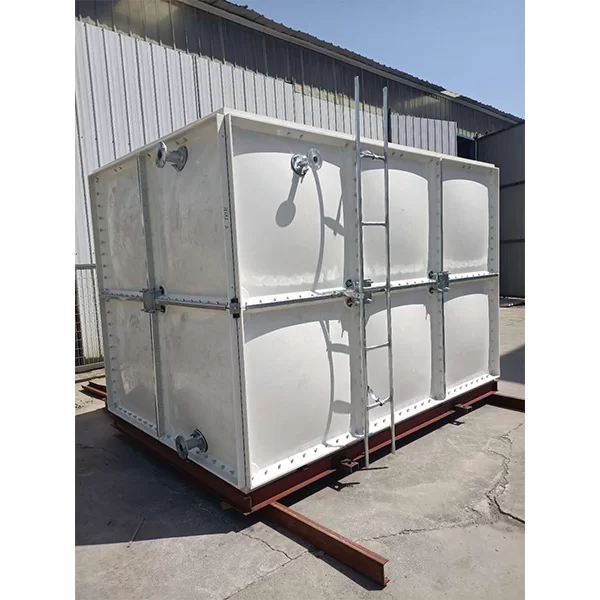
Fiberglass tanks are widely used for storing water on farms and rural properties throughout New Zealand. They offer a durable, hygienic, and cost-effective alternative to traditional concrete or steel tanks. Fiberglass septic tank systems are also popular.

3. Road and Bridge Reinforcement

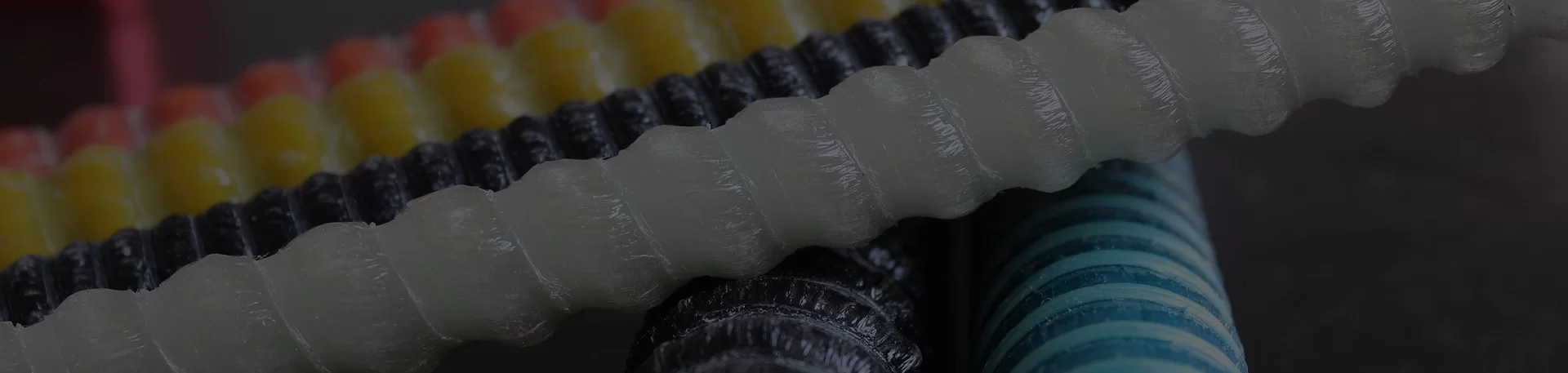
Fiber glass rebar is increasingly being used to reinforce concrete structures in roads and bridges, particularly in areas prone to seismic activity. Its corrosion resistance and lightweight properties enhance the durability and lifespan of these structures.

4. Wind Farm Components

Fiberglass is a key material in the manufacturing of wind turbine blades. New Zealand’s growing investment in renewable energy is driving demand for high-quality fiberglass composites for wind farm applications.

5. Marine Applications

The New Zealand boating industry heavily relies on fiberglass for hull construction and various marine components, leveraging its strength, durability, and lightweight properties.

Brand Story

Hebei Zhongtian Composite Materials Group Co., Ltd.'s Global Development Journey

Commitment to Innovation

For over two decades, Hebei Zhongtian Composite Materials Group has been at the forefront of fiberglass innovation, consistently pushing the boundaries of material science.

Global Reach, Local Expertise

We serve a diverse range of industries worldwide, including New Zealand, providing tailored solutions to meet specific regional needs.

Sustainable Manufacturing

We are committed to sustainable manufacturing practices, minimizing our environmental impact and promoting responsible resource management.

Quality Assurance

Our rigorous quality control processes ensure that every product meets the highest standards of performance and reliability.

Dedicated Customer Support

We provide exceptional customer support, assisting our clients with every step of the process, from product selection to installation.

Comprehensive Product Portfolio for the New Zealand Market

Discover our extensive range of fiberglass products designed for diverse applications.

Frequently Asked Questions - Fiberglass Solutions for New Zealand

Addressing common inquiries about our fiberglass products and services in New Zealand.

What are the key advantages of using fiberglass rebar in concrete structures compared to traditional steel rebar in New Zealand’s seismic environment?

Fiberglass rebar offers significant advantages in seismic regions due to its high tensile strength, lightweight nature, and corrosion resistance. It's non-conductive, reducing the risk of stray current corrosion, and its lower modulus of elasticity can improve the energy absorption capacity of concrete structures during earthquakes.

How does the lifespan of a fiberglass septic tank compare to a traditional concrete septic tank in the corrosive coastal environments of New Zealand?

Fiberglass septic tanks are significantly more durable in corrosive coastal environments than concrete tanks. They are resistant to saltwater intrusion and the degradation caused by hydrogen sulfide gas, resulting in a longer lifespan and reduced maintenance requirements.

What types of carbon fiber reinforcement products do you offer for strengthening existing concrete structures in New Zealand?

We provide a range of carbon fiber reinforcement products, including carbon fiber plates, fabrics, and grids, designed to enhance the load-carrying capacity and durability of concrete structures. These products are ideal for retrofitting bridges, buildings, and other infrastructure.

Is fiberglass guardrail mesh a suitable alternative to steel guardrails in high-traffic areas in New Zealand?

Fiberglass guardrail mesh offers excellent impact resistance and durability, making it a viable alternative to steel guardrails. It’s lightweight, easy to install, and corrosion-resistant, reducing maintenance costs and improving safety.

What are the fire safety ratings of your fiberglass products, and do they meet New Zealand building codes?

Our fiberglass products undergo rigorous testing to ensure they meet relevant fire safety standards. We can provide documentation demonstrating compliance with New Zealand building codes for specific applications. Please contact us for detailed specifications.

What is the environmental impact of manufacturing fiberglass products, and what steps do you take to minimize your carbon footprint?

We are committed to sustainable manufacturing practices. We actively explore the use of recycled materials, optimize our production processes to reduce waste, and invest in energy-efficient technologies to minimize our carbon footprint.

Get in Touch for Your Fiberglass Needs in New Zealand

We are dedicated to providing high-quality fiberglass solutions to businesses and organizations throughout New Zealand. Contact us today to discuss your project requirements.

Contact Us Now

If you are interested in our products, you can choose to leave your information here, and we will be in touch with you shortly.