Ethiopia’s infrastructure development is rapidly expanding, creating a significant demand for durable and cost-effective building materials. While traditional materials like concrete and steel are prevalent, fiberglass products are gaining traction due to their superior strength-to-weight ratio, corrosion resistance, and ease of installation. However, the industry faces challenges such as limited local manufacturing capacity and reliance on imports.
The Ethiopian climate, characterized by both wet and dry seasons, presents unique challenges for infrastructure. Traditional materials are susceptible to corrosion and degradation in these conditions. Fiberglass septic tanks, for example, offer a robust solution resistant to the corrosive effects of wastewater and soil conditions, making them ideal for both urban and rural areas.
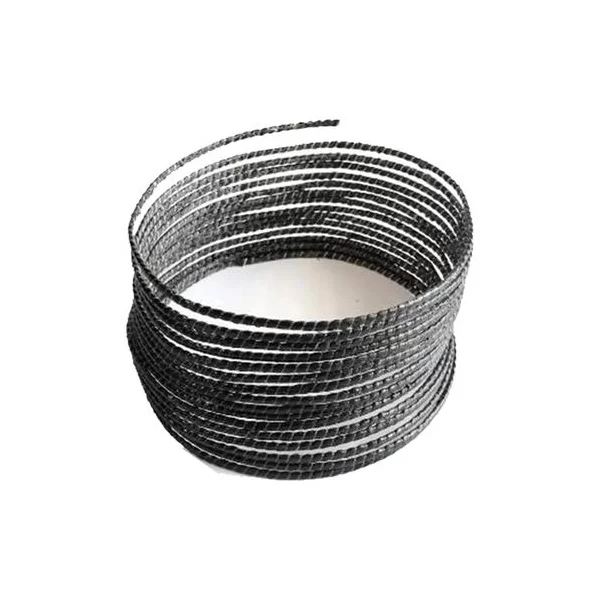
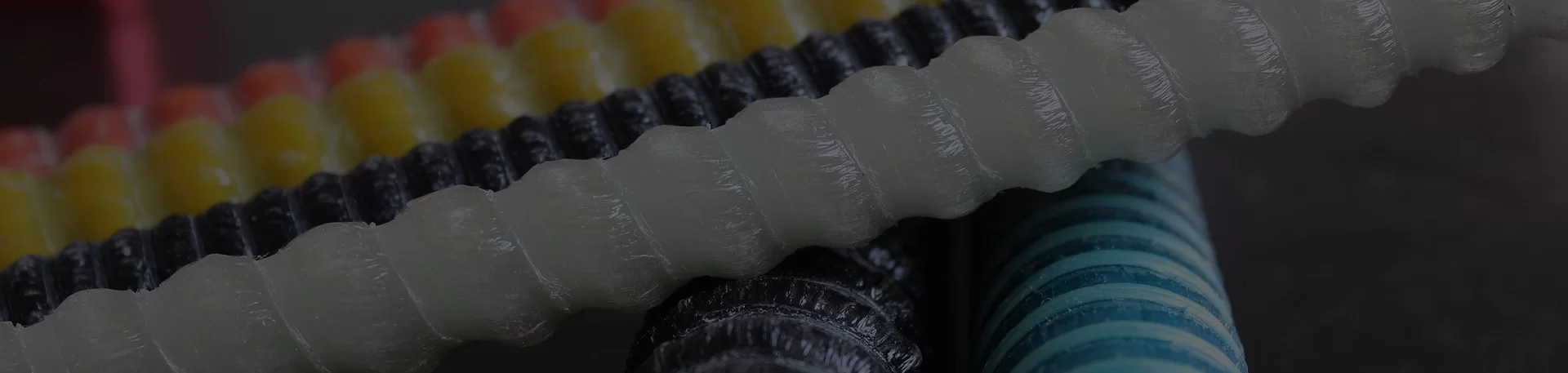
Economic factors also play a crucial role. The cost of importing materials can be high, impacting project budgets. Increased local production of fiber glass rebar and other fiberglass components would help reduce costs and stimulate economic growth.