Fiberglass Products for Dutch Infrastructure

Fiberglass Products for Dutch Infrastructure

Innovative composite solutions for a sustainable Netherlands.

Fiberglass Products for Dutch Infrastructure

Providing high-performance fiberglass solutions tailored for the Netherlands’ unique infrastructural demands.

The Current Landscape of Fiberglass in the Netherlands

Analyzing the market dynamics and application of fiberglass products within the Dutch environment.

The Netherlands, with its extensive network of waterways, dikes, and aging infrastructure, presents a unique environment for the adoption of fiberglass products. The country’s commitment to sustainability and water management drives demand for durable, corrosion-resistant materials. The flat terrain also means a substantial need for robust infrastructure solutions, particularly in transportation.

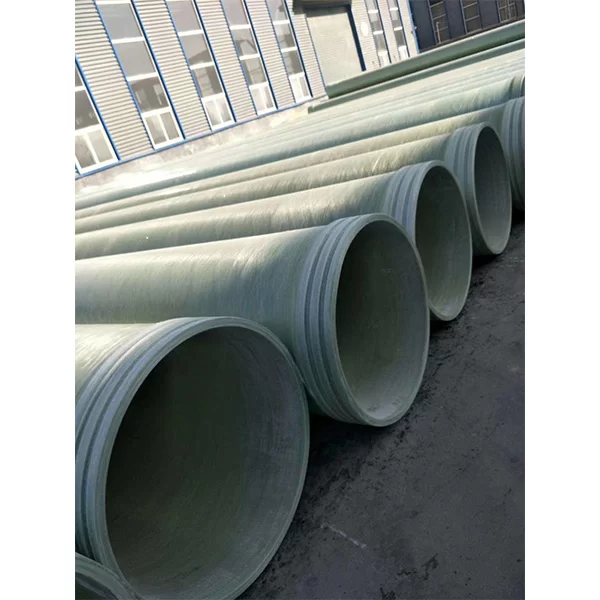
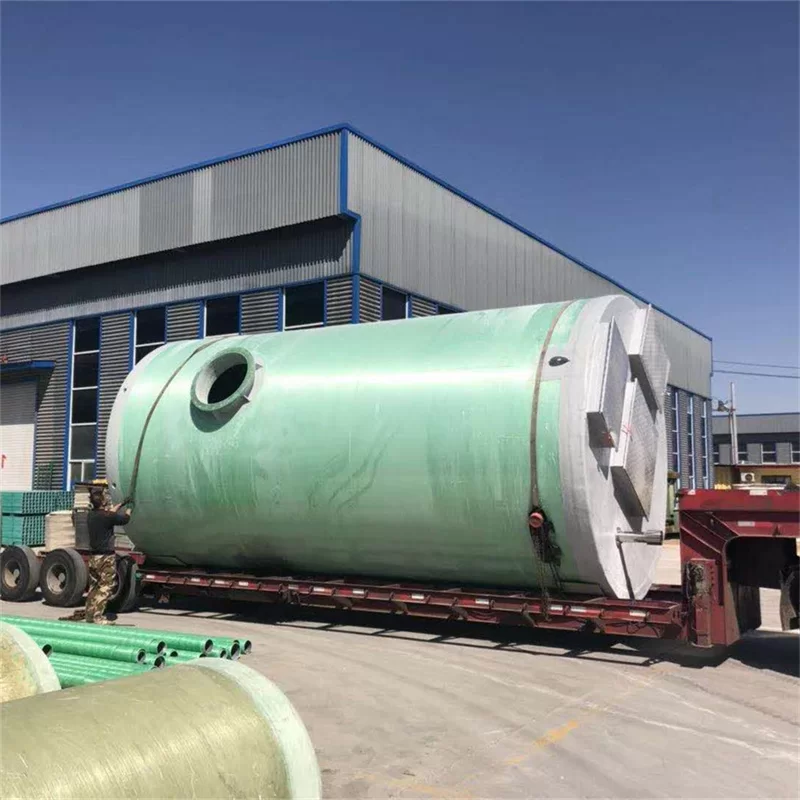
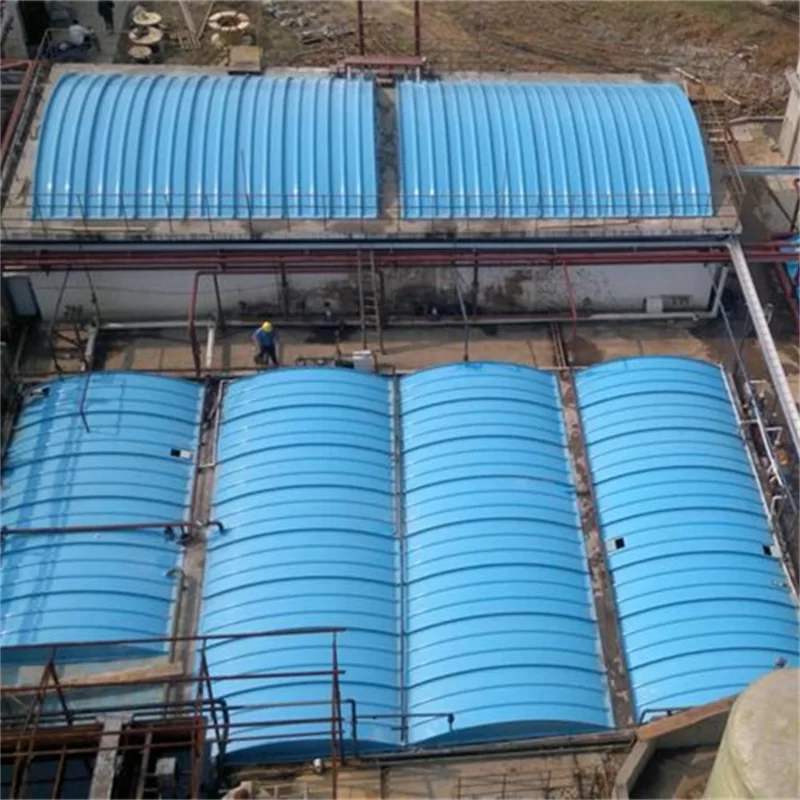
Historically, concrete and steel have been the dominant materials. However, the limitations of these materials – susceptibility to corrosion (especially in saline environments) and heavy weight – have spurred interest in alternatives. Fiberglass septic tank systems are gaining traction as cost-effective and environmentally friendly solutions for wastewater treatment, particularly in rural areas where traditional infrastructure is limited.

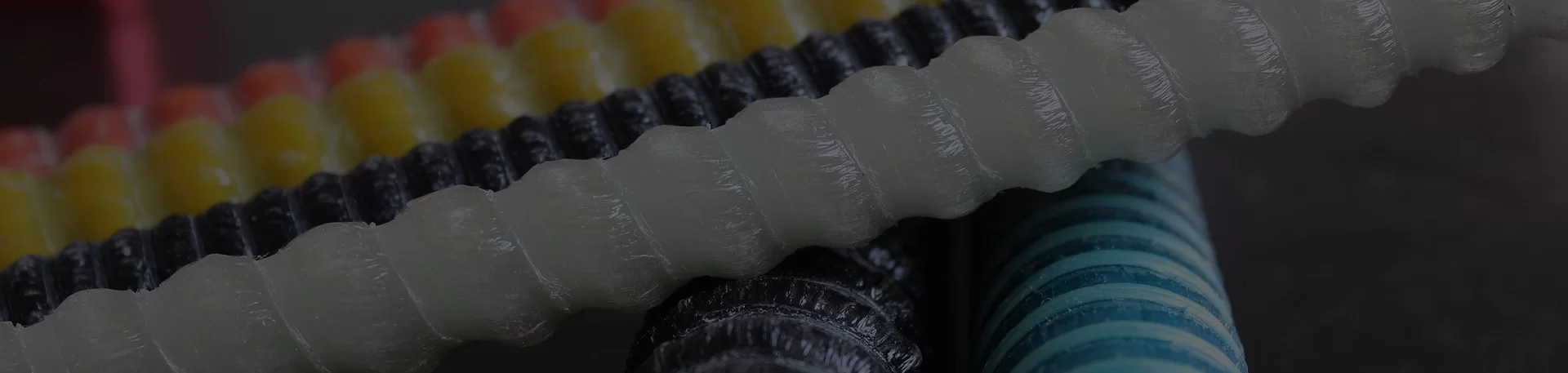
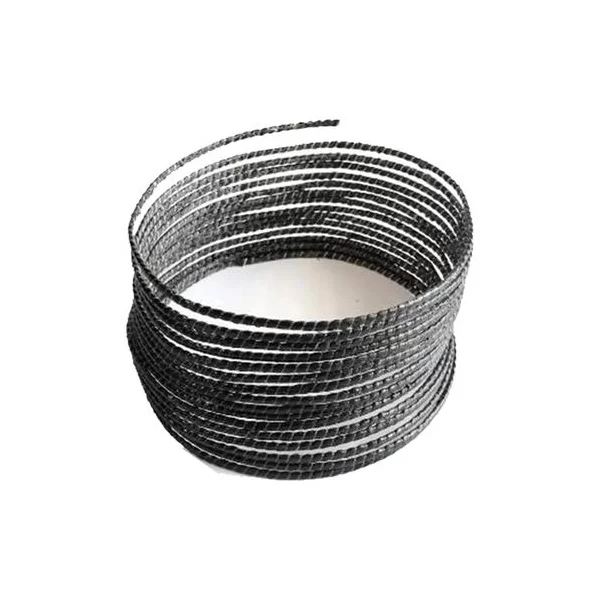
The Dutch focus on innovation and circular economy principles further accelerates the demand for lightweight and long-lasting materials. This translates into increasing opportunities for fiber glass rebar in concrete structures, enhancing their durability and reducing maintenance costs. The country’s stringent quality standards also require suppliers to demonstrate superior product performance and reliability.
Evolution of Fiberglass Technology and its Adoption in the Netherlands

Tracing the development of fiberglass reinforced plastics and its growing presence in Dutch applications.

Market Development History

The use of fiberglass began to gain momentum in the mid-20th century, primarily in the marine and automotive industries. Early applications focused on basic molding and lightweight components. Around the 1970s, advancements in resin technology led to improved strength and durability, broadening the scope of applications.

In the Netherlands, the initial adoption of fiberglass was primarily in boat building, leveraging its corrosion resistance in the harsh marine environment. The 1990s saw increasing use in construction, with carbon fiber reinforcement starting to appear in specialized projects. The early 2000s marked a turning point with the growing awareness of sustainability and the need for long-lasting infrastructure.

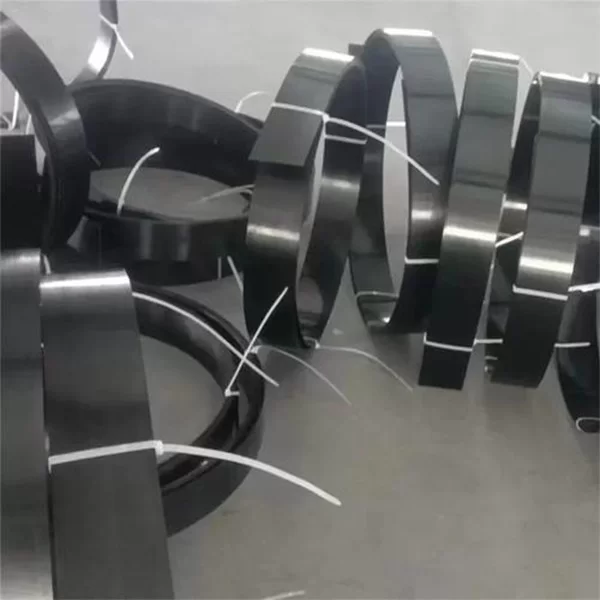
The last decade has witnessed a rapid expansion of fiberglass applications, spurred by advancements in manufacturing techniques, such as pultrusion and resin transfer molding. These technologies enable the production of complex shapes and high-performance components, driving down costs and expanding the market. Fiberglass guardrail mesh began to replace steel in many highway projects due to its safety and low maintenance properties.

Future Development Trends

Enhanced Resin Systems

Research and development are focusing on bio-based resins and thermoplastic fiberglass composites, reducing reliance on petroleum-based materials and improving recyclability. Google Trends data indicates a growing search interest in "bio-based composites" within the European region.

Smart Composites

Integration of sensors and monitoring systems within fiberglass structures – “smart composites” – will enable real-time assessment of structural health and predictive maintenance. This trend aligns with the Netherlands’ investment in smart infrastructure.

Automated Manufacturing

Increased automation in fiberglass production processes will improve efficiency, reduce labor costs, and enhance product consistency. Robotic fiber placement and automated pultrusion are expected to become more prevalent.

Industry Trends and Future Outlook for Fiberglass in the Netherlands

Exploring emerging trends and forecasting the future of fiberglass applications in the Dutch market.

Sustainable Materials Adoption
Increasing demand for eco-friendly fiberglass solutions, driven by Dutch environmental regulations and circular economy initiatives.
Infrastructure Modernization
Government investment in upgrading canals, bridges, and dikes will fuel demand for durable fiberglass components.
Water Management Solutions
Increasing focus on water storage and flood protection drives demand for fiberglass septic tank and other water management systems.
Corrosion Resistance
Fiberglass’ inherent resistance to corrosion is crucial for applications in the Netherlands' saline and wet environments.

Industry Outlook

The Dutch fiberglass market is poised for continued growth, driven by sustainability initiatives, infrastructure investments, and technological advancements. Increased adoption of lightweight materials and a focus on extending the lifespan of infrastructure projects will be key drivers.

Collaboration between fiberglass manufacturers, research institutions, and government agencies will be crucial to developing and implementing innovative solutions. The Netherlands’ position as a leading center for water management and sustainable technology positions it as a key market for advanced fiberglass applications.

Localized Application Scenarios in the Netherlands

Specific use cases of fiberglass products within the Dutch landscape and infrastructure.

1. Canal Lock Gates

Fiberglass reinforced polymers are increasingly used in the construction of canal lock gates due to their lightweight nature, corrosion resistance, and long service life. The Dutch canal network benefits from reduced maintenance and increased operational efficiency.

2. Wind Turbine Blades

The Netherlands is a significant player in wind energy. Fiberglass composites remain a core material for wind turbine blade manufacturing, capitalizing on their strength-to-weight ratio and ability to withstand harsh weather conditions.

3. Marine Infrastructure

Fiberglass pilings and docks offer a durable and low-maintenance alternative to traditional timber and concrete structures in harbors and coastal areas. This is particularly relevant for the Dutch coastline and inland waterways.

4. Roadside Safety Barriers

Fiberglass guardrail mesh provides enhanced safety for Dutch highways, offering improved energy absorption and reduced maintenance costs compared to traditional steel barriers.

5. Agricultural Structures

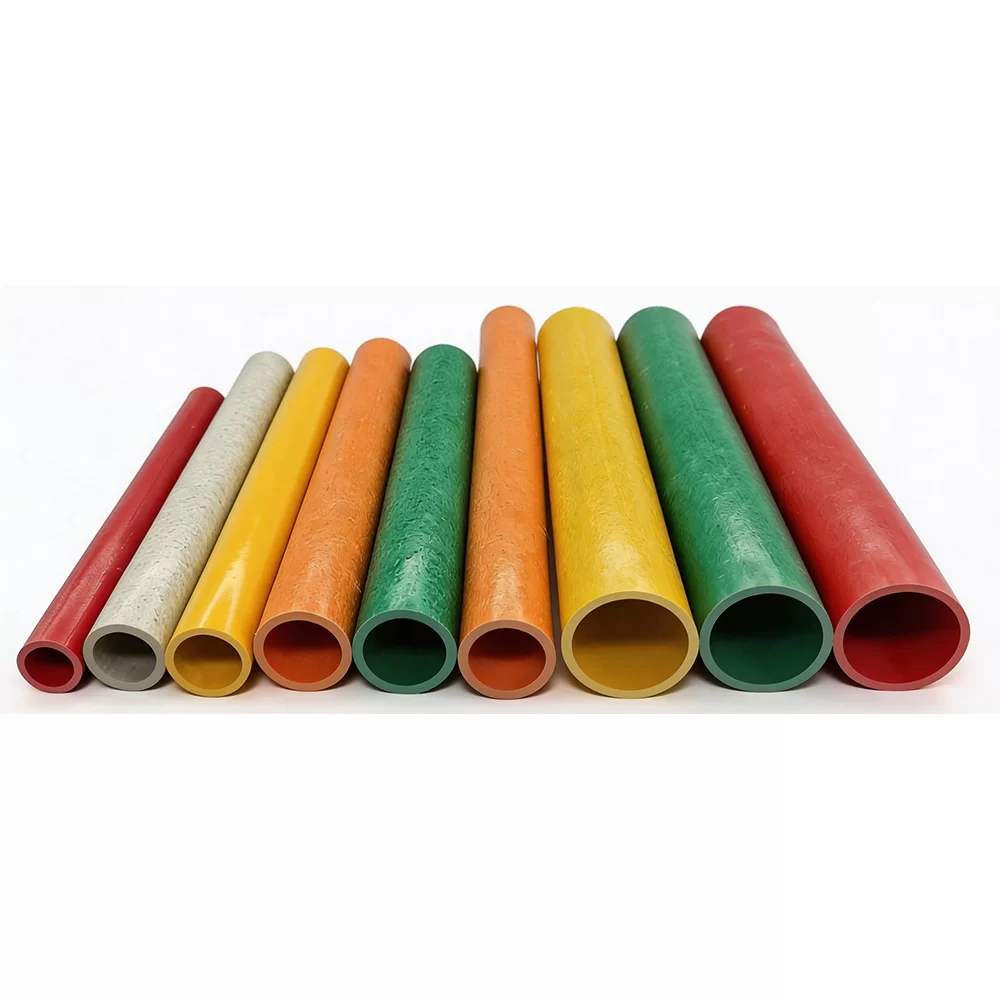
Fiberglass profiles are utilized in the construction of greenhouses and agricultural buildings, offering resistance to harsh weather conditions and corrosive environments, common in Dutch agriculture.

Brand Story

The global development journey of Hebei Zhongtian Composite Materials Group Co., Ltd.

Foundation & Innovation

Established in 2003, Hebei Zhongtian Composite Materials Group Co., Ltd. began as a pioneer in fiberglass manufacturing, dedicated to developing high-performance materials for diverse industries.

Technological Advancement

Throughout the 2010s, we invested heavily in research and development, resulting in innovative fiberglass formulations and advanced manufacturing processes.

Global Expansion

In 2018, we expanded our reach globally, establishing partnerships and serving clients across Europe, Asia, and the Americas.

Sustainability Focus

We are committed to sustainable manufacturing practices, including the use of eco-friendly resins and reducing our environmental footprint.

Customer-Centric Approach

Our mission is to provide customized fiberglass solutions that meet the unique needs of our clients, backed by exceptional customer service.

Complete Product Portfolio for the Region

Offering a comprehensive range of fiberglass products specifically designed for the Dutch market.

Frequently Asked Questions – Local to the Netherlands

Addressing common inquiries about fiberglass products in the Dutch market.

What are the typical lead times for custom fiberglass components in the Netherlands?

Lead times vary depending on the complexity of the project and current production schedule, but typically range from 4-8 weeks for customized components. We prioritize clear communication throughout the process.

Do your fiberglass products comply with Dutch safety regulations for infrastructure applications?

Yes, our products undergo rigorous testing and are certified to meet all relevant Dutch safety standards for infrastructure, including those related to corrosion resistance and structural integrity.

What is the expected lifespan of a fiberglass septic tank compared to a concrete one in a Dutch climate?

Fiberglass septic tanks typically have a lifespan of 50+ years, significantly longer than concrete tanks, which are susceptible to cracking and corrosion in the Dutch climate. This translates to lower life cycle costs.

Can fiberglass rebar be used as a direct replacement for steel rebar in existing concrete structures in the Netherlands?

While fiberglass rebar offers superior corrosion resistance, a structural engineer assessment is recommended to ensure compatibility with existing concrete structures and load requirements.

What maintenance is required for fiberglass guardrail systems installed along Dutch highways?

Fiberglass guardrail systems require minimal maintenance, typically limited to periodic inspections for damage. They are highly resistant to corrosion and weathering, reducing the need for painting or repairs.

Do you offer on-site installation services for fiberglass products in the Netherlands?

We work with a network of certified installers throughout the Netherlands to provide professional installation services for our fiberglass products. We can assist you in finding a qualified installer for your project.

Get in Touch with Our Fiberglass Experts

We are here to help you find the perfect fiberglass solution for your project in the Netherlands.

Contact Us Now

If you are interested in our products, you can choose to leave your information here, and we will be in touch with you shortly.