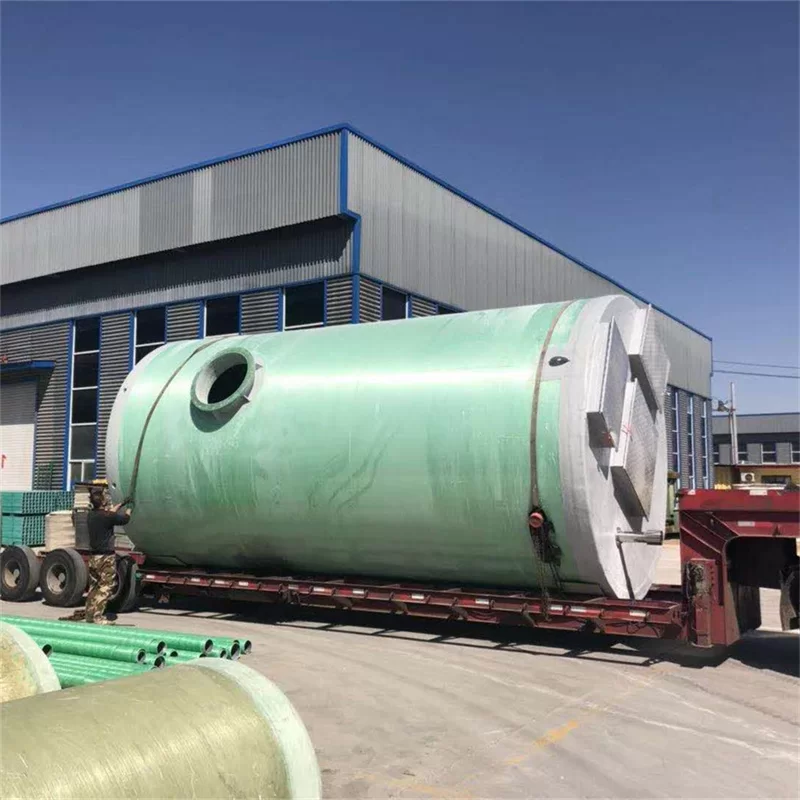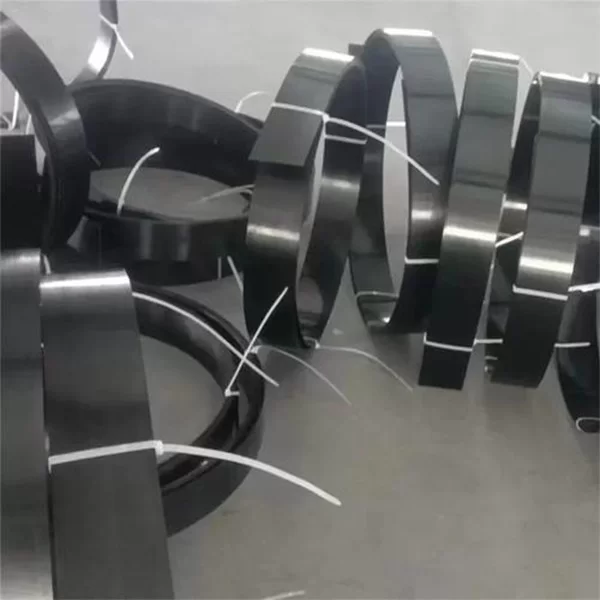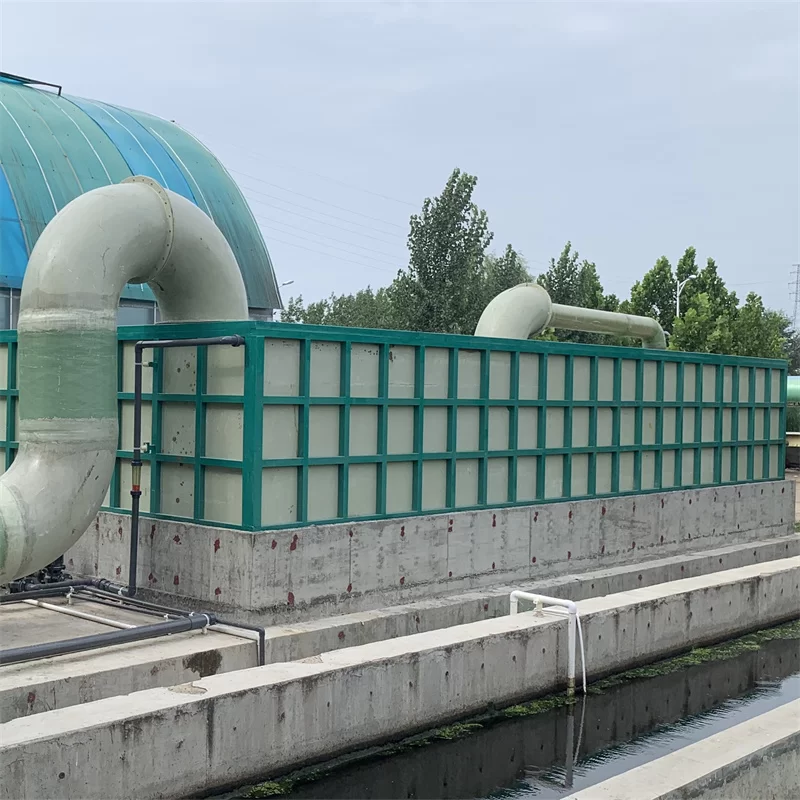
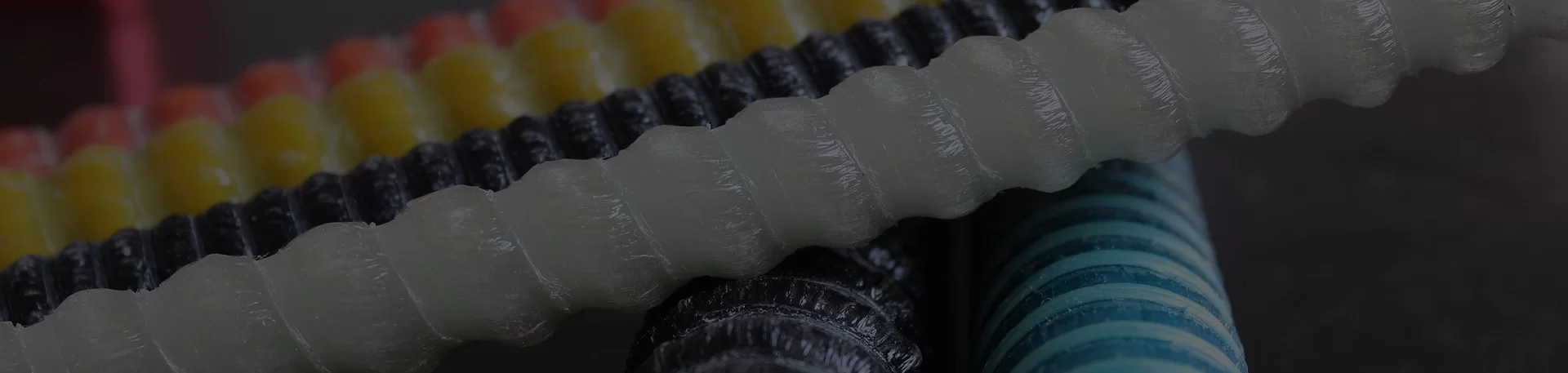
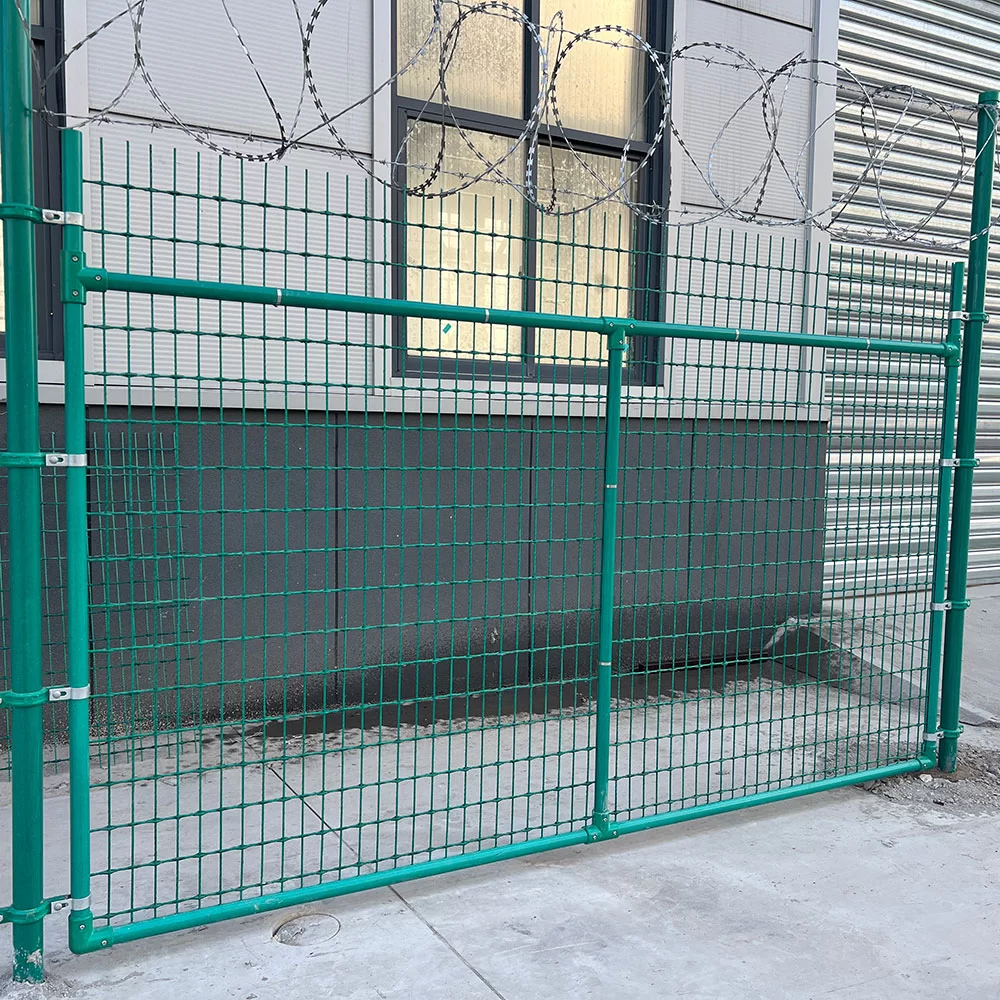
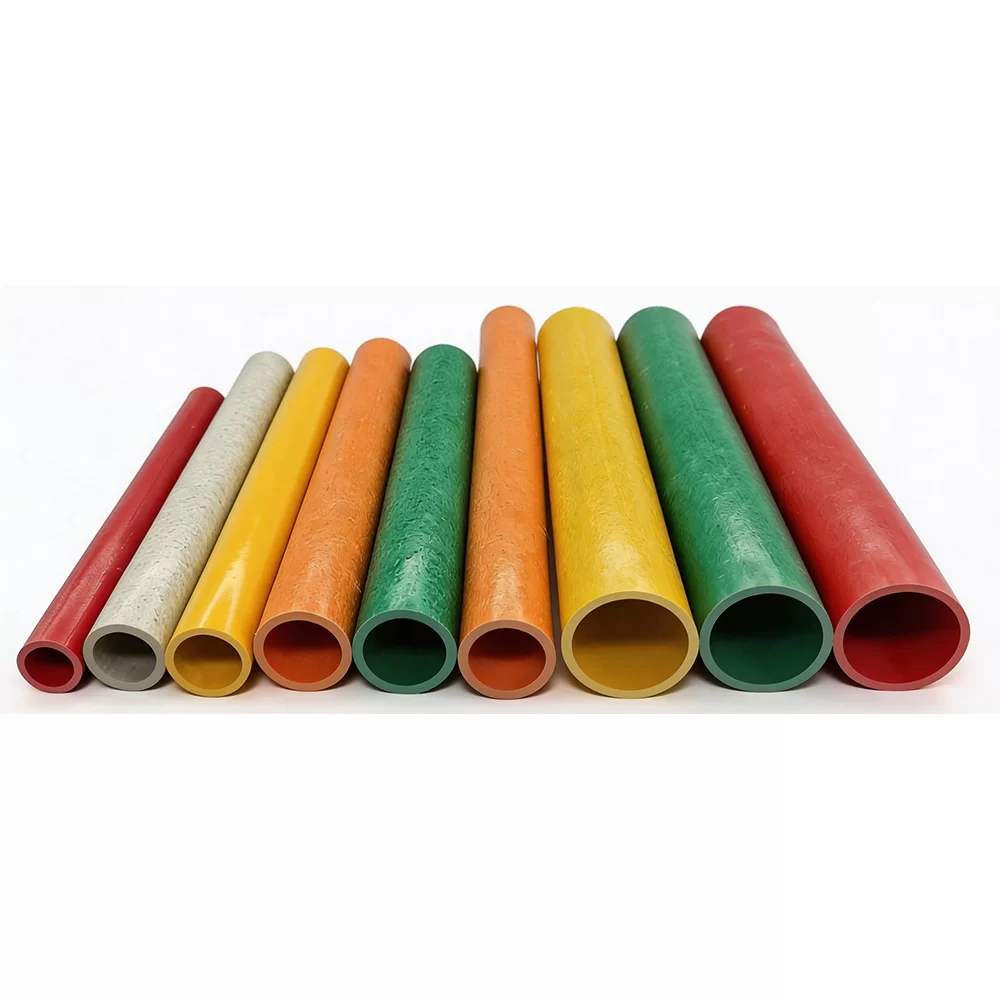
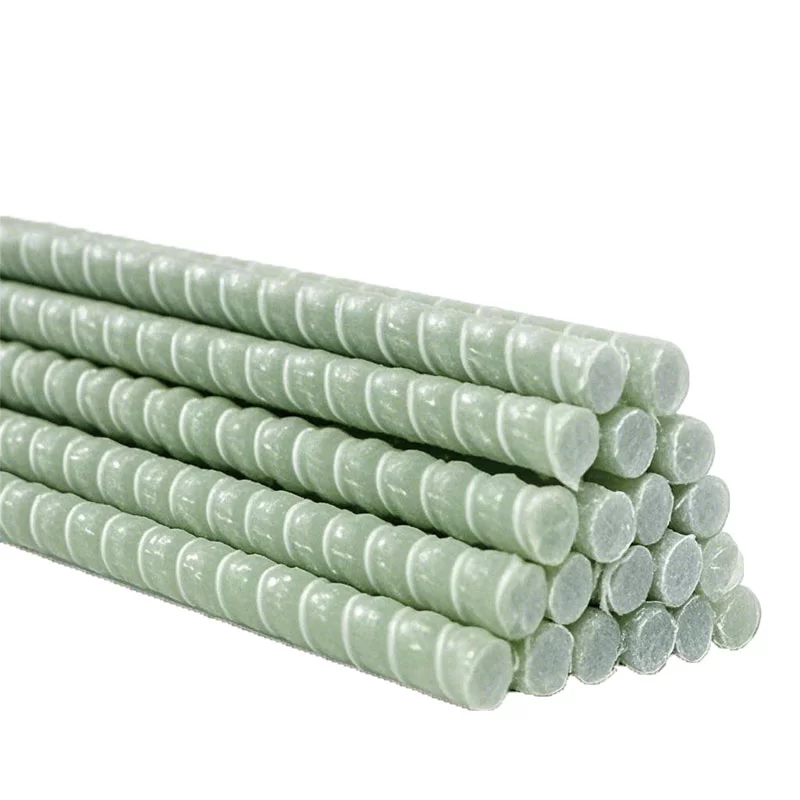
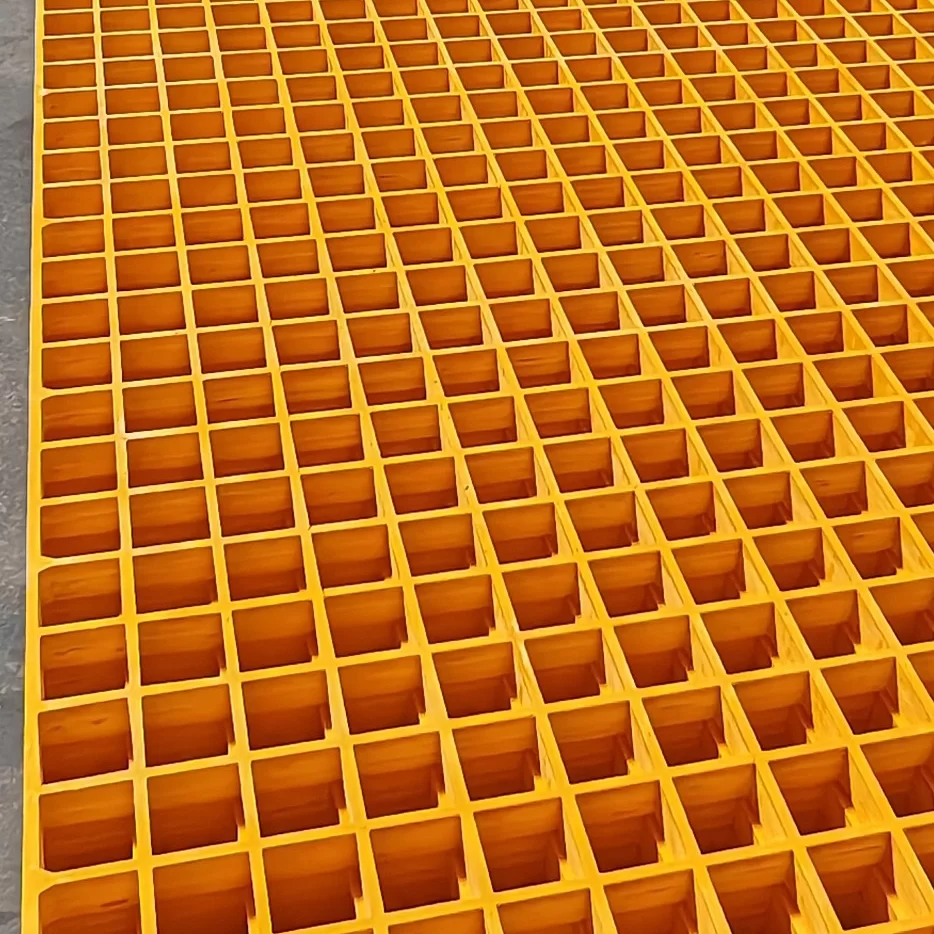
Uganda’s infrastructure development is rapidly expanding, driven by population growth and economic diversification. Traditional materials like steel and concrete face challenges related to corrosion, high maintenance costs, and transportation logistics, particularly in remote areas. This creates a significant opportunity for fiberglass products, offering lightweight, durable, and cost-effective alternatives.
The Ugandan climate, characterized by high humidity and seasonal rainfall, accelerates the degradation of conventional building materials. Fiberglass septic tank systems, for example, are particularly well-suited for the local environment, resisting corrosion and providing reliable wastewater management. Furthermore, the increasing demand for sustainable solutions is driving interest in eco-friendly materials like fiberglass.
However, the adoption of fiberglass composites is currently limited by factors such as a lack of awareness among construction professionals, the perception of higher upfront costs, and limited local manufacturing capacity. Overcoming these barriers will require targeted education, demonstration projects, and investment in local production facilities.