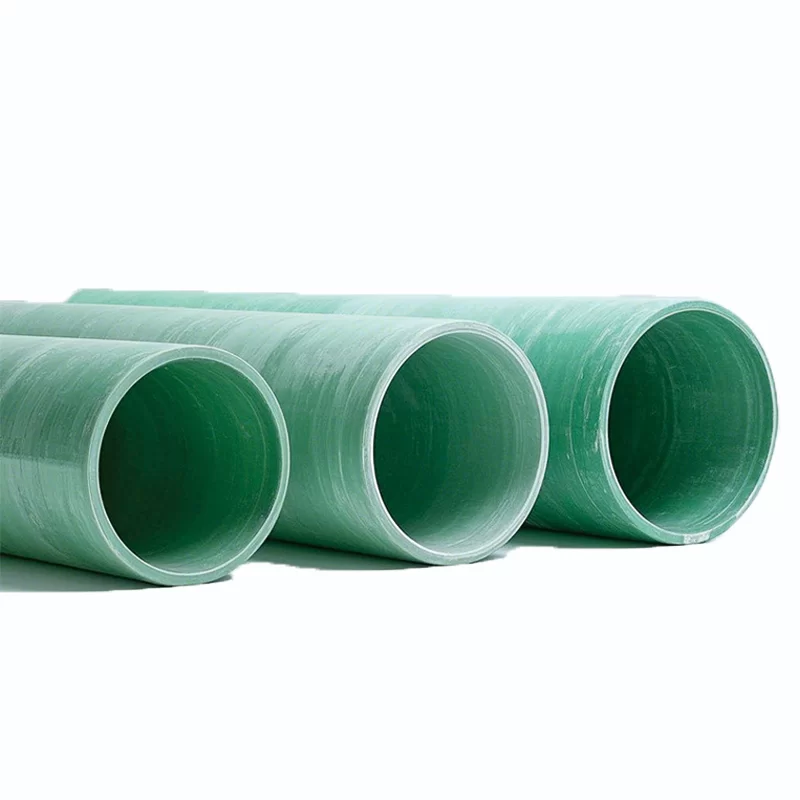
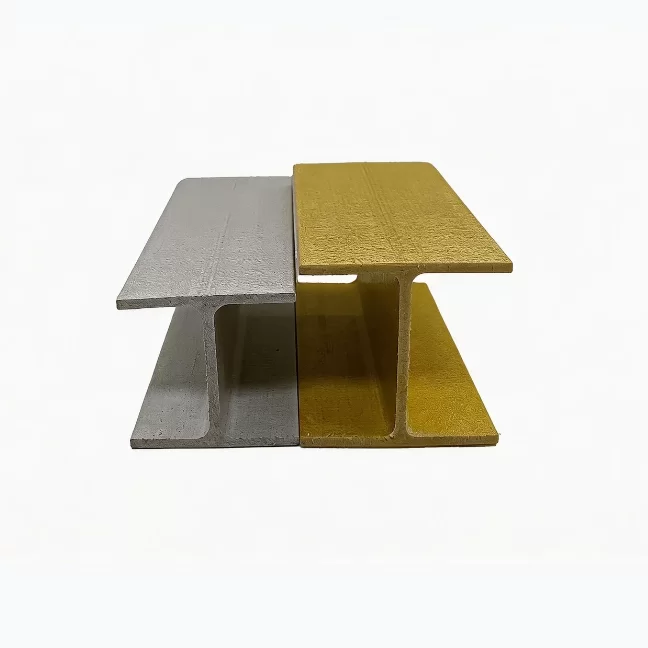
Cameroon, with its developing infrastructure and growing population, faces increasing demands for robust and cost-effective building materials. The country's humid climate and varying soil conditions present unique challenges for traditional construction materials, creating opportunities for fiberglass products. Currently, the adoption rate of fiberglass reinforced plastics (FRP) is relatively low, primarily due to limited awareness, higher initial costs compared to conventional materials, and a lack of specialized installation expertise.
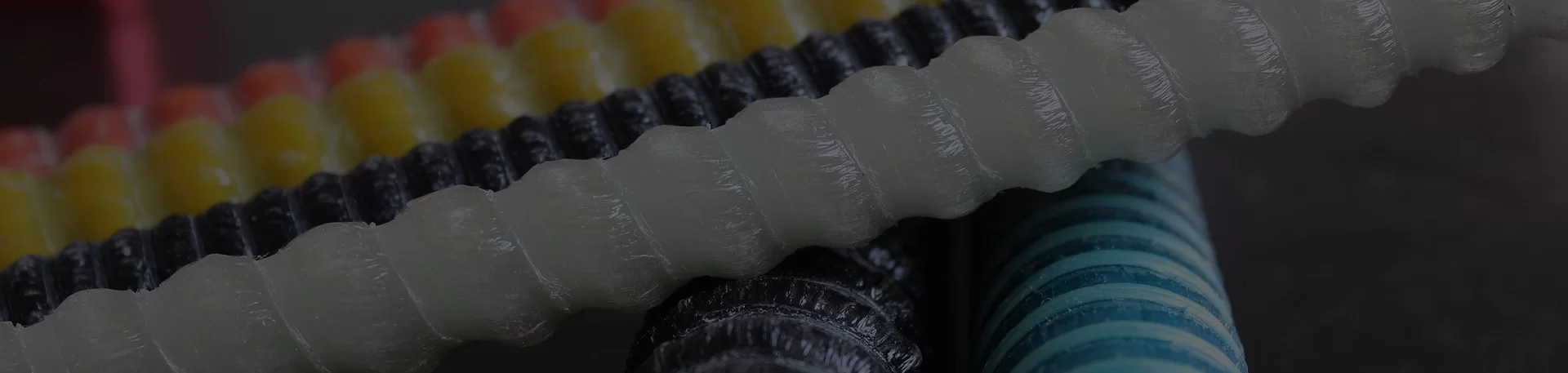
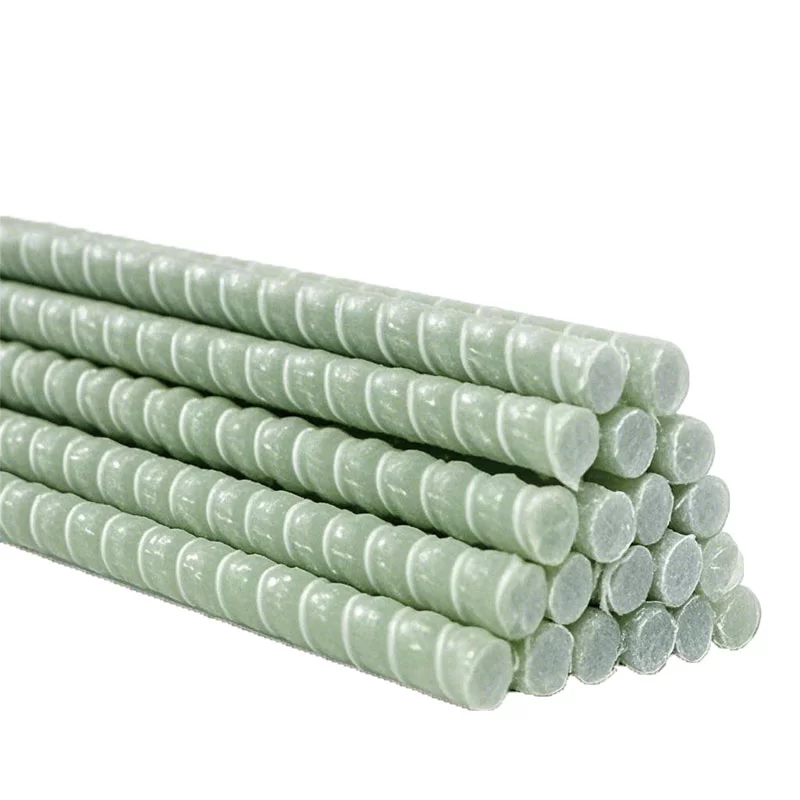
The agricultural sector in Cameroon, a significant contributor to the nation's economy, presents a substantial market for fiberglass septic tank systems, particularly in rural areas where centralized sewage infrastructure is lacking. Similarly, the coastal regions are susceptible to corrosion, making fiber glass rebar a viable alternative to steel reinforcement in concrete structures. Importation dominates the current supply chain, which causes higher costs.
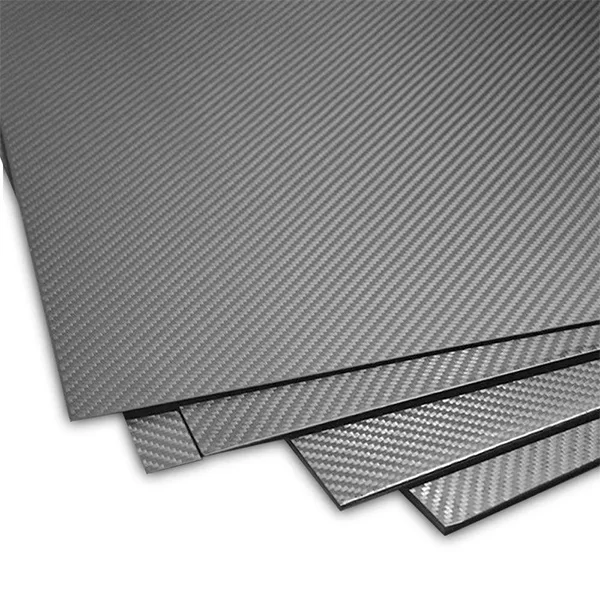
However, increased government investment in infrastructure projects, coupled with a growing emphasis on sustainable construction practices, is gradually driving demand for FRP materials. The need for durable and lightweight solutions in water management, sanitation, and transportation is fueling the exploration of carbon fiber reinforcement and other advanced composite materials. Local production is still in its nascent stages.