Fiberglass Septic Tank Solutions for Laos

Fiberglass Septic Tank Solutions for Laos

Providing durable and cost-effective composite solutions to meet the growing infrastructure needs of Laos.

Fiberglass Septic Tank Solutions for Laos

Offering high-quality fiberglass septic tanks designed for the unique environmental conditions and infrastructure requirements of Laos.

Current State of Fiberglass Products in Laos

An overview of the fiberglass industry landscape and market dynamics in Laos.

Laos, a developing nation in Southeast Asia, is experiencing increased demand for durable and cost-effective infrastructure materials. Fiberglass products are gaining traction as a superior alternative to traditional materials like concrete and steel, particularly in applications requiring corrosion resistance and lightweight construction. The agricultural sector's growth is driving demand for robust storage tanks and irrigation systems.

However, the fiberglass industry in Laos is still relatively nascent. Limited local manufacturing capabilities mean that a significant portion of fiberglass septic tanks and other composite materials are imported. This presents both challenges – increased costs and longer lead times – and opportunities for investment in local production facilities.

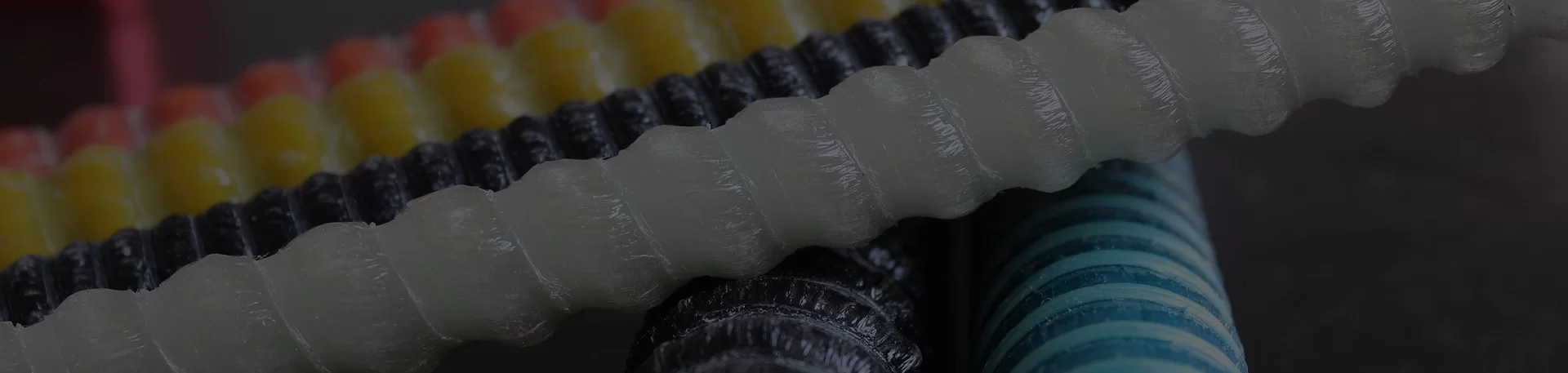
The country's monsoon climate and humid environment necessitate materials that can withstand prolonged exposure to moisture and temperature fluctuations. Fiber glass rebar and other corrosion-resistant fiberglass composites are therefore highly sought after in construction projects aimed at improving infrastructure resilience.
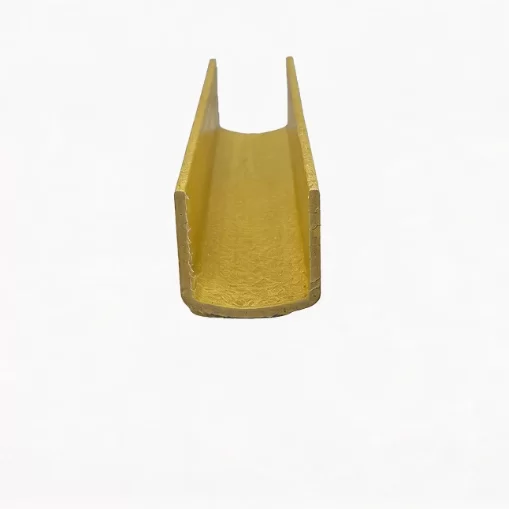
Evolution of Fiberglass Composites in Laos

Tracing the development of fiberglass technology and its adoption within the Laotian market.

Market Development History

Prior to the 2000s, the use of fiberglass in Laos was minimal, largely limited to small-scale applications and imported goods. The early 2000s witnessed a gradual increase in awareness and demand, driven by the expansion of the construction and agricultural sectors. Carbon fiber reinforcement began appearing in specialized projects, though at a premium cost.

The period between 2010 and 2020 saw a significant uptick in the importation of fiberglass products, particularly septic tanks and roofing sheets. This was fueled by government initiatives focused on improving sanitation and housing infrastructure. Local awareness grew through construction projects and product demonstrations.

From 2020 onwards, there’s been increasing interest in establishing local fiberglass manufacturing facilities to reduce reliance on imports and capitalize on growing demand. Focus shifted toward environmentally friendly and sustainable building materials.

Future Development Trends

Increased Use of Bio-Resins

The demand for sustainable materials will drive the adoption of bio-based resins in fiberglass production, minimizing environmental impact.

Automation and Advanced Manufacturing

Investments in automated manufacturing processes will improve efficiency, reduce costs, and enhance product quality.

Development of Local Expertise

Training programs and knowledge transfer initiatives will build local capacity in fiberglass design, manufacturing, and installation.

Industry Trends and Future Outlook for Fiberglass in Laos

A forward-looking assessment of the fiberglass market in Laos.

Growing Demand in Water Management
Increased investment in irrigation projects and water treatment facilities will drive demand for durable fiberglass pipes and tanks.
Infrastructure Development
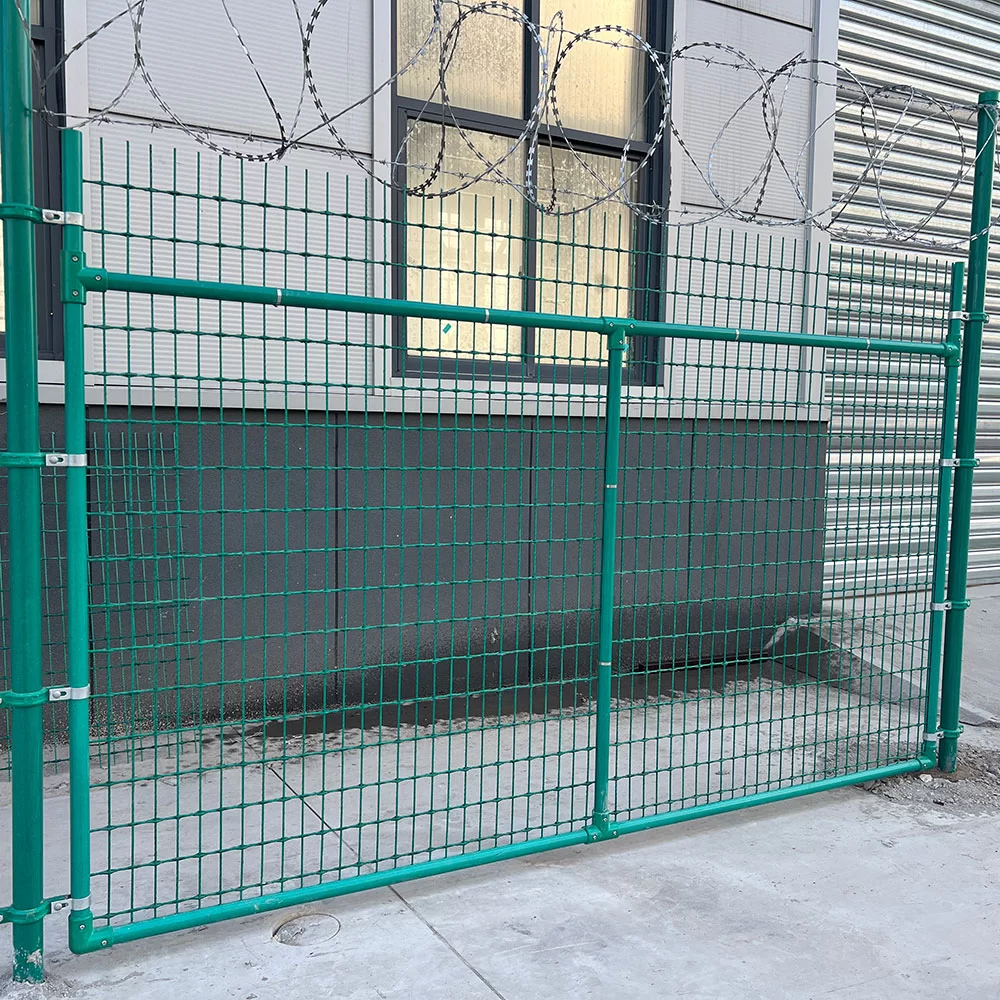
Government initiatives focused on improving road networks and bridges will create opportunities for fiberglass guardrail mesh and structural components.
Housing and Construction Boom
The growing population and increasing urbanization will drive demand for affordable and durable housing materials, including fiberglass roofing and wall panels.
Sustainable Agriculture
Farmers are increasingly adopting fiberglass solutions for water storage, irrigation, and livestock housing due to their durability and resistance to corrosion.

Industry Outlook

The Laotian fiberglass market is poised for significant growth in the coming years, driven by infrastructure development, sustainable agriculture practices, and increasing awareness of the benefits of composite materials. Government support for local manufacturing will be crucial in realizing this potential.

Market research suggests a projected annual growth rate of 8-12% over the next five years. Key opportunities lie in developing specialized fiberglass products tailored to the unique needs of the Laotian market.

Local Application Scenarios for Fiberglass Products in Laos

Illustrative examples of how fiberglass composites are being utilized in Laos.

1. Rural Sanitation - Fiberglass Septic Tank Implementation

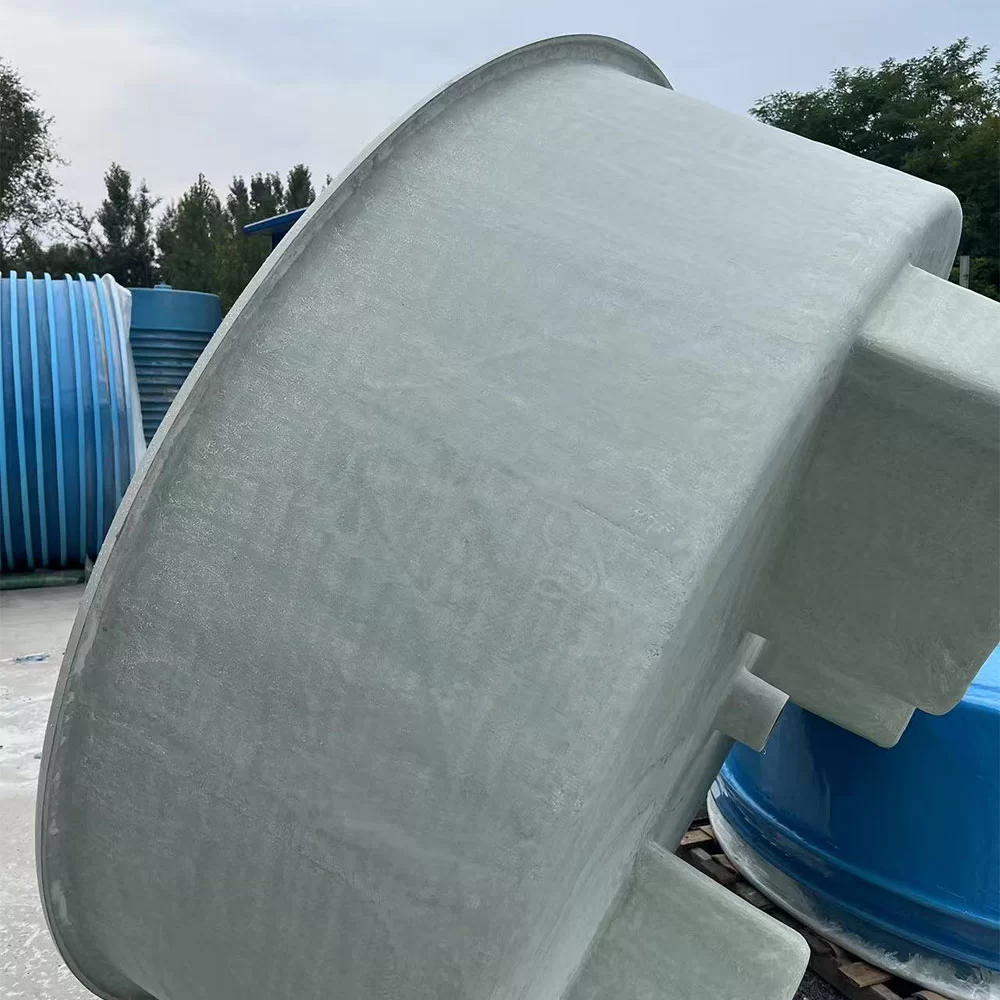
In rural communities lacking access to centralized sewage systems, durable and affordable fiberglass septic tanks are providing a vital sanitation solution. These tanks are lightweight, easy to install, and resistant to the corrosive effects of soil and wastewater.

2. Agricultural Water Storage

Farmers are utilizing large-capacity fiberglass water tanks to store rainwater and irrigation water, ensuring a reliable water supply during the dry season. These tanks offer superior durability and prevent water contamination.

3. Road and Bridge Reinforcement

Fiber glass rebar is being incorporated into road and bridge construction projects to enhance structural integrity and extend service life, particularly in areas prone to seismic activity and corrosion.

4. Fishing Boat Construction

Local boat builders are adopting fiberglass reinforced plastics (FRP) to construct durable and lightweight fishing boats. FRP boats offer improved fuel efficiency and require less maintenance compared to traditional wooden vessels.

5. Rural School Roofing

Lightweight and durable fiberglass roofing sheets are being installed on rural schools, providing protection from the elements and reducing construction costs.

Brand Story

Hebei Zhongtian Composite Material Group Co., Ltd.'s global development journey

Established Expertise

Founded in 2008, Hebei Zhongtian Composite Material Group Co., Ltd. has rapidly become a leading manufacturer of high-quality fiberglass products.

Technological Innovation

We invest heavily in research and development to continuously improve our products and processes, ensuring we stay at the forefront of the industry.

Global Reach

We serve customers in over 50 countries, providing customized solutions to meet their specific needs.

Commitment to Quality

We adhere to stringent quality control standards to ensure our products meet the highest levels of performance and reliability.

Sustainable Solutions

We are committed to developing environmentally friendly products and processes that minimize our impact on the planet.

Complete Product Portfolio for the Laotian Market

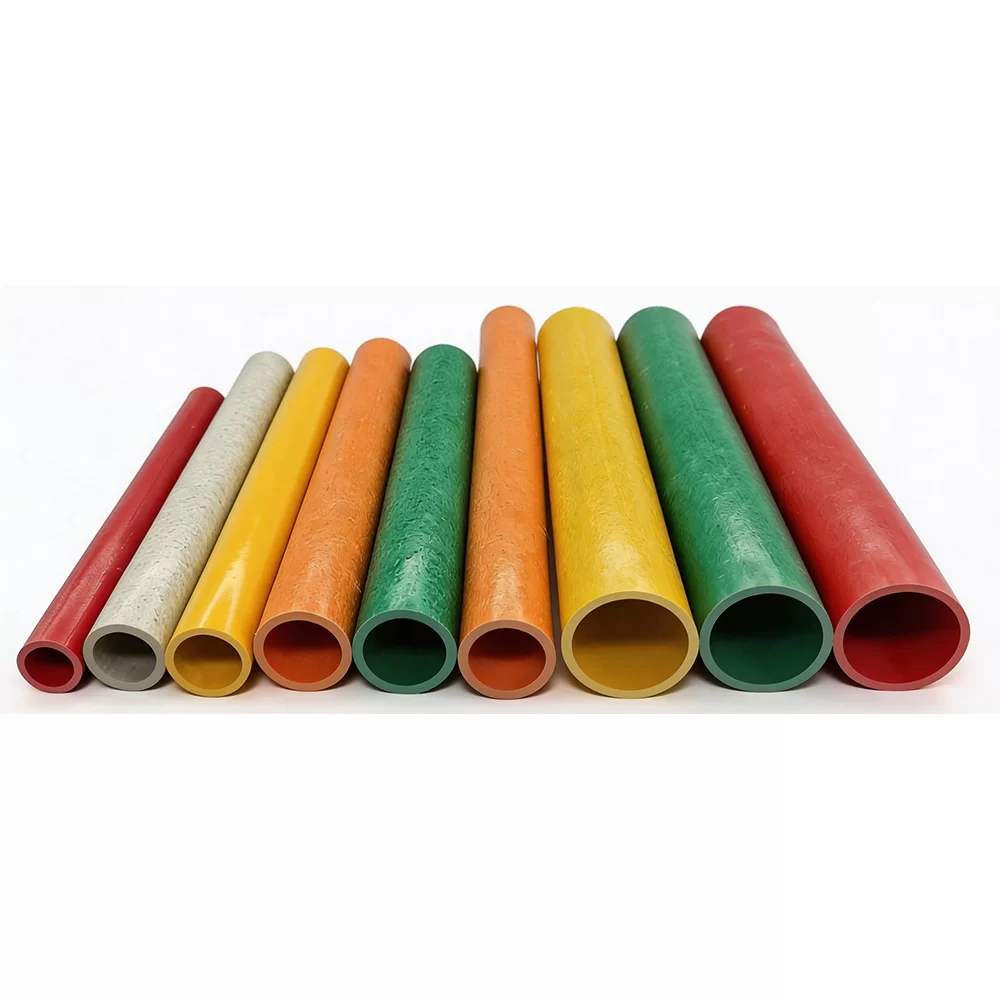
A comprehensive range of fiberglass products designed to meet the demands of various industries in Laos.

Frequently Asked Questions About Fiberglass Products in Laos

Answers to common questions about the use and benefits of fiberglass composites in Laos.

What are the key benefits of using fiberglass septic tanks compared to traditional concrete tanks in Laos?

Fiberglass septic tanks are significantly lighter than concrete tanks, making them easier to transport and install. They are also corrosion-resistant, offering a longer lifespan and reducing maintenance costs. Moreover, they are watertight, preventing groundwater contamination.

How does fiberglass rebar perform in the humid climate of Laos?

Fiberglass rebar is exceptionally well-suited for humid climates. Unlike steel rebar, it does not corrode, eliminating the risk of structural weakening due to rust. This makes it an ideal choice for construction projects in Laos, where high humidity levels are prevalent.

Is carbon fiber reinforcement a cost-effective solution for infrastructure projects in Laos?

While carbon fiber reinforcement is more expensive than traditional materials upfront, its superior strength and durability can result in long-term cost savings due to reduced maintenance and increased structural lifespan. It's best suited for projects where weight reduction and high strength are critical.

What is the lifespan of fiberglass guardrail mesh compared to metal guardrails in Laos?

Fiberglass guardrail mesh offers a significantly longer lifespan than metal guardrails, as it is resistant to corrosion and fatigue. This reduces the need for frequent replacements, lowering life-cycle costs and improving road safety.

Are fiberglass products environmentally friendly and sustainable for construction in Laos?

Fiberglass products are generally considered more environmentally friendly than traditional materials like concrete and steel. They require less energy to produce, have a longer lifespan, and can be recycled. Using bio-based resins further enhances their sustainability.

How does the cost of fiberglass septic tank installation compare to concrete tank installation in Laos, considering labor and transportation?

While the initial cost of a fiberglass septic tank may be slightly higher, the overall installation cost is often lower due to its lighter weight. This translates to reduced labor costs for handling and placement, as well as lower transportation expenses, especially in remote areas of Laos.

Get in Touch with Us

We are dedicated to providing high-quality fiberglass solutions for your projects in Laos. Contact us today to learn more.

Contact Us Now

If you are interested in our products, you can choose to leave your information here, and we will be in touch with you shortly.