Fiberglass Septic Tank Solutions for Papua New Guinea

Fiberglass Septic Tank Solutions for Papua New Guinea

Delivering durable and cost-effective composite solutions to meet the infrastructure needs of Papua New Guinea.

Fiberglass Septic Tank Solutions for Papua New Guinea

Providing high-quality fiberglass septic tanks designed for the unique environmental conditions of Papua New Guinea, ensuring reliable wastewater management.

Current State of Fiberglass Products in Papua New Guinea

Analyzing the demand and challenges of fiberglass products within the Papua New Guinean market.

Papua New Guinea faces unique infrastructure challenges due to its diverse geography and climate. The demand for durable and corrosion-resistant materials is high, particularly in coastal regions prone to saltwater intrusion and areas with high humidity. Currently, the market for fiberglass products is growing, but reliance on imports is common. This presents logistical hurdles and increased costs.

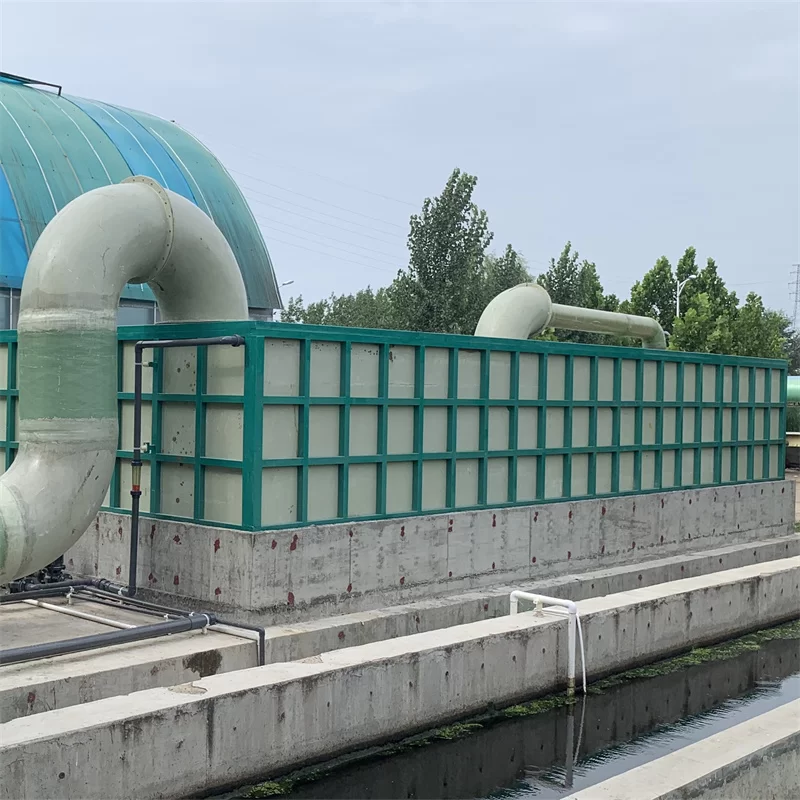
The limited local manufacturing capacity for fiberglass septic tank and other composite structures leads to longer project timelines and dependency on external suppliers. Moreover, awareness regarding the long-term benefits and cost-effectiveness of fiberglass over traditional materials like concrete is still developing.

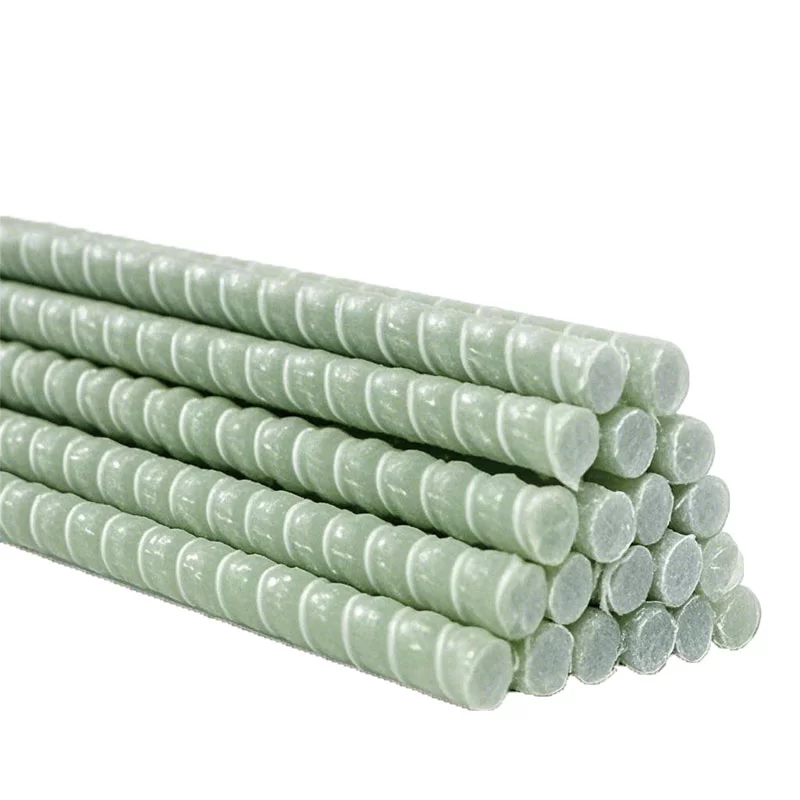
Existing wastewater management systems in many areas are inadequate, creating an urgent need for effective and sustainable solutions. Fiber glass rebar and other reinforcement materials are underutilized despite their potential to enhance structural integrity and durability in challenging environments.
Historical Development and Current Trajectory of Fiberglass Composites

Tracing the evolution of fiberglass technology and its increasing relevance in Papua New Guinea.

Market Development History

The use of fiberglass-reinforced plastics (FRP) began gaining traction globally in the 1950s, primarily in the marine and automotive industries. Early applications focused on lightweight and corrosion-resistant components. The 1980s saw increased adoption in infrastructure projects, including piping and storage tanks.

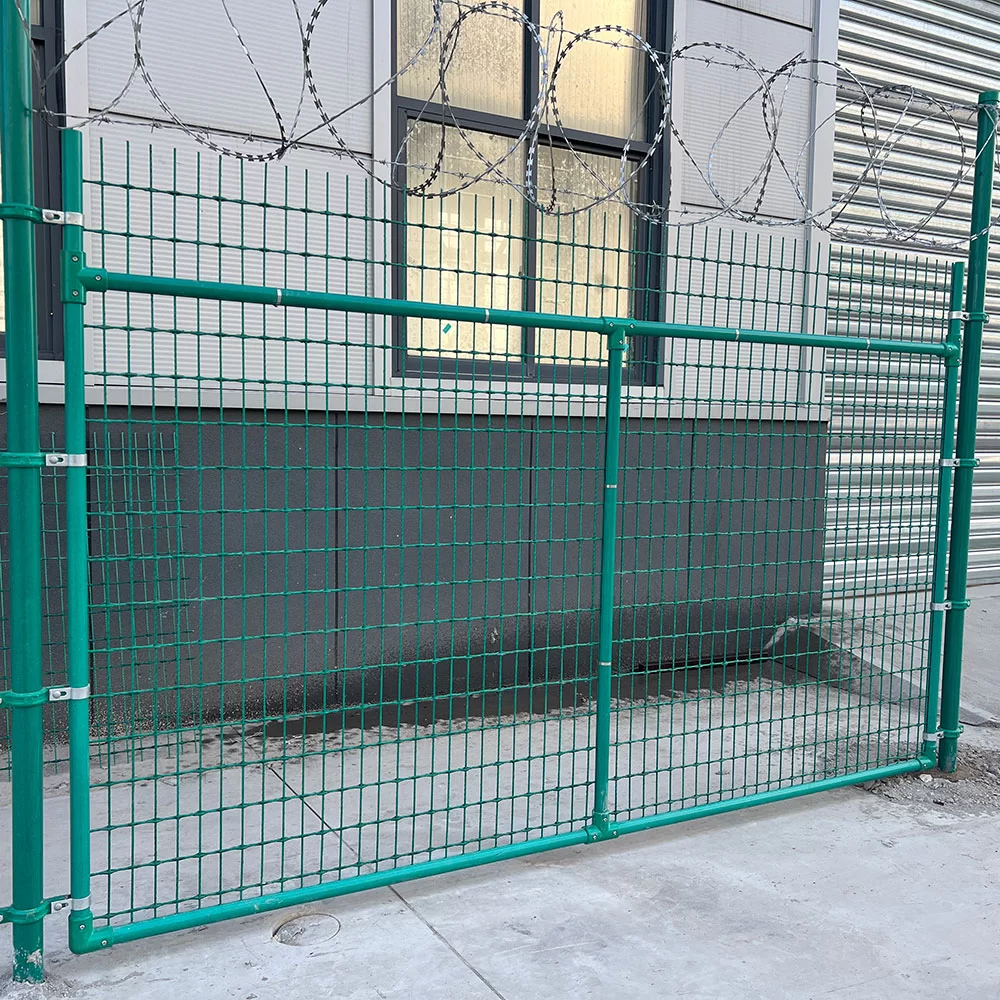
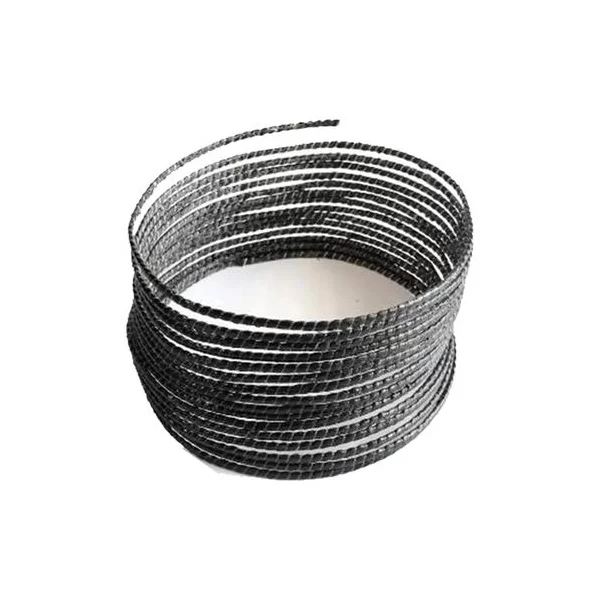
In the 1990s, advancements in resin technology and manufacturing processes led to improved strength-to-weight ratios and cost reductions. This broadened the application scope of carbon fiber reinforcement. The 21st century has witnessed the rise of specialized FRP applications, such as fiberglass guardrail mesh, driven by demand for durable and low-maintenance infrastructure solutions.

Papua New Guinea’s adoption of fiberglass technologies has been relatively recent, largely driven by import of finished products. However, growing awareness of its benefits is fostering a demand for local manufacturing capabilities. The increasing focus on sustainable infrastructure and disaster resilience is further accelerating this trend.

Future Development Trends

Enhanced Resin Systems

Future development will focus on bio-based resins and advanced thermoset materials, reducing environmental impact and improving performance. Expect more sustainable composite solutions.

Automation & Manufacturing Efficiency

Increased automation in fiberglass manufacturing will drive down costs and improve production speed. This includes robotic fiber placement and automated resin infusion processes.

Smart Composites & Sensor Integration

Integrating sensors into fiberglass structures will enable real-time monitoring of structural health and performance. This is particularly relevant for critical infrastructure applications.

Industry Trends and Future Outlook for Fiberglass in Papua New Guinea

Exploring the key trends shaping the future of fiberglass composites in the Papua New Guinean market.

Growing Demand for Wastewater Solutions
Increasing urbanization and environmental concerns will drive demand for effective wastewater treatment solutions, particularly fiberglass septic tanks.
Infrastructure Resilience
The need for infrastructure resilient to natural disasters, such as cyclones and earthquakes, will drive demand for durable fiberglass-reinforced structures.
Local Manufacturing Growth
Investment in local manufacturing facilities will reduce reliance on imports and create job opportunities within Papua New Guinea.
Sustainable Materials Adoption
Growing demand for environmentally friendly materials will favor fiberglass composites over traditional materials with higher carbon footprints.

Industry Outlook

The fiberglass industry in Papua New Guinea is poised for significant growth over the next 3-5 years, driven by infrastructure development, increasing environmental awareness, and demand for sustainable building materials. Government investment in sanitation and water management projects will play a crucial role.

Google Trends data indicates increasing search interest in "septic tanks" and "composite materials" within Papua New Guinea, suggesting growing consumer awareness and demand. This presents a significant opportunity for local manufacturers and suppliers.

Local Application Scenarios for Fiberglass Products

Illustrating the practical applications of fiberglass composites in Papua New Guinea.

1. Rural Sanitation Solutions

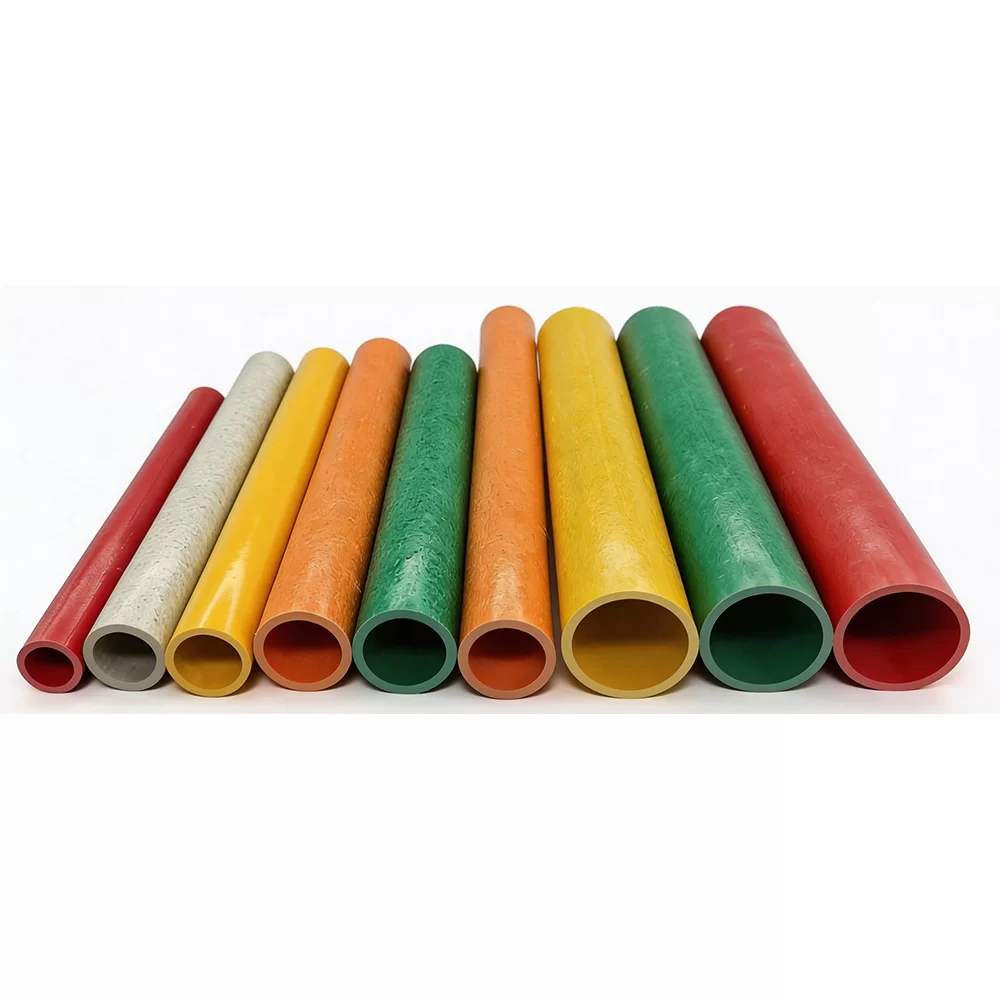
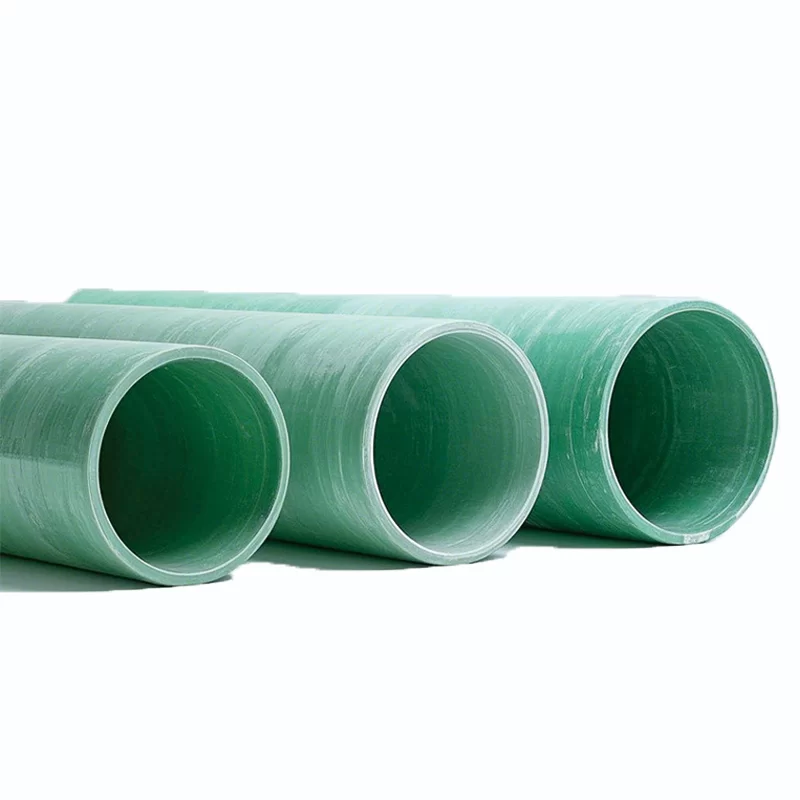
Providing affordable and durable fiberglass septic tank systems for rural communities lacking access to centralized sewage treatment. These tanks are lightweight, easy to transport, and resistant to corrosion, making them ideal for remote locations.

2. Coastal Infrastructure Protection

Utilizing fiberglass guardrail mesh and other composite materials for protecting coastal infrastructure, such as seawalls and jetties, from saltwater erosion and damage caused by storms.

3. Strengthening Existing Structures

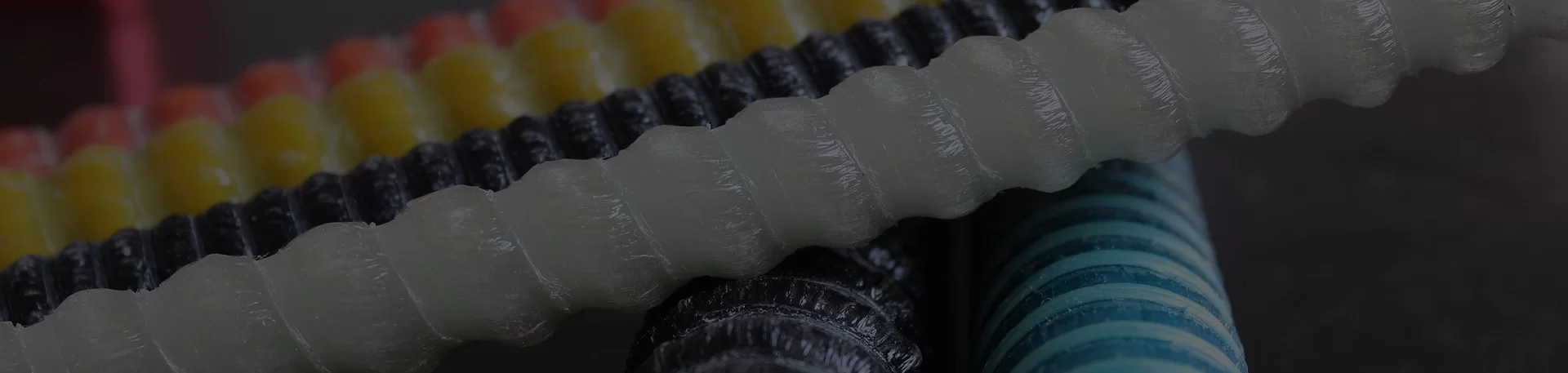
Employing fiber glass rebar to reinforce existing concrete structures, such as bridges and buildings, improving their seismic resilience and extending their lifespan.

4. Water Tank Construction

Manufacturing large-capacity water tanks from fiberglass for storing potable water in areas with limited access to reliable water sources. Fiberglass tanks are lightweight, durable, and prevent algae growth.

5. Marine Applications

Utilizing composites for boat building, repair and structural elements that are resistant to corrosion in the marine enviroment

Brand Story

Hebei Zhongtian Composite Material Group Co., Ltd.'s global development journey

Commitment to Durability

We specialize in crafting fiberglass products engineered to withstand the challenging environments of Oceania.

Addressing Infrastructure Needs

Our mission is to provide cost-effective and long-lasting solutions for sanitation, construction, and water management projects.

Local Partnership Focus

We are dedicated to building strong relationships with local businesses and communities in Papua New Guinea.

Sustainable Composites

We prioritize environmentally responsible manufacturing practices and materials to minimize our ecological footprint.

Innovation and Quality

We continuously invest in research and development to deliver cutting-edge fiberglass solutions that meet the highest industry standards.

Comprehensive Product Range for the Region

Discover our complete selection of fiberglass products designed to serve the unique needs of Papua New Guinea.

Frequently Asked Questions – Fiberglass Solutions in Papua New Guinea

Addressing common queries about our fiberglass products and services.

What are the benefits of using fiberglass septic tanks compared to traditional concrete tanks in Papua New Guinea?

Fiberglass septic tanks are significantly lighter than concrete, simplifying transportation and installation, particularly in remote areas. They are also corrosion-resistant, reducing the risk of leaks and extending their lifespan.

How does the high humidity in Papua New Guinea affect the performance of fiberglass structures?

Fiberglass is inherently resistant to humidity and does not corrode or degrade in high-humidity environments. Our resin systems are specifically formulated to withstand tropical climates.

What is the lifespan of a typical fiberglass septic tank installed in Papua New Guinea?

With proper installation and maintenance, a fiberglass septic tank can easily last 50 years or more. The corrosion-resistant properties of fiberglass significantly contribute to its longevity.

Are fiberglass products suitable for earthquake-prone regions like Papua New Guinea?

Fiberglass reinforced polymer (FRP) offers excellent flexibility and energy absorption, making it a viable option for structures in seismic zones. Fiber glass rebar can increase the tensile strength.

What maintenance is required for fiberglass septic tanks?

Fiberglass septic tanks require minimal maintenance. Regular pumping to remove sludge is the primary maintenance task. Unlike concrete tanks, they do not require periodic sealing or lining.

Are your fiberglass products environmentally friendly?

Yes, we are committed to sustainable manufacturing practices. Fiberglass is a durable material that reduces the need for frequent replacements, minimizing waste. We are actively exploring the use of bio-based resins to further reduce our environmental impact.

Get in Touch – Fiberglass Solutions for Papua New Guinea

Contact us today to discuss your project needs and discover how our fiberglass products can provide reliable and cost-effective solutions in Papua New Guinea.

Contact Us Now

If you are interested in our products, you can choose to leave your information here, and we will be in touch with you shortly.